Leash Training for Beginners: A Gentle Start
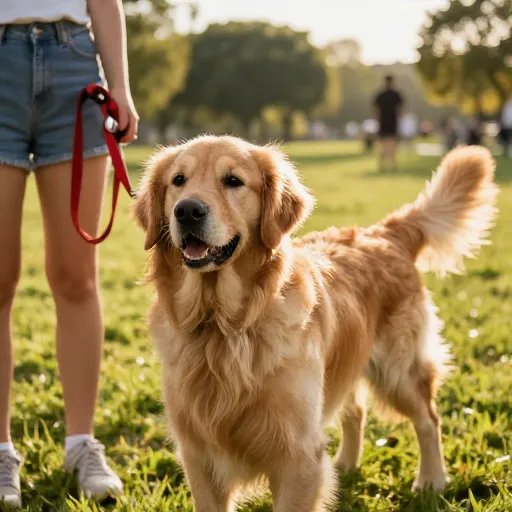
Bringing home a new puppy or an older rescue dog is so exciting. But then you pick up that leash, and suddenly everything changes. Your sweet pup might plant their paws, pull like a sled dog, or try to chew the leash into pieces. I have been there, and it can feel a little overwhelming.
The good news is that leash training doesn’t have to be a battle. It is really about building a new language between you and your dog. We are teaching them that walking with a loose leash is comfortable, rewarding, and even fun. It is a skill you build step by step, not something they are born knowing.
In this guide, I will share simple, practical steps to get you both walking happily together. Forget the frustration and let us focus on connection. Your peaceful morning walks are closer than you think.
1. Choose the Right Gear
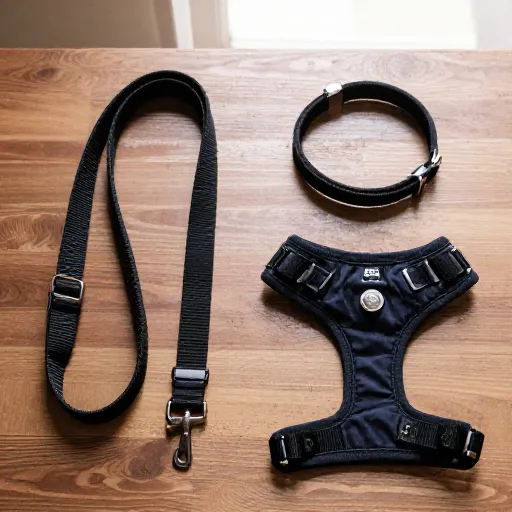
Before you even clip the leash on, take a look at your equipment. A standard flat collar is great for many dogs, but a front-clip harness can be a game-changer for pullers. It gently steers them back toward you without choking.
Keep the leash short and lightweight—usually four to six feet is best. Avoid retractable leashes for training. They teach your dog that pulling creates distance, which is the opposite of what we want.
Make sure everything fits snugly but comfortably. You should be able to fit two fingers between the collar or harness and your dog’s body. Comfortable gear makes for a happy trainee.
2. Start Inside Your Home
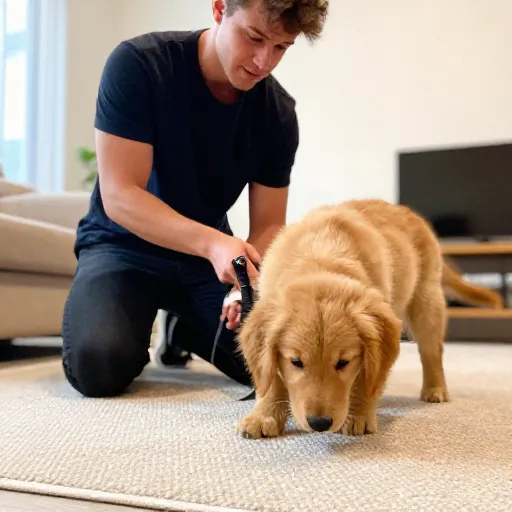
Your living room is the perfect classroom. There are fewer distractions, and your dog already feels safe. Let them wear the leash and harness around the house for short periods while you play or give treats.
Let them drag the leash behind them at first. This helps them get used to the feeling without any pressure from you. Stay close so it does not get tangled on furniture.
Once they seem relaxed, pick up the leash and just hold it loosely. Reward any calm behavior. If they look at you, give a treat. You are building a positive association with the leash itself.
3. Practice the “Be a Tree” Technique
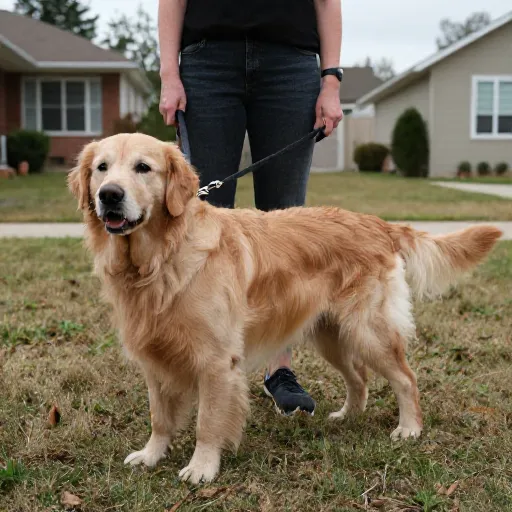
This is my favorite trick for pullers. When your dog pulls ahead, just stop moving. Stand still like a tree. Do not say anything or yank the leash back. Simply wait.
Your dog will eventually turn to see why you stopped. The moment they look back or take a step toward you, praise them softly and start walking again. You are teaching them that pulling stops the fun.
It might feel silly at first, but it works. Be patient. Some dogs test this several times before they understand. Consistency is your best friend here.
4. Use High-Value Treats
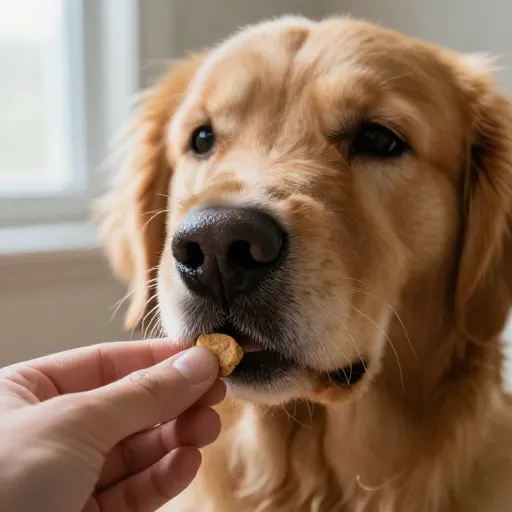
Your regular kibble might not cut it outside. Use tiny, smelly, irresistible treats. Think bits of cheese, cooked chicken, or freeze-dried liver. These are your secret weapons.
Hold a treat in your hand right by your dog’s nose as you walk. Let them nibble it as you move forward. This keeps their focus on you and their head up, which naturally discourages pulling.
As they get better, you can start spacing the treats out. Give one after a few steps, then after a full minute. Eventually, you will only need them for special moments.
5. Change Direction Often
Dogs learn quickly that pulling gets them where they want to go. You can break that habit by becoming unpredictable. Walk a few steps, then turn around and go the other way.
Call your dog’s name cheerfully as you turn. When they follow you, reward them. This turns your walk into a fun game of follow-the-leader. They learn to pay attention to you, not just the path ahead.
Do this in your yard or a quiet sidewalk first. It builds focus and makes your dog realize that staying close is the best way to move forward.
6. Keep Sessions Short and Sweet
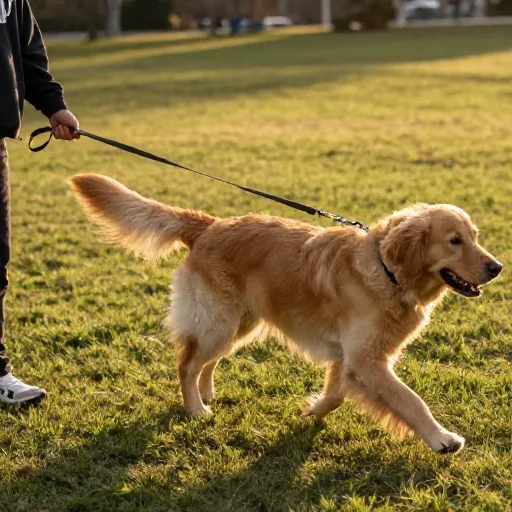
Puppies and beginner dogs have short attention spans. A five-minute training session is plenty. You can do several short sessions throughout the day instead of one long, tiring walk.
Always end on a positive note. If your dog walks nicely for just a few steps, stop there and give them a big party of treats and praise. They will remember that feeling and want to repeat it.
If you or your dog get frustrated, take a break. Walk around the block without any training goals. Just enjoy each other. Tomorrow is another chance to practice.
7. Teach a “Let’s Go” Cue
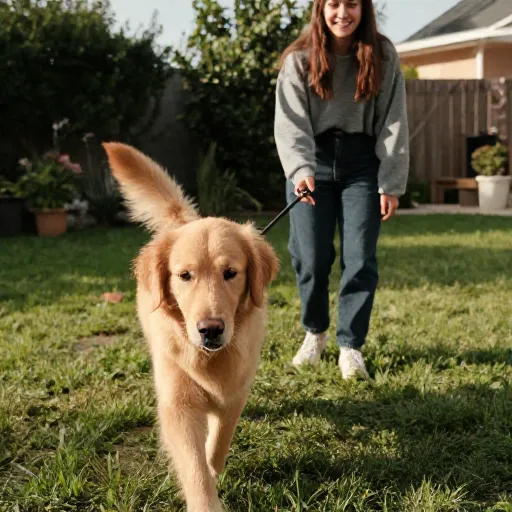
A simple verbal cue can work wonders. Pick a phrase like “let’s go” or “this way.” Say it in a happy, upbeat voice right before you start walking. Then give a gentle tug on the leash to get their attention.
Reward them immediately when they follow you. Over time, they will learn that “let’s go” means it is time to move with you. It becomes a fun game, not a command.
Practice this indoors first. Then move to your front yard. Eventually, you can use it on walks to redirect them away from distractions like a squirrel or a trash can.
8. Handle Distractions Slowly
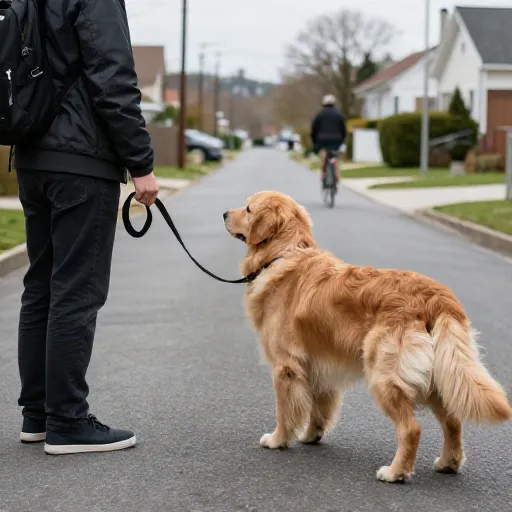
Once your dog is good indoors, introduce distractions one at a time. Walk in your backyard, then on a quiet sidewalk. Gradually add more exciting environments like a park or a busy street.
If your dog gets too excited and starts pulling, you have moved too fast. Go back to a quieter spot. There is no rush. Building a solid foundation now means fewer problems later.
Use treats and praise generously in new places. Your dog needs to know that even with exciting smells and sounds, staying close to you is the best place to be.
9. Don’t Forget Loose Leash Rewards
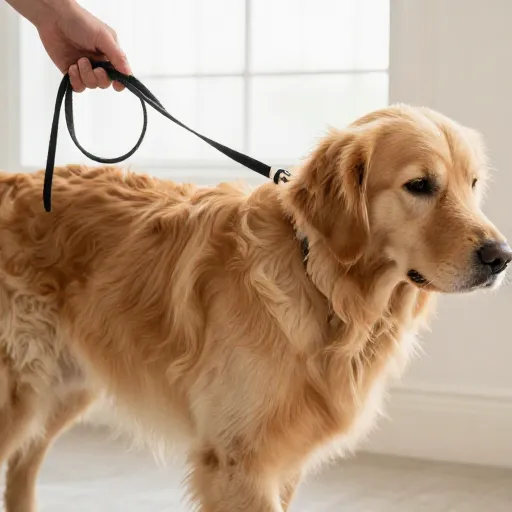
Many people only correct the dog when they pull. But it is just as important to reward them when the leash is loose. Every few steps, if the leash hangs in a nice J-shape, give a treat and say “good walk.”
This teaches your dog exactly what you want. They start to realize that walking with a loose leash earns them good things. It is much clearer than just punishing pulling.
Carry a treat pouch so you can reward spontaneously. The more you catch them being good, the faster they will learn. Positive reinforcement is powerful and kind.
10. Be Patient and Have Fun
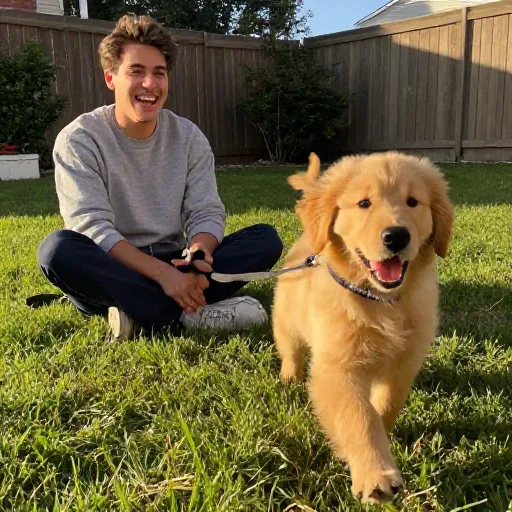
Leash training is a journey, not a race. Some days your dog will be a star. Other days, they might forget everything and pull like crazy. That is totally normal. Do not take it personally.
Celebrate the small wins. A single step without pulling is progress. A moment of eye contact on a walk is huge. Your relationship with your dog grows stronger with every patient session.
Remember, you are teaching them to navigate a human world. They want to please you. Keep your voice light, your treats ready, and your expectations gentle. You have got this.
Conclusion
Leash training does not have to be a stressful chore. With a little patience, the right tools, and a lot of tasty treats, you and your dog can learn to enjoy walks together. Start slow, stay consistent, and always celebrate the small steps.
Every walk is a chance to bond. So clip on that leash, take a deep breath, and step outside with confidence. Your peaceful walks are waiting for you.
Frequently Asked Questions
How long does it take to leash train a puppy?
It varies, but most puppies start understanding the basics in a few weeks. Consistent short sessions are more important than long ones. Remember, they are babies learning a new skill.
What if my dog is scared of the leash?
Go very slowly. Let them sniff the leash and reward calm behavior. You can even leave the leash near their bed for a few days. Never force it. Build trust first.
Should I use a choke chain or prong collar?
I do not recommend them for beginners. They can cause pain and fear, which damages your bond. A front-clip harness or a standard collar with positive training works beautifully and safely.
My dog only pulls when they see other dogs. What do I do?
That is a common challenge. Keep your distance from other dogs at first. Use high-value treats to get their attention before they react. Practice “look at me” and reward focus. Over time, you can gradually get closer.
Can I use a retractable leash for training?
I suggest avoiding them for training. They teach the dog that pulling creates more leash, which is the opposite of what we want. A fixed-length leash gives you better control and clearer communication.
[[IMG:IMG12]]