How to Teach Your Dog to Focus: A No-BS Guide to Laser-Sharp Attention
Let’s be real—getting your dog to actually pay attention can feel like trying to catch smoke with your bare hands. You call their name, and they act like you’re invisible. But here’s the truth: focus isn’t something dogs are born with. It’s a skill, just like sitting or staying. And the best part? You can teach it without treats that cost a fortune or hours of boring drills.
I’ve been there—standing in the park with a dog who’d rather chase a squirrel than look at me. It’s frustrating. But after trying every trick in the book (and some that aren’t), I found what actually works. This guide cuts through the fluff and gives you real steps to build that laser-sharp attention. No gimmicks, just practical stuff that makes your dog want to focus on you.
Think of this as your cheat sheet. You don’t need a perfect dog or a ton of time. Just a little patience and a willingness to try something new. Ready to turn your pup into a focus machine? Let’s dive in.
Start with the Magic of Eye Contact
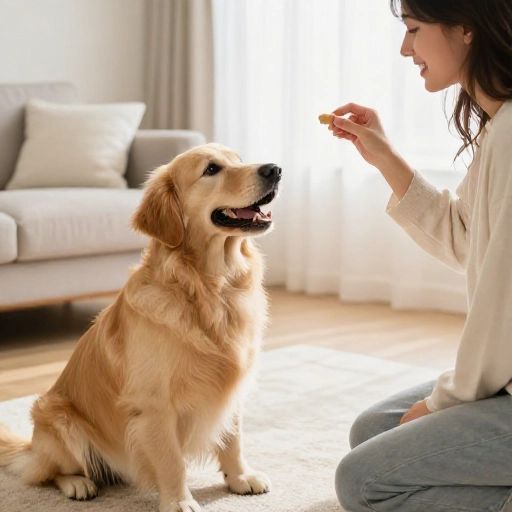
Eye contact is the foundation of everything. When your dog looks at you, they’re saying, “I’m ready for what’s next.” It’s simple, but it works like a charm.
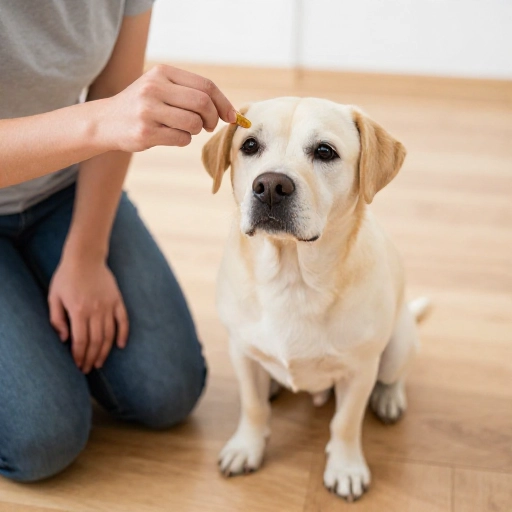
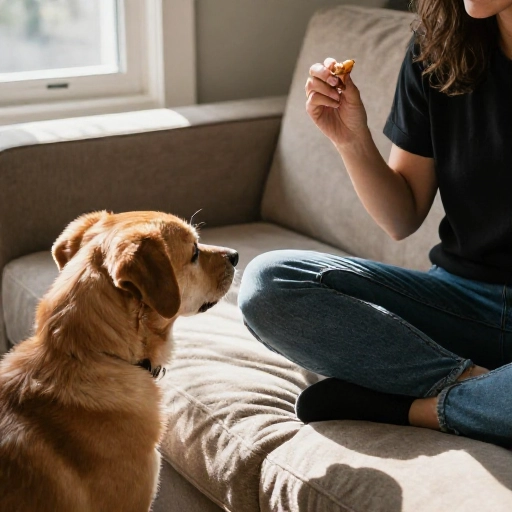
Here’s how I do it: Hold a treat near your eye and say “watch me” in a happy voice. The second your dog’s eyes meet yours, mark it with a “yes” and give them the treat. Repeat this a few times a day, and you’ll see them start offering eye contact on their own.
Don’t force it. Keep sessions short—like 30 seconds. You want your dog to think this game is the best thing ever. Over time, they’ll learn that looking at you equals good stuff.
Use the “Name Game” to Grab Their Attention
Your dog’s name should be a magic word, not background noise. If they ignore it, you’re just talking to yourself. Let’s fix that.
Start in a quiet room. Say your dog’s name once in a cheerful tone. The moment they turn their head or look at you, reward them with a treat and praise. If they don’t respond, don’t repeat it—just wait or make a silly sound to get their attention.
Practice this randomly throughout the day. Call their name when they’re sniffing a toy or walking past you. The goal is to make them think, “When I hear my name, something awesome happens.” It’s that simple.
Build a Rock-Solid “Look at Me” Cue
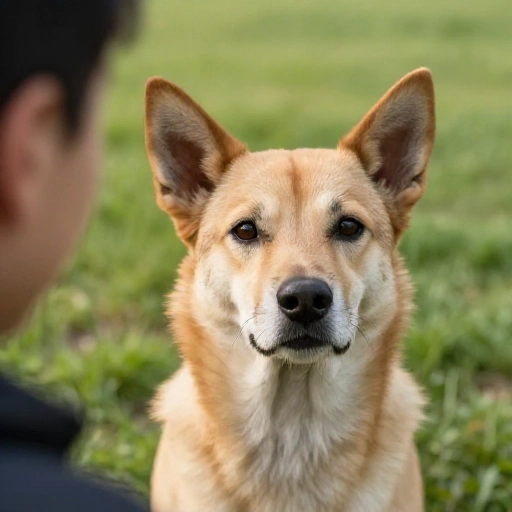
Once your dog gets the hang of eye contact, turn it into a formal cue. This is your secret weapon for distracting situations.
Start with low distractions, like in your living room. Say “look at me” and wait for eye contact. Reward it immediately. Then, gradually add more challenge—try it in the backyard or on a quiet walk.
I like to practice this before meals or playtime. It sets the tone and reminds your dog that focusing on you pays off. Keep it fun and don’t move too fast. If they fail, go back a step.
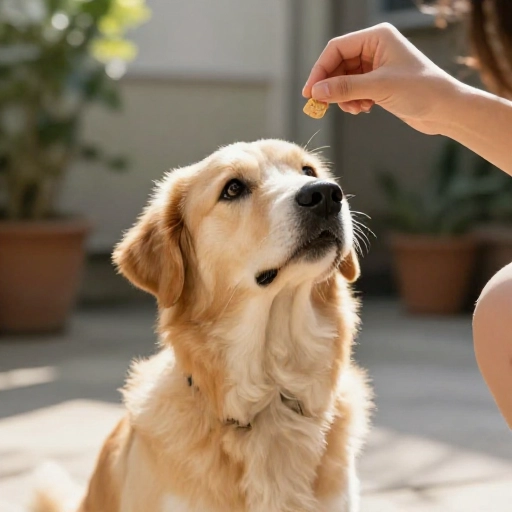
Play “Find the Treat” to Sharpen Their Nose and Mind
Focus isn’t just about eyes—it’s about using their brain. Games like “find the treat” teach your dog to concentrate on a task, which naturally boosts attention.
Here’s the game: Let your dog watch you hide a treat in one hand. Then, close both fists and ask, “Where is it?” When they sniff or paw the correct hand, open it and say “yes.” They get the treat as a reward.
Make it harder over time. Hide treats under cups or in different spots around the room. This builds mental stamina and keeps them engaged with you.
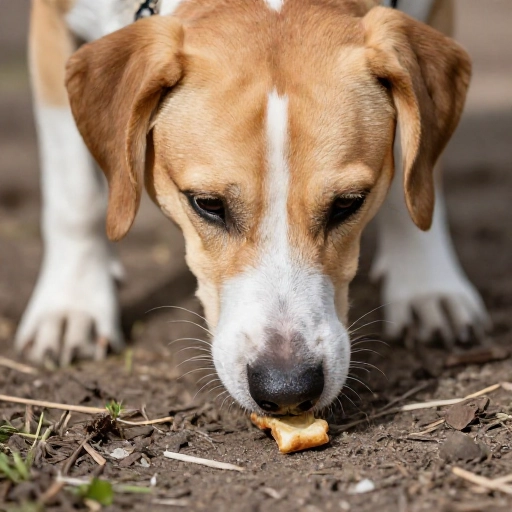
Practice the “Leave It” Cue for Instant Focus
Nothing tests focus like a tempting distraction. “Leave it” is your go-to for teaching your dog to ignore the world and tune into you.
Start with a treat in your closed hand. Let your dog sniff and try to get it. The second they back off or look at you, say “leave it” and reward them with a different treat from your other hand. Repeat until they understand.
Gradually move to objects like toys or food on the floor. This cue takes practice, but once it’s solid, you’ll have a dog that can focus even with a squirrel running by.
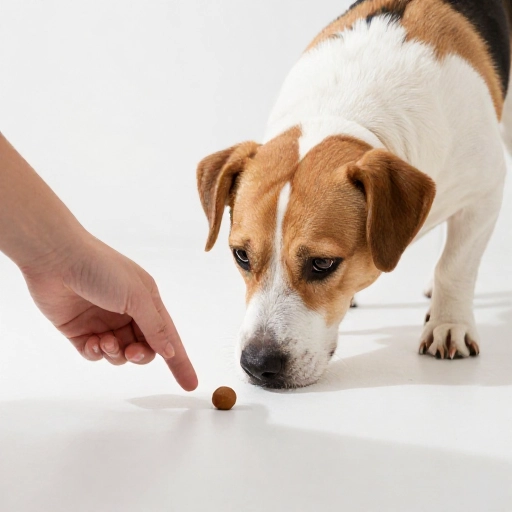
Use Movement to Keep Them Engaged
Dogs are wired for motion. If you stand still and boring, they’ll look for excitement elsewhere. Use your body to become the most interesting thing in the room.
Try walking backward or zigzagging while calling your dog. When they follow, reward them with a treat or a quick game of tug. This makes focusing on you feel like a game, not a chore.
You can also add hand signals—like a pat on your leg—to guide their attention. Movement breaks the monotony and keeps their brain active.

Train in Short Bursts, Not Long Marathons
Long training sessions bore dogs. They lose focus, and you lose your patience. Instead, aim for tiny, high-quality sessions spread throughout the day.
I stick to 2- to 5-minute sessions, 3 to 5 times a day. That’s it. You can do one before breakfast, one after a walk, and one before bed. Keep it positive and end on a win.
Short bursts build a habit of attention without overwhelming your dog. Plus, they’re easier to fit into a busy schedule. Win-win.
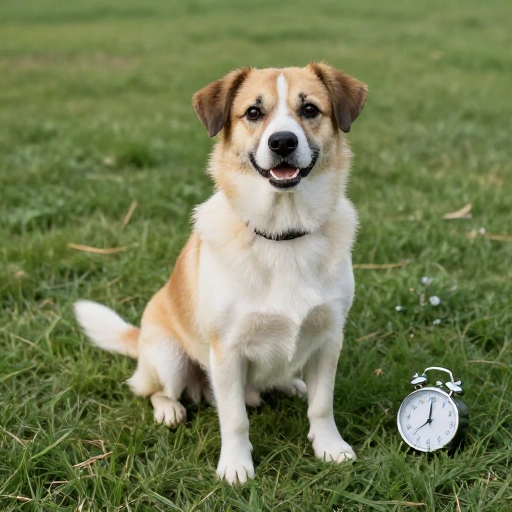
Master the Art of the “Emergency Recall”
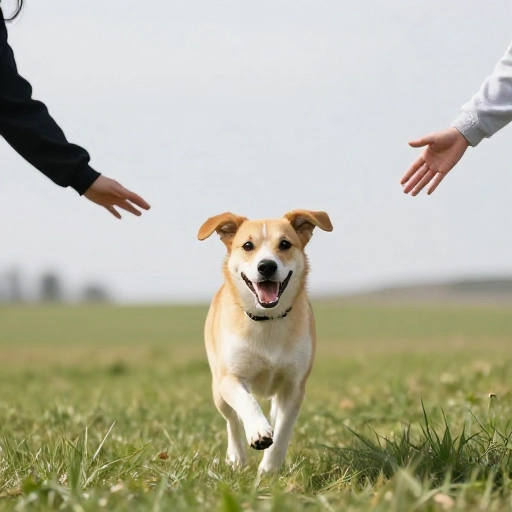
An emergency recall isn’t just for safety—it’s a focus superpower. When your dog knows this cue, they’ll drop everything to come to you, even in chaos.
Start by choosing a special word, like “cookie” or “come.” Use it only for high-value rewards—real meat or cheese, not regular treats. Practice it indoors, then outdoors, then in more distracting spots.
Never use this cue for anything negative, like ending playtime. It should always mean something amazing. Over time, your dog will associate that word with laser focus on you.
Turn Everyday Moments into Training Opportunities
You don’t need a training class to build focus. Use daily routines as mini lessons. This makes attention a natural part of your dog’s life.
For example, ask your dog to “watch me” before you open the door for a walk. Or have them focus for a second before you drop their food bowl. These small moments add up fast.
I also use waiting times—like at a crosswalk—to practice eye contact. It keeps their mind on me instead of the passing cars. Simple, effective, and no extra time needed.
Stay Consistent and Keep It Positive
This is the secret sauce. Dogs thrive on predictability. If you’re inconsistent, they’ll get confused and tune out. Stick with a routine and keep rewards high-value.
Punishment doesn’t build focus—it builds fear. Instead, use praise, treats, and play to reinforce attention. Your dog should think, “When I look at my human, good things happen.”
Celebrate the small wins. A 2-second look is a victory. Over weeks, those seconds turn into minutes of solid focus. Patience pays off, I promise.
Teaching your dog to focus isn’t about being a drill sergeant. It’s about building a connection where they choose to pay attention because it feels good. Start with these steps, stay patient, and watch your bond grow stronger every day.
Frequently Asked Questions
How long does it take to teach a dog to focus?
It varies, but most dogs show improvement in a week with consistent short sessions. Full focus in distracting environments can take a few months. Be patient and adjust based on your dog’s personality.
What if my dog is too distracted to even start?
Start in a super boring room with no toys or other pets. Use high-value treats like chicken or cheese. If they still struggle, try a shorter session—like 30 seconds—and reward any tiny effort.
Can I use this with an older dog?
Absolutely. Older dogs can learn new focus skills, though they might need more repetition. Keep sessions gentle and rewarding. The key is to make it fun, not stressful.
Do I need special treats for training?
Not really. Use what your dog loves—small bits of meat, cheese, or even their kibble if they’re food-motivated. The value is in how much they want it, not how fancy it is.
What if my dog is too hyper to focus?
Hyper dogs often need a quick walk or play session before training to burn off energy. Then use movement-based games to channel their excitement into focus. Short bursts work best here.
[[IMG:IMG12]]