16 DIY Cat Scratchers That Actually Last & Protect Furniture (Save Your Sofa!)
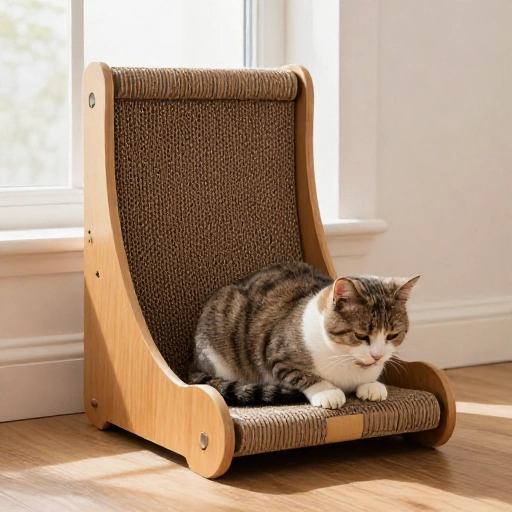
I’ve tried almost every cat scratcher out there, and I still watched my cats go straight for the sofa arm. The secret wasn’t buying more stuff—it was building scratchers that felt sturdier, taller, and more interesting than my furniture.
These 16 DIY cat scratchers are the ones I keep coming back to because they actually last. They use cheap materials like cardboard, sisal rope, scrap wood, and thrifted stools, and each one is designed to protect the furniture you already love.
Pick one project or mix a few. Cats care about height, stability, texture, and location more than fancy looks—so I’ll share the exact tweaks that make each DIY scratcher hold up.
1. Heavy Wooden Cardboard Scratcher That Won’t Slide Across the Floor
A simple stack of cardboard is easy, but it can flip and make a mess. I build mine inside a shallow wooden frame made from 1×4 boards, so the cardboard stays packed tight and the whole thing stays put.
Cut corrugated cardboard into strips the same height as the frame, then stack them with the cut edges facing out. That exposed honeycomb texture is what cats love. Pack them tightly, add a little non-toxic glue between layers, and screw a thin back panel on for support.
Add rubber feet or a heavy base, and place it where your cat already scratches. When the cardboard wears down, slide it out and replace it—no need to rebuild the frame.
2. Wrap a Solid Wood Post With Tight Sisal Rope
Sisal rope is my favorite material for long-lasting scratchers, but loose wrapping is the reason most DIY posts fall apart. I use a 4×4 untreated wood post and wrap it with 3/8-inch sisal, pulling each row snug against the last.
Start at the bottom with a staple or two, then wrap upward, keeping the rope tight and gaps tiny. When I reach the top, I staple the end and cover it with a small wood cap or twine. A wide plywood base keeps the post from wobbling.
Make it at least 30 inches tall so your cat can stretch fully. This is the scratcher that finally kept my cats away from the couch corner.
3. Wall-Mounted Sisal Scratcher for Vertical Stretchers
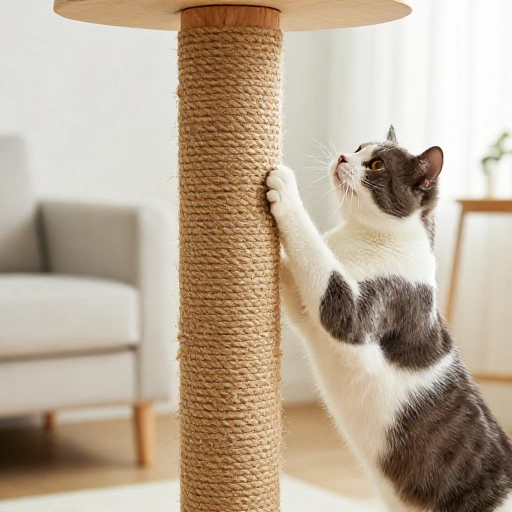
If your cat likes to stretch up high, a wall scratcher saves floor space and feels super stable. I use a plywood board covered in sisal rope or a tight sisal rug, then mount it into wall studs at the height my cat reaches when standing on her back legs.
Measure from the floor to your cat’s full stretch, then add a few inches. The board should be at least 12 inches wide and 24 inches tall. Countersink the screws so claws don’t catch on metal.
I like adding a small shelf on top for lounging. It turns a scratcher into a mini wall gym, and cats naturally scratch before they jump.
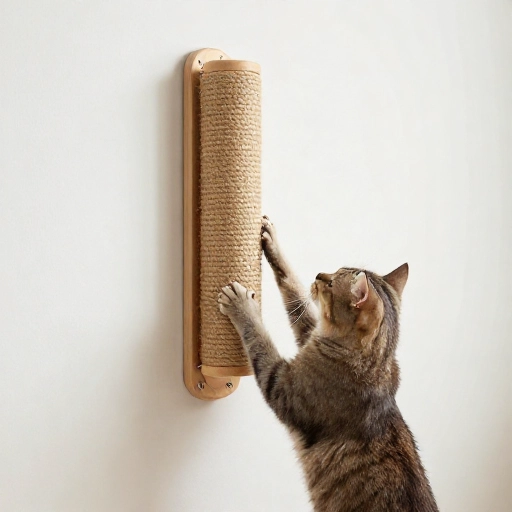
4. Floor-to-Ceiling Tension Pole Scratcher
A tension pole gives cats a full-height scratching post without taking up much room. I use a thick wood post or sturdy PVC wrapped in sisal, then add a spring-loaded tension mechanism at the top and a rubber foot for grip.
The key is stability. A pole that wiggles will get ignored, so I check the tension every few weeks and add a non-slip base. Wrap the sisal tightly from bottom to top, and cover the very top with a soft perch if you want.
Place it near a window or the corner of the sofa. Cats love to scratch, climb, and supervise the neighborhood from the same spot.
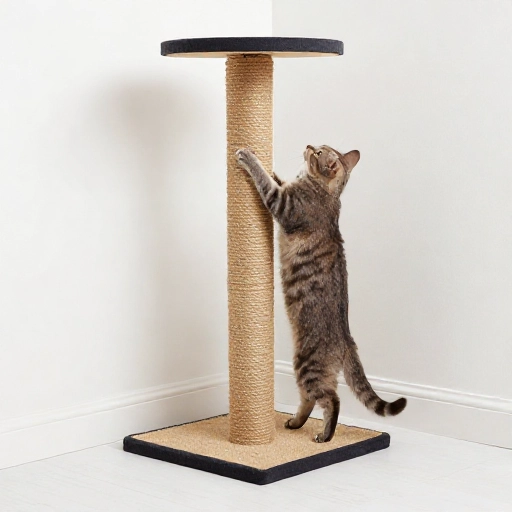
5. Turn a Sturdy Tree Branch Into a Natural Cat Scratcher
Natural branches have a texture cats adore. I look for a clean, dry branch from a safe tree—no pesticides, no rotting wood—then sand any sharp spots and let it fully dry indoors.
Mount the branch on a heavy wooden base or attach it to the wall with sturdy brackets. If it rolls, wedge it into a V-shaped cradle and screw it down. You can leave the bark on for extra grip or strip it if your cat prefers smooth wood.
This one looks like decor, so I don’t mind it in the living room. Bonus: it doubles as a bridge between two cat trees.
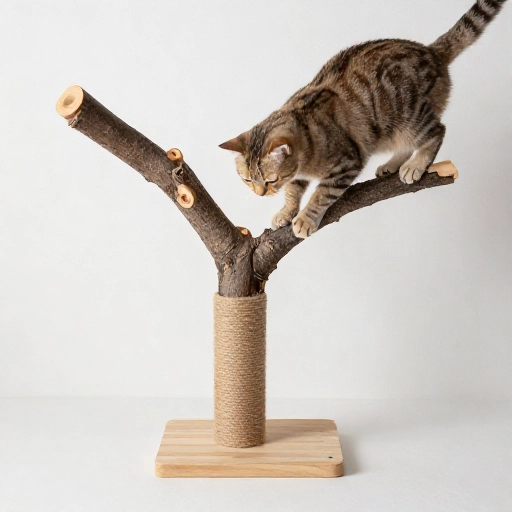
6. Hack a Thrifted Stool Into a Sisal Scratcher
Thrift stores are full of sturdy wooden stools that make perfect scratchers. I remove the seat cushion, wrap the legs with tight sisal rope, and cover the seat with a piece of carpet or sisal rug.
If the stool is wobbly, tighten the joints and add a brace underneath. A heavy stool won’t slide when your cat digs in. I use non-toxic glue at the rope ends and a staple gun for extra hold.
Place it near the couch your cat already targets. The height is perfect for a quick scratch, and the seat gives them a place to sit after.
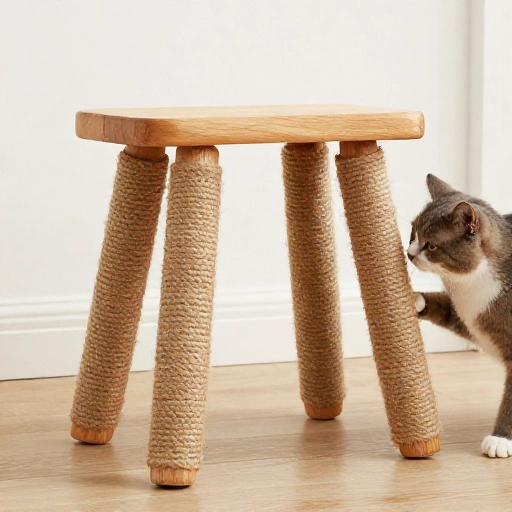
7. Corner Scratcher That Fits Right Into a Room Corner
Corners are prime scratching real estate, and a corner scratcher uses that space without blocking traffic. I cut two boards at a 90-degree angle, cover them with sisal, and screw them into the corner studs.
The corner itself adds strength, so the scratcher doesn’t wobble. I make mine about 24 inches tall and 12 inches wide on each side. A small catnip rubdown helps attract cats immediately.
This is my go-to for protecting sofa corners and door frames. Cats get the satisfying resistance they crave, and I get to keep my walls scratch-free.
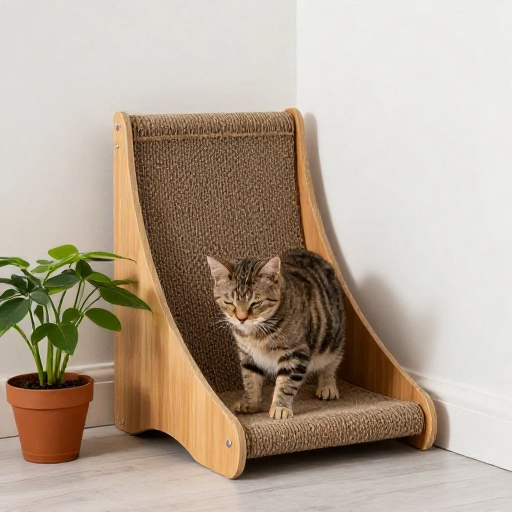
8. Ramp Scratcher to Redirect Couch Clawing
Some cats scratch on an angle, especially on sofa arms. A ramp scratcher mimics that motion. I take a sturdy board, cover it with sisal or tight carpet, and lean it against a wall or attach it to a wooden base.
The incline should be gentle—about 30 to 45 degrees—so your cat can pull downward without the ramp tipping. Add a lip at the bottom so the board doesn’t slide. I place mine right in front of the sofa arm my cat loves to attack.
Reward your cat with a treat the first few times they use it. Once they learn the ramp feels better than the couch, the couch gets a break.
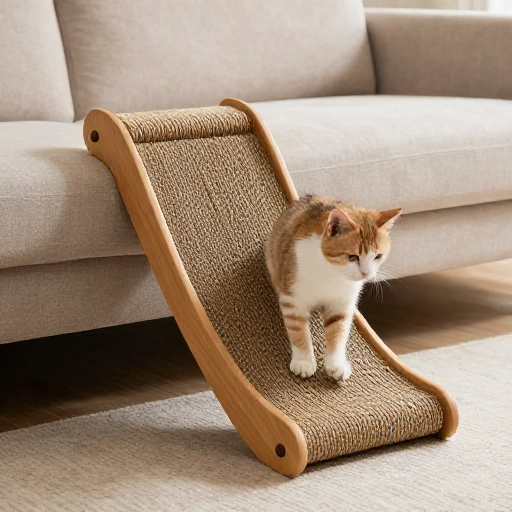
9. Replaceable Sisal Pads on a Long-Lasting Wood Frame
This is the smartest upgrade I’ve made: build a simple wood frame, then attach sisal pads with Velcro or screws instead of wrapping the whole thing. When one pad wears out, I swap it in minutes.
I use thick sisal rug squares or tightly woven sisal fabric, cut to size. The frame can be wall-mounted or freestanding. Because the pads are replaceable, I can keep the scratcher for years without re-wrapping rope.
I keep a spare pad in the closet so there’s no downtime. Cats stay interested, and my furniture stays safe.
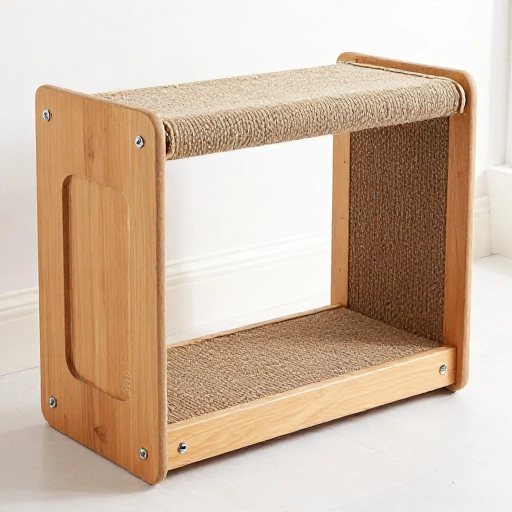
10. Under-Table Scratcher That Blends With Your Decor
Cats love to scratch in quiet, tucked-away spots. I build a low-profile box that slides under a coffee table or console, then fill it with tight cardboard or a sisal panel.
Measure the clearance under your table first. The box should be heavy enough to stay put but easy to pull out for cleaning. A removable top lets me replace the scratching surface without rebuilding the box.
This is perfect for shy cats and small apartments. It protects furniture legs because it gives them a private place to scratch that feels like a secret hideout.
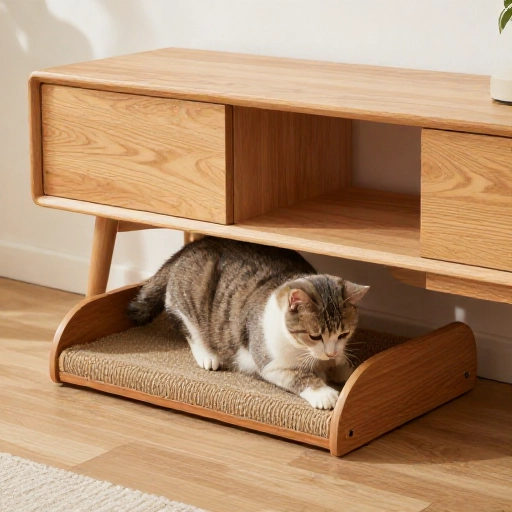
11. Sisal Carpet Post With a Wide Base for Aggressive Scratchers
If your cat grabs and pulls, you need a wider base. I make this post with a thick cardboard tube or wood post, cover it in sisal carpet, and attach it to a heavy plywood base that’s at least 16 inches square.
Sisal carpet is tougher than regular carpet and lasts longer. I wrap it tightly and staple the edges underneath. For extra weight, I add a sandbag or bricks inside a fabric cover on the base.
Aggressive scratchers need zero wobble. Once this post stopped moving, my cat quit using the side of the couch entirely.
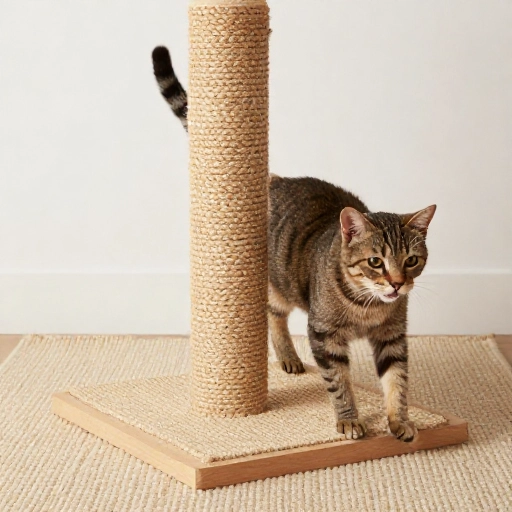
12. Curved Cardboard Scratcher Bowl for Lounging and Scratching
Cardboard bowls are popular for a reason: cats can scratch, curl up, and feel secure. I make mine by layering corrugated cardboard strips in a curved shape and gluing them tightly together.
Cut the strips in graduated lengths to form a bowl, then bind the outside with twine or a fabric strip. The center becomes a replaceable scratching pad. Use non-toxic glue and let it cure completely before your cat uses it.
This one lasts longer than a cheap store-bought bowl because I pack the layers tight. When the middle gets shredded, I pop in a new cardboard insert.
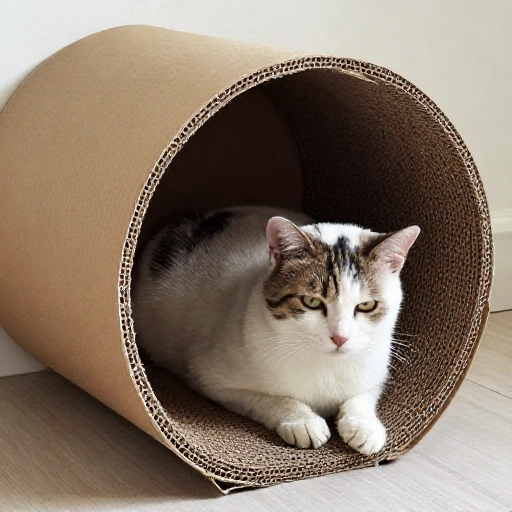
13. Upcycle a Wooden Pallet Into a Wall Scratcher Station
Pallet wood gives you a rustic, sturdy base for a multi-cat scratching station. I sand it well, check for splinters, and mount it securely to wall studs.
Cover part of the pallet with sisal panels and leave the rest as shelves. Cats can scratch, climb, and nap on the same piece. I use screws and washers to attach the sisal panels so they don’t pull loose.
Because it’s wall-mounted, it doesn’t crowd the floor. It also distracts cats from clawing the side of the bookcase—mine now heads straight for the pallet station.
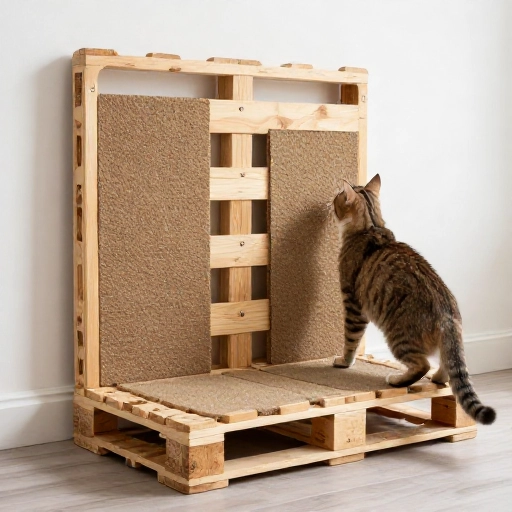
14. Door-Mounted Scratcher for Small Spaces
Renters and small-space dwellers, this one’s for you. I make a slim scratcher board covered in sisal, then hang it over a door with sturdy straps or an over-the-door hanger.
Add a felt backing so the door doesn’t get scratched. The board should rest flat against the door and not swing when your cat pulls. I like a width of about 8 to 10 inches and a height of 20 inches.
It comes off in seconds when guests come over. My cats use it every morning while I get ready, and my door frame stays intact.
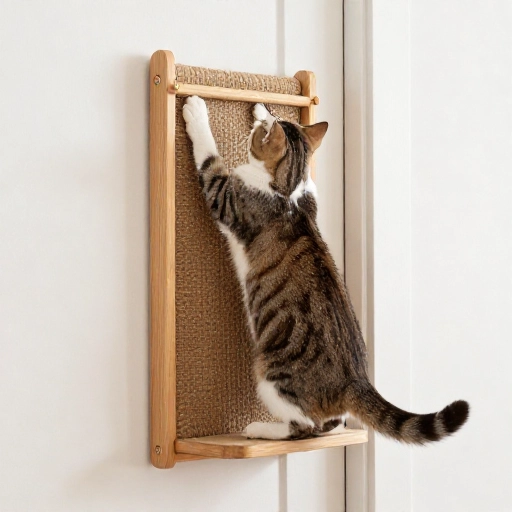
15. Scratching Box With Slide-In Replaceable Inserts
A wooden scratching box contains mess and gives cats a cozy cave feeling. I build a simple open-front box, then cut cardboard or sisal inserts that slide into grooves on the sides.
The insert should fit snugly so it doesn’t rattle. I add a small lip at the bottom to keep it from sliding out. When it’s shredded, I pull it out and slide in a fresh one.
This is great for cats who like to scratch horizontally. It also saves my rug from cardboard crumbs because everything stays inside the box.
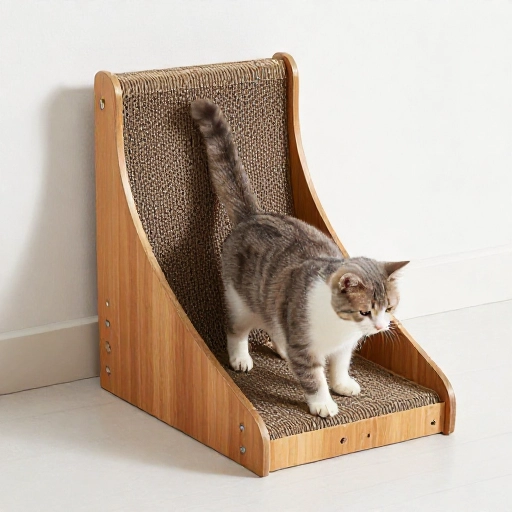
16. Double-Sided Sofa-Arm Scratcher to Save Your Couch
This is the emergency fix for a cat who already loves one specific sofa arm. I cover a sturdy board with sisal on both sides, then hang it over the arm or attach it to the side with Velcro straps.
Make sure the board is wide enough to cover the scratched area. The sisal should face outward on both sides so your cat can scratch from either direction. Add a soft fabric backing to protect the couch fabric.
It’s not the prettiest solution, but it works. I replace the sisal panel when it wears out, and my couch lives to see another year.
Final Thoughts: Make Any DIY Cat Scratcher Last Longer
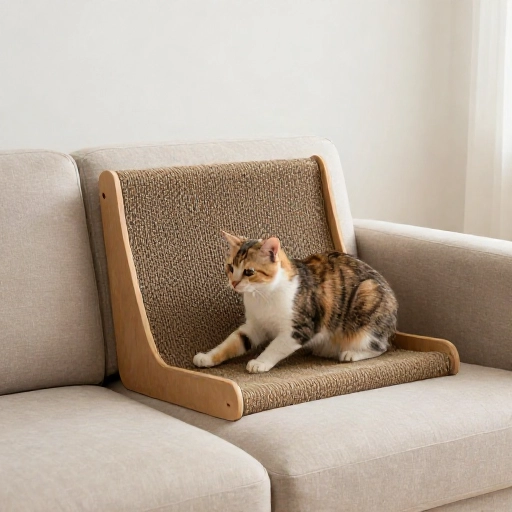
The biggest difference between a scratcher that lasts and one that falls apart is stability. If it wobbles, your cat will ignore it. If it’s tall enough, tight enough, and placed where your cat already scratches, they’ll choose it over the furniture.
I also keep a few replaceable surfaces on hand—cardboard inserts, sisal pads, rope—so I can refresh worn spots instead of replacing the whole scratcher. A sprinkle of catnip and a treat reward never hurts either.
Start with one project, watch how your cat scratches, and adjust. Your sofa will thank you.
FAQ: DIY Cat Scratchers
Q: What material lasts longest for a DIY cat scratcher?
A: Tightly wrapped sisal rope and sisal carpet tend to last longest. Corrugated cardboard is cheaper but needs replaceable inserts.
Q: How tall should a cat scratcher be?
A: At least 30 inches for a vertical post so your cat can stretch fully. Wall scratchers should reach your cat’s full standing stretch plus a few inches.
Q: How do I stop my cat from scratching the couch?
A: Put a sturdy scratcher right next to the scratched spot, reward your cat for using it, and cover the couch area temporarily with a throw or double-sided tape.
Q: Is sisal rope safe for cats?
A: Yes, untreated sisal rope is generally safe. Avoid treated rope, loose strands, and any material that shreds into small pieces your cat might swallow.
Q: How often should I replace the scratching surface?
A: Replace cardboard when it’s shredded or sagging. Swap sisal pads or re-wrap rope when strands loosen or the surface feels smooth instead of grippy.