10 Outdoor Play Yard Ideas for Dog Boarding Success That Keep Tails Wagging
When I started my dog boarding business, I thought a fenced yard was enough. Boy, was I wrong. The outdoor play yard is where dogs spend most of their energy, and it’s the number one thing clients notice when they tour your place. A boring yard leads to bored dogs, and bored dogs lead to chewed fences, stressed pups, and unhappy owners.
Over the years, I’ve learned that a great play yard doesn’t have to cost a fortune. It just needs smart design, safety, and a little creativity. These 10 ideas have helped me turn my own yard into a space where dogs run, sniff, splash, and nap happily. And happy dogs mean repeat bookings.
Whether you’re just starting out or upgrading an existing space, pick a few of these to try. Your boarders will thank you with wagging tails and tired paws.
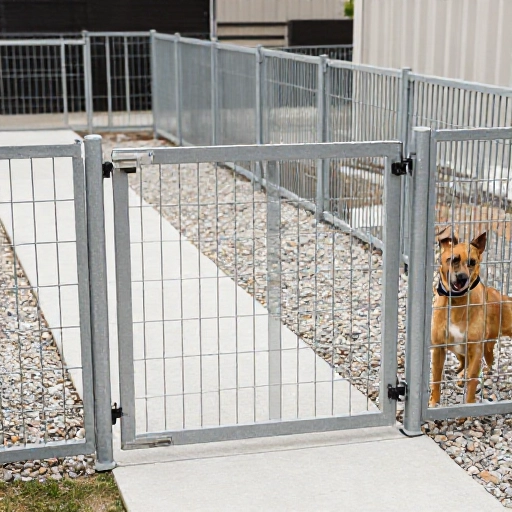
1. Start with a Double-Gated Entry System
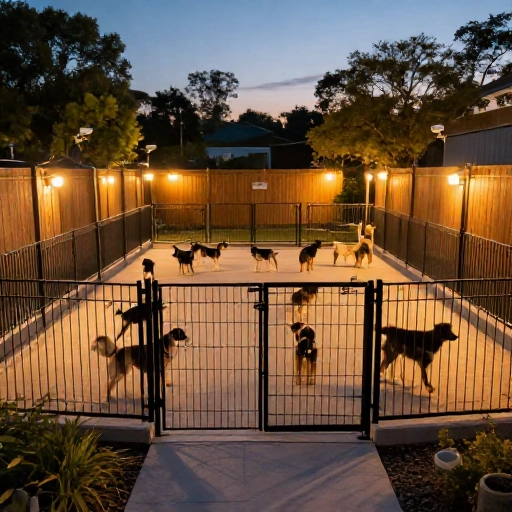
Safety is everything in dog boarding. The last thing you want is a dog slipping out when a client opens the gate. A double-gated entry, sometimes called an airlock, gives you a buffer zone. One gate closes before the next one opens.
I installed mine with self-closing hinges and latches that are too high for dogs to nudge. It took a weekend to build, but it gives me peace of mind every single day.
- Use sturdy metal or treated wood gates.
- Add a concrete pad under the entry to prevent digging.
- Paint the gates a bright color so they’re easy to see.
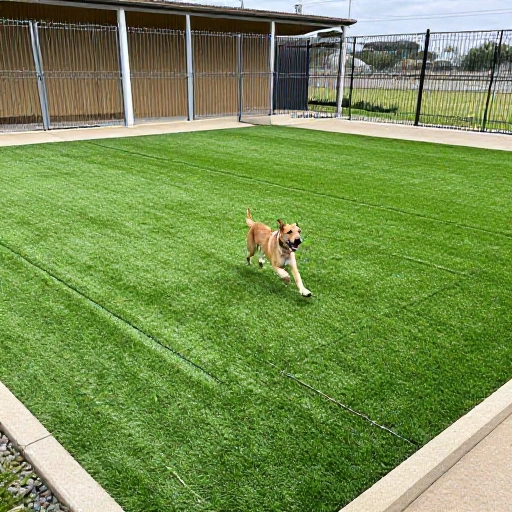
2. Install Artificial Turf for Easy Cleanup
Real grass turns into a muddy mess fast when you have multiple dogs. I switched to pet-safe artificial turf and never looked back. It drains well, stays green year-round, and is a breeze to rinse off.
You do need to pick the right kind. Look for turf with antimicrobial infill and good drainage holes. I hose mine down daily and use a pet-safe disinfectant weekly.
- Install over a gravel base for better drainage.
- Avoid turf with crumb rubber infill, which can be harmful if swallowed.
- Keep a squeegee handy for standing water.
3. Add Shaded Rest Zones with Canopies or Trees
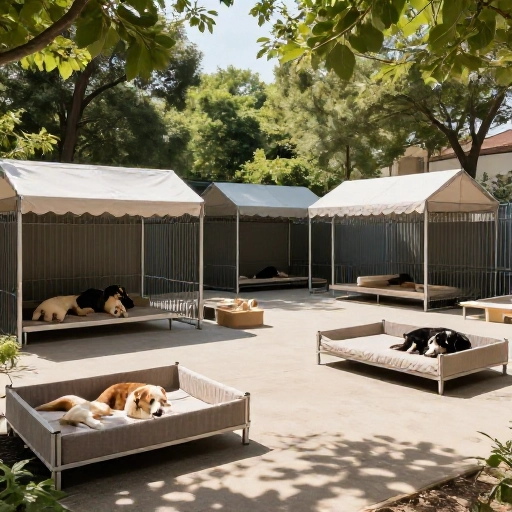
Dogs can overheat quickly, even on mild days. I learned this after a scary afternoon with a panting Labrador. Now I have three shaded rest zones in my yard.
You don’t need expensive trees. A simple canopy or shade sail works great. I also added elevated dog beds so pups can catch a breeze off the ground.
- Place shade where dogs naturally gather.
- Use UV-resistant fabric for canopies.
- Add a water station in every shaded area.
4. Build a Simple Agility Course
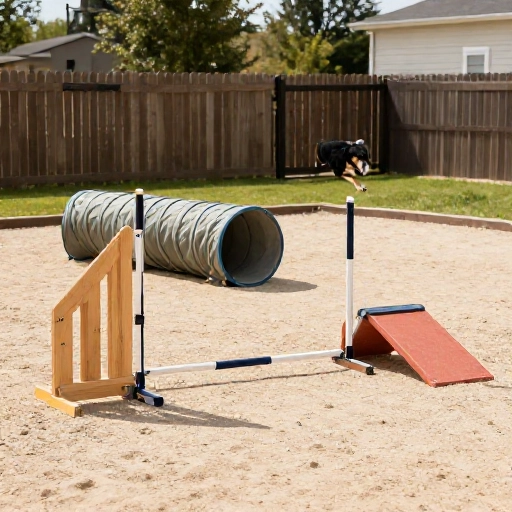
Physical exercise is great, but mental stimulation tires dogs out even faster. A basic agility course keeps boarders busy and happy. I built mine with PVC pipes, old tires, and a few wooden ramps.
You don’t need professional equipment. A tunnel, a few weave poles, and a low hurdle are enough. Rotate the layout every few weeks to keep it interesting.
- Use non-slip surfaces on ramps.
- Start with low jumps for small or senior dogs.
- Always supervise to prevent injuries.
5. Create a Splash Pad or Doggy Pool
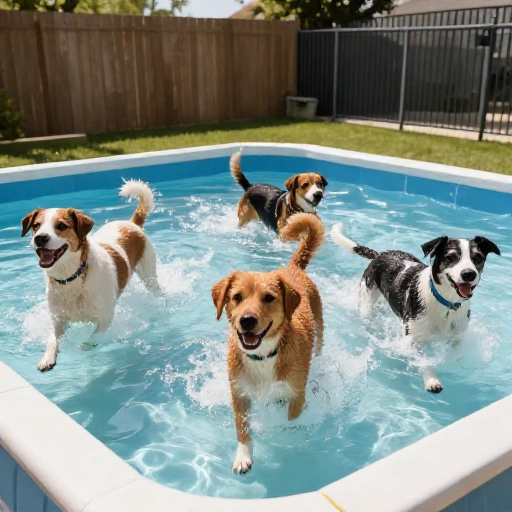
On hot days, nothing beats a splash zone. I set up a hard plastic kiddie pool and a small splash pad with a gentle spray. The dogs go crazy for it, and it helps them cool down safely.
Make sure the area drains well so you don’t create a swamp. I dump and refill the pool every day, and I scrub it with pet-safe soap twice a week.
- Choose a pool with a non-slip bottom.
- Never leave dogs unsupervised near water.
- Add a ramp or steps for small dogs to get out easily.
6. Plant a Sensory Garden with Dog-Safe Plants
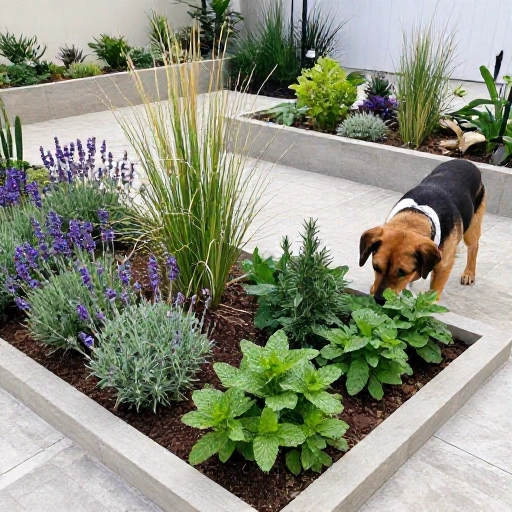
Dogs explore the world through their noses. A sensory garden gives them safe smells and textures to enjoy. I planted lavender, rosemary, mint, and chamomile along one fence.
These plants are non-toxic and smell amazing. Just check before you plant, because many common flowers and shrubs are toxic to dogs.
- Avoid sago palms, oleander, and azaleas.
- Use raised beds to protect plants from digging.
- Add a few large rocks or logs for climbing.
7. Separate Small Dogs from Large Dogs
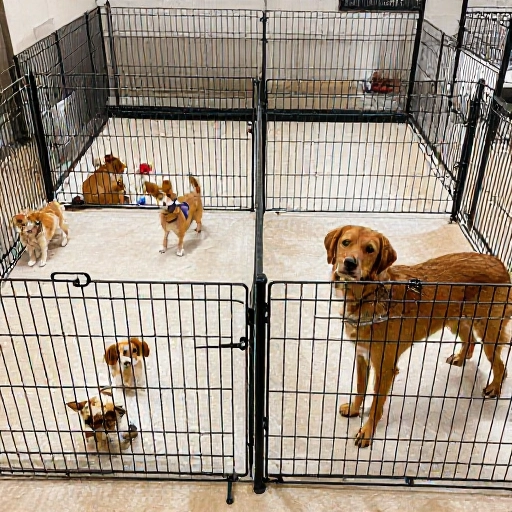
Size matters when you’re managing a group of boarders. A playful Great Dane can accidentally hurt a Chihuahua. I learned to separate my yard into two zones with a solid fence and a visual barrier.
Small dogs get their own space with lower obstacles and gentler play. Large dogs have room to run. I rotate groups throughout the day so everyone gets outdoor time.
- Use double fencing or a solid panel between yards.
- Create separate entry gates for each zone.
- Keep water and shade in both areas.
8. Add a Digging Pit or Sandbox
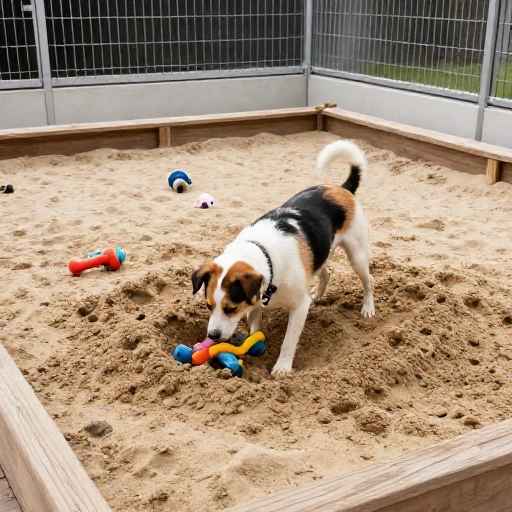
Dogs love to dig. If you fight it, they’ll destroy your lawn. So I gave them a designated digging pit filled with play sand. Now they dig there instead of everywhere else.
I buried a few toys and treats in the sand to make it exciting. It’s a simple trick that saves my grass and keeps dogs entertained for hours.
- Use child-safe play sand, not construction sand.
- Frame the pit with untreated wood or stones.
- Cover it at night to keep neighborhood cats out.
9. Install Dog Doors for Indoor-Outdoor Access
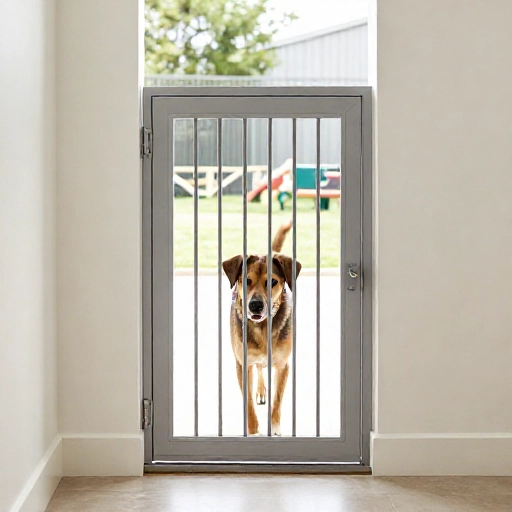
Freedom to move inside and out reduces stress for boarding dogs. I installed dog doors that lead from my climate-controlled indoor kennel to the play yard. Dogs can potty, play, or nap whenever they want.
This also saves me time. I don’t have to constantly open and close doors. Just make sure the doors are sturdy and the indoor space is secure.
- Choose doors with magnetic flaps for a tight seal.
- Add a ramp if there’s a step up or down.
- Train dogs to use them with treats and praise.
10. Use Night Lighting and Security Cameras
Evening play is great for dogs who nap all day. I added solar path lights and a few motion-sensor floodlights around my yard. Now I can supervise safely after sunset.
I also mounted security cameras. They help me spot escape attempts, fence damage, or a dog who’s not feeling well. It’s a small investment that pays off in peace of mind.
- Use warm, low-glare lights to avoid startling dogs.
- Place cameras at gate entries and water stations.
- Check footage regularly for behavior patterns.
Bring It All Together for a Play Yard That Sells Itself
You don’t need every single one of these ideas to run a successful dog boarding business. Start with safety and shade, then add fun features as your budget allows. The goal is a yard where dogs feel safe, curious, and tired in the best way.
When clients see a thoughtful play yard, they trust you more. They book again. They tell their friends. And you get to spend your days watching happy dogs run, dig, and splash. That’s a win for everyone.
Frequently Asked Questions About Dog Boarding Play Yards
How big should my outdoor play yard be?
Bigger is better, but even a small yard can work if you use vertical space and rotate playgroups. I recommend at least 500 square feet per group of five small dogs, or 1,000 square feet for large dogs.
What’s the safest ground surface for a dog play yard?
Artificial turf with good drainage, pea gravel, or packed dirt are all safe. Avoid concrete for long play sessions because it’s hard on joints. I use a mix of turf and sand.
How often should I clean the play yard?
Pick up poop daily. Rinse splash zones and pools every day. Disinfect high-traffic areas and turf weekly with a pet-safe cleaner. Deep clean monthly.
Can I use real grass instead of artificial turf?
Absolutely. Real grass is great if you can maintain it. But with multiple dogs, it turns to mud fast. I switched to turf for lower maintenance, but many boarding businesses do fine with grass and rotation.
What if a dog escapes the play yard?
Prevention is key: double gates, secure fencing, and regular checks. But always have a backup plan. Keep leashes by the gate, train a reliable recall, and have a microchip or ID tag on every dog.