Dog Vomiting vs Regurgitation: 10 Vet Questions That Reveal What’s Really Going On
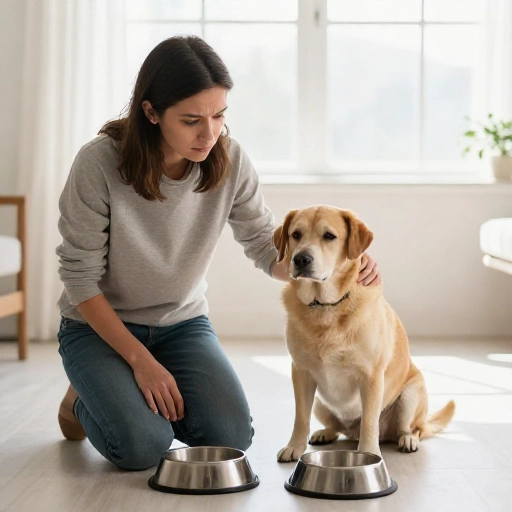
When my dog threw up, I used to grab a paper towel and panic. Was it something serious? Did he eat a toy? Was it just a stomach bug? Then I learned that vomiting and regurgitation are not the same thing. Not even close.
Vomiting is active. Regurgitation is passive. One comes from the stomach, the other from the esophagus. The difference can change everything your vet wants to check next.
Vets don’t just want to hear “my dog is throwing up.” They ask specific questions for a reason. Here are the details they’ll want, plus how to notice them without turning your home into a crime scene.
1. Why the Difference Between Vomiting and Regurgitation Matters
Vomiting comes from the stomach or upper intestine. It’s an active process. Your dog usually feels nauseous, may drool, lick their lips, swallow hard, and then retch. The belly contracts. It’s a full-body effort.
Regurgitation comes from the esophagus. It’s passive. Food or liquid basically slides back up and out, often with no warning and no heaving. Your dog might look surprised, then go back to normal.
Why does this matter so much? Because the possible causes change. Vomiting can point to stomach upset, pancreatitis, foreign objects, infections, or toxins. Regurgitation can point to esophageal issues, swallowing problems, or megaesophagus. Your vet’s next steps depend on which one is happening.
2. What Vomiting Usually Looks Like in Dogs
When my dog truly vomits, I see a build-up. He paces, drools, licks the air, and makes that unmistakable heaving sound. His belly tightens and rolls. Then comes the vomit.
The content can be digested food, yellow bile, white foam, or partially digested treats. It may smell sour or like stool if it’s been sitting in the gut. Sometimes there’s blood, which can look bright red or like coffee grounds.
After vomiting, many dogs look tired, shaky, or relieved. Some immediately try to eat it, which is gross but common. The key clue is the active effort before anything comes up.
3. What Regurgitation Usually Looks Like in Dogs
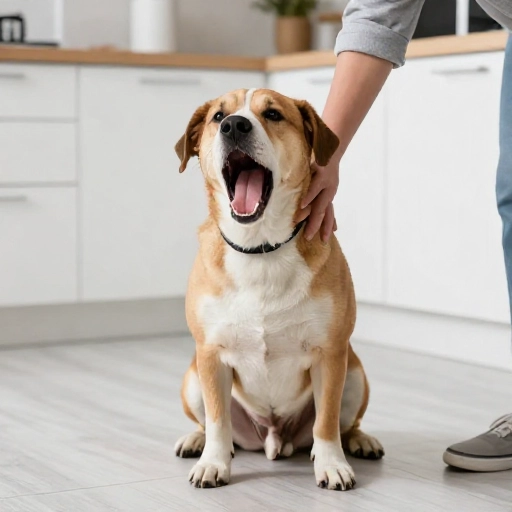
Regurgitation is quieter. I’ve seen it happen mid-walk or right after breakfast. My dog lowered his head, and a tube-shaped piece of undigested food just appeared. No retching. No belly contractions. No warning.
The material often looks like it did going in: whole kibble, chewed treats, clear liquid, or white foam. It may be covered in a little mucus. It usually doesn’t smell as sour as vomit.
Some dogs cough or gag right before, which can confuse us. But the big clue is the lack of active heaving. If it slides out, think regurgitation first.

4. The Timing Clue: When Did It Happen After Eating?
Your vet will ask how long after eating the episode happened. That timing is a huge clue. Vomiting can happen at any time, but it often relates to meals, an empty stomach, or something they ate.
Regurgitation often happens soon after eating or drinking. It can be minutes to hours later, especially if the esophagus is weak or dilated. If food comes back up almost as soon as it goes down, that’s a red flag for regurgitation.
I started noting the exact time of meals and episodes on my phone. It felt a little obsessive, but my vet appreciated it. “Thirty minutes after breakfast” tells a different story than “sometime last night.”

5. The Content Clue: What’s Coming Up?
Look at what actually came out. Was it undigested food, bile, foam, blood, or something weird? Is there a shape to it? This is not the most glamorous part of dog parenting, but it’s important.
Undigested food and tube shapes point more toward regurgitation. Digested food, bile, and foam are more common with vomiting. Bile is often yellow and can show up when the stomach is empty.
- Bright red blood: fresh bleeding, call your vet.
- Dark, coffee-ground material: digested blood, also urgent.
- Foreign objects or plastic: possible obstruction, call right away.
Take a photo if you can. I know it’s gross, but a picture helps your vet see color, texture, and amount. That beats trying to describe it over the phone while your dog tries to eat it again.
6. Body Language and Posture: The Vet’s Favorite Question
Vets love asking about posture because it separates active vomiting from passive regurgitation. Did your dog arch his back? Did his belly tighten? Did he retch and heave?
With vomiting, you’ll often see nausea signs: lip licking, drooling, swallowing, pacing, and sometimes eating grass. With regurgitation, your dog may just lower his head, stretch his neck, and out it comes. Some dogs don’t even stop walking.
I now describe it like a scene: “He was standing, he licked his lips three times, his belly pulled in, then he threw up.” That kind of detail helps more than “he puked.”

7. Frequency, Duration, and Pattern: Small Details, Big Clues
One episode is different from five episodes in an hour. Your vet will want to know how often it’s happening and how long it’s been going on. Hours, days, or weeks all change the urgency.
They’ll also ask about the pattern. Is it every meal? Every time he drinks water? Only at night? Only after running? A pattern can point to food sensitivity, reflux, esophageal disease, or something structural.
I keep a simple note on my phone: date, time, what came up, and what he ate before. It takes ten seconds, and it makes me feel less helpless when I call the clinic.

8. Triggers, Diet, and Environment: What Changed?
Your vet will ask if anything changed recently. New food, new treats, table scraps, garbage raids, medications, or even a new chew toy. Dogs are sneaky, and sometimes the trigger is in the trash.
They may also ask about water intake, exercise, and stressful events. Some dogs vomit from anxiety or motion sickness. Others regurgitate because they eat too fast or swallow air while gulping.
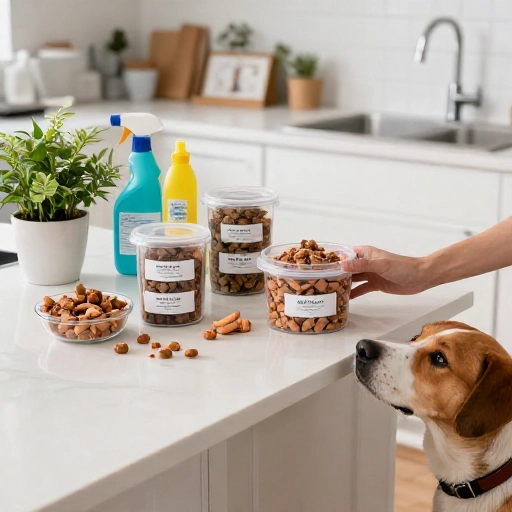
I learned to bring the food bag label and a list of treats. It sounds simple, but it helps the vet spot ingredients, fat content, or possible toxins. If you don’t know what your dog got into, say so honestly.
9. Other Symptoms That Change the Urgency Level
Vomiting or regurgitation alone can be mild. But combined with other signs, it can become an emergency. Your vet will ask about energy, appetite, stool, and hydration.
- Bloody diarrhea or black stool
- Bloated, painful belly
- Weakness, collapse, or seizures
- Repeated unproductive retching, especially in large dogs
- Known or suspected toxin exposure
If you see any of these, call your vet or an emergency clinic right away. I’d rather be the person who called too soon than the one who waited too long. Trust your gut, and don’t let guilt stop you from getting help.

10. What to Record Before You Call the Vet
Before you dial, grab your phone and write down the basics. Time, frequency, what it looked like, and your dog’s behavior. This turns a panicked call into a useful conversation.
I also take a quick video if it’s safe. Seeing the posture and sound helps the vet decide whether it’s vomiting or regurgitation. Don’t force it if your dog is distressed, but a five-second clip can be gold.
Have your dog’s age, weight, medications, and recent diet changes ready. Mention any possible toxins, bones, toys, or trash. The more precise you are, the better your vet can guide you on whether to come in or monitor at home.

Final Thoughts: You Know Your Dog Best
Learning the difference between dog vomiting and regurgitation changed how I handle messy moments. I stopped guessing and started observing. That doesn’t mean I never worry, but I know what details matter.
Your vet isn’t trying to quiz you. They’re gathering clues. When you can say “he heaved three times” or “it slid out with no warning,” you’re giving them a shortcut to the right questions and the right tests.
When in doubt, call your vet. A quick conversation can ease your mind or get your dog help fast. And if this helped, save it to your dog health board for later.
FAQ: Dog Vomiting vs Regurgitation
What’s the main difference between vomiting and regurgitation in dogs?
Vomiting is active. Your dog retches, heaves, and uses belly muscles. Regurgitation is passive. Food or liquid slides up from the esophagus with little or no effort.
Is regurgitation always an emergency?
Not always, but it should never be ignored. Occasional regurgitation can happen, but repeated episodes, weight loss, or trouble swallowing need a vet visit. It can be a sign of esophageal disease.
Can I tell if my dog vomited bile or regurgitated food?
Bile is usually yellow and can appear with vomiting on an empty stomach. Regurgitated food often looks undigested, sometimes tube-shaped, and may be coated in mucus. Timing and posture help confirm it.
Should I bring a sample to the vet?
Ask first. Many vets prefer a photo or video instead. If they want a sample, use a clean container and keep it cool. Never handle vomit with bare hands if you can avoid it.
When should I call the vet immediately?
Call right away for repeated episodes, blood, bloated belly, weakness, suspected toxin or foreign object, or unproductive retching. Those can be emergencies.