Reactive Dog Gear for Calmer Walks: 10 Must-Have Tools That Changed Our Daily Strolls
Walking my reactive dog used to feel like a full-contact sport. Every leash walk was a gamble: would we make it around the block without a meltdown? I tried everything from training classes to calming chews, but the real shift happened when I finally found the right gear.
I’m not saying a new harness magically cured my dog’s reactivity. It didn’t. But the right tools gave me better control, kept my dog safe, and helped us both stay calm enough to actually practice training. If you’re in the same boat, these 10 pieces of reactive dog gear are worth every penny.
Below, I’ll share what worked for us, why it works, and how to use each item without making things worse. Let’s make those walks calmer together.
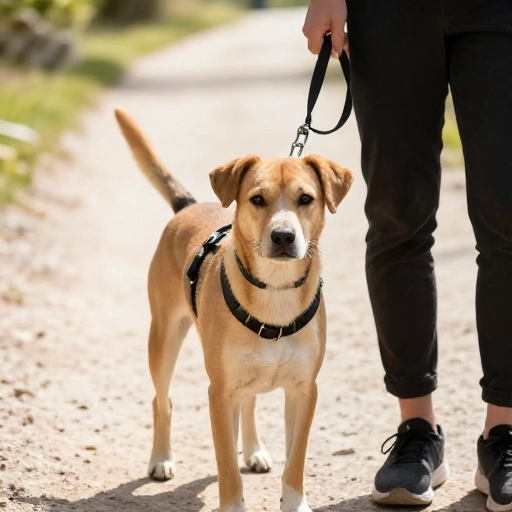
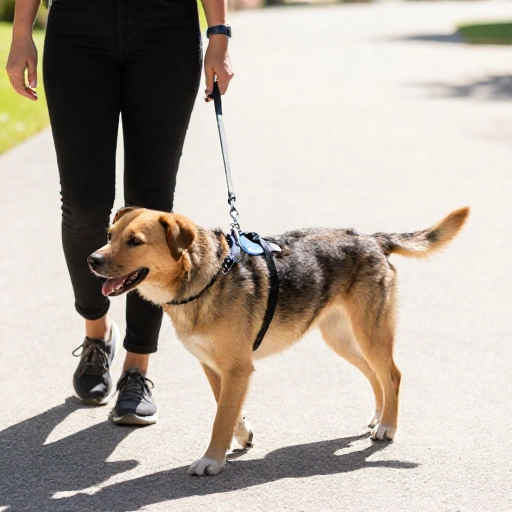
1. Front-Clip No-Pull Harness: The Cornerstone of Calm Walks
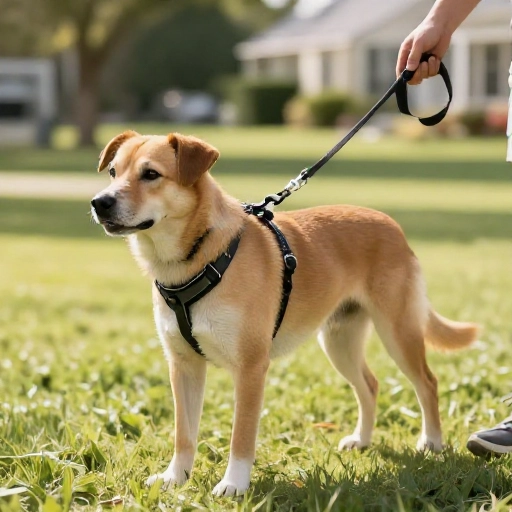
If you buy only one thing from this list, make it a front-clip harness. When my dog lunged, a back-clip harness actually made it worse—it gave him leverage to pull harder. A front-clip design redirects his momentum sideways instead.
I noticed a difference on the very first walk. He couldn’t drag me across the street, and I could steer him away from triggers with gentle pressure instead of yanking. Look for one with padded straps and a sturdy metal ring.
Just remember: no harness is a substitute for training. But it buys you the seconds you need to create space and reward calm behavior.
2. Double-Ended Leash: Two Points of Control, One Calm Handler
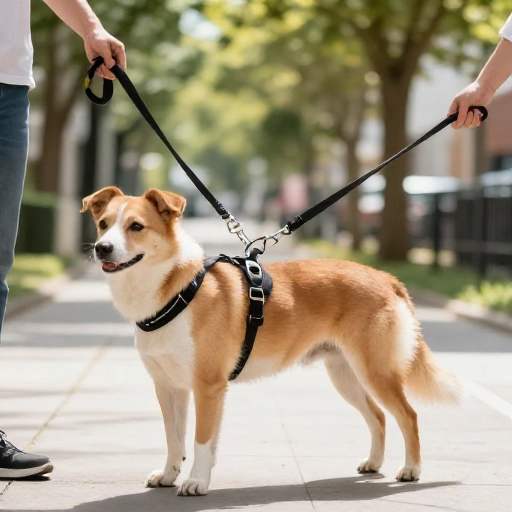
A double-ended leash has clips on both ends. I attach one to the front of his harness and one to his collar or back ring. This setup gives me so much more control without choking him.
When he starts to stare at another dog, I can gently guide him away using the front clip. The back clip keeps him secure if he suddenly bolts. It’s like having a backup plan built into every step.
I use a 6-foot double-ended leash with a floating handle. It’s long enough for sniffing but short enough to reel him in fast.
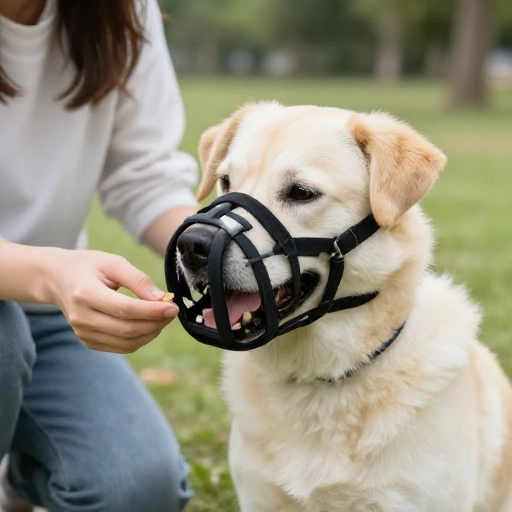
3. Basket Muzzle: Safety for Your Dog and Peace of Mind for You
I know muzzles can look scary, but a basket muzzle is one of the kindest tools for a reactive dog. It protects everyone if your dog ever snaps out of fear. And it keeps people from letting their off-leash dogs run up to you.
My dog wears a lightweight basket muzzle on every walk now. He can pant, drink, and take treats through it. The first week was awkward, but with peanut butter smeared inside, he started shoving his face in happily.
The bonus? When other people see the muzzle, they give us space. That alone reduces so much stress for both of us.
4. Head Halter: Gentle Steering for Big Feelings
A head halter, like a Gentle Leader, works a bit like a horse’s halter. It controls the head, so if your dog turns his head, his body follows. For a reactive dog who locks onto a trigger, this can break the stare instantly.
That said, it’s not for every dog. My dog hated it at first, and I had to do weeks of desensitization with treats. But once he accepted it, walks became far more manageable. I could redirect him with just two fingers.
Never use a head halter with a flexi leash or let your dog lunge while wearing it. The pressure can hurt their neck. Use it with a double-ended leash for safety.
5. High-Value Treat Pouch: Your Secret Weapon for Redirection
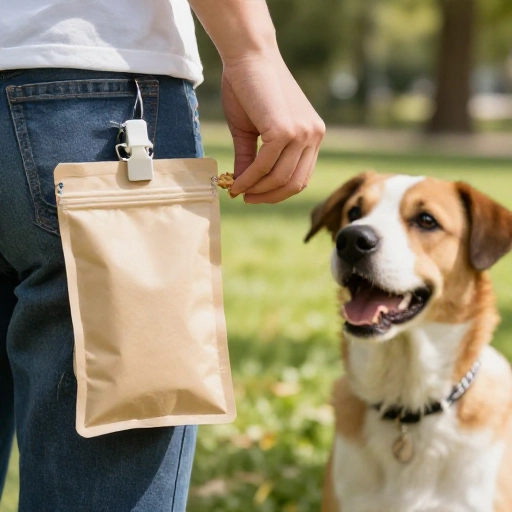
You can’t train a reactive dog without treats. But if you’re fumbling in your pocket while your dog is barking, you’ve already lost the moment. A hands-free treat pouch changed everything for me.
I clip it to my waist and fill it with tiny bits of boiled chicken or cheese—something way more exciting than kibble. When I see a trigger, I start shoveling treats before my dog even reacts. It’s called “treat scattering,” and it works.
Look for a pouch with a magnetic closure that opens easily with one hand. You want to grab a treat in a split second.
6. Yellow “I Need Space” Vest or Bandana: A Visual Warning
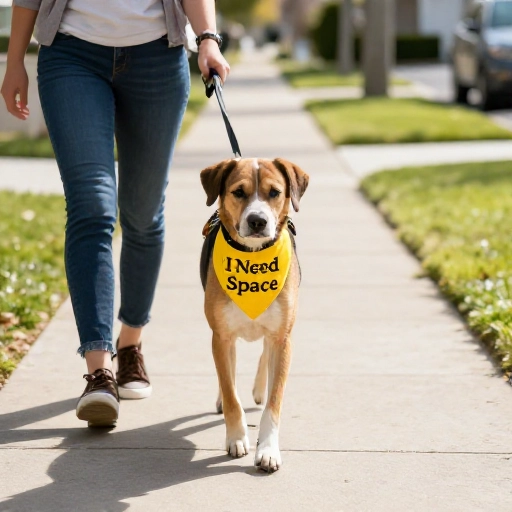
Not all dog owners understand reactivity. They see my dog barking and think he’s aggressive or unfriendly. A bright yellow bandana or vest that says “I NEED SPACE” or “REACTIVE DOG” saves me from constantly explaining.
I bought a simple yellow vest online, and the difference was immediate. People call their dogs back. They give us a wider berth. Some even say “thank you for the warning.”
It’s not a cure, but it’s a polite way to ask for the space your dog needs to stay calm.
7. Hands-Free Waist Leash: Better Body Language, Less Tension
When I hold a leash in my hand, I tense up. My dog feels that tension through the leash and gets more anxious. A waist leash changed the whole dynamic.
With the leash around my hips, my hands are free to reward, open doors, or just swing naturally. My body stays loose, and my dog picks up on that calm energy. I can also brace my core if he lunges, which prevents my shoulder from getting yanked.
I use a waist leash with a bungee section. It absorbs sudden jerks and makes the walk feel smoother for both of us.
8. Padded Harness with a Handle: Quick Lifts for Tricky Moments
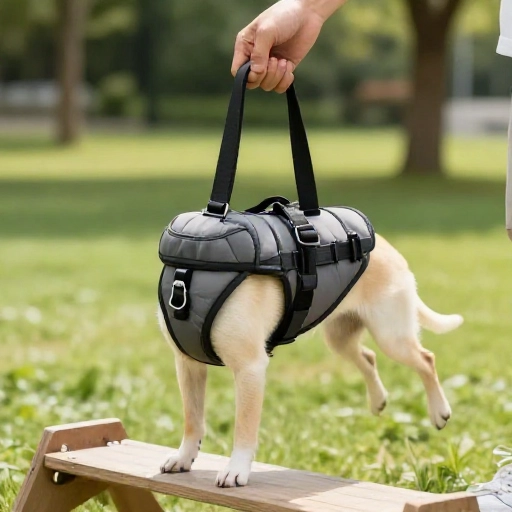
Sometimes you just need to get your dog out of a situation fast. That’s where a padded harness with a sturdy handle on the back comes in. If a loose dog charges us, I can grab the handle and lift my dog to safety.
I also use the handle to guide him over obstacles or help him into the car when he’s too stressed to jump. The padding keeps him comfortable, and the handle gives me confidence.
Make sure the handle is reinforced and can hold your dog’s weight. It’s not for lifting a large dog for long distances, but for a quick scoop it’s priceless.
9. Clicker or Marker Word: Capturing Calm in the Chaos
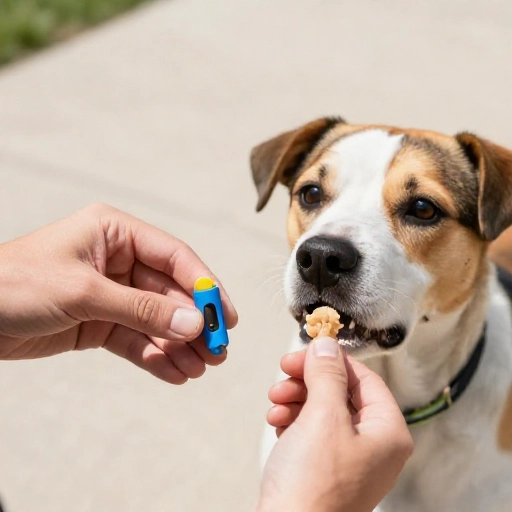
A clicker is tiny, but it’s powerful gear for reactive dogs. It lets you mark the exact moment your dog looks at a trigger and then looks back at you. That moment of disengagement is what you want to reward.
I keep my clicker on a wristband so it’s always ready. The click means “yes, that’s what I want” and is followed by a treat. After a few weeks, my dog started offering that check-in without me asking.
If you don’t like clickers, use a marker word like “yes” or “good.” The key is consistency and timing.
10. Calming Vest or Anxiety Wrap: A Hug for Nervous Walkers
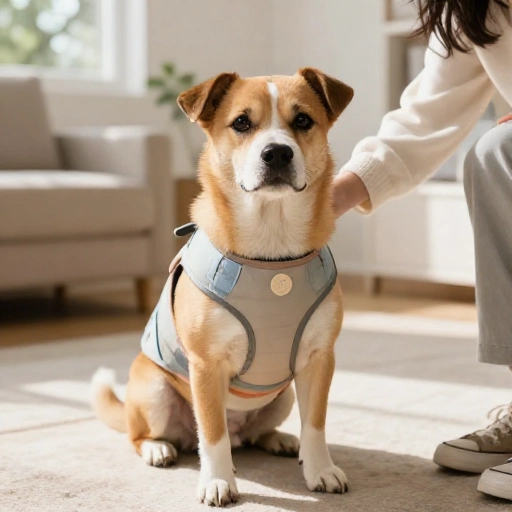
Some reactive dogs are reactive because they’re anxious. A calming vest applies gentle, constant pressure that can lower heart rate and reduce stress. It’s like a weighted blanket for your dog.
I use a ThunderShirt on days when my dog seems extra on edge. It doesn’t replace training, but it takes the edge off. He shivers less and recovers faster after a trigger.
Put it on 20-30 minutes before the walk so the calming effect kicks in. Make sure it fits snugly but not too tight—you should be able to fit two fingers under the straps.
Conclusion: The Right Gear Makes Calm Walks Possible
None of these tools are magic. My dog is still reactive, and we still have hard days. But with the right gear, I can manage those hard days without losing my cool or my grip on the leash.
Start with a front-clip harness and a double-ended leash. That combo alone will change your walks. Then add tools as you need them—muzzle for safety, treats for training, yellow vest for space.
You and your dog deserve peaceful walks. With a little patience and the right equipment, they’re absolutely possible.
Frequently Asked Questions About Reactive Dog Gear
1. What is the best harness for a reactive dog?
Most trainers recommend a front-clip harness with padded straps. It gives you control without putting pressure on your dog’s throat. Look for one with a metal front ring and a back attachment point for a double-ended leash.
2. Should I use a muzzle on every walk?
Not necessarily. Some dogs only need a muzzle in high-risk situations. I use one on every walk because it gives me peace of mind and keeps other people away. But it’s a personal choice—talk to your vet or trainer.
3. Can a head halter hurt my dog’s neck?
If used correctly and introduced slowly, a head halter is safe. The danger comes from sudden lunges or using it with a retractable leash. Always pair it with a backup collar or harness and never yank on it.
4. Do calming vests really work for reactive dogs?
They work for some dogs, not all. If your dog’s reactivity is fear-based, a calming vest can help reduce anxiety. It’s not a cure, but it can make training easier. Try one during a low-stress time first.
5. What if my dog refuses to wear any gear?
Go slow. Introduce each item with treats and short sessions. For a harness, put it on for 5 seconds, treat, take it off. Gradually increase time. If your dog is still terrified, consult a positive reinforcement trainer.