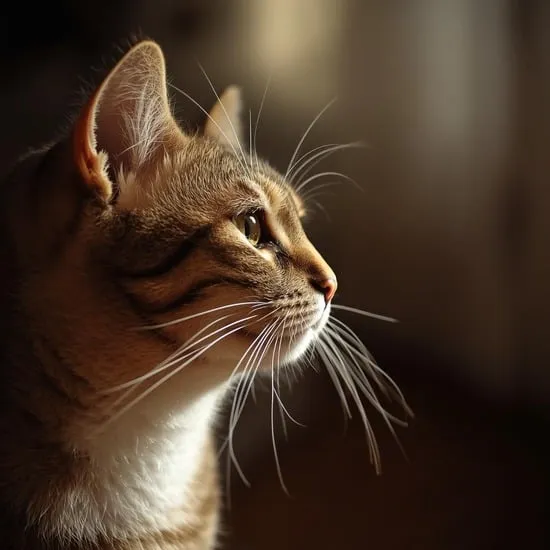
Do You Have a Scared Cat? Here’s What Helped Me
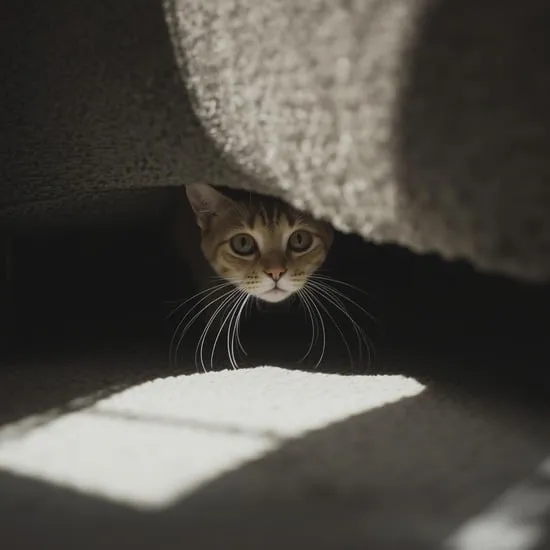
When I first realized I had a scared cat, my heart honestly sank. She hid under the bed, jumped at every sound, and avoided eye contact like I had done something wrong. Learning that many cats feel fear easily helped me stop blaming myself and start helping her 🐾.
If you’re here from Pinterest asking yourself, “Do you have a scared cat?”—you’re not alone. I’m sharing what I learned through patience, mistakes, and small wins that slowly changed everything for us.
1. Understanding Why Your Cat Is Scared
I had to accept that fear doesn’t come from nowhere. Loud noises, past trauma, new environments, or even sudden routine changes can deeply affect a cat. Once I started observing instead of reacting, patterns became clearer.
Understanding the cause is the first step if you have a scared cat. Fear makes sense when you see the world through their eyes.
2. Creating Safe Hiding Spaces
I stopped pulling my cat out of hiding and instead made those hiding spots feel safe. Covered beds, boxes, and quiet corners became her comfort zones.
If you have a scared cat, giving them control over where they feel safe builds confidence faster than forcing interaction.

3. Keeping a Calm and Predictable Routine
Once feeding, play, and rest happened at the same time every day, my cat relaxed more. Predictability reduced her anxiety noticeably.
Routine is grounding. It’s one of the most powerful tools if you have a scared cat who needs emotional security.
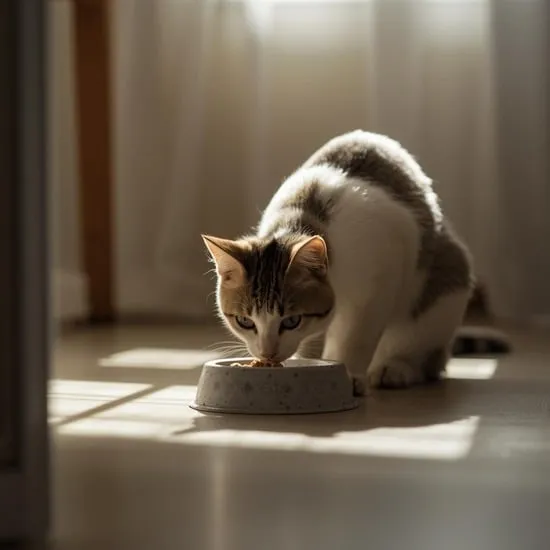
4. Letting Your Cat Set the Pace
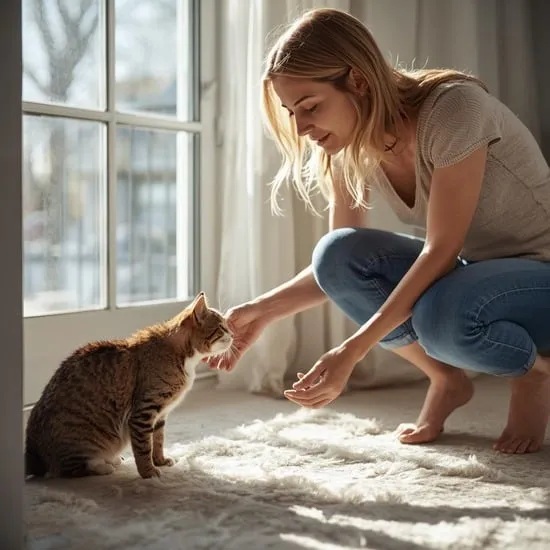
I learned to stop reaching out constantly. Instead, I waited. When my cat chose to approach me, it felt like a huge breakthrough.
Trust grows when your cat feels respected. This matters deeply if you have a scared cat learning to feel safe again.
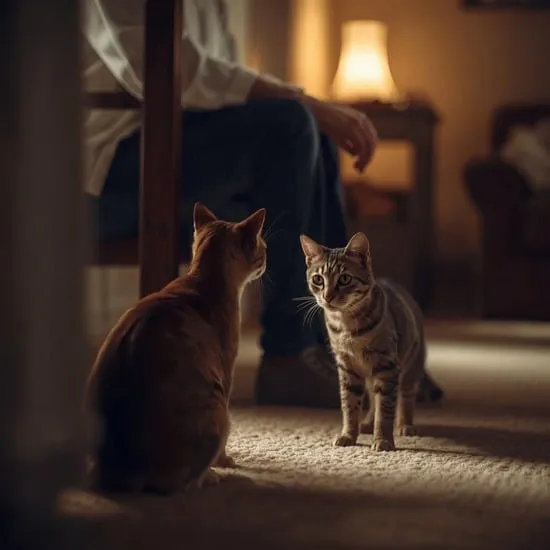
5. Using Soft Voices and Slow Movements
Fast movements and loud voices kept triggering fear. Slowing down changed how my cat reacted to me almost immediately.
Your energy sets the tone. Staying calm helps immensely when you have a scared cat watching your every move.
6. Encouraging Play Without Pressure
I introduced wand toys from a distance so my cat could play without feeling threatened. Play slowly replaced fear with curiosity.
This gentle engagement is especially helpful if you have a scared cat who needs confidence without contact.

7. Celebrating Small Wins
The first time my cat sat in the same room as me, I nearly cried. Progress was slow, but every tiny step mattered.
If you have a scared cat, remember healing isn’t loud or fast—it’s quiet, gradual, and incredibly meaningful ❤️.

Living with a scared cat taught me patience, empathy, and trust. If you’re asking yourself, “Do you have a scared cat?” know this—fear can soften with time, love, and consistency 🐱.