14 DIY Extra Tall Pet Gates You Can Build (That Actually Look Good)
If you have a large dog or a determined jumper, you know the struggle of standard pet gates. They’re either too short for a Great Dane or too flimsy for a husky who sees a gate as a challenge. I’ve been there, standing in the pet aisle wondering why nothing fits my tall, four-legged escape artist.
The good news? You can build your own extra tall pet gate for a fraction of the cost of a store-bought one. Not only will it fit your exact doorway, but you can also make it look like a natural part of your home instead of an eyesore. These 14 DIY projects range from simple tension gates to elegant barn-style doors.
Let’s get building. Your tall dog (and your sanity) will thank you.
1. The Classic Tension Gate (Extra Tall Version)
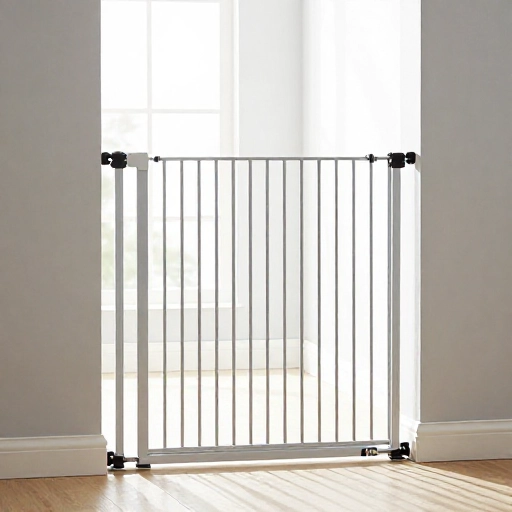
This is the easiest project on the list. Use 1×4 pine boards and a tension rod system. Cut your frame to fit your doorway width, then add vertical slats every 3 inches. For the tension, install spring-loaded plungers at the top corners. No screws into your wall frame needed.
Make it at least 42 inches tall. For jumpers, go to 48 inches. Sand everything smooth and paint it to match your trim. This one is perfect for renters who can’t damage walls. It takes about two hours from start to finish.
2. The Barn Door Slider
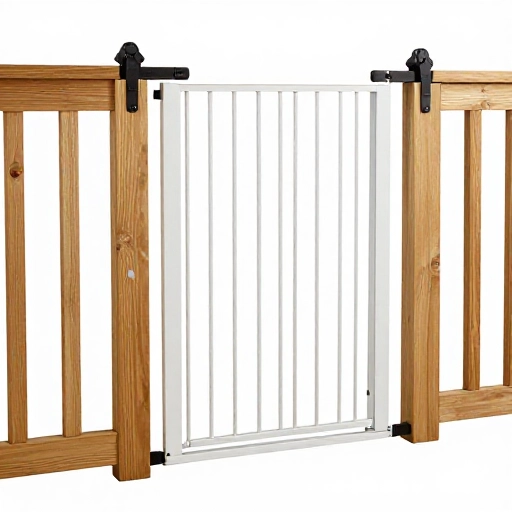
This is my favorite for wide openings like kitchen doorways or hallway entries. Build a simple wood frame with horizontal planks and a cross brace for that farmhouse look. Mount a heavy-duty sliding door track above the opening.
Make the door 48 inches tall or higher. Use thick pine or plywood so it doesn’t warp. Add a handle on both sides so you can slide it open easily. This gate is sturdy enough to stop even the most determined dog, and it looks like intentional decor.
3. The Lattice Screen Gate
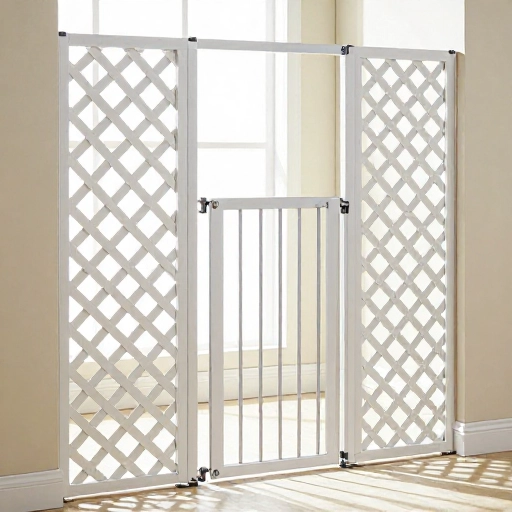
For a lightweight but tall option, use a sheet of wooden lattice. Cut it to your doorway height (I recommend 48 inches) and build a simple frame around it using 2×2 lumber. Attach hinges to one side and a hook latch to the other.
The lattice gives your dog a view through the gate, which reduces anxiety for separation-sensitive pups. Paint it white for a cottage feel or stain it dark for a modern look. This one is surprisingly strong for how light it feels.
4. The Pallet Wood Rustic Gate
Free pallets are everywhere, but you need to pick good ones. Look for pallets marked “HT” (heat treated) and avoid chemically treated ones. Disassemble the pallet and cut the planks to equal lengths. Build a frame using 2x4s and attach the pallet planks horizontally.
Make this gate 48 inches tall. Leave small gaps between planks so smaller dogs can’t squeeze through. The rustic, weathered look is perfect for farmhouse or cabin-style homes. Sand down any splinters before using.
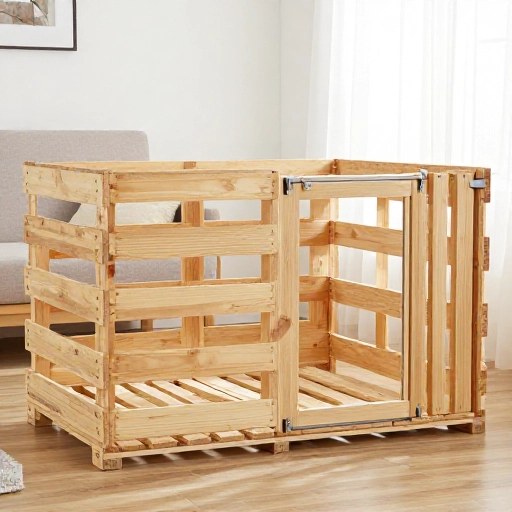
5. The Plexiglass View Gate
This is ideal if your dog likes to see what’s happening but you want a clean, modern look. Build a wood frame just like a picture frame, then install a sheet of thick plexiglass (at least 1/4 inch) inside. Use small screws and L-brackets to hold it secure.
Go tall—48 inches minimum. The plexiglass is easy to clean with a damp cloth, which is great for drooly dogs. This gate also lets light pass through, so your hallway won’t feel dark and cramped.
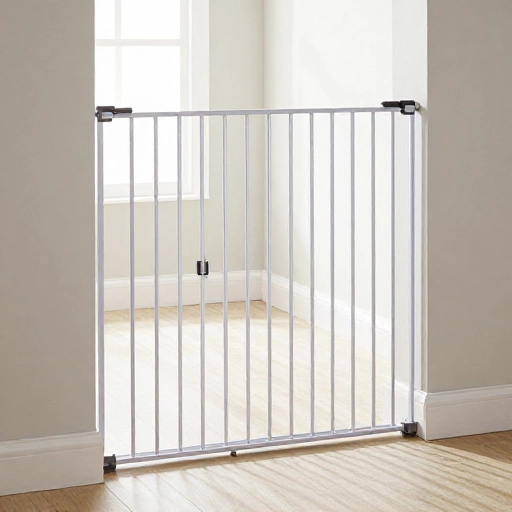
6. The Folding Accordion Gate
If you need to move the gate often or store it away, this design is for you. Build three or four narrow panels (about 12 inches wide each) and connect them with hinges. Attach a magnetic latch to the final panel so it closes securely.
Make each panel 48 inches tall. Use thin slats with gaps so the gate folds flat when not in use. This is great for families who need to temporarily block off rooms during puppy training but want the option to remove it later.
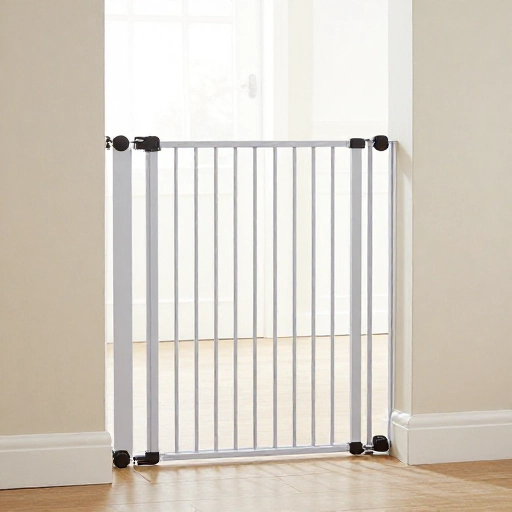
7. The Extra Wide Double Gate
For doorways wider than 36 inches, a single gate is too heavy. Build two matching gates that meet in the middle. Each gate should be half the width of your opening. Use heavy-duty hinges and a double-action latch that catches both gates.
Make them 48 inches tall. Reinforce the frame with cross braces to prevent sagging. This is the gate for Great Dane owners or anyone with a very wide hallway. Plus, you only need to open one side to walk through.
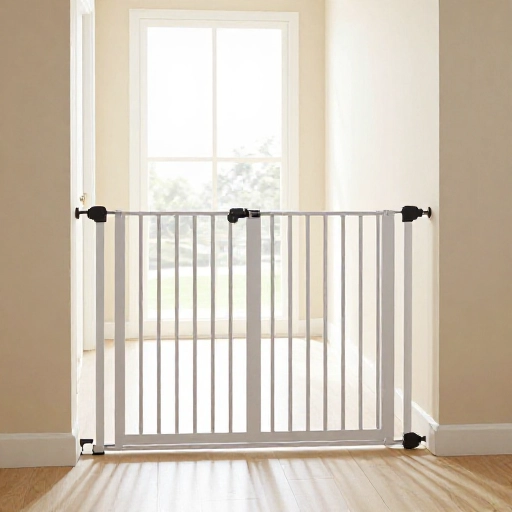
8. The Slim PVC Frame Gate
PVC trim board is lightweight, waterproof, and easy to work with. Cut four pieces to form a frame, then add vertical slats every 4 inches. Glue and screw everything together. The white PVC looks clean and modern without needing paint.
Make this 48 inches tall. PVC won’t rot or warp, so this gate will last for years. It’s also easy to wipe down—perfect for messy dogs. Use a spring-loaded latch for easy one-handed opening.
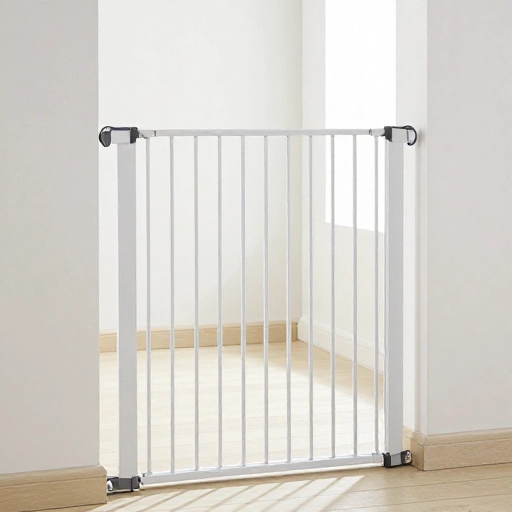
9. The Reclaimed Door Gate
Find an old solid wood door at a thrift store or salvage yard. Cut it down to 48 inches tall (or keep it taller). Add hinges to one side and a simple latch to the other. The door’s existing hardware can be a feature.
This is the most unique gate on the list. Each reclaimed door has its own character, paint layers, and history. Sand it lightly and seal it with a clear coat. Your dog will be stopped by solid wood, not flimsy mesh.
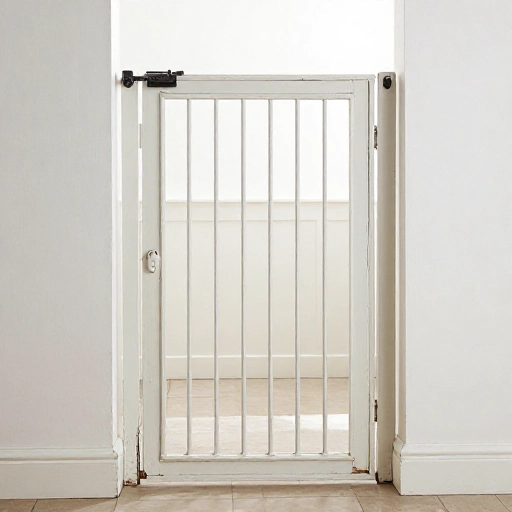
10. The Spindle Style Gate
Buy wooden spindles from a home improvement store (the kind used for stair railings). Cut them to 48 inches. Build a top and bottom rail from 1×4 lumber, then insert the spindles every 3 inches. Glue and nail each one.
This gate looks like part of your home’s original woodwork. Paint it white for a classic look or stain it to match your existing trim. The vertical spindles give a clean, elegant appearance that doesn’t scream “pet gate.”
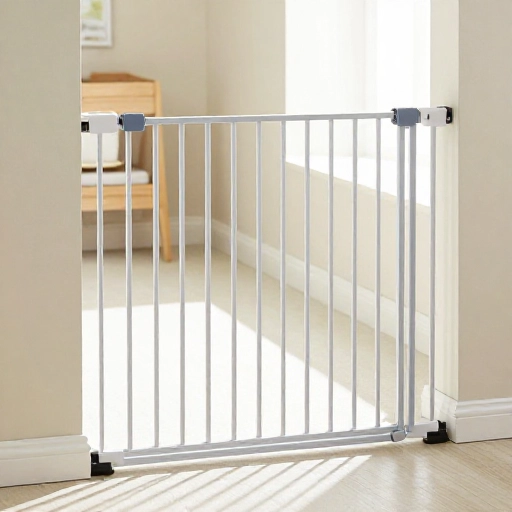
11. The Mesh and Frame Gate
For a lightweight, see-through option, build a simple wood frame and stretch heavy-duty wire mesh (like hardware cloth) across it. Staple the mesh to the back of the frame and cover the edges with trim. Use a tension latch to keep it closed.
Make the frame 48 inches tall. This is great for small dogs or puppies who don’t need a solid barrier. The mesh allows airflow and visibility. Use galvanized mesh to prevent rust if the gate is near a bathroom or kitchen.
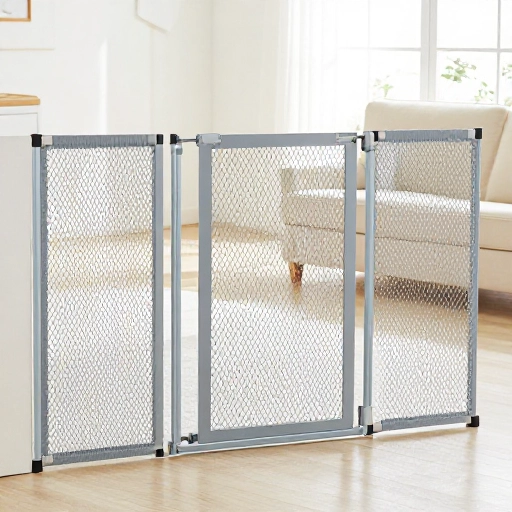
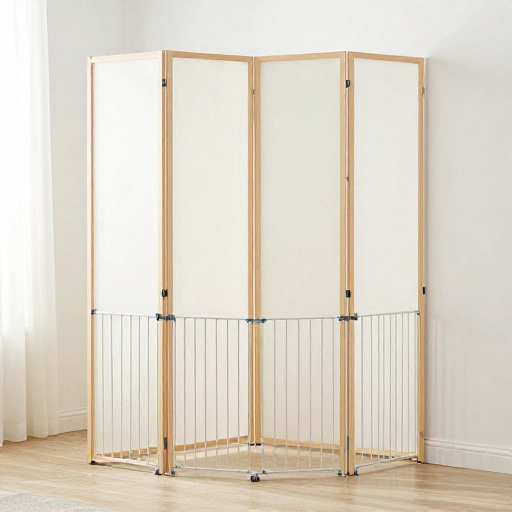
12. The Tall Freestanding Room Divider
If you can’t attach a gate to your walls, build a freestanding panel. Use 2x4s to create a base that’s wider than the panel itself (for stability). Build the panel 48 inches tall and 36 inches wide. Cover it with fabric or leave it as slats.
This is perfect for open floor plans where you want to block a section without drilling. Add decorative molding to make it look like furniture. Your dog won’t tip it over if the base is heavy enough. Add sandbags for extra stability.
13. The Cat-Friendly Tall Gate
Have both dogs and cats? Build a tall gate with a small cat door built in. Make the main gate 48 inches tall. Cut a 6×8 inch opening near the bottom of the gate. Add a small flap or just leave it open.
This way, your cat can escape to a safe zone while your dog stays put. Build the cat door with a simple frame and a curtain flap if your cat prefers privacy. This is a game-changer for multi-pet households.
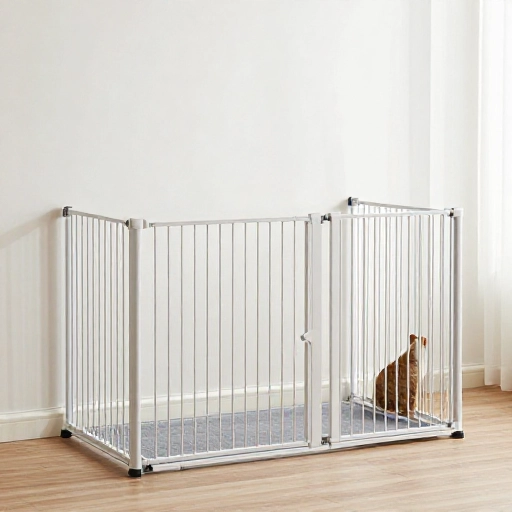
14. The Decorative Crate Gate
Use wooden crates (new or reclaimed) to build a modular gate. Stack two or three crates side by side and secure them together with screws. Add a wood frame around the whole assembly for stability. Attach hinges to one side and a latch to the other.
Make sure the total height is at least 48 inches. The crates create built-in storage—perfect for holding leashes, toys, or shoes. This gate is both functional and decorative, turning a necessity into a design feature.
Conclusion
Building your own extra tall pet gate isn’t just about saving money—it’s about creating something that actually works for your home and your dog. Whether you need a tension gate for a rental or a barn door for a wide opening, there’s a project here for you.
Take your time measuring your doorway. Always sand rough edges and use pet-safe paint or stain. Your dog might test the gate once or twice, but a well-built DIY gate will hold strong. You’ve got this.
Frequently Asked Questions
How tall should I make my DIY pet gate?
For most large dogs, 42 inches is the minimum. For jumpers or extra tall breeds like Great Danes, go with 48 inches or even 52 inches. Measure your dog’s standing height and add 6 to 12 inches for safety.
What type of wood is best for a DIY pet gate?
Pine is affordable and easy to work with. Oak or poplar is stronger but more expensive. For outdoor use, use cedar or pressure-treated wood. PVC trim is great for moisture-prone areas.
Can I build a gate without power tools?
Yes. You can use a hand saw, hammer, and screwdriver. It will take longer, but it’s possible. Pre-cut lumber from the store can help. A drill makes things easier but isn’t strictly necessary.
How do I make sure my dog can’t push the gate open?
Use a strong latch, preferably one that requires two steps to open (like a slide bolt or a hook and eye). For tension gates, make sure the pressure is tight against the wall. Add a bottom stop if your dog has learned to lift gates.
Can I paint my DIY pet gate to match my trim?
Absolutely. Sand the wood first, apply primer, then use latex paint. Let it cure for at least 48 hours before installing. For a stain finish, use wood stain and a clear polyurethane topcoat for durability.