Havanese Owners: Avoid These 3 Dog Food Mistakes That Ruin Their Coat & Health
When I first brought my Havanese puppy home, I thought I had the dog food thing all figured out. Pick a bag, pour a cup, done. But within weeks, her gorgeous silky coat started looking dull, and her energy just wasn’t there. After talking to my vet and doing some serious research, I realized I was making three very common mistakes that Havanese owners fall into.
Your Havanese isn’t just any dog — they have unique needs. Their long, flowing coat, small size, and sensitive stomachs mean the wrong food can cause real problems. I’m sharing these three mistakes so you can skip the trial and error I went through. Let’s get your pup’s bowl right, starting now.
Mistake #1: Feeding a Generic Small Breed Kibble
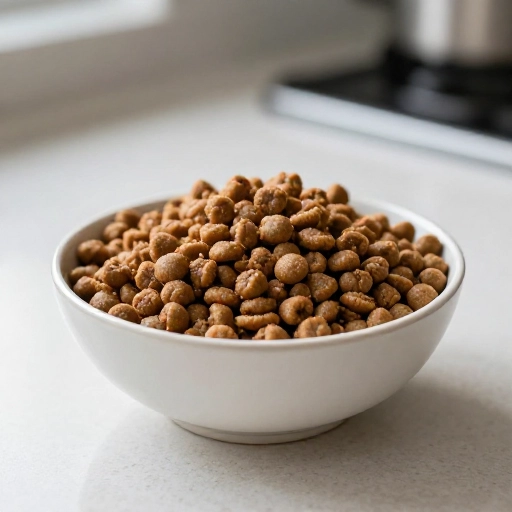
I used to grab any bag labeled “small breed.” Big mistake. Havanese dogs need specific nutrients for coat health and joint support. Many generic small breed foods are too high in fillers like corn and soy. These ingredients don’t give your Havanese the omega fatty acids they need for that signature silky coat. Look for food with real meat as the first ingredient, plus fish oil or flaxseed. Your pup’s skin and coat will thank you.
I switched to a limited ingredient diet with salmon and sweet potato. Within three weeks, my Havanese’s coat was softer and shinier than ever. Also, smaller kibble size matters — Havanese have tiny mouths, and oversized kibble can be hard to chew, leading to picky eating.
Mistake #2: Ignoring Probiotics and Digestive Enzymes
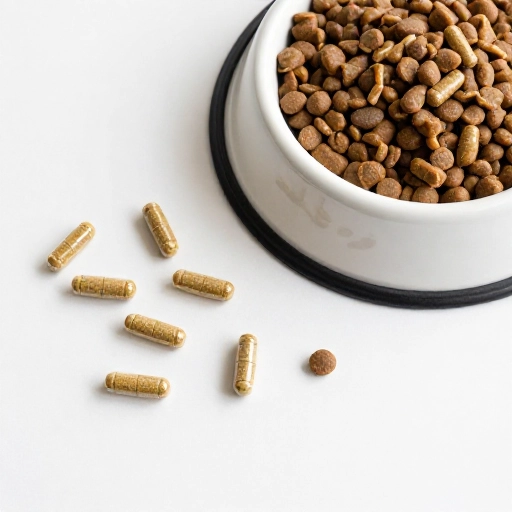
Havanese are notorious for sensitive stomachs. My dog used to have loose stools and gas all the time. I thought it was normal. It’s not. The second mistake is not including probiotics or digestive enzymes in their diet. These help break down food and support gut health. A healthy gut means better nutrient absorption and fewer tummy troubles.
I started adding a daily probiotic powder to her food. Now, no more rushing outside at 3 AM. Some high-quality dog foods already include probiotics, but you can also find plain, unsweetened yogurt or pumpkin puree as natural options. Just avoid anything with artificial additives. Your Havanese will digest food better and have more consistent energy.
Mistake #3: Overfeeding Treats or Table Scraps
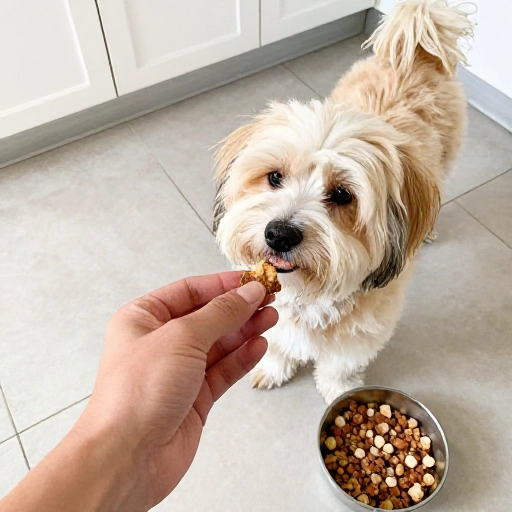
I love giving my Havanese little rewards, but I was overdoing it. Havanese are smart and will beg with those cute eyes, but too many treats or human food leads to weight gain and nutritional imbalance. This is mistake number three. Extra calories from treats can unbalance their diet, and some human foods (like grapes, onions, or garlic) are toxic. Even safe foods like cheese can cause digestive issues if given too often.
I switched to using her regular kibble as training treats and reserve special treats for rare occasions. Also, I measure her main meals to account for any extras. Your Havanese will stay at a healthy weight, and their coat will stay beautiful without the extra fat. Keep treats to less than 10% of their daily calories.
Why This Recipe Works for Your Havanese
This isn’t a recipe for a single meal — it’s a recipe for a feeding routine that works. By avoiding these three mistakes, you’re giving your Havanese the best chance at a healthy life. The right food supports their coat, digestion, and weight. I’ve seen the change in my own dog: more energy, softer fur, and a happier tummy. Plus, you’ll save money on vet visits for food-related issues. It’s simple, practical, and your Havanese will love you for it.
Conclusion
Feeding your Havanese doesn’t have to be complicated. Skip the generic kibble, add probiotics, and watch the treats. These three changes made a world of difference for my pup, and I know they will for yours too. Start small — pick one mistake to fix this week. Your Havanese’s happy tail wags will be your reward.

Frequently Asked Questions
1. Can I feed my Havanese a raw diet?
Some owners do, but it requires careful planning to ensure balanced nutrition. Consult your vet first, especially for puppies or seniors. Raw diets can be risky if not handled properly.
2. How much should I feed my Havanese daily?
It depends on their age, weight, and activity level. Generally, an adult Havanese needs about 1/2 to 1 cup of high-quality kibble per day, split into two meals. Check the bag’s guidelines and adjust based on your dog’s body condition.
3. What’s the best protein for a Havanese?
Chicken, salmon, turkey, or lamb are great options. Many Havanese do well with fish-based diets because of the omega-3s for coat health. If your dog has allergies, try a novel protein like duck or venison.
4. Are grains bad for Havanese?
Not necessarily. Whole grains like brown rice or oats can be healthy. Grain-free diets are only needed if your dog has a specific allergy. Many vets recommend grains for heart health unless your dog has issues.
5. How do I know if my Havanese has a food allergy?
Signs include itchy skin, ear infections, chronic diarrhea, or excessive licking of paws. If you notice these, try a limited ingredient diet for 8-12 weeks. Always work with your vet to rule out other causes.