12 Grain Free Cat Food: Good or Bad? My Honest Take
I remember standing in the pet food aisle, totally lost. Bags stacked high with “grain-free” labels, bright pictures of raw meat, and prices that made my wallet ache. I just wanted to know: is this stuff actually good for my cat, or is it a passing fad?
After months of research, talking to vets, and watching my own cat’s reaction, I’ve landed on some real answers. Grain-free cat food can be a total game-changer for some cats, but it’s not a magic cure-all for everyone. Let’s walk through the good, the bad, and the messy middle together.
1. The Protein Punch: Why Grain Free Can Feel Right
Cats are carnivores. Their bodies are built to digest meat, not corn or wheat. Grain-free food often packs a higher meat content, which can lead to better muscle tone and a shinier coat.
My own cat, Milo, used to have dull fur. After switching to a grain-free formula, his coat turned glossy within weeks. That protein boost gave him real energy.
But here’s the catch: not all grain-free foods are equal. Some replace grains with starchy veggies like potatoes or peas. You still want meat as the first ingredient.
2. The Carb Question: It’s Not Just About Grains
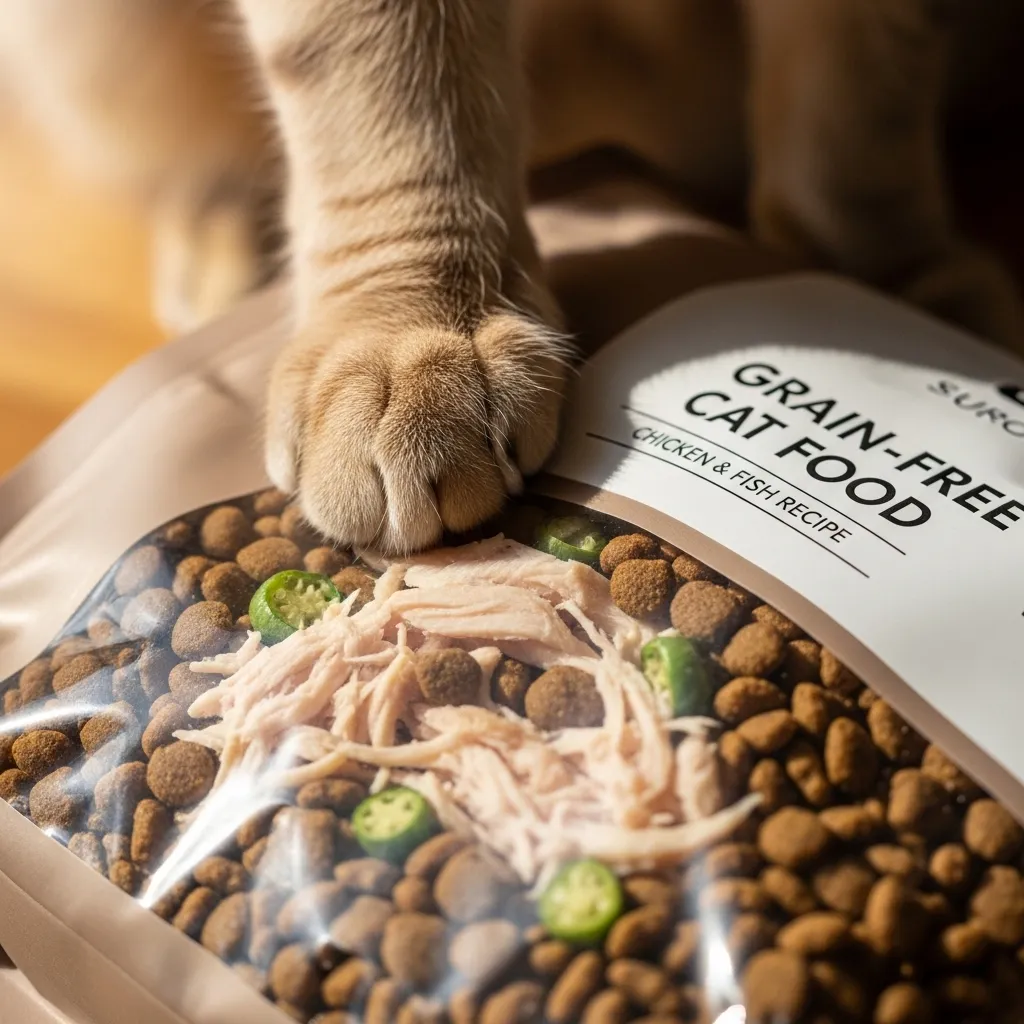
We think “grain-free” means low carb. That’s a myth. Many brands swap rice for lentils, chickpeas, or tapioca. Those are still carbs.
Cats don’t need many carbs at all. Too many can lead to weight gain and blood sugar spikes. When I checked the label on a popular grain-free bag, it had more carbs than some grain-inclusive options.
Always look at the guaranteed analysis. If carbs are above 20-25%, it might not be ideal, even if it says grain-free.
3. The Taurine Trouble: A Real Heart Concern
You’ve probably heard about the FDA link between grain-free diets and dilated cardiomyopathy (DCM) in dogs. Cats are different, but not immune.
Taurine is an essential amino acid for cats. Some grain-free foods, especially those with exotic ingredients like lentils or peas, might interfere with taurine absorption. That’s scary.
My vet told me to always check for added taurine in the ingredient list. Most quality brands add it, but cheap ones might skip it. This is not the place to cut corners.
4. Digestive Upset: The Transition Phase
Switching from a grain-filled kibble to grain-free can upset a sensitive stomach. My cat had soft stool for a full week. I panicked.
Slow transition is key. Mix a little grain-free with the old food over 7-10 days. If your cat already has a tender tummy, this might be a longer process.
Some cats actually do better without grains. Others get gassy or develop loose stools. Watch your cat’s poop. It tells you everything.
5. Allergies and Itchiness: When Grain Is the Culprit
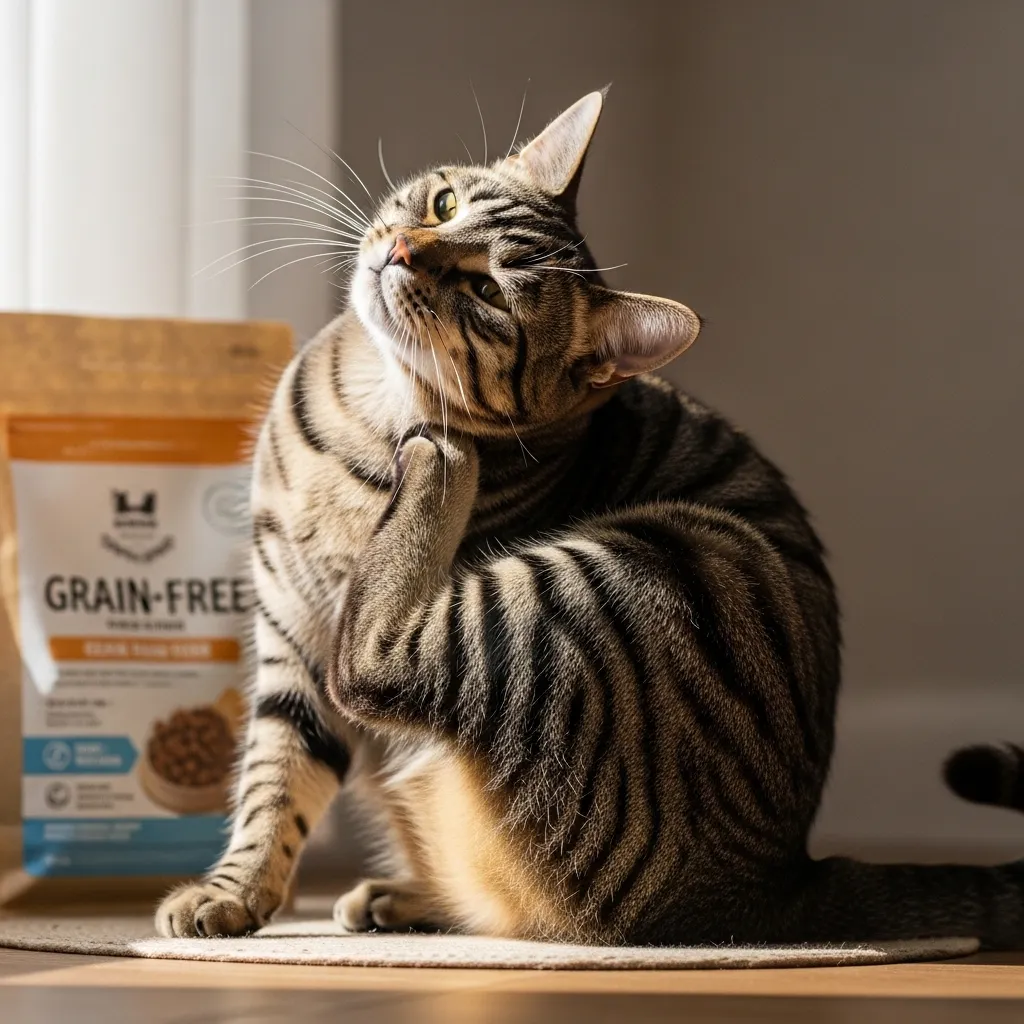
True grain allergies in cats are rare, but they happen. If your cat has itchy skin, ear infections, or constant hairballs, grain could be a trigger.
I had a friend whose cat scratched raw patches on her neck. A grain-free diet cleared it up in a month. It was like a miracle.
But don’t assume grain is the enemy. Food allergies are often caused by chicken, beef, or dairy. A grain-free diet might not fix an allergy to chicken.
6. The Price Tag: Is It Worth the Upgrade?
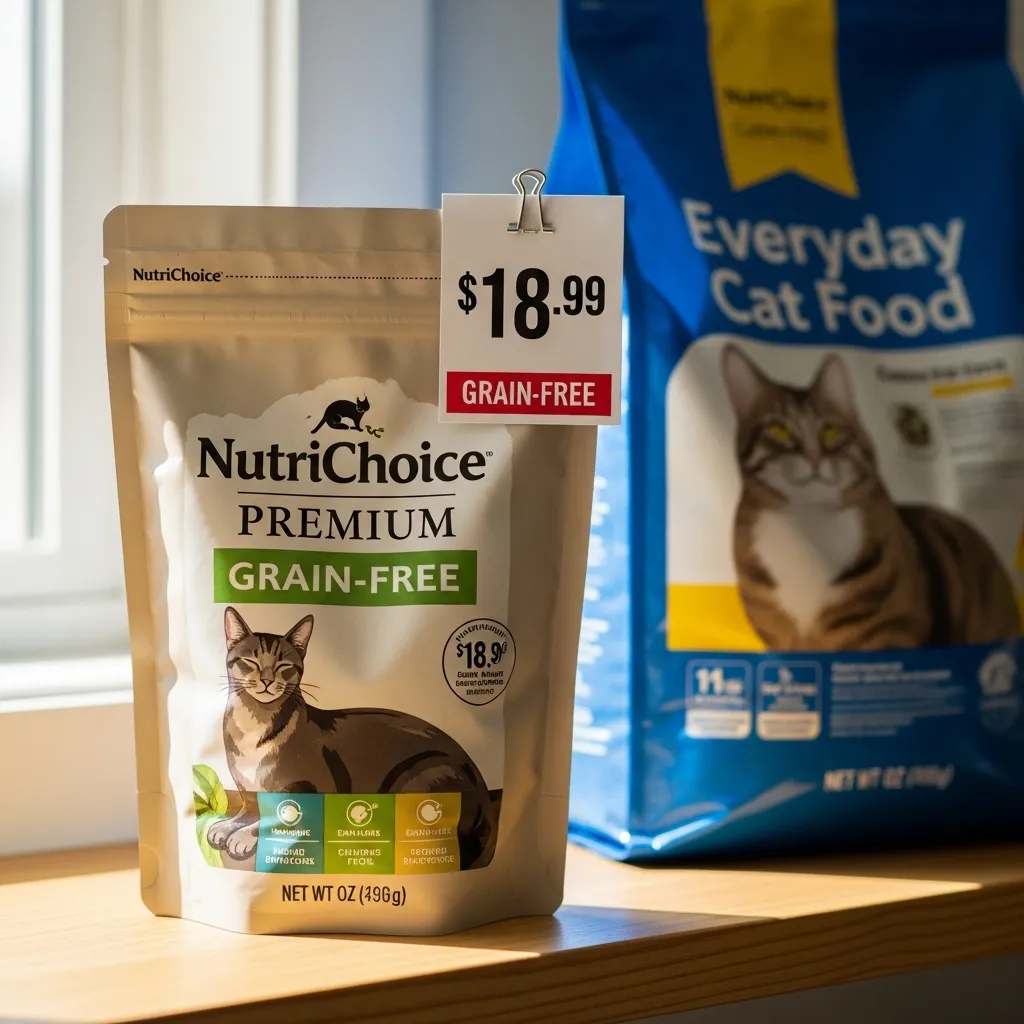
Grain-free food costs more. Sometimes double the price of standard kibble. That adds up fast when you have a hungry cat.
I’ve spent $60 on a small bag of grain-free food. It lasted three weeks. Was it worth it? For my cat’s health, yes. But I feel the pinch.
You can find affordable grain-free options, but read the ingredients. Some cheap brands use fillers like potato starch. You want quality protein, not just a label claim.
7. Wet vs. Dry: Grain Free in Both Forms
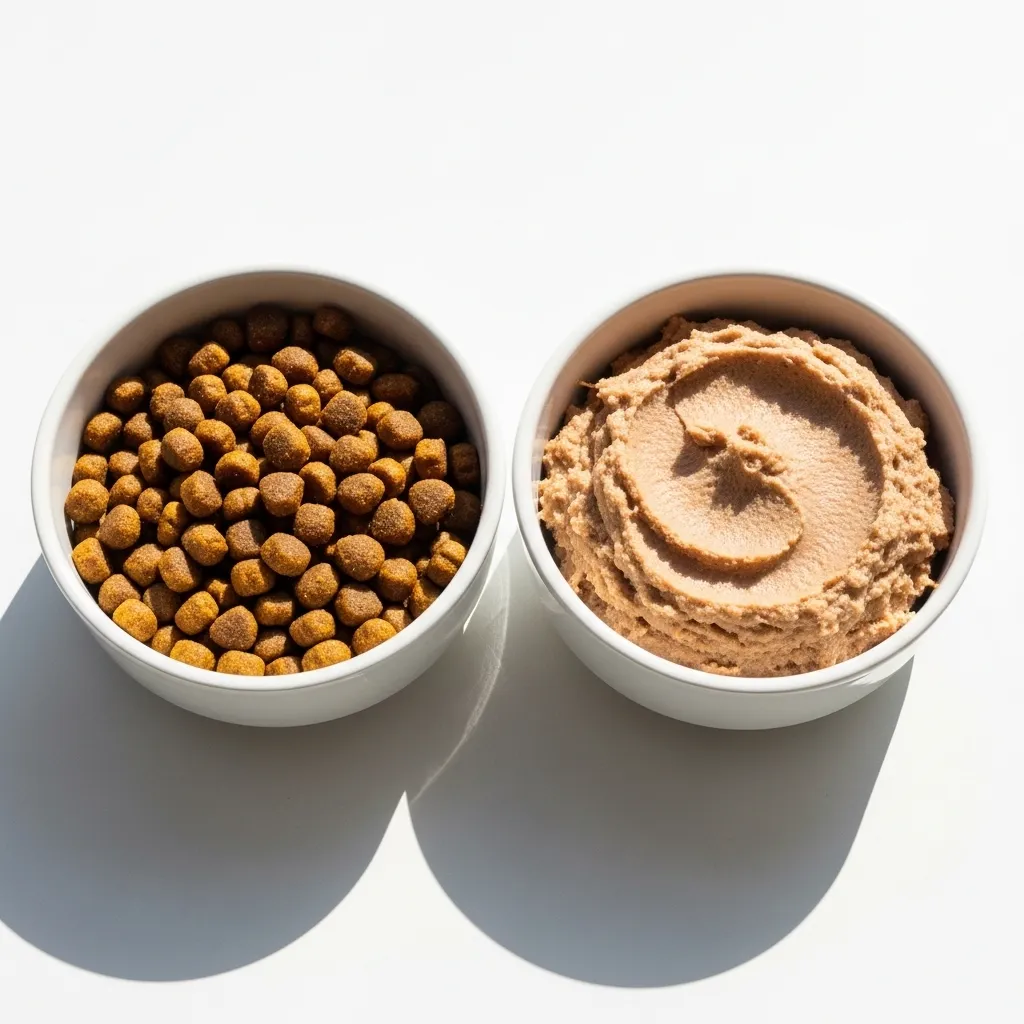
Grain-free comes in wet and dry versions. Wet food is usually lower in carbs and higher in moisture. That’s closer to a cat’s natural diet.
I feed a mix: grain-free wet food in the morning, grain-free kibble at night. My cat gets hydration from the wet food and dental crunch from the dry.
If you only feed dry grain-free food, make sure your cat drinks enough water. Cats are terrible at hydrating themselves. A water fountain can help.
8. The Ideal Cat for Grain Free: Who Benefits Most?
Not every cat needs grain-free. But some thrive on it. Cats with sensitive stomachs, skin issues, or a history of urinary problems often do well.
Overweight cats can also benefit, because grain-free food often has more protein and fewer empty calories. My vet recommended it for my chubby tabby.
Senior cats with dental issues might find grain-free wet food easier to chew. Kittens, however, need a balanced diet, so check with your vet first.
9. The Vegan Cat Myth: Grain Free Doesn’t Mean Meat Free
Some people confuse grain-free with plant-based. That’s dangerous. Cats cannot survive on vegan food. They need animal protein for taurine, vitamin A, and arachidonic acid.
I once saw a grain-free, vegan cat food at a store. It terrified me. Cats are not dogs. They cannot make these nutrients from plants.
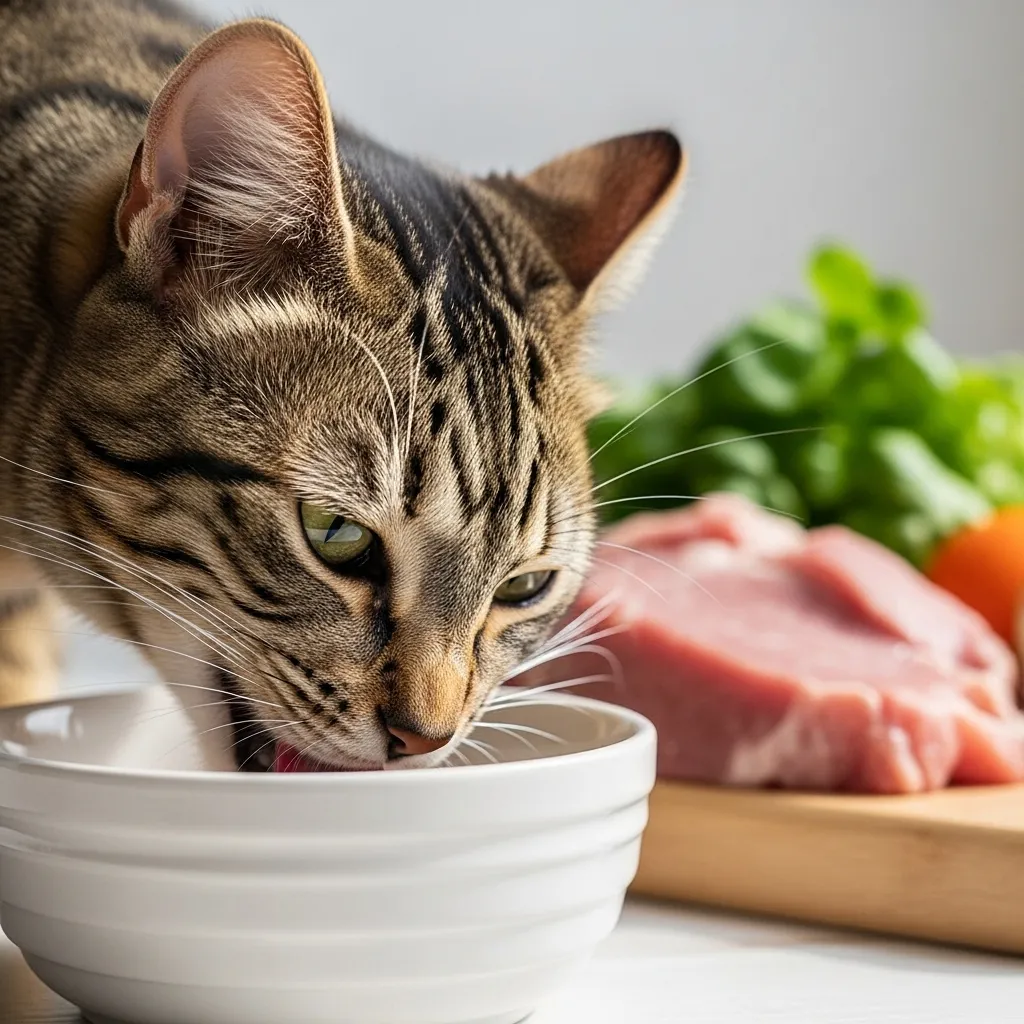
If you want to go grain-free, make sure it’s still meat-based. Look for real meat like chicken, turkey, salmon, or rabbit as the first ingredient.
10. Reading Labels Like a Pro: What to Look For
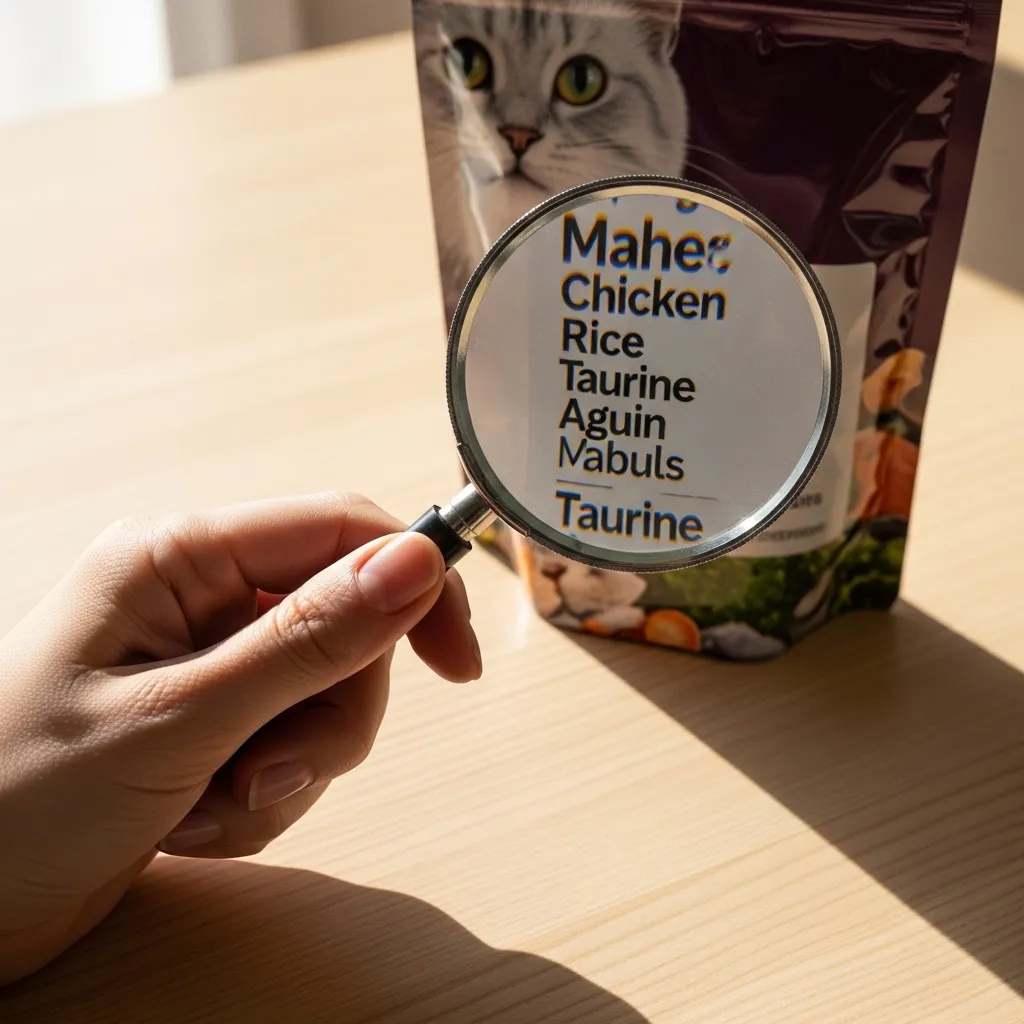
Labels can be tricky. “Grain-free” doesn’t mean “low filler.” I scan for named protein sources (chicken, not poultry meal) and avoid vague terms like “meat by-products.”
I also check for added taurine, omega-3s, and probiotics. These support heart health, coat shine, and digestion. A good grain-free food will list these.
Beware of “grain-free” treats too. Some are just potato starch with flavor. Treats should be single-ingredient, like freeze-dried chicken or fish.
11. The Gut Microbiome Shift: A Surprising Benefit
Grains can sometimes feed bad bacteria in a cat’s gut. Switching to grain-free can encourage a healthier microbiome. That means better digestion and fewer hairballs.
My cat’s gas disappeared after two months on grain-free. That alone was worth the switch. His litter box smells better too.
But abrupt changes can shock the gut. Always transition slowly and add a probiotic if needed. A healthy gut equals a happy cat.
12. The Bottom Line: Should You Switch?
After all this, my personal verdict is: grain-free can be great, but it’s not mandatory. It depends on your cat’s unique needs, health history, and budget.
If your cat is healthy, eats a balanced diet, and has no issues, grain-inclusive food is fine. If your cat has allergies, digestive problems, or weight issues, grain-free might help.
Don’t fall for hype. Talk to your vet, read labels, and watch your cat’s behavior. Your cat will tell you what works.
Conclusion
Grain-free cat food is neither a miracle nor a villain. It’s a tool in your feeding toolbox. For some cats, it’s a lifesaver. For others, it’s an expensive unnecessary change.
Trust your gut, trust your vet, and most of all, trust your cat. If their coat shines, their energy is good, and their litter box is normal, you’re doing fine. Whether that includes grains or not is up to you.
FAQ: Your Grain Free Questions Answered
1. Is grain-free cat food better for weight loss?
Not automatically. Some grain-free foods are high in calories. Check the calorie count per cup. Protein-rich grain-free food can help with satiety, but portion control is still king.
2. Can grain-free food cause heart problems in cats?
The risk is much lower than in dogs, but it’s not zero. Ensure the food has added taurine. If your cat has a heart condition, talk to your vet before switching.
3. How long does it take to see results from grain-free food?
Usually 2-4 weeks for coat and energy changes. Digestive improvements can take up to a month. Be patient and consistent.
4. Is grain-free food safe for kittens?
Yes, as long as it’s formulated for growth. Kittens need extra nutrients like DHA and calcium. Choose a grain-free food labeled “kitten” or “all life stages.”
5. Can I mix grain-free and grain-inclusive food?
Absolutely. Many owners feed a mix to balance cost and variety. Just watch your cat’s reaction. Some cats do fine; others get picky or have loose stool.