12 Raw Food for Cats Beginner Guide
When I first started feeding my cat raw food, I honestly felt a little overwhelmed. There’s so much information out there, and I just wanted something simple that actually worked. If you’re standing in the pet food aisle wondering if there’s a better way, you’re not alone. I’ve been there too.
Raw feeding isn’t about being perfect from day one. It’s about taking small steps that feel doable for both you and your cat. I’ve put together this beginner-friendly guide with 12 practical ideas to help you start with confidence. Let’s walk through it together.
1. Start with a Simple Protein Source
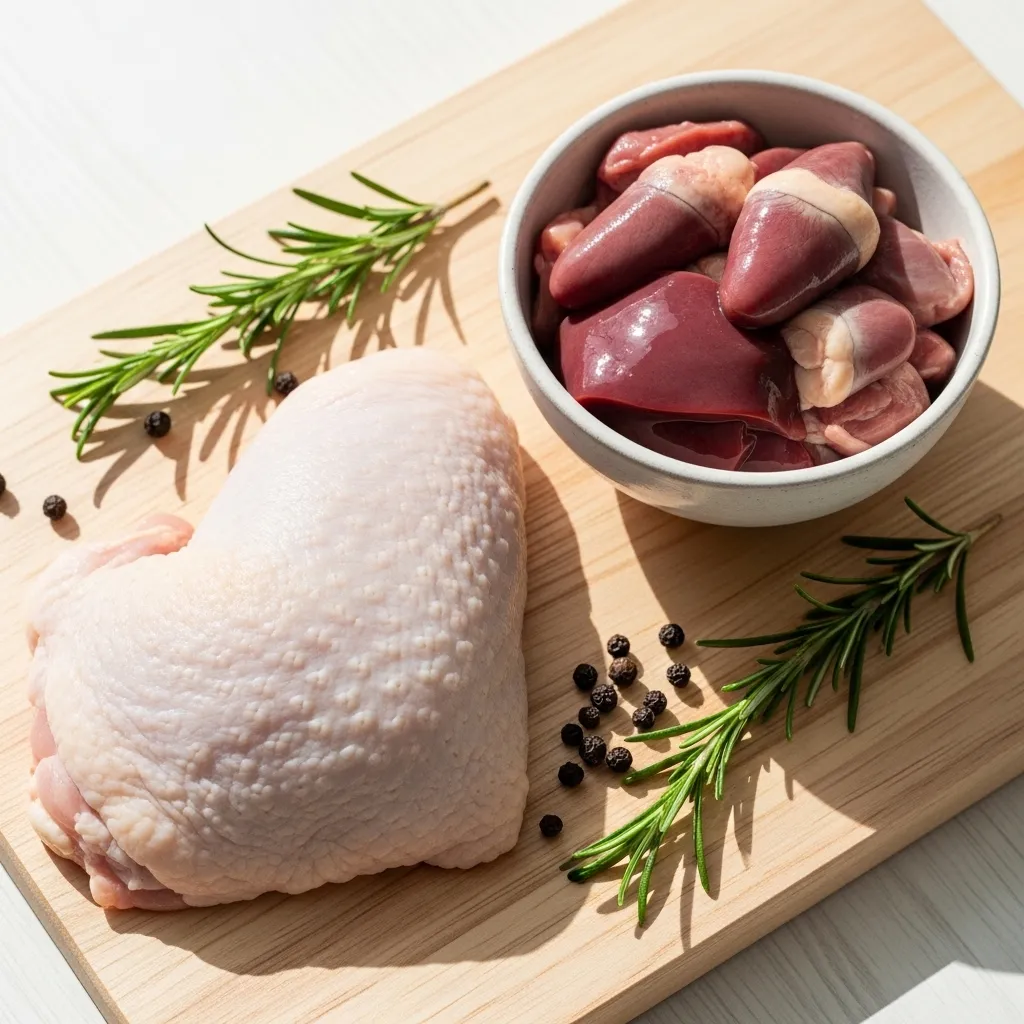
The easiest way to begin is with one protein. I started with chicken thigh because it’s affordable and most cats enjoy it. Keep it simple at first.
You don’t need a dozen ingredients on day one. Just boneless, skinless chicken thigh, ground or chopped into small pieces. This helps your cat adjust without getting overwhelmed.
If your cat is hesitant, mix a tiny bit of their current food with the raw. Let them sniff and explore. Patience makes all the difference here.
2. Learn the 80-10-10 Ratio
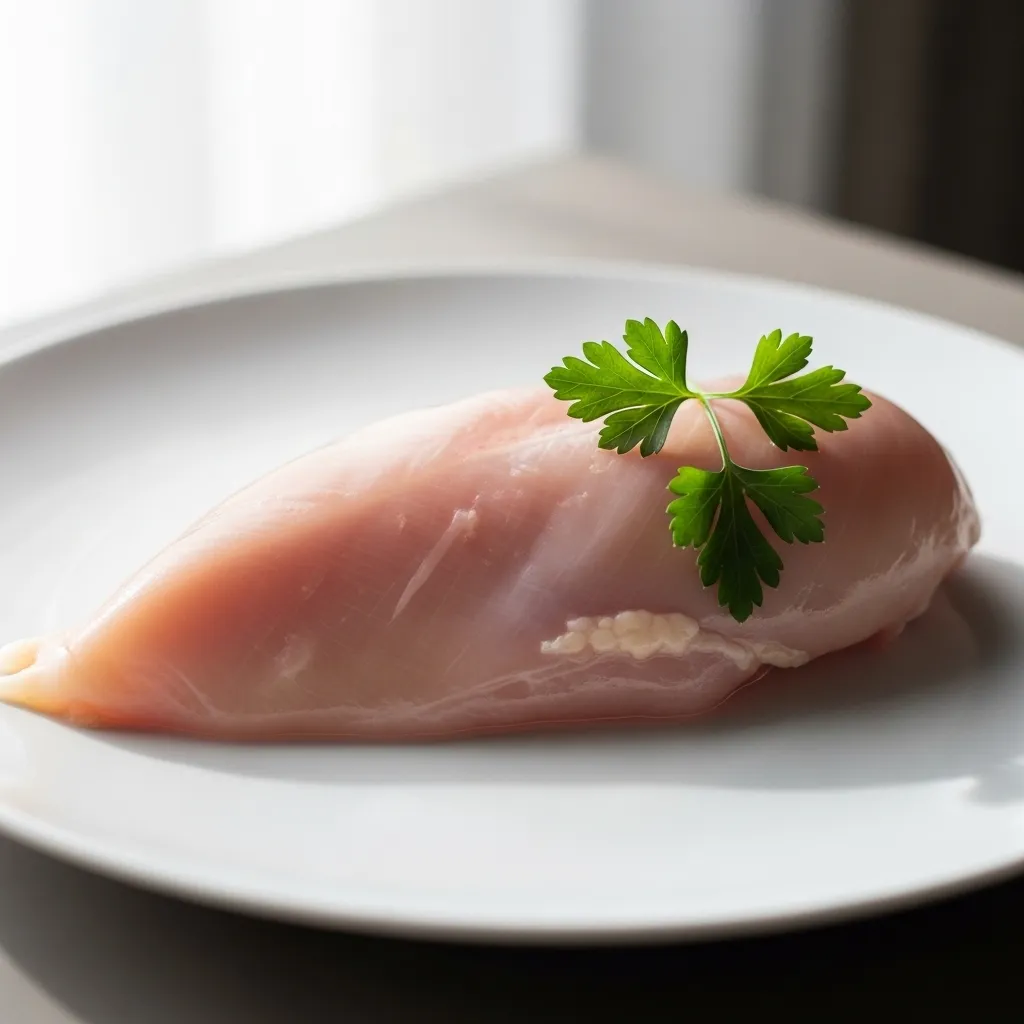
This is the golden rule of raw feeding. 80% muscle meat, 10% bone, and 10% organ meat. It sounds technical, but it’s really just about balance.
Muscle meat gives protein. Bone provides calcium. Organs like liver and kidney pack in vitamins. You don’t have to hit this perfectly every day, but aiming for it over a week works great.
I write it on a sticky note and keep it on my fridge. It helps me remember when I’m prepping batches.
3. Go for Bone-In Cuts
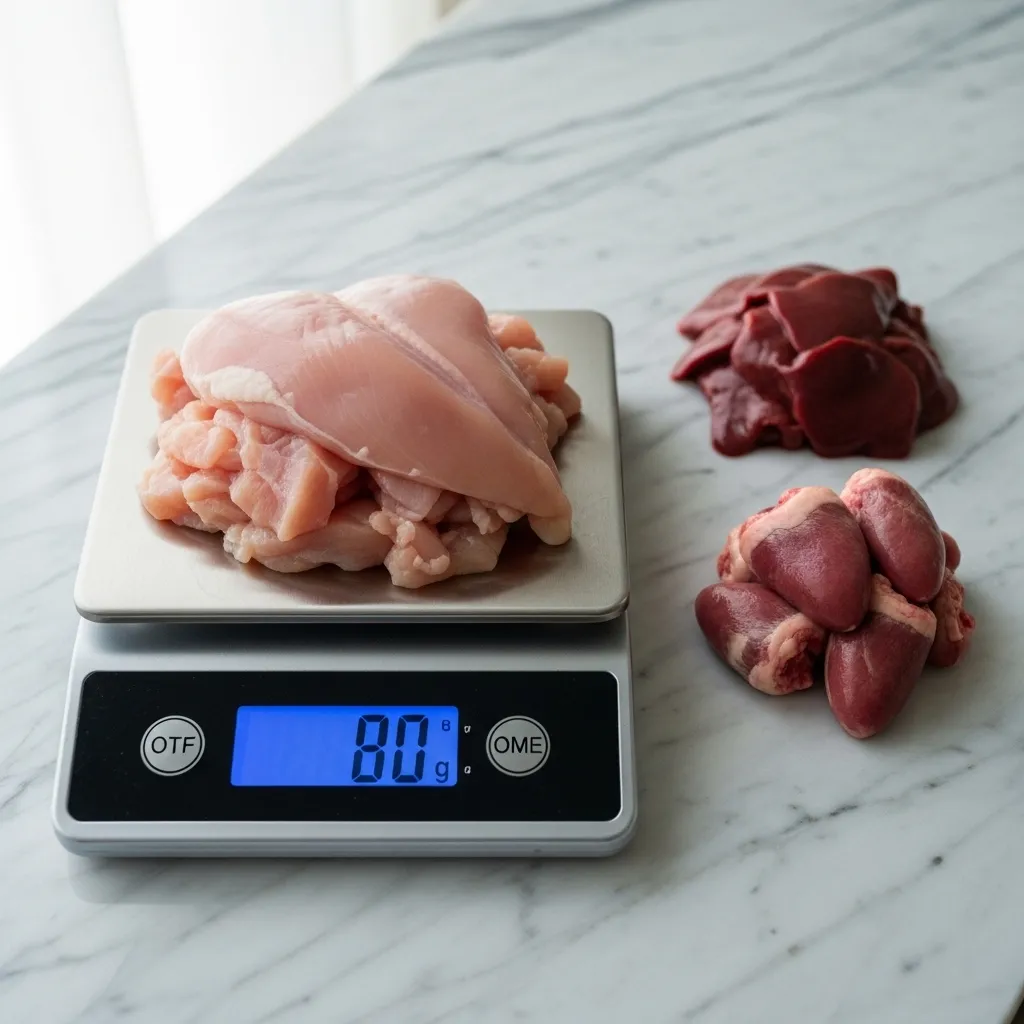
Whole bones can be dangerous, but ground bone is safe and natural. Chicken necks or wings ground up are perfect for beginners.
You can ask your butcher to grind them, or buy pre-ground mixes. The bone adds calcium without supplements. It’s one less thing to worry about.
Just be sure the pieces are small enough. Your cat shouldn’t have to chew large chunks until they’re used to raw texture.
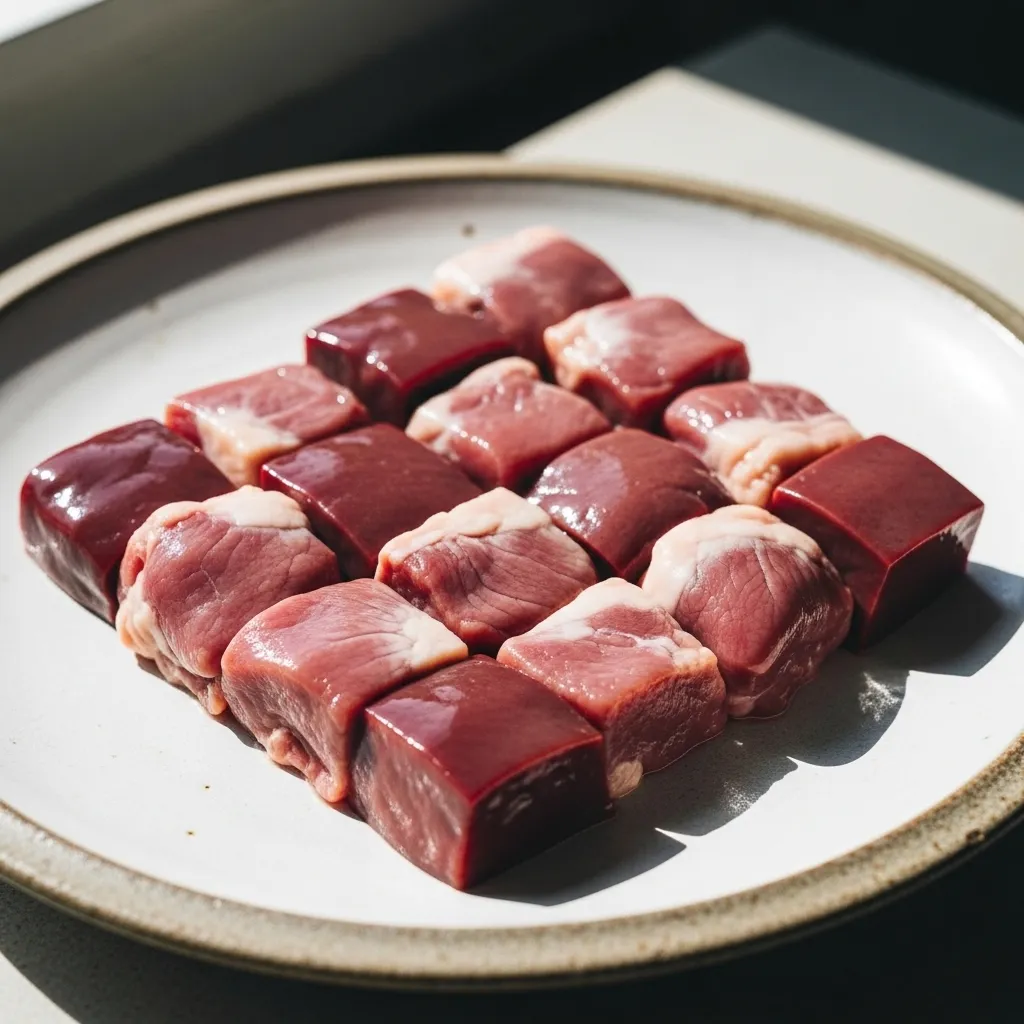
4. Add Organs Gradually
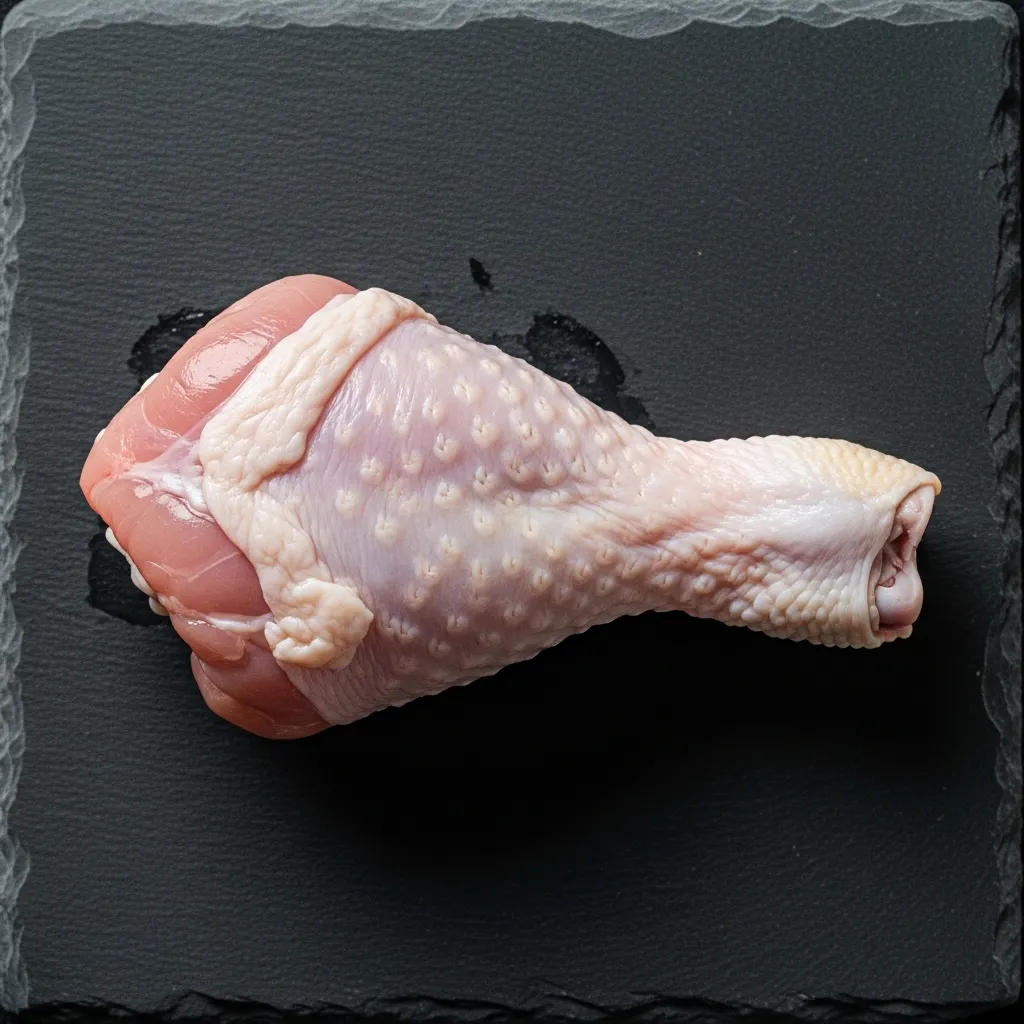
Liver is powerful stuff. Too much too fast can upset your cat’s stomach. Start with a tiny piece, about the size of a pea, mixed into their meat.
I rotate between chicken liver and beef kidney. Each organ brings different nutrients. You don’t need many organs at first. Just one or two types is plenty for a beginner.
If your cat turns up their nose, try freezing the organ and grating it over the meat. It blends right in.
5. Use a Simple Supplement Routine
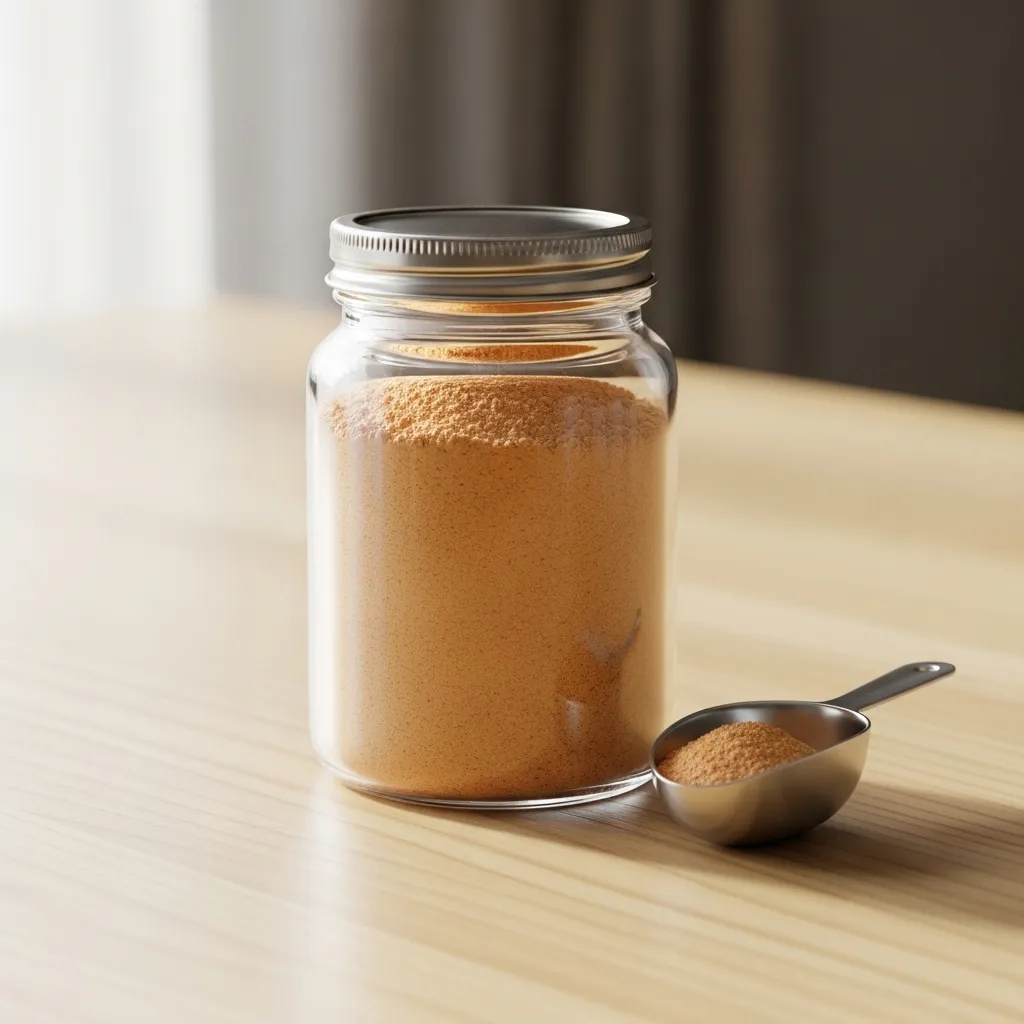
You don’t need a cabinet full of powders. For beginners, a high-quality taurine supplement is essential. Cats cannot make taurine themselves.
I also add a tiny bit of salmon oil for omega-3s. That’s it. No complicated blends until you feel ready to expand.
Always check with your vet about supplements. Every cat is different, and starting simple helps you see what works.
6. Prep in Batches
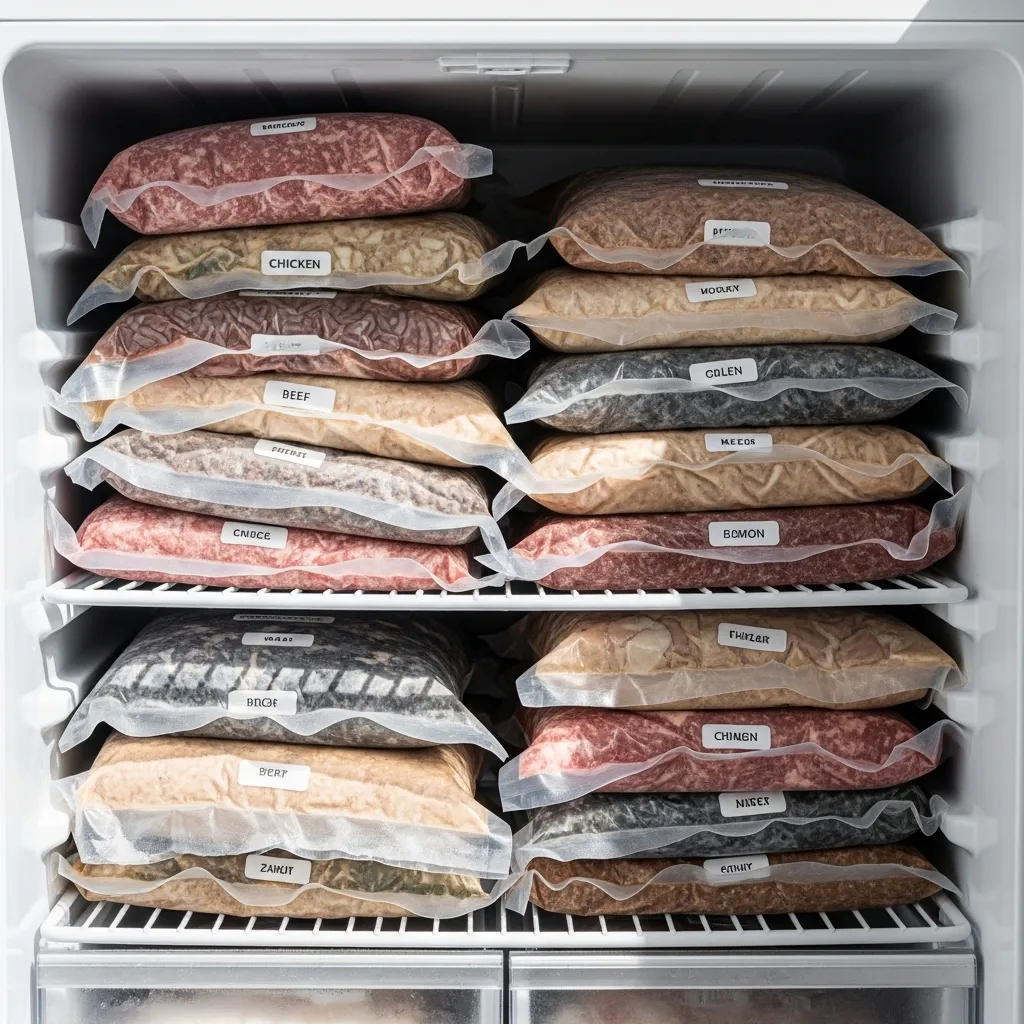
Batch prepping saves so much time. I set aside one hour every Sunday to portion out meals for the week. It keeps things easy and stress-free.
Use freezer-safe containers or silicone molds. Portion sizes depend on your cat’s weight, but a good rule is 2-3% of their body weight per day.
Label everything with the date and protein type. Frozen raw stays good for up to three months. You’ll never scramble for dinner again.
7. Thaw Safely
Never thaw raw meat on the counter. Bacteria can grow fast. I thaw portions in the fridge overnight, or in a sealed bag in cool water for quick meals.
Warm the food slightly by placing the sealed bag in warm water for a minute. Cats often prefer food that’s not ice cold. It also releases the smell, which makes it more tempting.
Discard any uneaten food after an hour. Raw meat spoils quickly at room temperature.

8. Watch Your Cat’s Reaction
Every cat adjusts differently. Some dive right in, others take weeks. Pay attention to their energy, coat, and litter box habits.
If you see loose stools, slow down. Go back to mixing raw with their old food. Increase the raw portion gradually over two weeks.
A shiny coat and firm stools are good signs. Trust your cat’s cues. They’ll tell you what works.
9. Offer Variety Early On
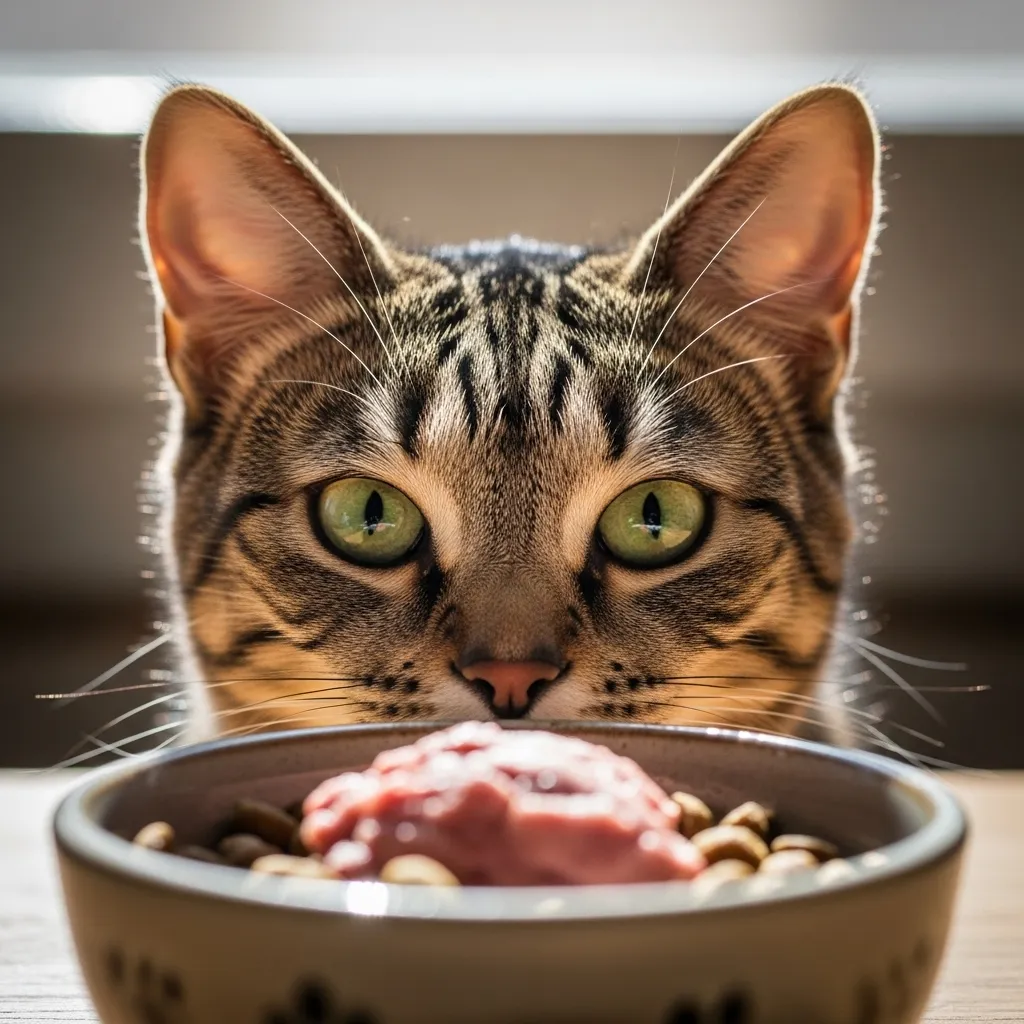
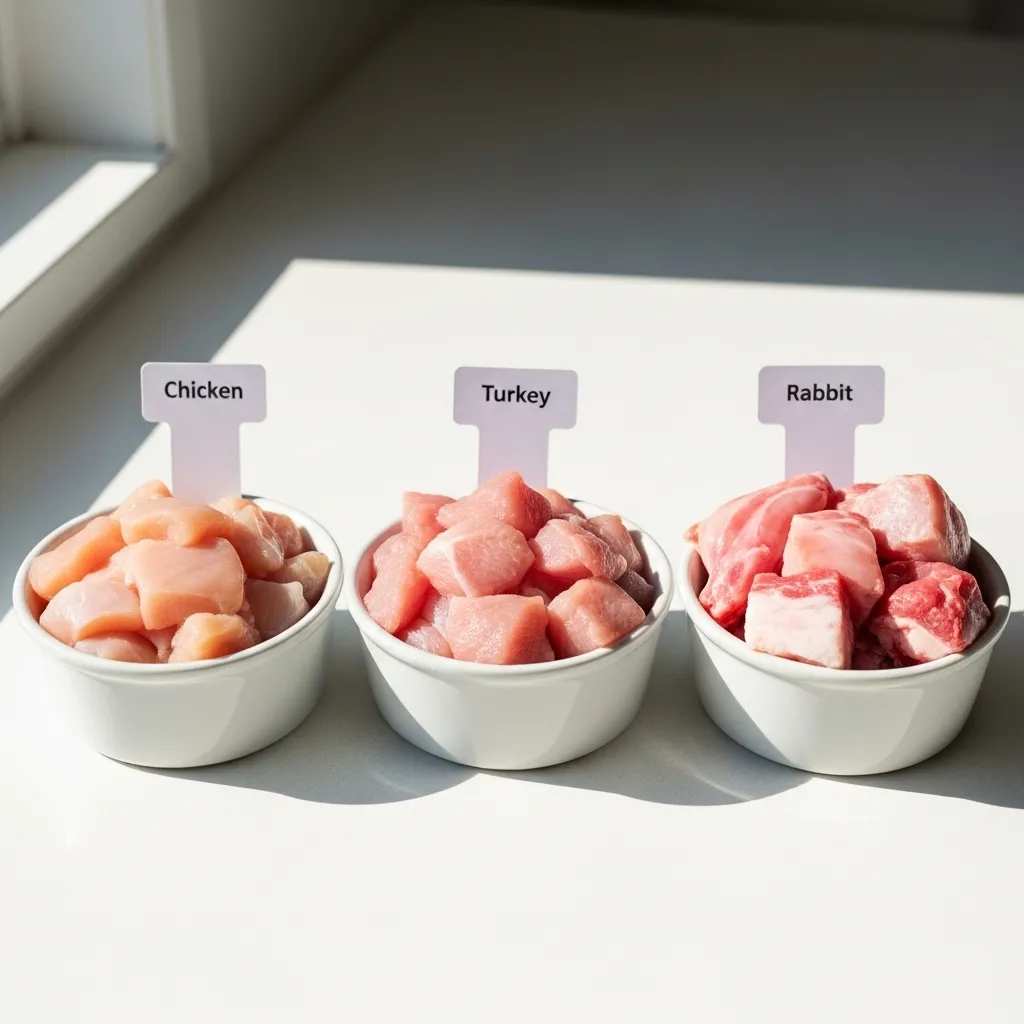
Once your cat handles chicken well, try turkey or rabbit. Rotating proteins prevents pickiness and gives a broader nutrient profile.
I keep three proteins in my freezer at all times. It makes mealtimes interesting for my cat and ensures they don’t get bored.
Introduce new proteins slowly. Mix a little with what they already know. Variety is the spice of a raw diet.
10. Keep Hydration in Mind
Raw food has high moisture content, which is great for cats. But some cats still need extra water. I add a tablespoon of water to each meal.
You can also offer bone broth (no onions or garlic). It’s hydrating and adds flavor. Just make sure it’s plain and unsalted.
Wet food is better than dry for hydration, but raw is even better. Your cat’s kidneys will thank you.

11. Don’t Skip Transition Time
Switching cold turkey can cause tummy upset. A slow transition over 7 to 14 days is kinder and more successful.
Start with 25% raw mixed with 75% old food. After a few days, go to 50-50. Then 75-25. Finally, 100% raw.
If your cat refuses a meal, don’t panic. Offer it again later. They might just need more time to adjust to the new texture and smell.

12. Trust Your Instincts
You know your cat better than anyone. If something doesn’t feel right, pause and reassess. Raw feeding is flexible, not rigid.
There’s no one-size-fits-all approach. Some cats thrive on chicken, others need more variety. Listen to your cat and adjust as you go.
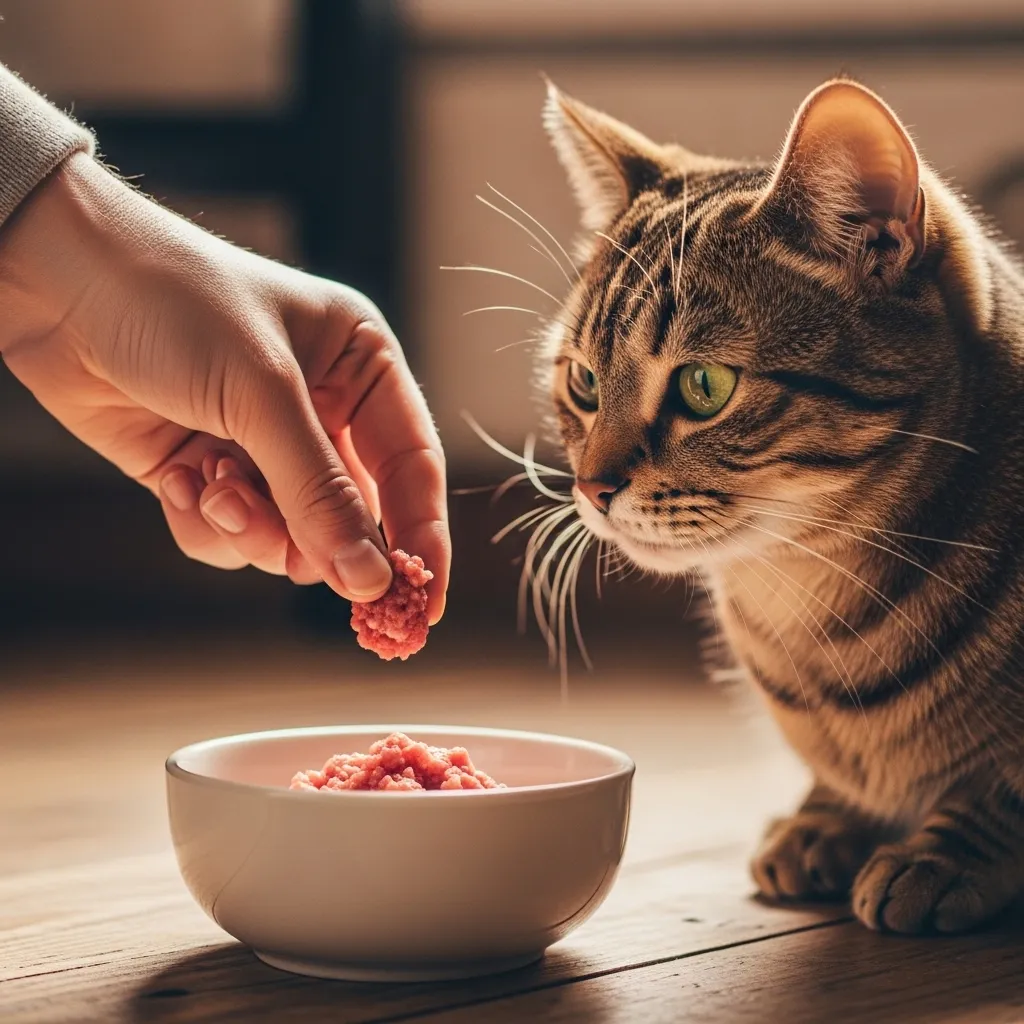
Celebrate the small wins. The first time your cat licks the bowl clean is a huge milestone. You’re doing great.
Conclusion
Starting a raw food diet for your cat doesn’t have to be complicated. Take it one step at a time, keep things simple, and trust the process. You’re giving your cat a gift of better health, and that’s something to be proud of.
Remember, every cat is unique. What works for one might not work for another. Stay curious, stay patient, and enjoy the journey. Your cat will thank you with purrs and a shiny coat.
Frequently Asked Questions
1. Can I feed raw food to a kitten?
Yes, kittens can eat raw food. Their nutritional needs are higher, so you’ll need to adjust portions and ensure proper balance. Always consult a vet before starting a kitten on raw.
2. Is raw food safe for cats with health issues?
Some health conditions require special diets. If your cat has kidney disease, diabetes, or other issues, talk to your vet. They can help you create a safe raw plan.
3. How do I store raw cat food?
Store raw food in the freezer for up to three months. Thaw portions in the fridge. Never leave raw food at room temperature for more than an hour.
4. Do I need to add supplements to raw food?
At minimum, add taurine. Omega-3s are also helpful. As you gain experience, you can add more, but start simple. Your vet can recommend specific supplements for your cat.
5. What if my cat refuses raw food?
Don’t give up. Try different proteins or textures. Some cats prefer ground meat, others like small chunks. Mixing raw with their favorite wet food can also help. Patience is key.