10 Essential Commands to Teach Your Dog
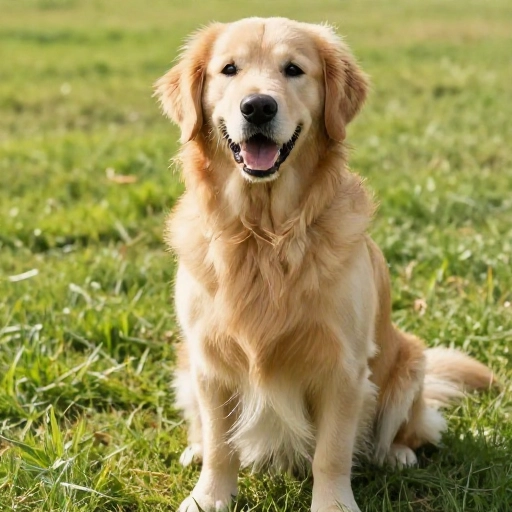
When I first brought my puppy home, I remember feeling both excited and completely overwhelmed. The chewing, the jumping, the endless energy—I wondered if I had any idea what I was doing. That’s when I learned that a few simple commands can completely change your relationship with your dog.
Training isn’t just about having a well-behaved pup. It builds trust, keeps your dog safe, and gives them the mental stimulation they crave. Whether you’re a first-time owner or looking to brush up on basics, these ten commands are the foundation every dog needs.
1. Sit
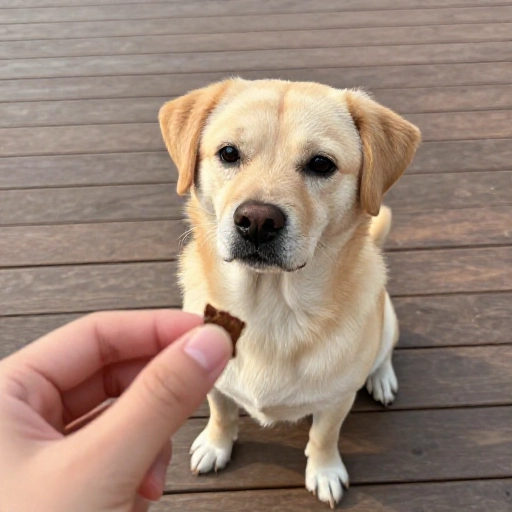
“Sit” is usually the first command I teach any dog. It’s simple, easy to reinforce, and incredibly useful in daily life. I use it before meals, before going outside, and when greeting people.
- Hold a treat close to your dog’s nose.
- Move your hand up, allowing their head to follow the treat and causing their bottom to lower.
- Once they’re in sitting position, say “Sit,” give them the treat, and share praise.
Repeat this a few times daily. Your dog will catch on quickly because it’s a natural movement for them.
2. Stay
“Stay” can be a lifesaver. I remember using it to keep my dog from darting out the front door. It teaches impulse control and patience, which is hard for many pups.
- First, ask your dog to sit.
- Open your palm in front of you and say “Stay.”
- Take a step back. If they stay, reward them immediately.
- Gradually increase the distance and duration.
Start with just a few seconds. The key is returning to your dog to give the reward, not calling them to you.
3. Come
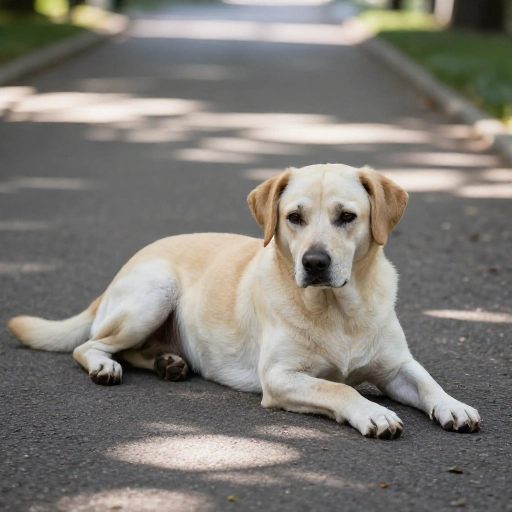
This command could one day save your dog’s life. Whether they slip their leash or spot a squirrel, “Come” brings them back to you, no matter what.
- Put a leash on your dog and let them wander a short distance.
- Say their name followed by “Come” in a happy, excited voice.
- Gently pull the leash toward you as you say it.
- When they reach you, reward with a treat and lots of praise.
Practice indoors first. Always make coming to you a positive experience—never scold them when they arrive.
4. Down
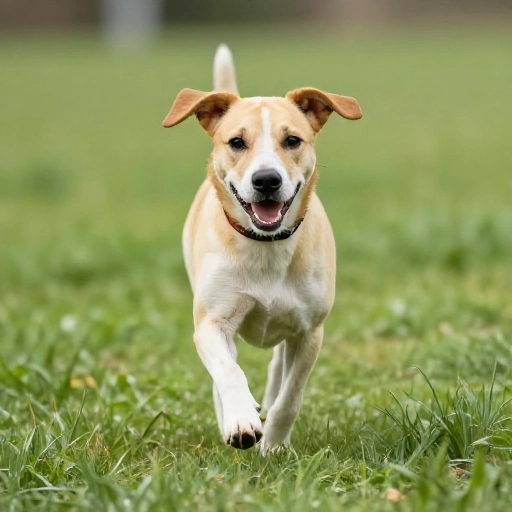
“Down” is a calming command. It helps your dog relax in busy environments or when you need them to settle down at home. It’s more vulnerable for them, so be patient.
- Start with your dog in a sit.
- Hold a treat in your closed fist and let them sniff it.
- Move your hand down to the floor, and then slide it forward along the ground.
- As they follow the treat, their body will lower into a down position.
If they don’t go all the way down, reward small steps toward the goal. Never push them down.

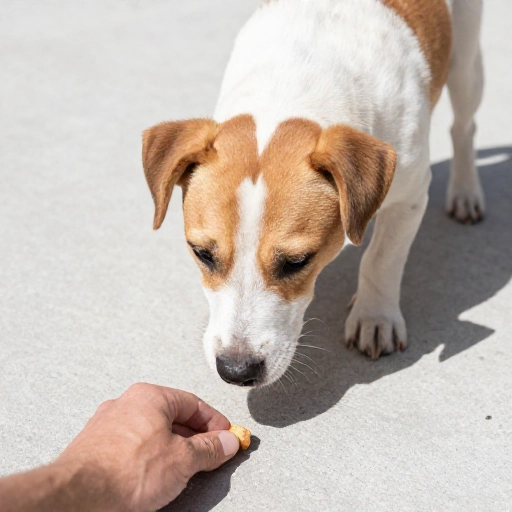
5. Leave It
This command prevents your dog from grabbing something dangerous or unwanted. I’ve used it to stop my dog from eating trash, chasing cats, and sniffing questionable things on walks.
- Place a treat in your closed hand and show it to your dog.
- When they try to sniff or lick, say “Leave it.”
- Wait until they pull away, even for a second, then reward them with a treat from the other hand.
- Practice with objects on the ground, using a leash to prevent access.
Start easy and gradually increase the temptation. This command requires consistency but pays off big time.
6. Heel
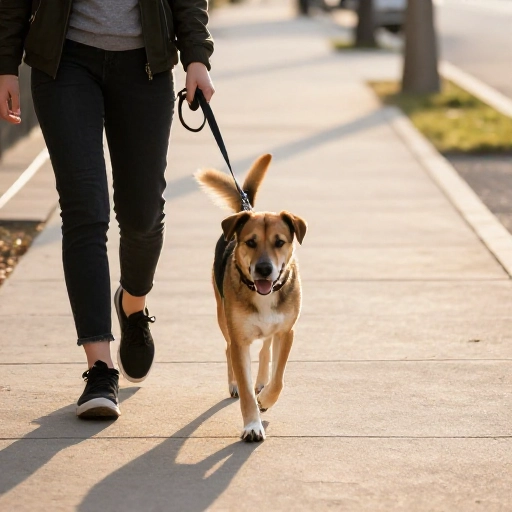
Walking a dog that pulls is exhausting. “Heel” teaches your dog to walk calmly beside you, making walks enjoyable for both of you. It’s about focus and teamwork.
- Hold a treat at your side, at your dog’s nose level.
- Start walking and say “Heel.”
- If your dog stays beside you, reward them frequently.
- Every time they pull ahead, stop moving. Only continue when they return to your side.
Short, frequent sessions work best. Your dog will learn that staying close means forward movement.
7. Drop It
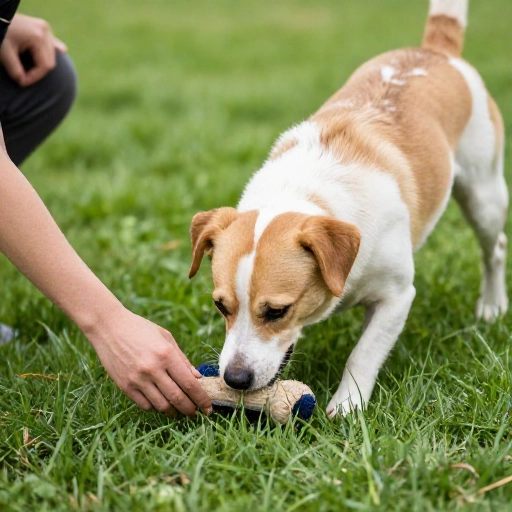
Dogs explore the world with their mouths, which means they’ll pick up things they shouldn’t. “Drop It” is your go-to for getting them to release whatever is in their mouth.
- Start with a toy they like but aren’t obsessed with.
- Let them play with it, then offer a high-value treat near their nose.
- When they open their mouth to take the treat, say “Drop it.”
- Once they release the toy, give the treat and praise.
Never chase your dog or pry their mouth open. Trading is always more effective.
8. Wait
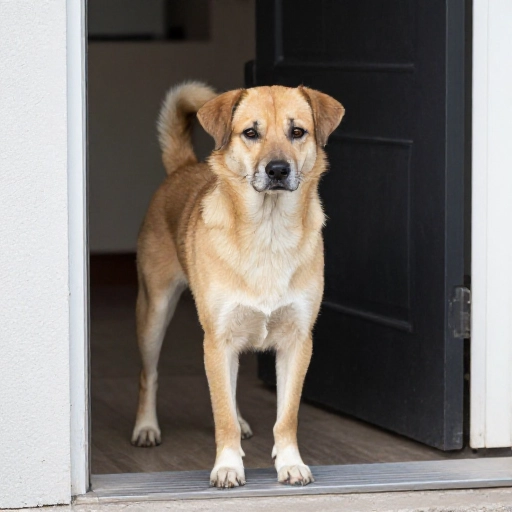
“Wait” is like a gentler version of “Stay.” It’s perfect for doorways, car doors, or before crossing the street. It gives you a moment to prepare without your dog rushing ahead.
- Ask your dog to sit at a doorway.
- Open the door slightly and say “Wait.”
- If they stay, close the door and reward them.
- Gradually open the door wider and ask them to wait longer.
Use a release word like “Okay” to let them know they can move. This builds excellent self-control.
9. Touch
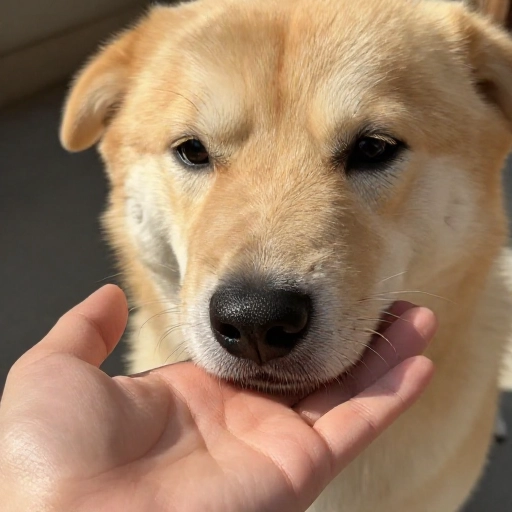
“Touch” is a fun trick that also helps with focus and confidence. It involves your dog touching their nose to your hand. It’s great for redirecting nervous dogs or building engagement.
- Present your open palm a few inches from your dog’s nose.
- When they sniff or nudge it, say “Touch” and reward.
- Move your hand to different positions and repeat.
- Use it to guide your dog onto a mat, into a crate, or away from distractions.
This command is especially helpful for shy dogs because it gives them a clear, simple task.
10. Quiet
Barking is natural, but excessive noise can be stressful. “Quiet” teaches your dog that silence is rewarding. I use this when the doorbell rings or when my dog gets too excited during play.
- Wait for a moment when your dog is barking.
- Calmly say “Quiet” in a firm but gentle voice.
- The second they stop, even for a breath, reward them.
- Gradually extend the time they need to be quiet before getting a treat.
Never yell at your dog to stop barking. They’ll think you’re joining in, and it only makes things worse.

Conclusion
Training your dog is one of the most rewarding parts of being a pet parent. These ten commands aren’t just about obedience—they’re about communication, safety, and building a bond based on trust. I’ve seen shy dogs become confident, hyper dogs find calm, and stubborn dogs learn to cooperate with patience and repetition.
Remember to keep sessions short, use high-value treats, and always end on a positive note. Your dog wants to please you. With a little consistency, you’ll both feel more connected and confident every day.
[[IMG:IMG12]]
Frequently Asked Questions
How long does it take to teach a dog a new command?
Most dogs can learn a basic command in 5–10 short sessions spread over a few days. Every dog is different, so be patient and adjust to your dog’s pace.
What if my dog already knows some commands but ignores me?
This usually means the command needs to be proofed in different environments. Practice in quiet places first, then gradually add distractions. Always reward generously.
Should I use treats or toys for training?
Treats work best for most dogs because they’re quick to consume and easy to carry. Use small, soft treats your dog loves. Toys can work for play-driven dogs, but treats are more efficient for new skills.
Can I train an older dog?
Absolutely. I’ve trained dogs of all ages. Older dogs often have better focus and are just as eager to learn. The same training principles apply—just be patient and consistent.
What’s the best time of day to train?
Train when your dog is calm but not sleepy. After a walk or before a meal works well because they’re relaxed and motivated. Avoid training when they’re overly excited or tired.
[[IMG:IMG13]]