11 Quick DIY Shelters to Keep Stray Cats Cozy
I love seeing stray cats find a warm spot when the weather turns cold. But it breaks my heart when I see them shivering under a bush or on a freezing porch. A few years ago, I started building simple shelters from things I had around the house. The cats came, they stayed, and they were safe. You can do the same thing with very little money and effort.
These 11 ideas use everyday materials like storage bins, coolers, and even old furniture. Most take less than an hour to make. The goal is simple: keep the cat dry, warm, and hidden from wind. Let me show you how easy it is.
1. The Classic Storage Bin Shelter
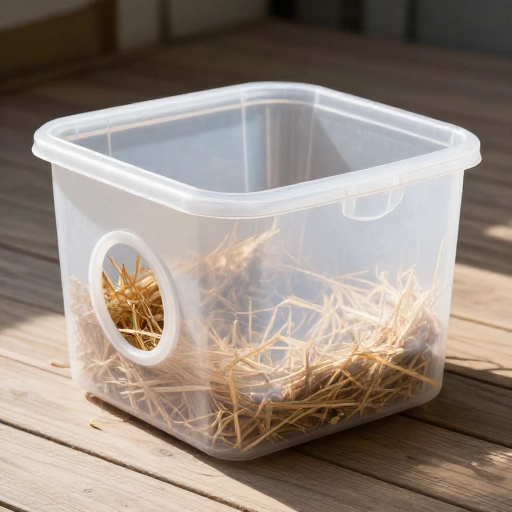
This is the shelter I make most often. Grab two plastic storage bins, one slightly smaller than the other. Cut a 6-inch hole in the smaller bin, then nest it inside the larger one. Fill the gap between them with straw (not hay) or shredded newspaper. The trapped air insulates beautifully.
Line the inside with a thick layer of straw. The double walls keep warmth in and cold out. Place the opening facing away from wind. A brick on top stops the lid from blowing off.
2. Styrofoam Cooler Haven
An old Styrofoam cooler is a warm little cave. Cut a door hole in the side, about 5 to 6 inches wide. Line the inside with straw. Then put the whole cooler inside a large cardboard box for extra protection from rain.
This shelter is very lightweight. If you place it under a porch or deck, it will stay dry for months. The Styrofoam traps body heat really well. Just replace the cardboard when it gets soggy.
3. Plastic Tote with Foam Insulation
Take a large plastic tote with a lid. Cut a door hole in one short side. Glue rigid foam insulation sheets to the inside walls and lid. Use a non-toxic adhesive. This keeps the cold from seeping through the plastic.
Fill the bottom with straw. The foam makes a surprising difference on freezing nights. If you want, drill a few tiny ventilation holes near the top. This stops moisture buildup without letting cold drafts in.
4. The Repurposed Pet Carrier
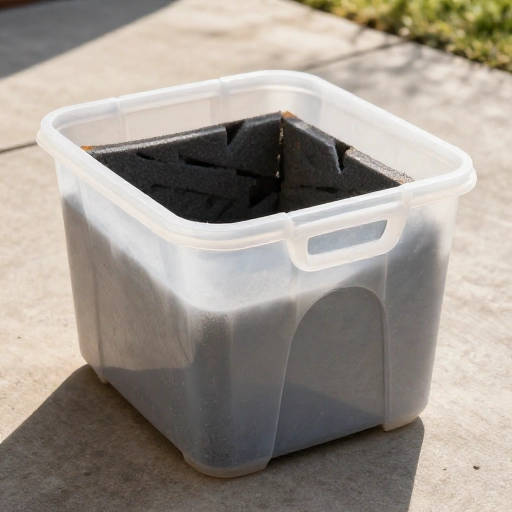
I had an old plastic pet carrier sitting in the garage. I cut a larger opening in the front and taped the door open so it wouldn’t slam shut. Then I wrapped the whole thing in a moving blanket and duct tape. The blanket adds insulation and blocks wind.
Line the inside with straw. The carrier’s handle makes it easy to move if needed. Place it in a quiet corner, maybe against a wall. Cats feel safer when their back is protected.
5. Cardboard Box with a Twist
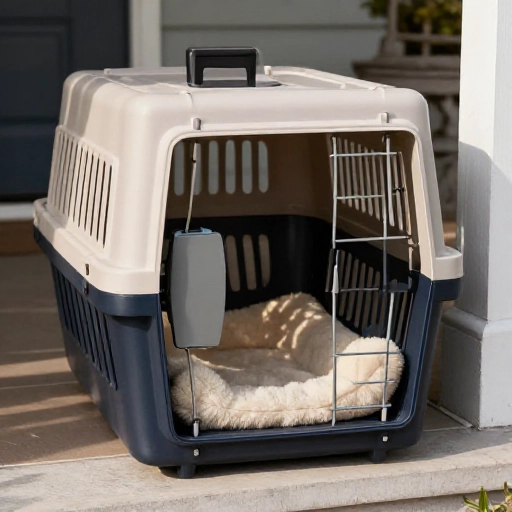
Cardboard doesn’t last forever, but it works in a pinch. Choose a sturdy box. Line the inside with a thick layer of straw. Then slide that box into a second, slightly larger box. Fill the gap with crumpled newspaper or more straw.
Wrap the whole thing in a heavy-duty trash bag, leaving the entrance open. Tape the bag tight. This keeps the cardboard dry for weeks. Put it under an overhang for extra protection.
6. The Bucket Bungalow
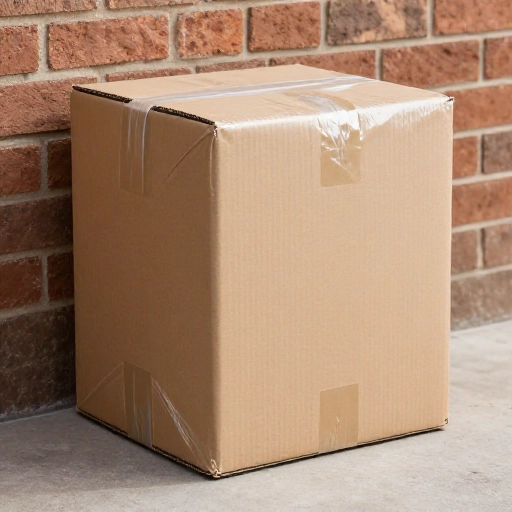
Two 5-gallon buckets can make a cozy shelter. Cut the bottom off one bucket. Set it upside down inside the second bucket. Cut a door hole in the side of the outer bucket. Fill the space between the buckets with straw or old towels.
The round shape is great for trapping heat. It’s also very sturdy. You can even paint the outside to blend in with your yard. Just avoid using fabric inside, as it gets wet and cold.
7. An Old Dresser Drawer Shelter
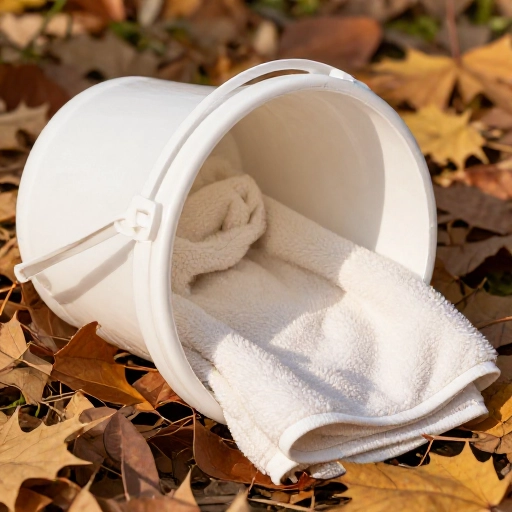
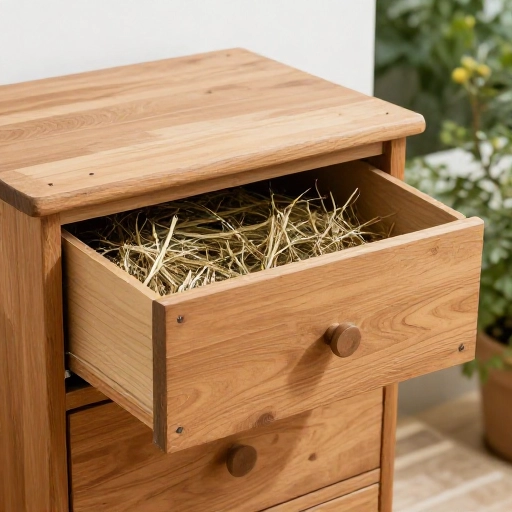
Found an old wooden drawer on the curb? Turn it upside down and cut a hole in one end. Line the inside with straw. Put a piece of plywood on top as a roof, then weigh it down with a brick.
The thick wood blocks wind much better than plastic. This shelter looks natural in a garden or under a bush. Just make sure the wood isn’t treated with chemicals that could harm the cat.
8. The Cooler Chest Hideaway
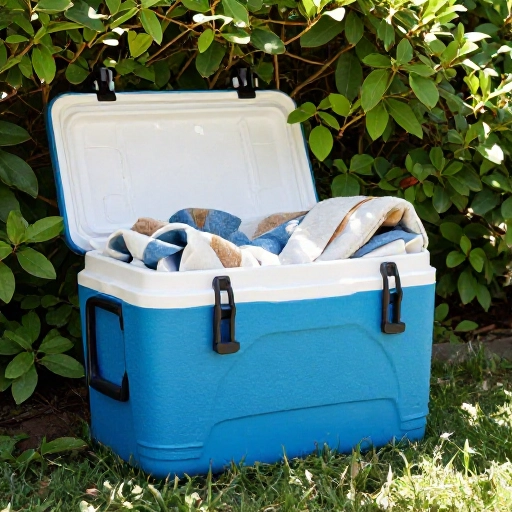
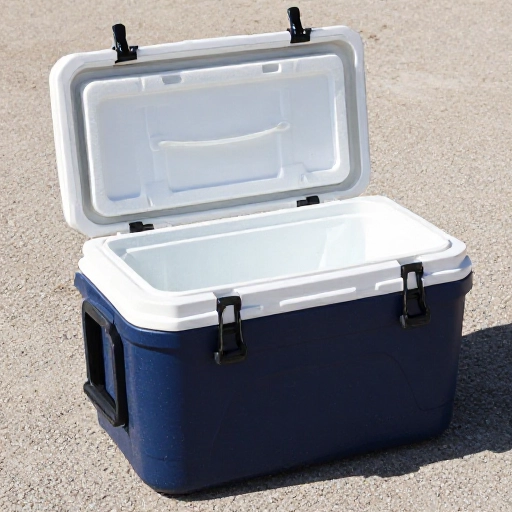
A large ice chest with a lid works amazingly well. Leave the lid slightly ajar and prop it with a small stick so it doesn’t close all the way. Cut a door hole in one side. The thick insulated walls keep cats warm even in snow.
Fill the bottom with a generous layer of straw. This shelter is practically indestructible. It won’t crush, it won’t leak, and it lasts for years. I’ve seen cats use the same cooler for five winters straight.
9. PVC Pipe and Tarp Tunnel
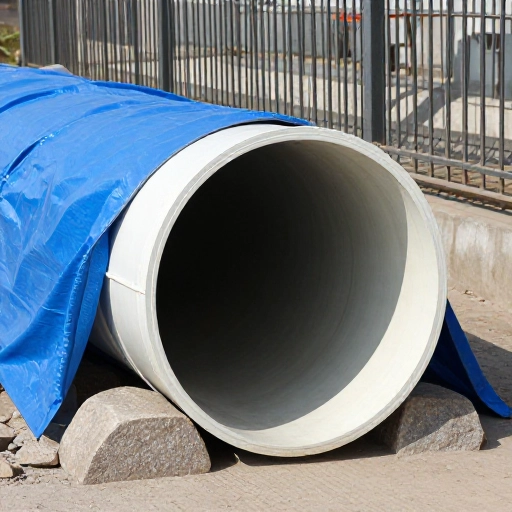
If you have a colony of cats, a tunnel shelter works great. Bend a few PVC pipes into arches and stick them into the ground. Drape a heavy tarp over the frame. Leave both ends partially open for escape routes.
Pile straw inside and along the edges. The tunnel shape lets multiple cats snuggle together for warmth. It’s not the prettiest shelter, but it’s quick and can be made in under 15 minutes. Weigh down the tarp edges with rocks.
10. The Hay Bale Fortress
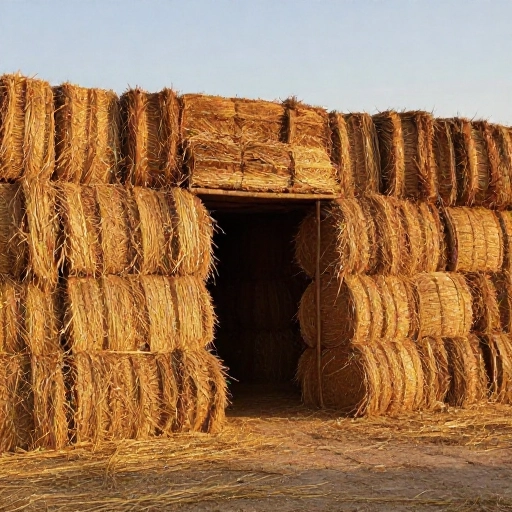
Hay bales are natural insulators. Stack two bales side by side, leaving a gap in the middle. Place a third bale on top as a roof. The gap becomes a cozy little room. Line the floor with straw.
This shelter is heavy and will not blow away. It blends into rural or farm settings perfectly. Make sure you use straw bales, not hay, as straw repels moisture better. Cats love the earthy smell.
11. A Simple Bench Shelter
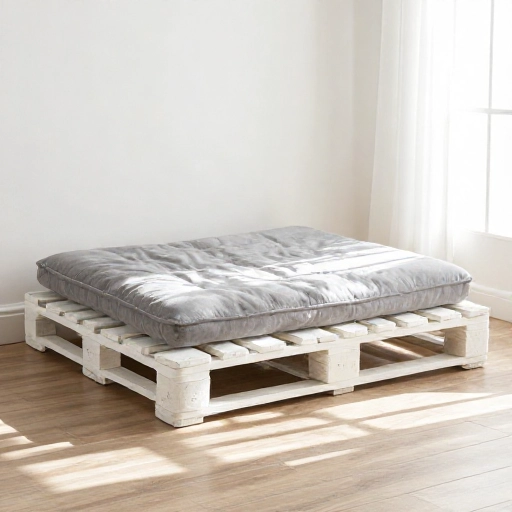
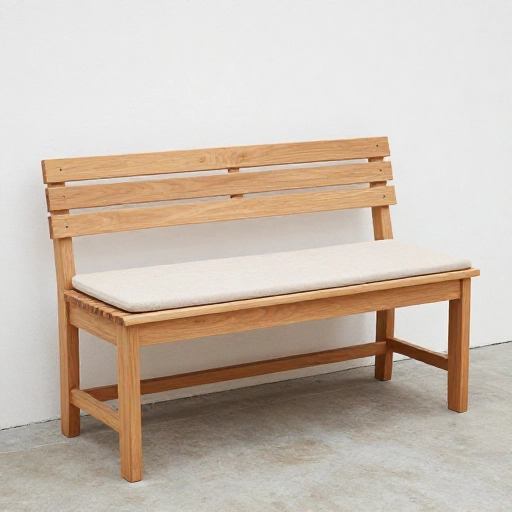
Take an old wooden bench or a low table. Place it against a wall. Drape a thick blanket or moving pad over the top, letting it hang down to the ground on three sides. Weigh the blanket down with bricks or logs.
Cats will crawl underneath and feel hidden. Add a layer of straw on the ground inside. This is one of the quickest shelters you can make. It takes about five minutes and uses things you probably already have.
Conclusion
These 11 shelters take very little time but change a cat’s whole winter. I’ve watched shivering strays turn into relaxed, sleeping furballs after I put out a simple bin shelter. The key is always dry straw and protection from wind. Avoid blankets and towels inside, they get wet and freeze. Check your shelters every few days to make sure they’re dry and clean. You don’t need to spend much. A little effort goes a long way.
Frequently Asked Questions
1. What is the best material to put inside a cat shelter?
Straw is the best. It resists moisture and traps heat. Avoid hay, blankets, towels, or shredded paper, they get damp and cold.
2. How big should the entrance hole be?
About 5 to 6 inches wide. That’s enough for a cat to enter but small enough to keep out raccoons and cold drafts.
3. Where should I place the shelter?
In a quiet, sheltered spot away from wind and rain. Under a porch, deck, or bush works well. Make sure the opening faces a wall or fence.
4. Will one cat use the shelter or more?
It depends. Some cats prefer to sleep alone. Others will share. Building two or three small shelters gives cats a choice and reduces fighting.
5. How do I keep the shelter dry in heavy rain?
Elevate the shelter on bricks or pallets so water drains underneath. Use a tarp over the top if needed. Check after storms and replace wet straw right away.