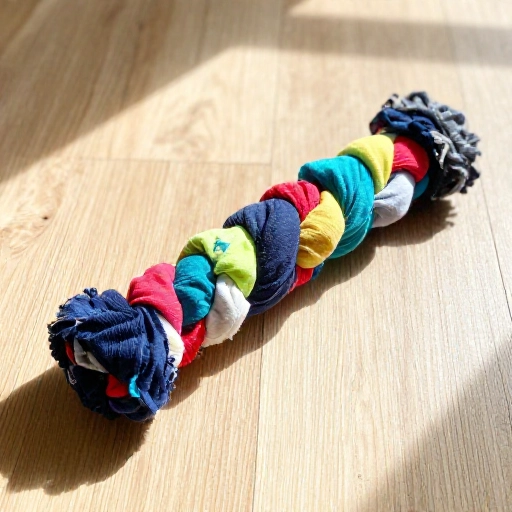
12 Cat-Proof DIY Playground Solutions That Work
Let’s be honest—cats are tiny interior designers with a knack for chaos. I’ve watched my own feline friend turn a perfectly good couch into a scratching post and a bookshelf into a launchpad. Instead of fighting their instincts, I decided to build a playground that’s fun for them and safe for my home. These DIY ideas are sturdy, clever, and actually work.
I’ve tested each of these solutions in my own space, and they pass the cat-proof test. No flimsy cardboard towers or dangling strings that last five minutes. Think durable materials, smart mounting, and designs that keep your cat entertained without wrecking your decor. Ready to build something your cat will love (and you won’t hate)? Let’s dive into 12 cat-proof DIY playground solutions.
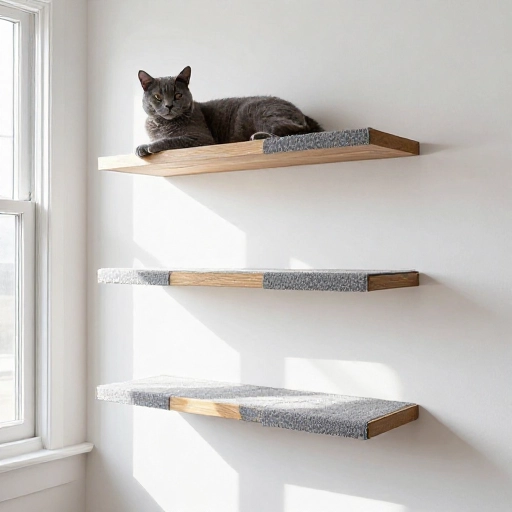
1. Wall-Mounted Cat Shelves with Carpet Grips
Wall shelves give your cat vertical space without taking up floor room. I used sturdy wooden planks and covered them with carpet remnants for traction. Secure each shelf with heavy-duty brackets into studs—your cat will leap and climb without wobbling. Position them near windows for bird-watching bonuses.
Cat-proof tip: Add a small lip on each shelf to prevent toys from sliding off. My cat loves the high vantage point, and I love that my furniture stays scratch-free. This setup is a game-changer for small apartments.
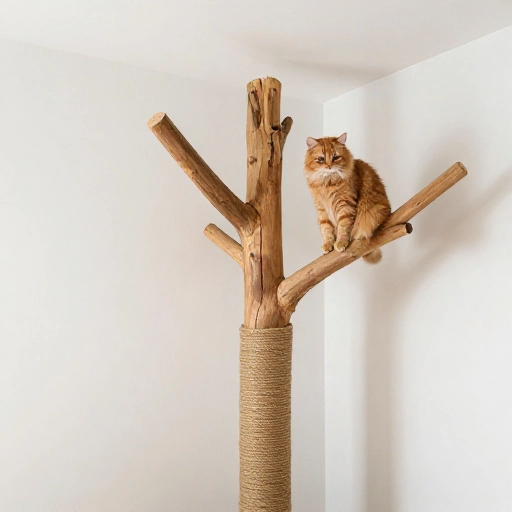
2. The Rope-Wrapped Scratching Post Tree
Instead of buying a flimsy store-bought post, I built a multi-level tree using PVC pipe and sisal rope. Wrap the pipe tightly with rope, gluing as you go for durability. Mount it on a heavy plywood base to prevent tipping. Add a dangling toy on a spring for extra play.
Cat-proof tip: Use thick rope (at least 1 cm diameter) so it lasts through aggressive scratching. My cat uses it daily, and my couch is finally safe. This post is sturdy enough for even the most enthusiastic scratcher.
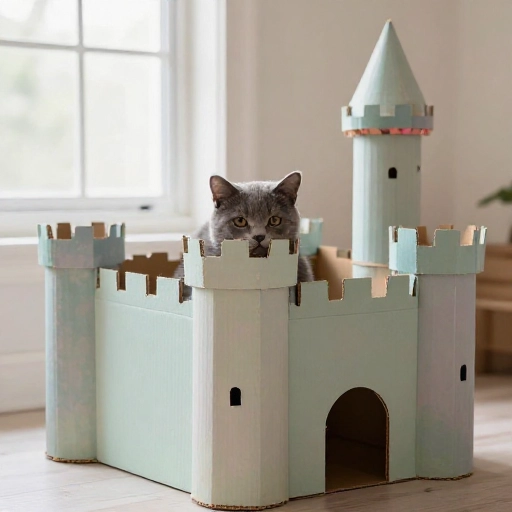
3. DIY Cardboard Castle with Reinforced Corners
A cardboard castle is cheap and recyclable, but it needs reinforcement. I cut large boxes into castle shapes, then used duct tape on all corners and edges. Paint or cover with fabric for a polished look. Add tunnels and small windows for exploration.
Cat-proof tip: Double-layer the cardboard on high-traffic areas like doors and platforms. My cat loves hiding inside, and the castle lasted months before needing a refresh. It’s a fun weekend project that costs almost nothing.
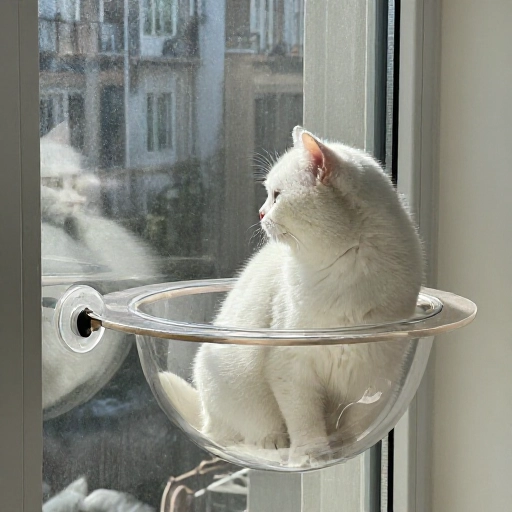
4. Window Perch with Suction Cup Backup
Window perches give cats a sunny spot to lounge. I bought a heavy-duty perch and added extra suction cups for security. Test the weight limit by pressing down firmly before letting your cat jump up. Place it on a double-pane window for safety.
Cat-proof tip: Use a safety strap attached to the window frame as a backup. My cat naps there for hours, and I don’t worry about it falling. This is a simple upgrade that makes a huge difference in your cat’s happiness.
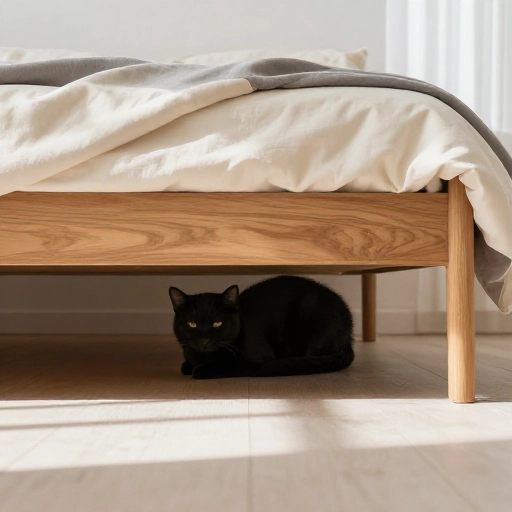
5. Under-Bed Hideout with Soft Bedding
Cats love cozy, dark spaces. I built a simple hideout under my bed using storage bins and soft blankets. Cut a hole in one bin for an entrance, then stack them to create a multi-room den. Line with fleece or old towels for comfort.
Cat-proof tip: Secure bins with zip ties to prevent shifting. My cat retreats here during loud noises or when she needs alone time. It’s a quiet sanctuary that takes 30 minutes to assemble.
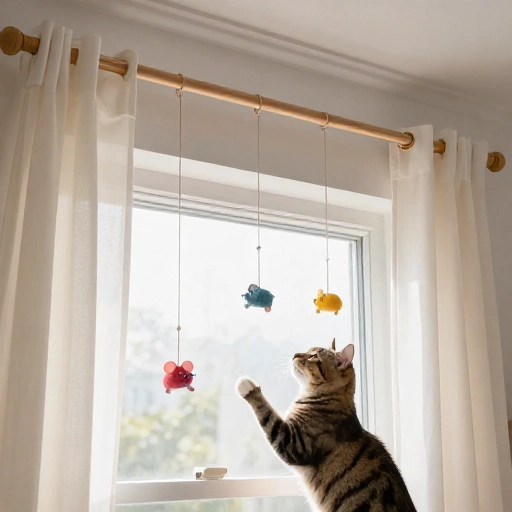
6. Hanging Toy Track on a Curtain Rod
Turn a curtain rod into an interactive toy track. I attached small toys on strings to a tension rod inside a doorway. Use clips so toys slide easily along the rod. Your cat will bat at them for hours.
Cat-proof tip: Choose breakaway strings to avoid choking hazards. My cat loves chasing the moving toys, and it keeps her active indoors. This is a zero-cost upgrade if you already have a rod.
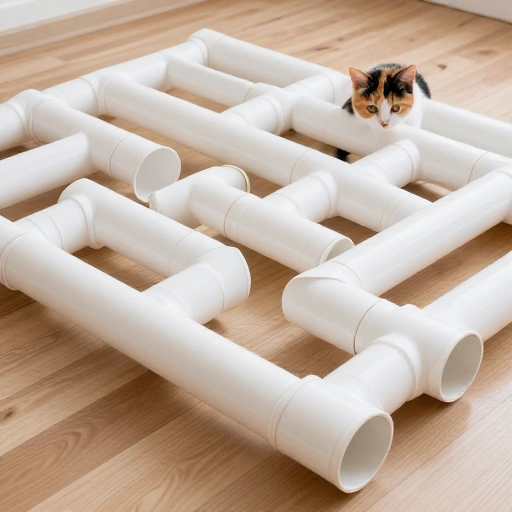
7. Cat Tunnel Maze from PVC Pipe
PVC pipe makes a durable, washable tunnel system. I connected 4-inch diameter pipes with elbow joints to create a maze. Cut small holes for peek-a-boo spots. Cover with fabric or leave bare—cats don’t mind either way.
Cat-proof tip: Sand rough edges to prevent injury. My cat zooms through this maze daily, and it’s easy to disassemble for storage. This is perfect for active cats who love to explore.
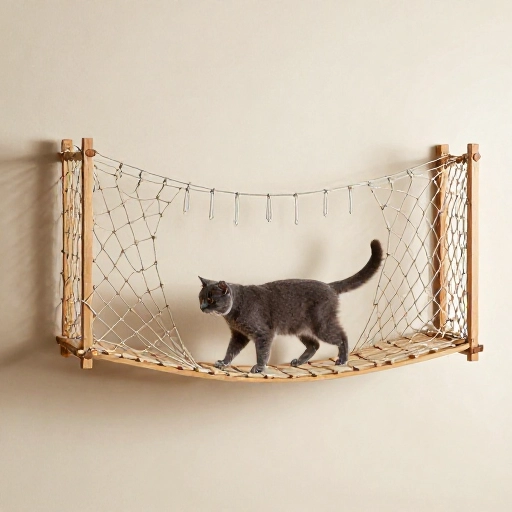
8. Wall-Mounted Cat Bridge with Netting
A cat bridge adds a fun walking path. I used wooden planks and sturdy netting to create a suspended bridge between two shelves. Secure it with heavy-duty hooks and test weight before use.
Cat-proof tip: Use netting with small holes so paws don’t get stuck. My cat walks across it like a tightrope artist. This bridge is a conversation starter and a great exercise tool.
9. DIY Cat Grass Planter Box
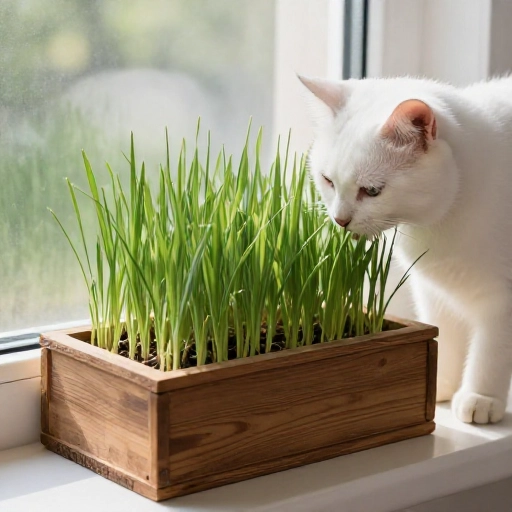
Cats love nibbling grass, but store-bought pots tip over. I built a low, wide planter box from untreated wood. Fill with cat grass seeds and soil. Place it on a stable surface or anchor it to the wall.
Cat-proof tip: Add a layer of pebbles on top to prevent digging. My cat munches on fresh grass every day, and it aids digestion. This is a simple, healthy addition to any playground.
10. Climbing Ladder from Dowel Rods
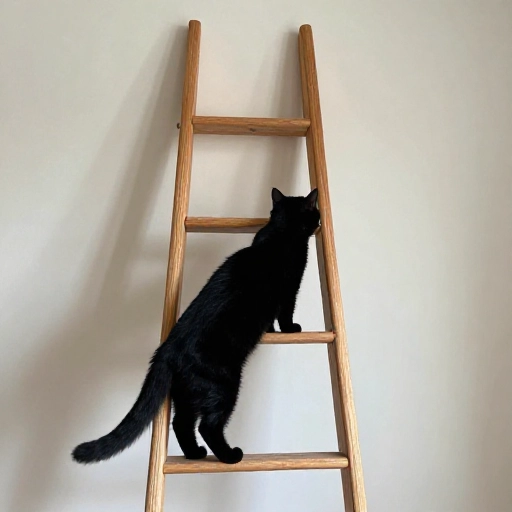
A climbing ladder gives cats a new way to reach high spots. I used wooden dowels and rope to create a ladder that hangs from a shelf. Space rungs about 6 inches apart for easy climbing.
Cat-proof tip: Secure the top of the ladder with a carabiner for easy removal. My cat uses it to reach her favorite perch, and it’s gentle on walls. This ladder is lightweight yet strong.
11. Cardboard Scratcher with Catnip Pocket
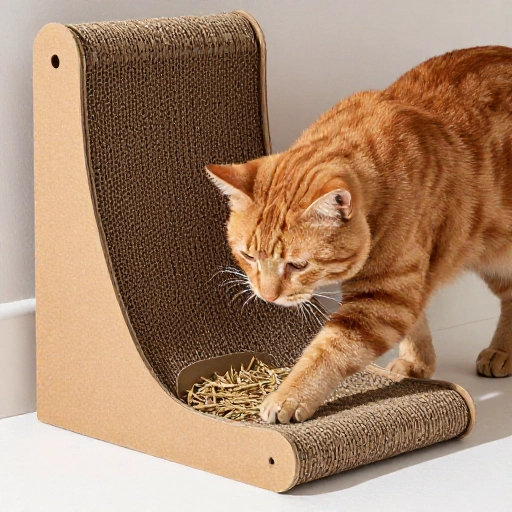
Make a scratcher that’s irresistible. I cut corrugated cardboard into strips and layered them in a shallow box. Add a small fabric pocket filled with dried catnip. The cardboard texture satisfies scratching instincts.
Cat-proof tip: Replace cardboard layers as they wear down. My cat goes crazy for the catnip pocket, and the scratcher saves my furniture. This is a budget-friendly solution that takes 20 minutes to make.
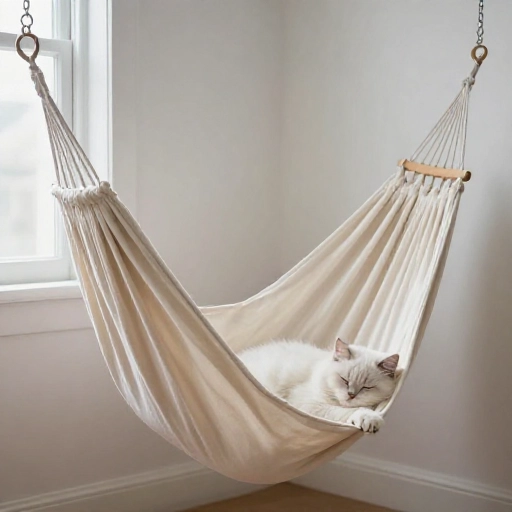
12. Hanging Bed from an Old Hammock
Repurpose an old hammock into a cat bed. I attached it to a sturdy frame or between two wall hooks. Use soft fabric that’s easy to wash. The gentle sway soothes anxious cats.
Cat-proof tip: Check hooks monthly for wear. My cat sleeps in her hanging bed every night, and it frees up floor space. This is a cozy, space-saving option for any room.
Conclusion
Building a cat-proof playground doesn’t have to be expensive or complicated. These 12 DIY solutions are practical, durable, and designed with your cat’s safety in mind. Start with one project this weekend, and watch your cat explore with joy. Your home will stay intact, and your feline friend will thank you with purrs and playful antics. Remember, the best playgrounds grow with your cat’s needs—so don’t be afraid to adapt and expand over time.
Frequently Asked Questions
What materials are safest for cat playgrounds?
Untreated wood, heavy-duty cardboard, sisal rope, and pet-safe paint are best. Avoid toxic glues or small parts that could be swallowed. Always sand edges to prevent splinters.
How do I keep my cat from knocking over play structures?
Anchor everything to walls or use heavy bases. Secure shelves into studs, and add non-slip pads under floor items. Weighted bottoms prevent tipping for towers and posts.
Can I use everyday household items for cat toys?
Yes, but supervise closely. Cardboard boxes, paper bags, and old towels are safe. Avoid strings, ribbons, or small objects that could be ingested. DIY toys should be inspected regularly for wear.
How often should I clean the playground?
Wash fabric items weekly and vacuum surfaces monthly. Cardboard and rope items can be brushed or replaced as needed. Regular cleaning prevents odors and keeps your cat healthy.
What if my cat ignores the playground?
Try adding catnip or treats near new structures. Play with your cat near the playground to build interest. Some cats take time to adjust—be patient and move items to different locations if needed.