Dog Tips That Vets Recommend: A Complete Guide
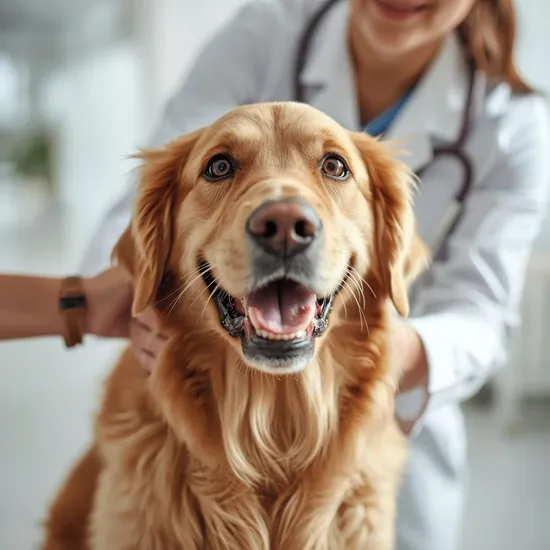
Understanding Your Dog’s Health Needs
As a dog parent, I quickly realized that keeping my pup healthy meant understanding their unique health needs. Vets often emphasize regular check-ups, proper nutrition, and vaccination schedules. Observing your dog’s behavior daily helps catch potential health issues early, from changes in appetite to unusual energy levels.
Investing time in learning about canine health pays off. Simple practices like brushing teeth, maintaining a clean environment, and monitoring weight are small but impactful steps recommended by vets. These habits not only enhance longevity but also improve your dog’s overall quality of life.
Nutrition Tips Every Vet Suggests
Nutrition plays a crucial role in your dog’s health. Vets often recommend feeding a balanced diet suitable for your dog’s age, size, and activity level. Avoiding excessive treats and ensuring proper hydration are key elements in maintaining optimal health.
Supplements can help in certain situations, but they should only be given under veterinary guidance. Learning to read dog food labels and understanding nutrient needs helps prevent obesity, digestive issues, and other common health problems.

Exercise and Mental Stimulation
Vets highlight the importance of regular exercise not only for physical health but also for mental well-being. Daily walks, interactive toys, and training sessions keep your dog engaged and prevent behavioral issues.
Mixing up routines with varied activities like fetch, puzzle games, or agility exercises keeps your dog challenged. These strategies help reduce stress, anxiety, and destructive behaviors while promoting a strong bond between you and your pup.

Routine Care and Preventive Measures
Routine care is critical for preventing health problems. Regular grooming, flea and tick prevention, and dental hygiene are all essential aspects that vets recommend for a happy, healthy dog. Establishing a consistent care routine makes it easier to spot abnormalities early.
Additionally, knowing common warning signs and seeking veterinary advice promptly helps avoid serious health complications. Preventive care and consistent monitoring significantly improve your dog’s overall lifespan and comfort.

Building a Trusting Relationship
Finally, vets stress the importance of building a trusting relationship with your dog. Understanding their body language, responding to their needs, and providing a safe environment enhances emotional health. Positive reinforcement training strengthens this bond and encourages good behavior.
Spending quality time, offering affection, and respecting your dog’s limits contribute to a well-adjusted and happy pet. Following vet-recommended tips ensures your dog feels loved, secure, and cared for at all times.