Your Complete Mini Aussie Breed Guide: Everything You Need to Know
Thinking about adding a Miniature Australian Shepherd to your family? You’re not alone. These pint-sized bundles of energy and intelligence have stolen hearts everywhere. I remember the first time I met one—I was captivated by their bright eyes and confident, wiggly little stance.
Often called Mini Aussies, they’re more than just a smaller version of their standard counterparts. They’re a distinct, purposefully bred companion packed with personality. This guide is everything I wish I’d known before bringing my own Mini Aussie home, from their surprising history to their daily needs.
1. Their Surprising History: Not Actually From Australia
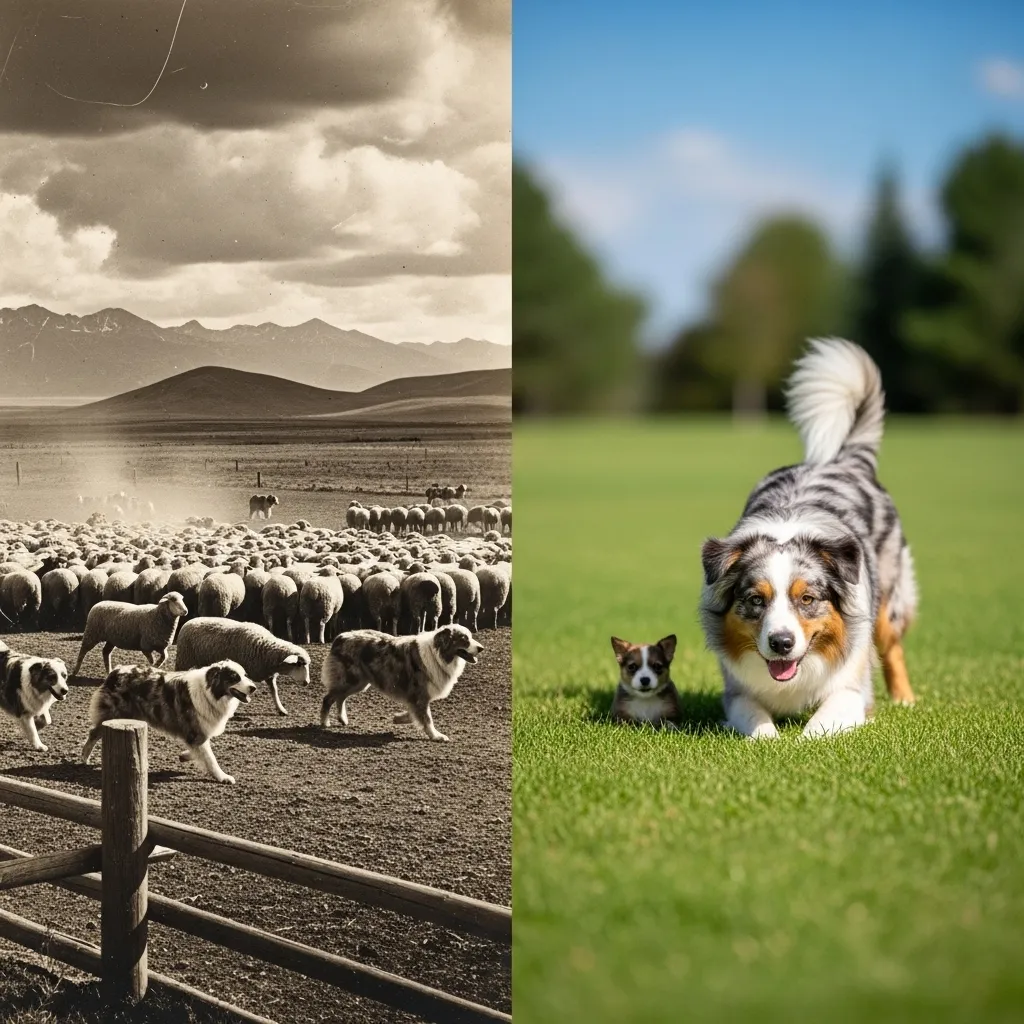
It’s one of the biggest misconceptions! Despite the name, the Australian Shepherd breed was developed primarily in the United States. Their ancestors likely came with Basque shepherds from Australia to the American West in the 1800s, hence the confusing name.
The Mini Aussie was created by selectively breeding the smaller dogs from Australian Shepherd lines. The goal was to maintain all the herding instinct and intelligence in a more compact, manageable size perfect for families and active individuals who don’t have a ranch.
2. The Look: A Perfectly Proportioned Package
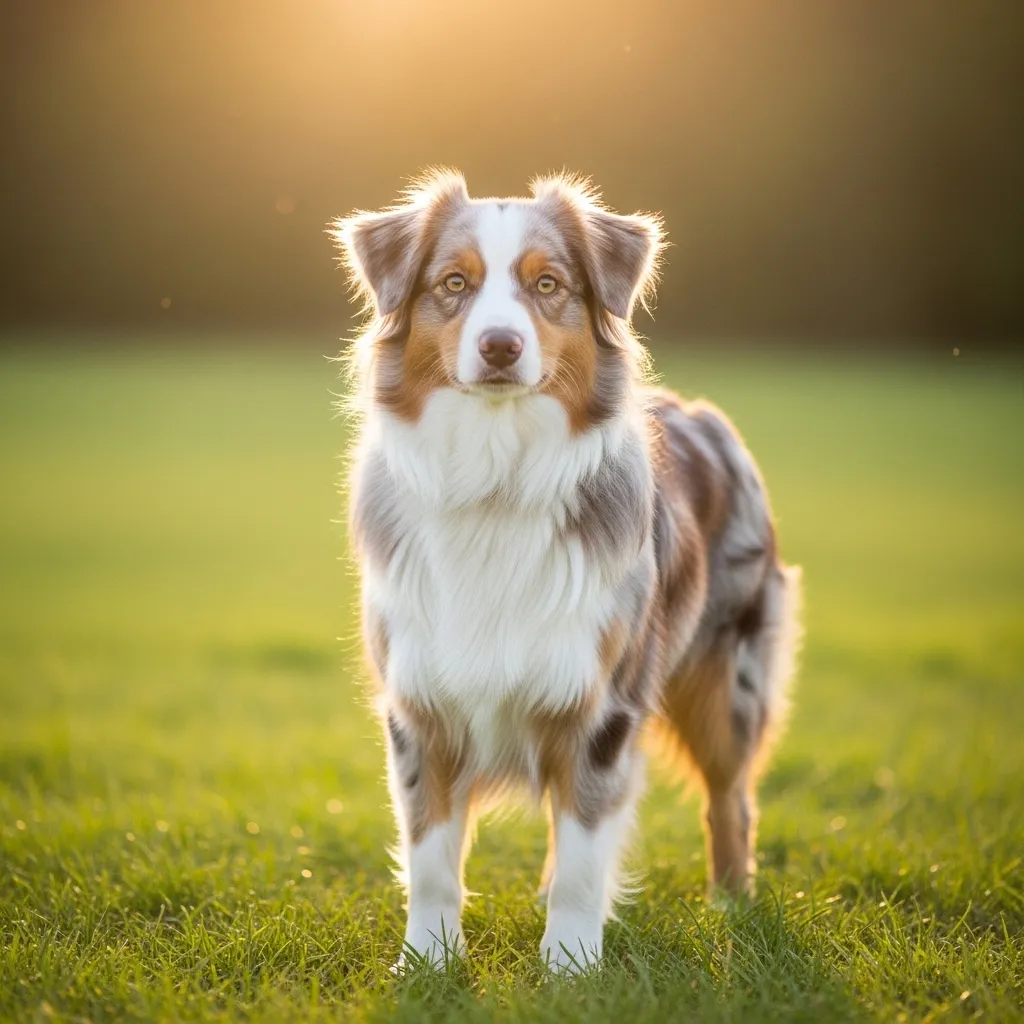
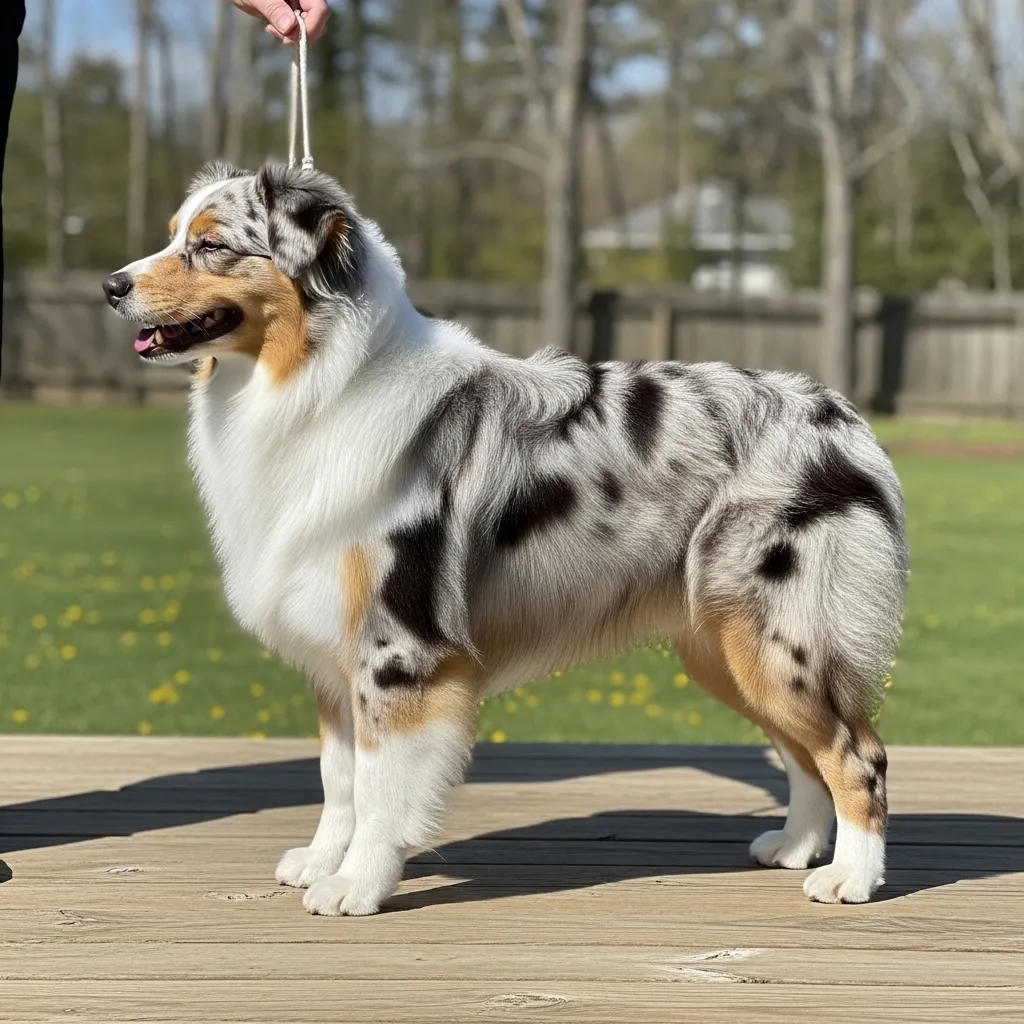
A Mini Aussie is a balanced, athletic dog. They typically stand between 13 and 18 inches at the shoulder and weigh 20 to 40 pounds. They’re solid and sturdy, never delicate or “toy-like.”
Their most stunning feature is their coat. It’s medium-length, straight to wavy, and comes in breathtaking patterns: classic blue or red merle, solid black, or solid red, all often with striking copper and white markings. Their expressive eyes can be blue, brown, amber, or even one of each!
3. A Brain That Needs a Job
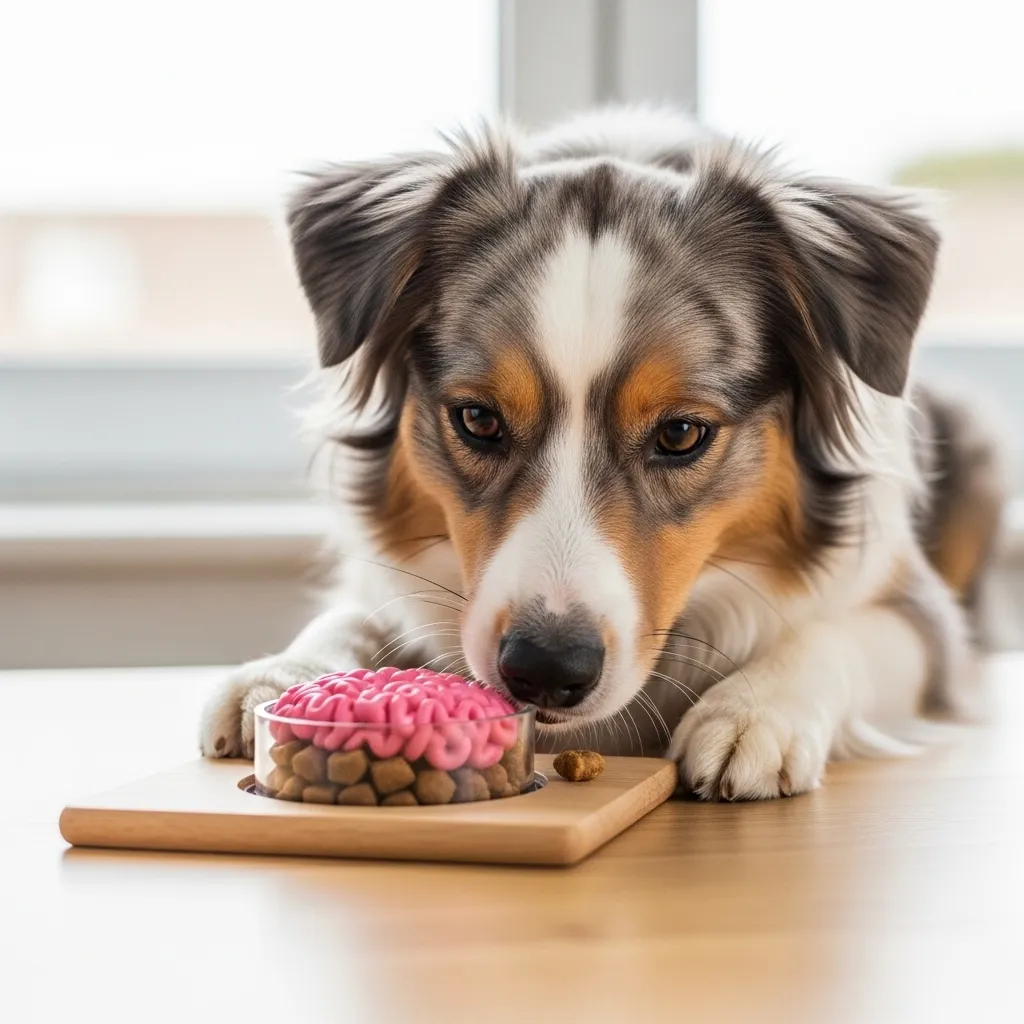
This is the most important thing to understand. Mini Aussies are incredibly smart. I’m talking “learn a new trick in three repetitions” smart. But a bored smart dog is a recipe for mischief. They need mental stimulation as much as physical exercise.
Puzzle toys, obedience training, agility courses, or even learning the names of their toys—these are all ways to engage their brilliant minds. Without it, they’ll invent their own “jobs,” like rearranging your laundry or herding the kids.
4. Energy Level: Not a Couch Potato
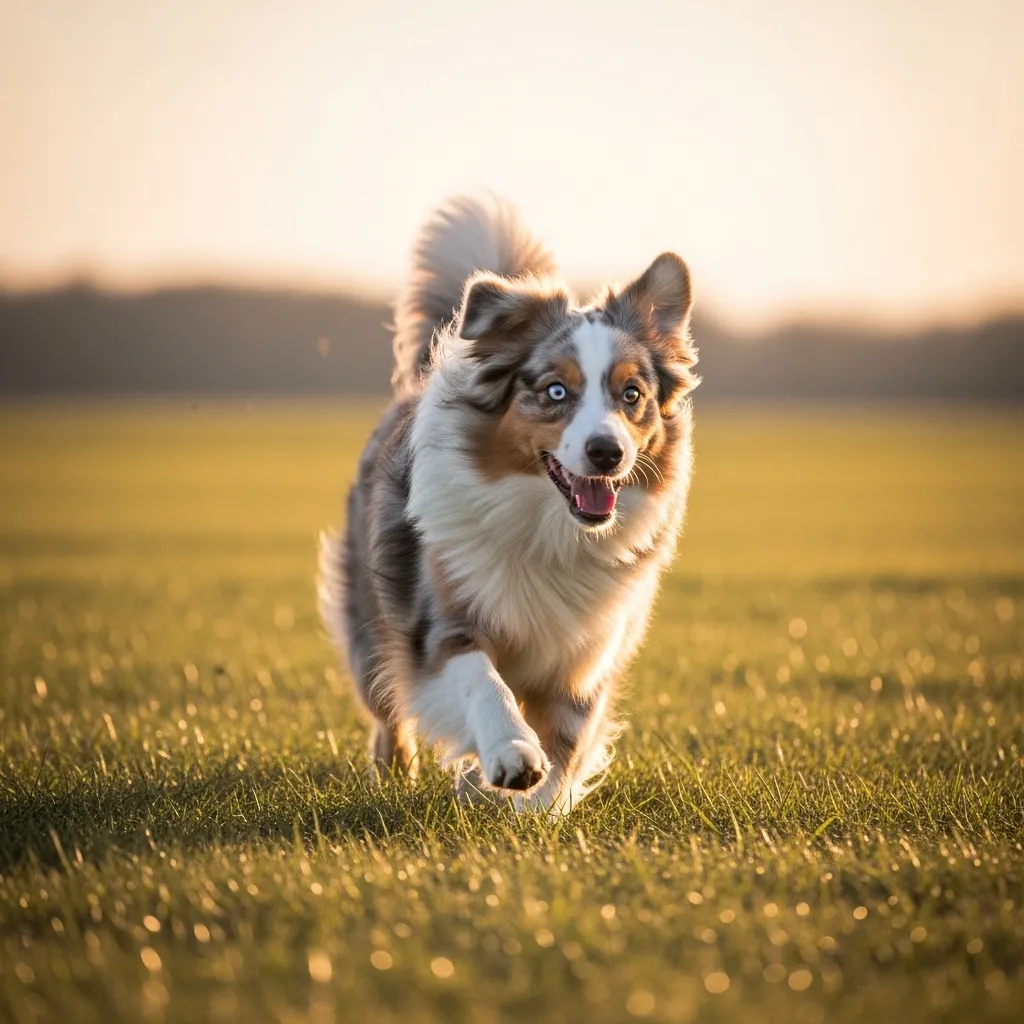
Be ready for an active companion. Mini Aussies have a working dog’s energy drive. A quick walk around the block won’t cut it. They thrive on vigorous daily exercise: long walks, hikes, runs, or intense play sessions.
This energy is part of their charm! They’re the perfect partner for an active lifestyle. A tired Mini Aussie is a happy, well-behaved Mini Aussie. If you love being outdoors, they’ll be your most enthusiastic adventure buddy.
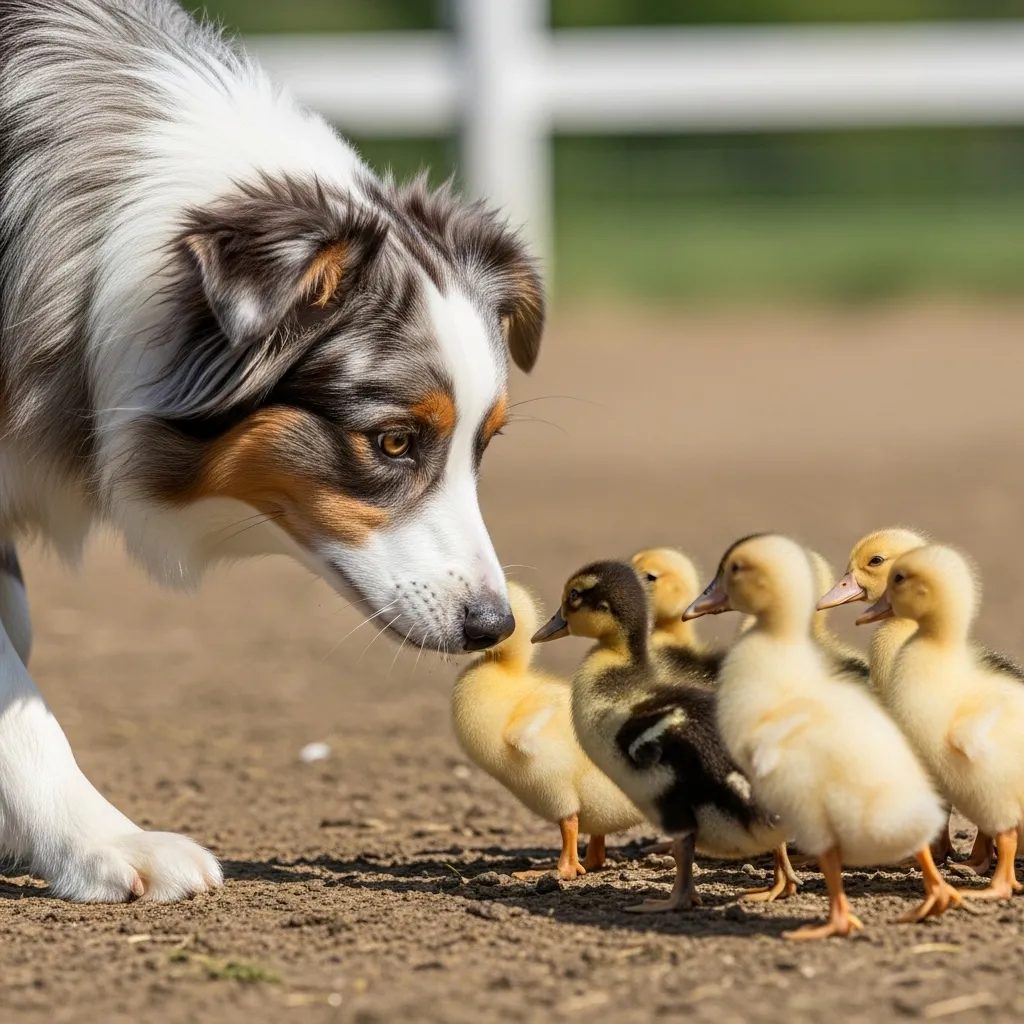
5. That Famous Herding Instinct
It’s hardwired into them. You might see it as nipping at heels, circling people, or intently staring and stalking during play. It’s not aggression; it’s pure instinct. Early training is key to managing this behavior.
We channeled our dog’s instinct into fun games like fetch (which is basically controlled chasing) and treibball (herding giant exercise balls). It’s amazing to see them use their natural talents in a positive way.
6. Loyalty & Family Life: Your Velcro Shadow
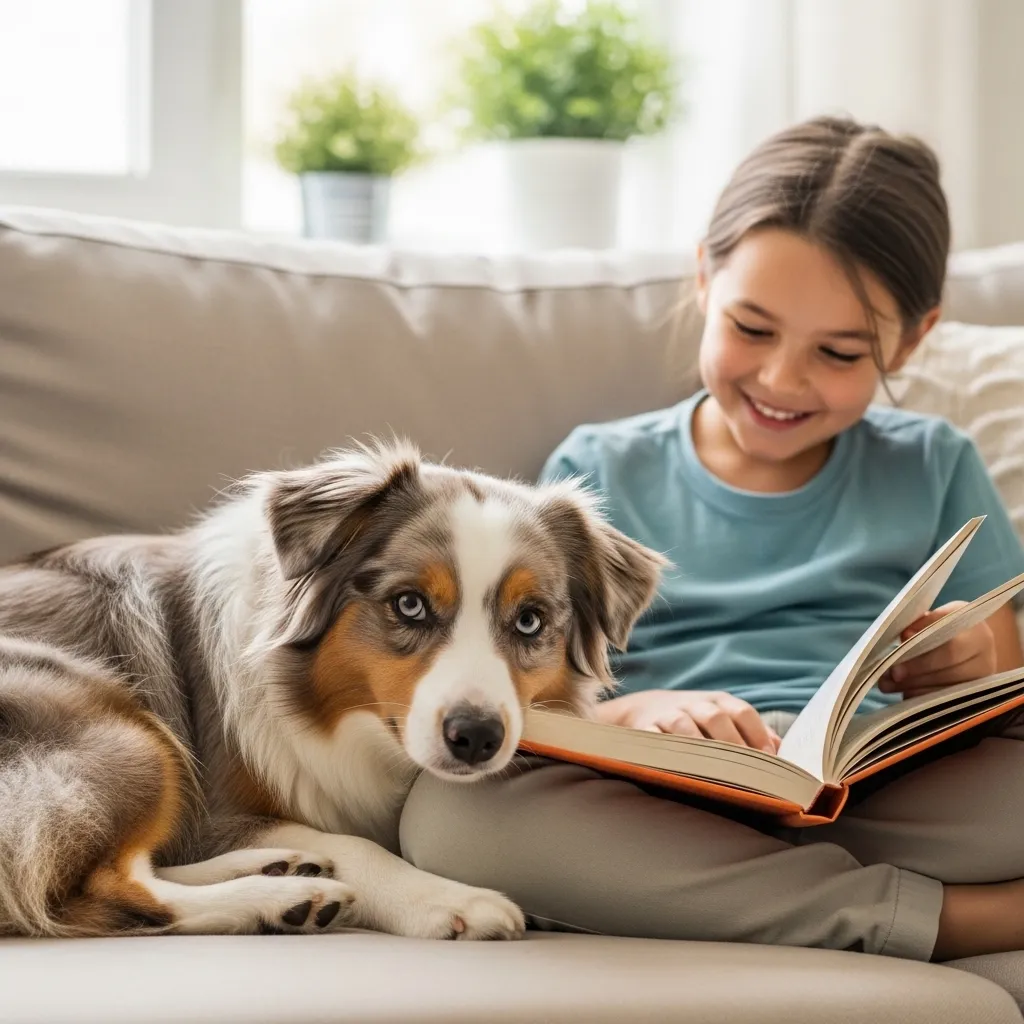
Mini Aussies form incredibly deep bonds with their people. They are often “velcro dogs,” preferring to be right by your side. This loyalty makes them wonderful, attentive family members and can lead to some separation anxiety if not managed gently from puppyhood.
They’re usually great with respectful children and other pets they’re raised with. Their protective nature means they can be reserved with strangers at first, but they warm up quickly with proper socialization.
7. Grooming: It’s a Commitment
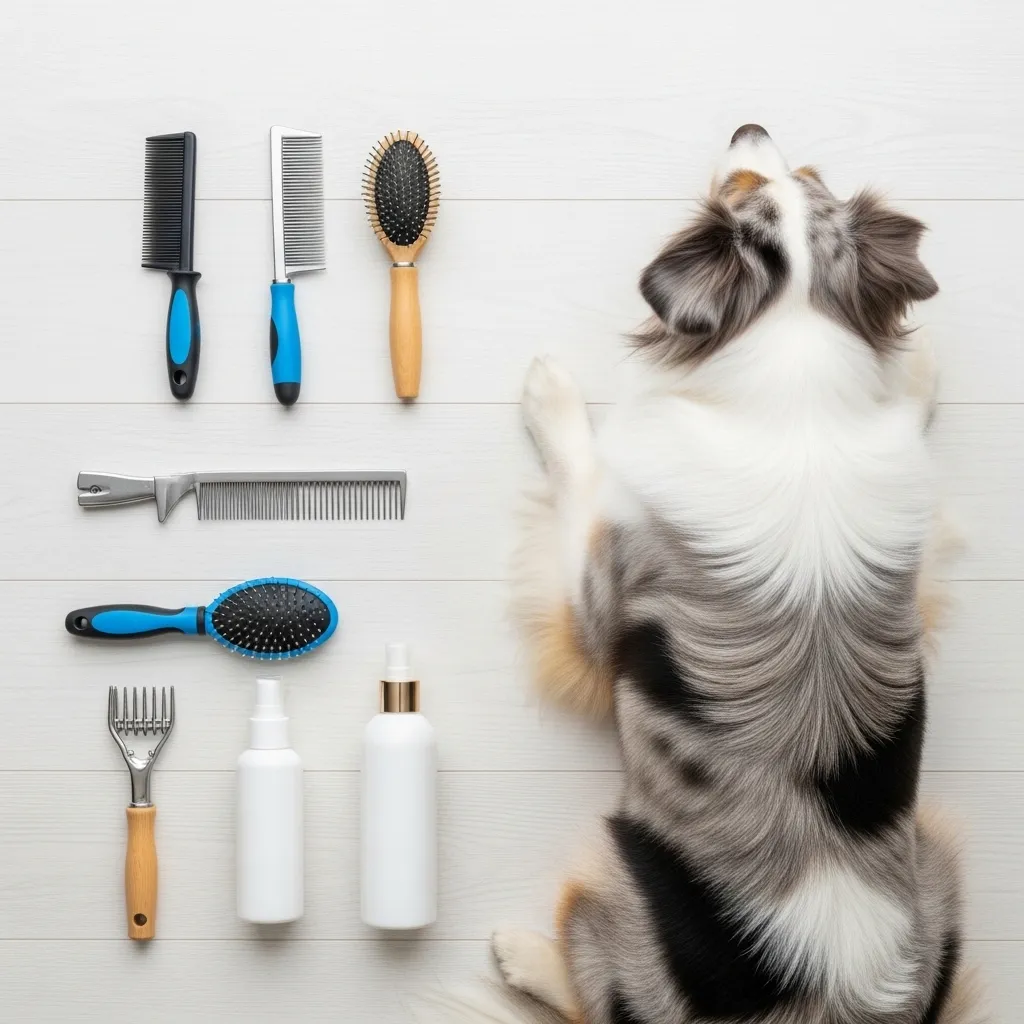
That gorgeous coat doesn’t maintain itself. Plan on a thorough brushing 2-3 times a week to prevent mats and tangles, especially behind the ears and in the “pants” (the feathering on their hind legs). During shedding seasons, daily brushing is a lifesaver.
- Regular brushing is non-negotiable.
- Bathe only as needed to preserve natural oils.
- Don’t forget nail trims, ear cleaning, and dental care.
8. Training: Start Early, Be Consistent
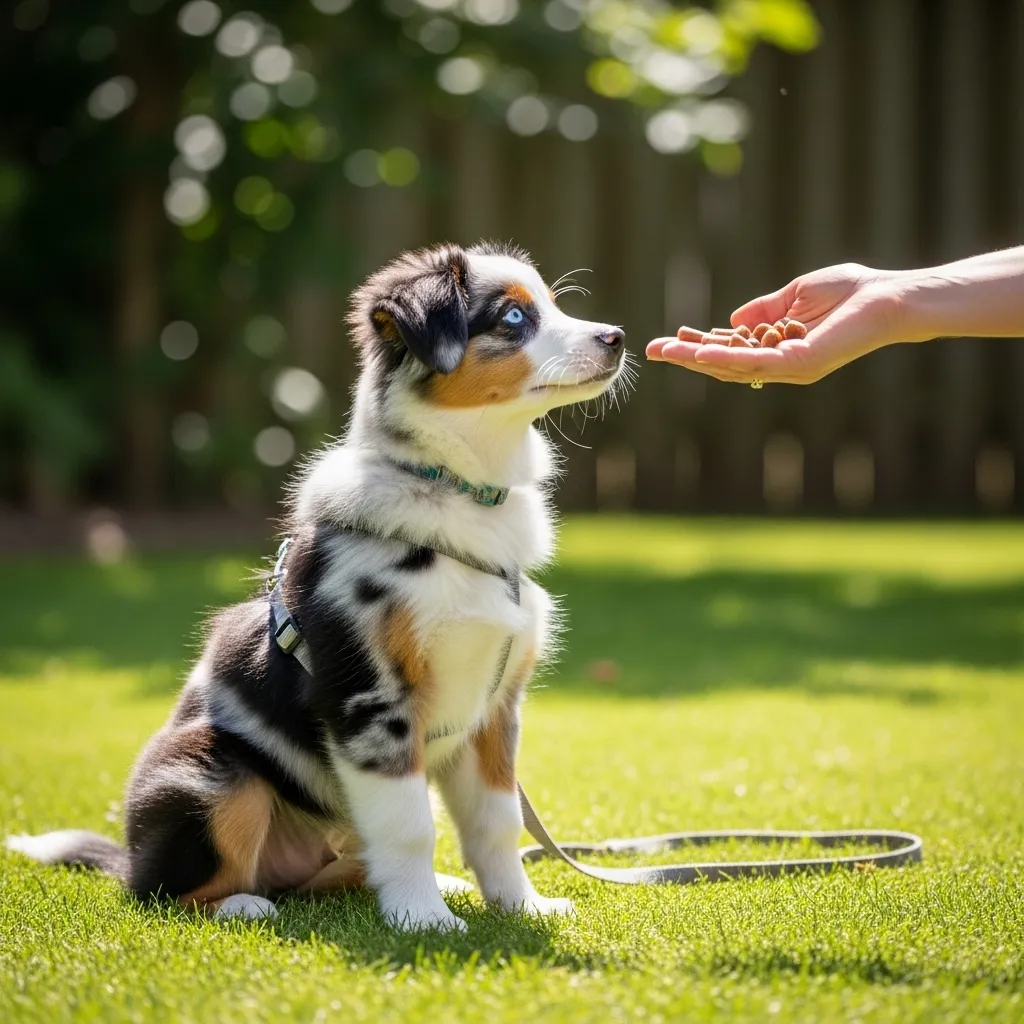
Their intelligence means they pick up on everything—good habits and bad ones. Positive reinforcement training (think treats, praise, play) works wonders. They are sensitive and do not respond well to harsh methods.
Focus on the essentials first: potty training, crate training, bite inhibition, and basic commands. Socialization—exposing them positively to different people, places, sounds, and animals—is absolutely critical in the first year.
9. Health Considerations for a Long Life
Generally a robust breed, responsible breeders screen for certain genetic conditions. Being aware helps you provide the best care.
- Hip Dysplasia: A common joint condition.
- Progressive Retinal Atrophy (PRA): An eye disease.
- Multidrug Resistance (MDR1): A genetic sensitivity to some common medications. A simple test can check for this.
Regular vet check-ups and maintaining a healthy weight are your best tools for prevention.
10. Is a Mini Aussie Right For You?
Ask yourself honestly: Can you provide consistent training, plenty of daily exercise, and mental challenges? Do you want a shadow who wants to be involved in every aspect of your day?
If you answered yes, you might just meet your perfect match. They’re not for everyone, but for the right person or active family, a Mini Aussie is an unparalleled companion full of love, laughter, and lively spirit.
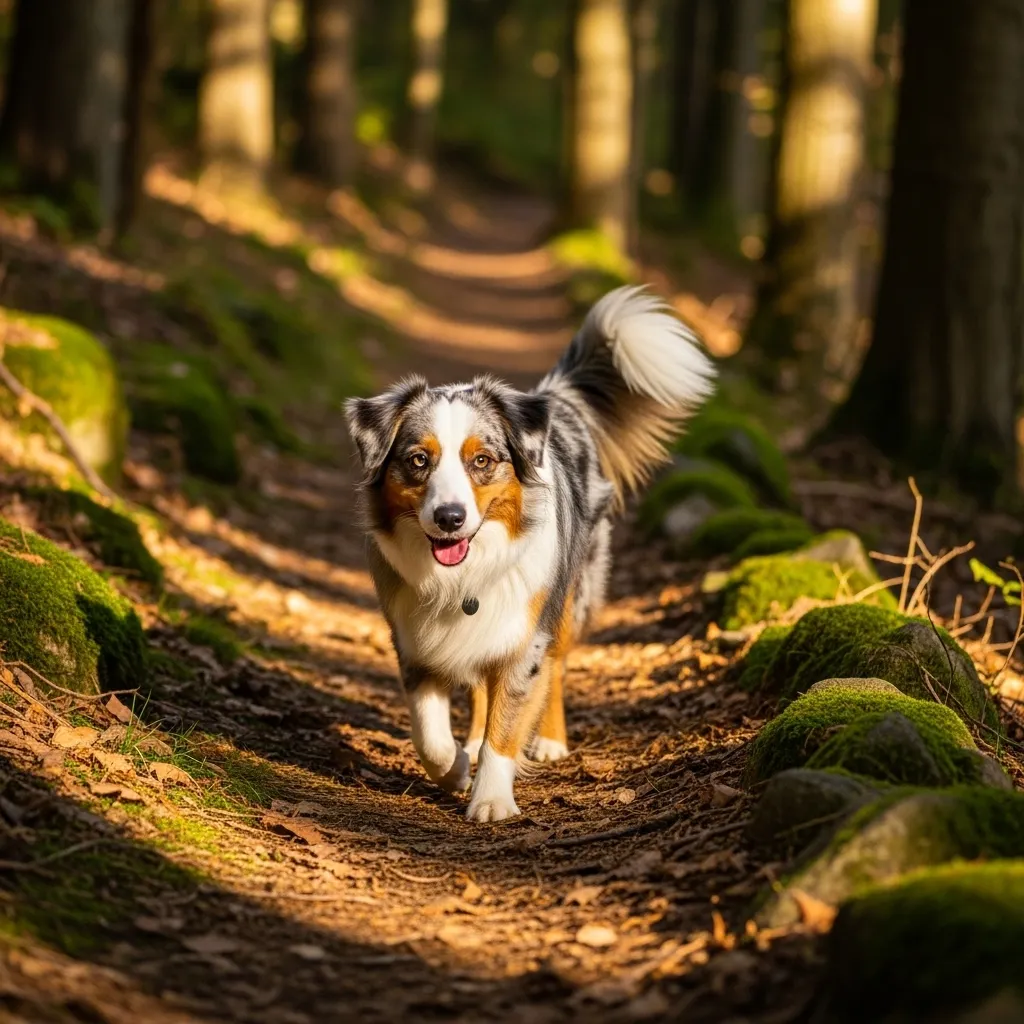
Bringing a Miniature Australian Shepherd into your life is a joyful, active commitment. It’s about partnership. You’ll gain a loyal friend who will push you to explore, play, and learn right alongside them. Do your research, find a reputable breeder or rescue, and get ready for one of the most rewarding relationships of your life.
Mini Aussie FAQ
Q: How big do they really get?
A: Typically 13-18 inches tall and 20-40 pounds. Females are often on the smaller end of the scale.
Q: Are they good apartment dogs?
A: It’s possible with a dedicated owner! They can adapt if given sufficient daily exercise and mental stimulation outside the apartment. Access to a yard is a big plus, but not a strict requirement.
Q: Do they bark a lot?
A: They can be vocal. They often bark to alert you, from excitement, or during play. Training a “quiet” command from puppyhood is very helpful.
Q: What’s the difference between a Mini Aussie and a Toy Aussie?
A: Size is the main factor. Toy Aussies are bred to be even smaller (under 14 inches). It’s crucial to find an ethical breeder who prioritizes health over extreme miniaturization.
Q: Are they easy for first-time dog owners?
A: They are intelligent and eager to please, which helps. However, their high energy and need for consistent training can be challenging. A first-time owner must be committed to learning about the breed and providing ample structure.