Get Rid of Yeast in Dogs: 5 Proven Natural Solutions
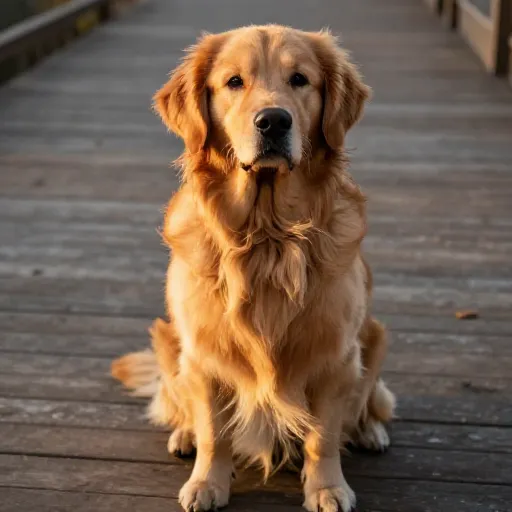
If you’ve ever caught your dog obsessively licking their paws or noticed that funky, corn-chip smell radiating from their ears, you know exactly how frustrating yeast overgrowth can be. I’ve been there—watching my own pup scratch until she was raw, trying everything the vet suggested, and still seeing the problem creep back. It’s exhausting, and honestly, it breaks your heart.
The good news? You don’t have to rely solely on harsh chemicals or endless rounds of antibiotics. There are real, proven natural solutions that tackle yeast at the source. Most yeast problems in dogs stem from an overactive immune response, diet issues, or a gut imbalance. Fix those, and you can finally help your dog find relief.
Here are five natural, veterinarian-informed strategies that have worked wonders for my own dog and thousands of others. These aren’t quick fixes—they’re lifestyle shifts that build lasting health.
1. Rethink the Bowl: Switch to a Low-Carb, Fresh Diet
Yeast is a sugar fiend. It feeds on carbohydrates, which break down into glucose in your dog’s body. If you’re feeding kibble loaded with starches, potatoes, or rice, you’re basically throwing a buffet for the yeast. The first and most powerful step is to remove that fuel source.
I switched my dog to a fresh, grain-free diet with a focus on high-quality protein and low-glycemic vegetables like zucchini and spinach. The change was noticeable within two weeks. Her itching didn’t stop overnight, but the constant licking slowed down dramatically.
Look for foods with limited ingredients. If you’re preparing meals at home, always consult with a veterinary nutritionist to ensure your dog gets balanced nutrients. The goal isn’t just to starve the yeast; it’s to nourish the good bacteria that keep yeast in check.

2. Probiotics: Your Dog’s Best Hidden Ally
Most of your dog’s immune system lives in the gut. When the gut flora is out of balance—too much yeast, not enough healthy bacteria—everything else falls apart. Adding a high-quality probiotic helps crowd out the yeast and restore order.
I give my dog a powdered probiotic mixed into her morning meal. It’s simple, and I noticed she wasn’t as gassy within a few days. Over time, her skin became less greasy, and the musty smell started to fade.
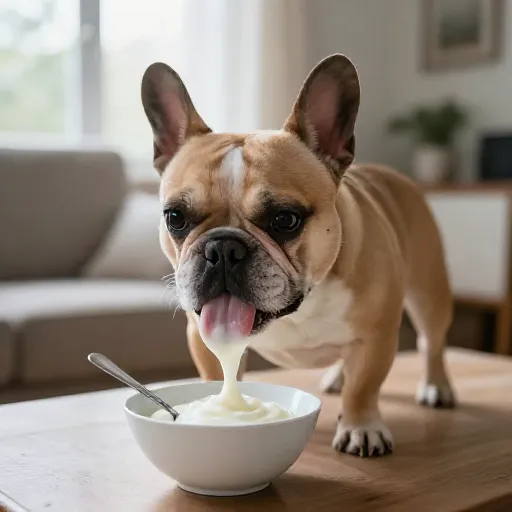
Not all probiotics are created equal. Look for one that contains strains like Lactobacillus acidophilus or Bifidobacterium. Even better, add a spoonful of plain, unsweetened kefir or yogurt (if your dog tolerates dairy) as a natural boost.
3. Apple Cider Vinegar: The pH Reset Button
Yeast thrives in environments that are too alkaline. Apple cider vinegar (ACV) helps restore your dog’s natural acidic pH, making the skin and ears less welcoming to yeast overgrowth. It’s a classic remedy for a reason—it works.
I use it two ways. First, as a topical rinse: mix one part raw, unfiltered ACV with one part water, and use a cloth to wipe my dog’s paws and belly after walks. Second, for itchy ears, I use a few drops of diluted ACV on a cotton ball to gently clean the outer ear (never inside the canal if it’s inflamed).
Important: Never use ACV on open, raw, or broken skin—it will sting terribly. Also, don’t put it in their water bowl. It can upset their stomach and erode tooth enamel. Stick to topical use and watch the magic happen.
4. The Power of Coconut Oil (Inside and Out)
Coconut oil is a superstar for yeast issues because it contains caprylic acid, a medium-chain fatty acid that has natural antifungal properties. It’s safe to give internally and works as a soothing topical treatment. It’s like a two-for-one deal.
I started by giving my dog a teaspoon with her dinner. It helps her skin from the inside out, reducing the inflammation that makes her scratch. You can also rub a small amount directly onto the affected areas—paws, armpits, or belly—to soothe the itch and create a barrier against moisture.
Start slow. Too much coconut oil too fast can cause loose stools. For a medium-sized dog, a teaspoon daily is a good starting point. Always choose virgin, cold-pressed, unrefined coconut oil for the best benefits.
5. Ditch the Plastic Bowls
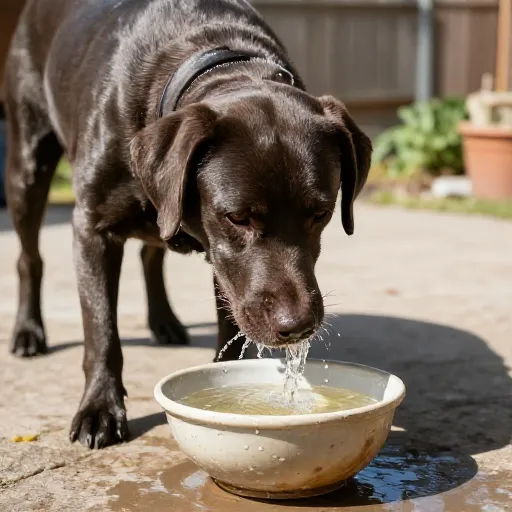
This one sounds too simple to matter, but it’s a game-changer. Plastic bowls are porous and harbor microscopic scratches where yeast and bacteria love to hide. Every time your dog drinks or eats, they’re reintroducing those microbes to their face and lips.
I swapped all my dog’s bowls for stainless steel or ceramic. I wash them daily in hot, soapy water. That one change, combined with wiping her paws after rainy walks, reduced the yeast around her chin and muzzle significantly.
It’s all about reducing the constant exposure. Think of it as keeping the enemy out while you rebuild your dog’s internal defenses. Small, consistent habits like this are what actually solve chronic issues long-term.
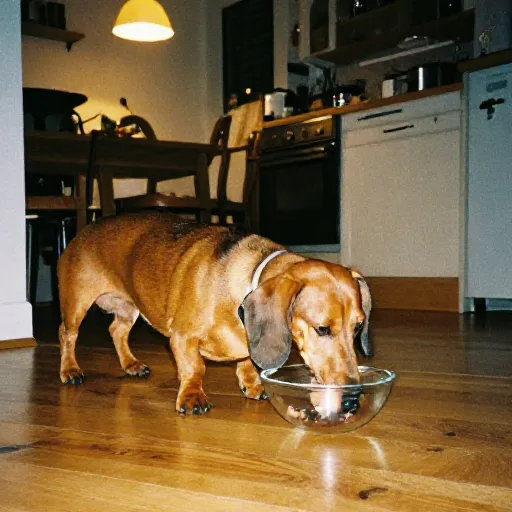
Bonus: The Antifungal Bath Routine
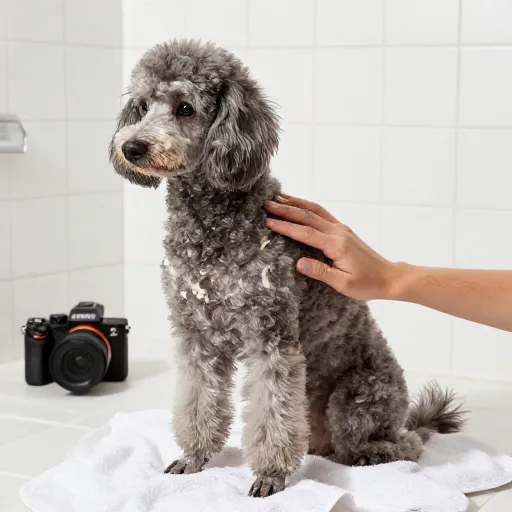
Sometimes, you need immediate relief. A bath with a natural antifungal shampoo can knock down the yeast population on the skin surface, giving your dog a much-needed break from the itch. I do this every 5-7 days during a flare-up.
Look for shampoos with ingredients like chlorhexidine, ketoconazole, or even tea tree oil (in very low, safe concentrations). I follow the instructions exactly, letting the lather sit for 5-10 minutes before rinsing thoroughly. This gives the active ingredients time to work.
After the bath, make sure your dog is completely dry, especially in skin folds. Moisture is yeast’s best friend. If you have a breed with floppy ears, dry inside the ear flap gently with a soft towel.

Bonus: Manage Seasonal Allergies
For many dogs, yeast is a secondary infection. The root cause is often environmental allergies (pollen, grass, dust mites) that cause inflammation, which then creates the perfect breeding ground for yeast. If you treat only the yeast, it will keep coming back.
I started giving my dog a daily omega-3 fatty acid supplement (fish oil) to reduce overall inflammation. It helped calm her skin enough that the yeast couldn’t take hold as easily. I also wipe her paws with a damp cloth every time she comes inside to remove allergens.
This is about reducing the trigger load. If you can manage the allergy, the yeast doesn’t have a chance to overgrow in the first place. It’s a proactive approach rather than a reactive one.
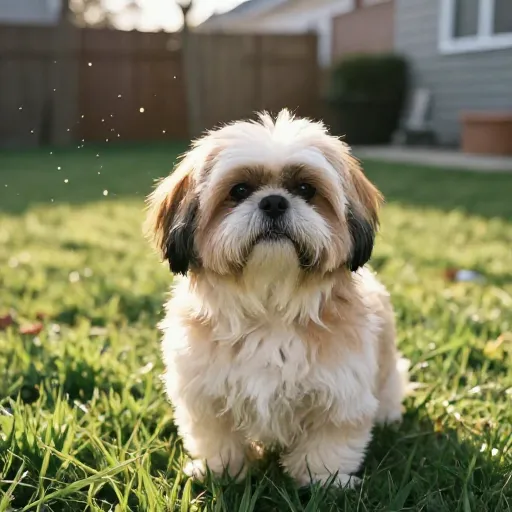
Bonus: The “Ear Check” Routine
Yeast loves warm, dark, moist environments—which is exactly what a dog’s ear canal is. Chronic ear infections are often yeast-based. I make it a habit to check my dog’s ears once a week, just a quick sniff and a visual look.
A healthy ear should be pink, clean, and odorless. If I see dark brown waxy discharge or smell that sweet, musty odor, I know yeast is starting to bloom. I use a gentle, natural ear cleaner (often with witch hazel or boric acid) to keep things dry and clean.
Don’t stick cotton swabs in the ear canal. Just wipe the visible part of the ear with a cotton ball. If the ear is hot, painful, or very red, skip the home treatment and see your vet immediately—that could be a bacterial infection that needs medical help.
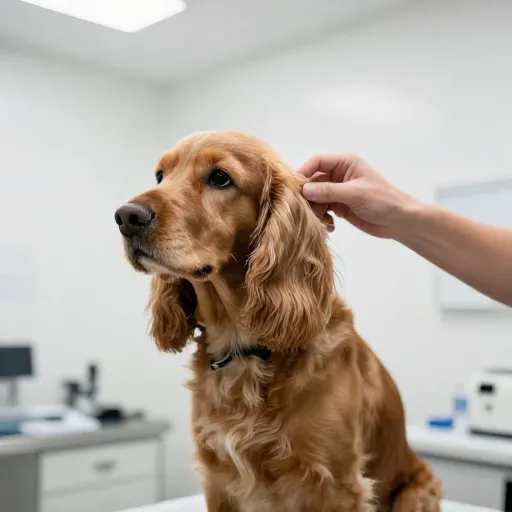
Bonus: Coconut Oil Popsicles for Summer Itch
Summer heat and humidity can make yeast issues explode. My dog loves this cooling treat that also helps fight yeast from the inside. It’s a fun way to give her a daily dose of antifungals without a fight.
I mix one can of unsweetened coconut milk (not the drinking carton, the canned one for cooking) with a tablespoon of raw honey (antibacterial) and a scoop of collagen powder. I pour it into ice cube trays and freeze. These popsicles are hydrating and soothing.
They’re great for dogs who won’t take pills or oils directly. The healthy fats support skin health while the cold helps reduce inflammation. Just remember to keep portions small to avoid stomach upset.
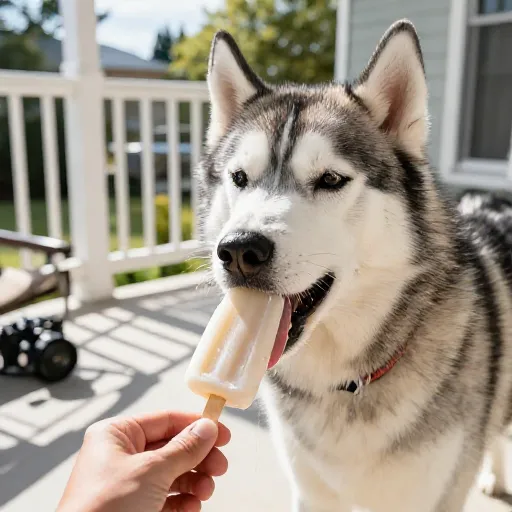
Conclusion
Dealing with yeast in dogs can feel like a never-ending battle, but it doesn’t have to be. The key is to stop chasing the symptoms and start fixing the environment that allows yeast to thrive. By adjusting their diet, supporting their gut, and keeping their skin dry and clean, you can break the cycle for good.
Be patient. Natural healing takes time—usually 4 to 8 weeks to see significant changes. Stick with it, stay consistent, and celebrate the small victories (like a paw that doesn’t smell like corn chips!). Your dog will thank you with a happier, healthier, and itch-free life.
FAQ
Q1: How do I know if my dog has a yeast infection or just allergies?
Yeast has a distinctive sweet, musty odor (often compared to corn chips or Fritos). Look for greasy skin, dark brown waxy ear discharge, and red, inflamed skin that itches intensely. Allergies usually cause more general itching and hives, while yeast tends to localize in ears, paws, and skin folds.
Q2: Can I use human antifungal cream on my dog?
Yes, in some cases. Over-the-counter creams like clotrimazole or miconazole are generally safe for dogs, but only on small, localized areas. Make sure your dog doesn’t lick it off. However, for widespread issues, a vet-prescribed oral medication or medicated shampoo is more effective.
Q3: Is a yeast infection in dogs contagious to humans or other pets?
No, not typically. The yeast (Malassezia) that affects dogs is part of their normal skin flora and is species-specific. It doesn’t spread to humans or cats unless the other animal has a severely compromised immune system.
Q4: How long does it take for natural remedies to work on yeast?
You might see a reduction in odor and itching within 1-2 weeks, especially with dietary changes. However, fully healing the skin and balancing the gut can take 4-8 weeks. Consistency is more important than speed.
Q5: Can stress cause yeast overgrowth in dogs?
Absolutely. Stress increases cortisol levels, which suppresses the immune system and alters the gut microbiome. If you’ve changed routines, moved, or added a new pet, that stress can trigger a yeast flare-up. Providing a stable, calm environment is part of the healing process.