How to Train a Reactive Dog (The Easy, Gentle Way)
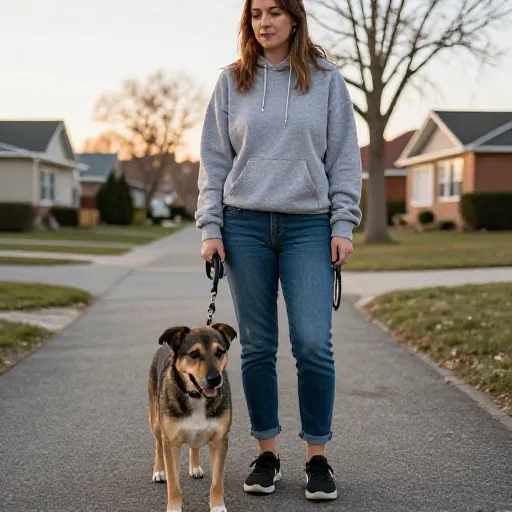
If your dog lunges, barks, or growls at other dogs, people, or squirrels, you know how stressful it can be. I’ve been there—feeling like everyone is staring, and you just want to disappear. But here’s the truth: training a reactive dog doesn’t have to be complicated or harsh.
It’s about small, consistent steps that build your dog’s confidence and change how they feel about their triggers. Over time, your walks can go from chaotic to calm. Let me share ten simple, effective ideas that actually work—without making you feel like a drill sergeant.
Remember: patience is your best tool. You and your dog are a team, and every little win counts.
1. Understand Your Dog’s “Why”
Reactivity almost always comes from fear, frustration, or over-excitement. Your dog isn’t being “bad”—they’re trying to tell you something. Watch their body language: stiff tail, pinned ears, or frantic barking are all clues.
Once you know the trigger (dogs? bikes? men with hats?), you can plan. Keep a simple journal for a week. Note when and where reactions happen. This isn’t overthinking; it’s being a detective for your pup.
The more you understand their world, the easier it is to help them feel safe.
2. Create Space—Always
Distance is your best friend. If your dog reacts at 20 feet, start training at 30 feet. You want to stay under their “threshold”—that point where they can still think and take treats.
Cross the street, duck behind a car, or turn around. It’s not cowardly; it’s smart management. Over time, you can slowly decrease that distance.
Think of it like this: you wouldn’t throw a kid who fears water into the deep end. Same goes for your dog.
3. Use High-Value Treats Like Magic
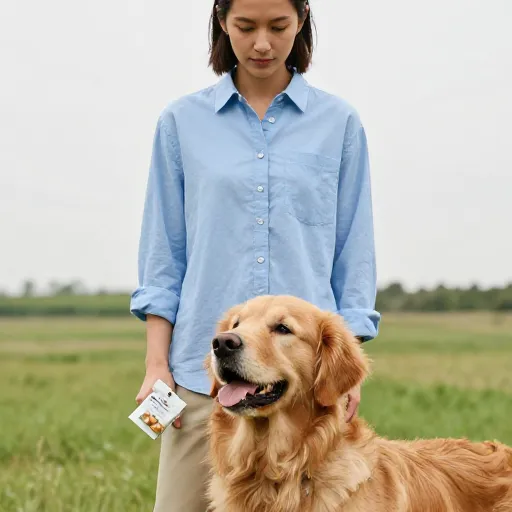
Forget basic kibble. You need treats that make your dog’s eyes pop—tiny pieces of cheese, hot dog, or freeze-dried liver. These are “emergency snacks” for training.
Every time your dog sees a trigger and doesn’t react, drop a treat. Then another. And another. You’re teaching them: “That scary thing? It predicts cheese.”
Keep treats in a pouch or your pocket at all times. You never know when a surprise trigger will appear.
4. The “Look at That” Game
This is a simple but powerful exercise. When your dog notices a trigger (say, a dog across the street), say “yes!” or click, then give a treat. Don’t force them to look at you—just reward them for noticing.
Repeat until your dog starts looking at the trigger, then glancing back at you for a treat. That’s the magic moment. They’re learning that checking in with you is better than reacting.
Practice this at a distance where they’re calm. It works like a charm.
5. Turn Walks Into Fun Training Sessions
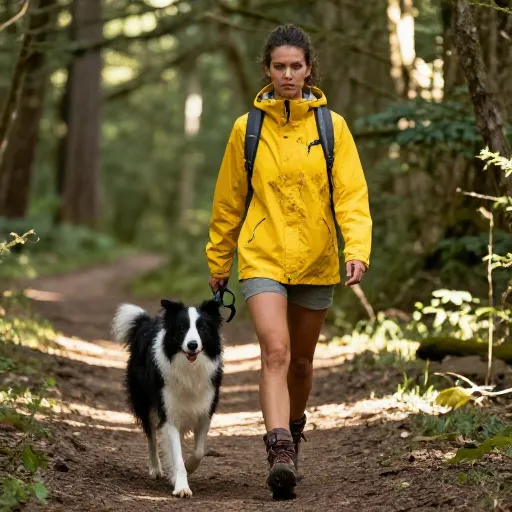
Don’t just walk to get from A to B. Use your walk as a moving classroom. Practice “watch me,” “touch,” and “find it” (scatter treats on the ground). These simple cues keep your dog’s brain engaged and focused on you.
When you see a trigger coming, ask for a “touch” (nose to your palm) and reward. This redirects their attention without forcing it.
Short, happy sessions (5–10 minutes) are way better than long, stressful ones.
6. Manage Your Environment First
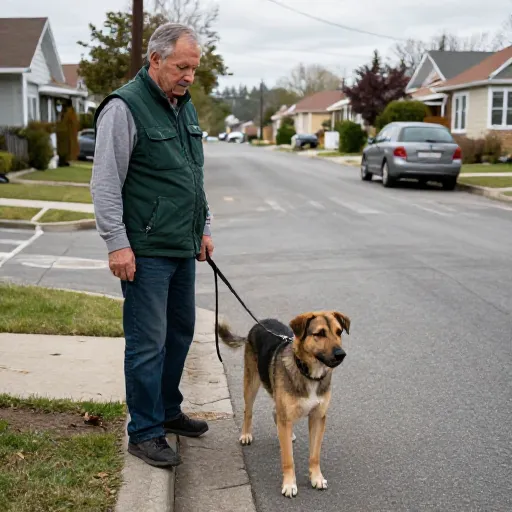
You can’t train if you’re always setting your dog up to fail. Use management tools: a front-clip harness for better control, a head halter if needed, or a “do not pet” vest.
Walk during quieter hours. Avoid crowded parks. Drive to a quiet trail instead of the busy sidewalk. This isn’t giving up—it’s setting the stage for success.
Think of management as your safety net while you build new habits.
7. Practice “Emergency U-Turns”
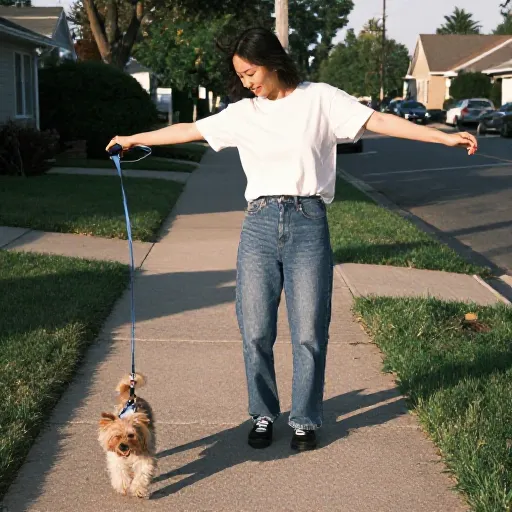
Sometimes you just need to get out of Dodge. Teach your dog a quick, smooth U-turn. Use a cheerful “this way!” and pivot, rewarding them as they follow.
Practice this at home first (no triggers). Then use it when you spot a trigger too close for comfort. The goal is a calm, non-jerky turn that feels like a game.
This gives you control without yanking or yelling. It’s a lifesaver.
8. Build Neutrality, Not Just Obedience
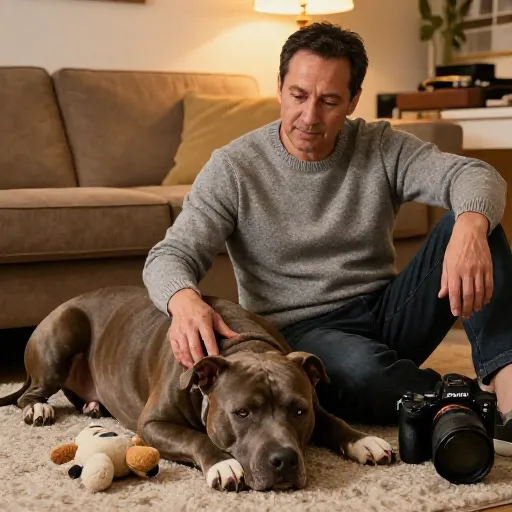
It’s not about making your dog “sit” while a trigger passes. It’s about teaching them that the trigger is boring. Reward calm behavior—a soft look, a loose leash, a relaxed body.
If your dog can walk past a trigger without reacting (even at a distance), that’s a huge win. Don’t rush to get closer. Let them set the pace.
Neutrality is the real goal, not robotic commands.
9. Use “Pattern Games” for Predictability
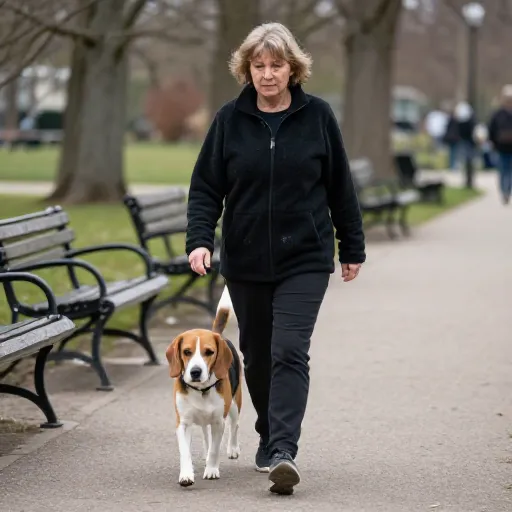
Dogs love patterns. Try the “1-2-3” game: count “1-2-3,” then toss a treat on the ground. Repeat until your dog automatically looks at you when you start counting. Then use it when a trigger appears.
Another favorite: “treasure hunt.” Scatter a handful of treats in the grass and let your dog sniff them out. This lowers their arousal and shifts focus to something enjoyable.
Patterns create calm. And calm is contagious.
10. Celebrate Every Tiny Win
Training a reactive dog is a marathon, not a sprint. Did your dog only bark twice instead of ten times? Win. Did they look at a trigger and then look at you? Huge win.
Keep a “wins list” on your phone. Write down one good thing from each walk. On tough days, read it back. It reminds you how far you’ve come.
Your dog is trying their best. And so are you. That’s enough.
Conclusion
Training a reactive dog doesn’t mean fixing them overnight. It means showing up, being consistent, and believing in your dog’s ability to change. The steps above are simple, but they work because they respect your dog’s feelings and your sanity.
You don’t need fancy tools or a perfect dog. You just need patience, high-value treats, and a willingness to start where your dog is today. Take it one walk at a time—you’ve got this.
Frequently Asked Questions
1. How long does it take to train a reactive dog?
It varies. Some dogs improve in weeks, others take months. The key is consistency. Even small progress counts. Focus on your dog’s comfort, not a timeline.
2. Should I use a prong collar or e-collar for reactivity?
I don’t recommend them. They can increase fear and make reactivity worse. Positive reinforcement (treats, praise, play) builds trust and lasting change without pain.
3. Can I train a reactive dog alone, or do I need a professional?
Many people succeed on their own using management and counter-conditioning. But if your dog is aggressive or you feel unsafe, hiring a certified positive-reinforcement trainer is a great idea.
4. What if my dog reacts anyway, even with treats?
That means you’re too close to the trigger. Increase distance and try again. It’s not a failure—it’s data. Your dog is telling you they need more space.
5. Will my dog ever be “normal” on walks?
“Normal” looks different for every dog. Many reactive dogs become much calmer and more manageable. Some always need a little extra space. And that’s okay. You’re giving them a good life.