Simple Dog House Plans for Large Dogs: Build Your Pup the Perfect Retreat
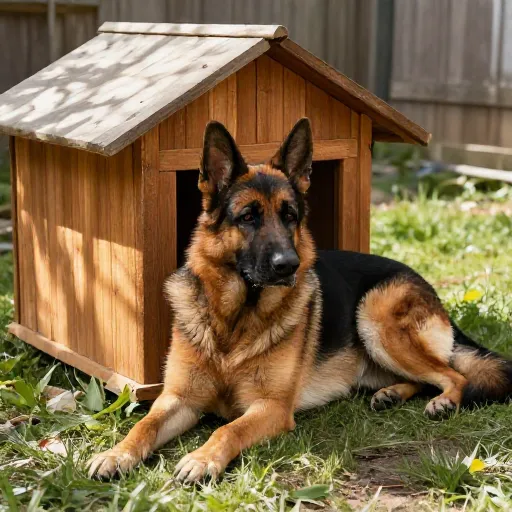
There’s something so special about watching your big furry friend curl up in their own space. After years of buying flimsy store-bought dog houses that barely fit my 80-pound Labrador, I finally decided to take matters into my own hands. Building a dog house for a large breed isn’t as intimidating as it sounds, trust me.
Whether your pup is a gentle giant or a rambunctious goofball, they deserve a sturdy, cozy spot to call their own. These simple dog house plans for large dogs are designed with the beginner builder in mind. I’ve gathered my favorite straightforward approaches that look great in any backyard, keep your dog warm in winter and cool in summer, and won’t break the bank. Let’s get building!
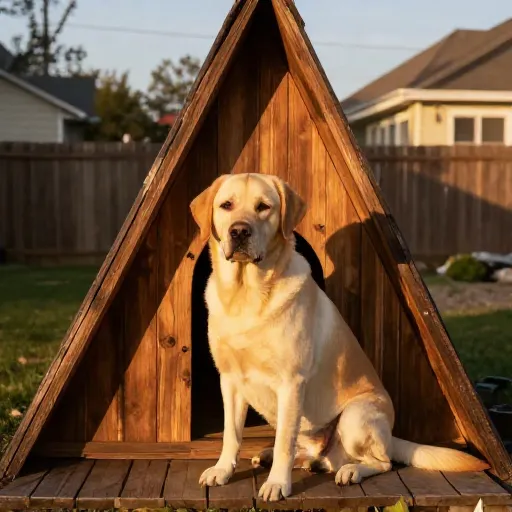
1. The Classic A-Frame Dog House
The A-frame is a timeless choice for good reason. Its sloped roof naturally sheds rain and snow, making it incredibly low-maintenance. For large breeds, you’ll want to adjust the standard measurements—think at least 36 inches wide and 42 inches deep. The triangular interior feels snug and secure to dogs, like a cozy den.
You only need plywood sheets, some 2x4s for framing, and exterior screws. The angled walls mean less material waste and a quicker build. I love how simple the cuts are, even with a basic circular saw. A hinged roof panel makes cleaning a breeze, which you’ll appreciate come spring.
Just be mindful of headroom. While large dogs love the snug feel, they also need to stand up and turn around. Make sure the peak is high enough for your specific dog’s height. Adding a simple rubber flap over the entrance helps block wind and rain.
2. The Insulated Box-Style Shelter
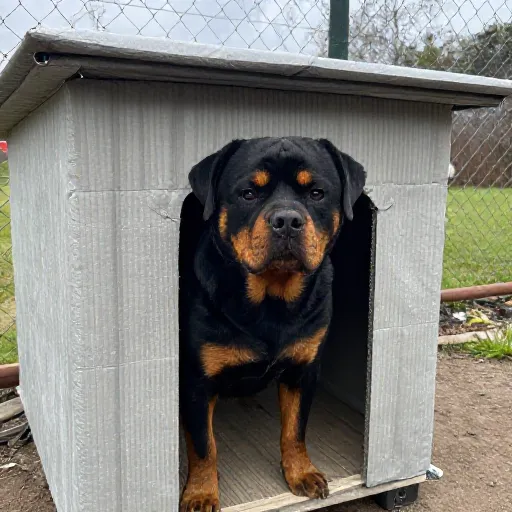
If you live somewhere with freezing winters or scorching summers, insulation is non-negotiable. The box-style design is basically a mini shed with an offset entrance. This layout creates a “windbreak” inside, so your dog can sleep away from the door and stay warm. I used foam board insulation sandwiched between the exterior plywood and an interior panel.
For large dogs, you’ll want a floor that’s raised off the ground. This prevents cold from seeping up and keeps the wood dry. Pressure-treated lumber for the floor base is a smart investment. The flat roof can be slightly sloped, just enough to let water run off.
Don’t forget to make the door offset to one side, not centered. This simple trick is a game-changer for temperature control. It blocks direct wind and gives your pup a solid wall to lean against. Add some cedar shavings inside, and your dog will be living in luxury.
3. The Upcycled Pallet Creation
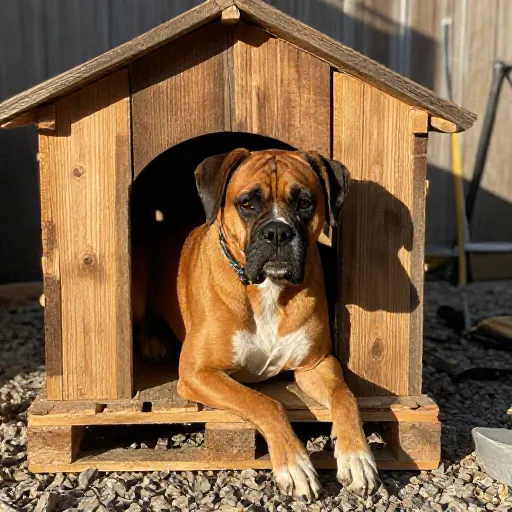
This is the plan for the budget-conscious builder who loves a rustic look. Pallets are free or very cheap, and they make incredibly sturdy walls for a large dog house. I started by deconstructing the pallets carefully to avoid split wood. You’ll need a pry bar and a little patience, but the results are worth it.
Sand the wood well to prevent splinters—your dog’s nose will thank you. You can leave the wood natural for a farmhouse aesthetic or paint it with non-toxic exterior paint. The gaps between slats are perfect for natural ventilation in the summer. For winter, you can staple plastic sheeting or rigid foam to the inside walls.
Stack the pallets to create solid walls, then build a simple flat roof on top. This design is modular and forgiving if your measurements are slightly off. It’s a great weekend project that looks charming and costs almost nothing. Just make sure the structure is stable and doesn’t wobble.
4. The Elevated Deck House
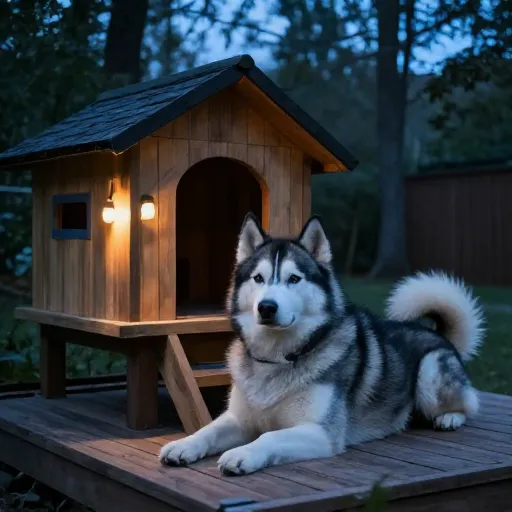
Large dogs generate a lot of heat, and in the summer, a house sitting directly on the ground becomes an oven. An elevated design solves this problem beautifully. By raising the floor off the ground on legs, air circulates underneath, keeping the interior noticeably cooler. I built mine on 4×4 legs about 12 inches high.
This design also protects your pup from damp grass, insects, and mud. The height makes it easier for older dogs to get in and out without straining their joints. You can even add a small ramp if your dog is a senior or has mobility issues. The raised platform doubles as a nice shaded hangout spot.
Use strong, weather-resistant wood for the legs, like cedar or pressure-treated pine. Make sure the structure is level and stable. The walls are simple vertical panels, and the roof can be flat or slightly sloped. It’s a clean, modern look that keeps your furry friend comfortable all year.
5. The Two-Room Split Design
For those extra large breeds, like Great Danes or Mastiffs, a single room might feel too cramped. I tried a two-room design that has a small “mudroom” entrance and a larger sleeping chamber. The entrance area catches dirt, rain, and wind before they reach the cozy sleeping space. It’s genius for keeping the bed dry.
You’re essentially building a small rectangular house and adding a partition wall inside. The door to the sleeping area is cut into the partition, offset from the main entrance. This creates a double windbreak. The overall footprint is larger, so plan for about a 4×6-foot structure.
This build uses more materials, but the comfort level is unmatched. The mudroom gives your dog a place to shake off rain before curling up. It’s also great for placing a water bowl outside the sleeping area. Your giant pup will have room to stretch out fully.
6. The Simple Plywood Box with a Porch
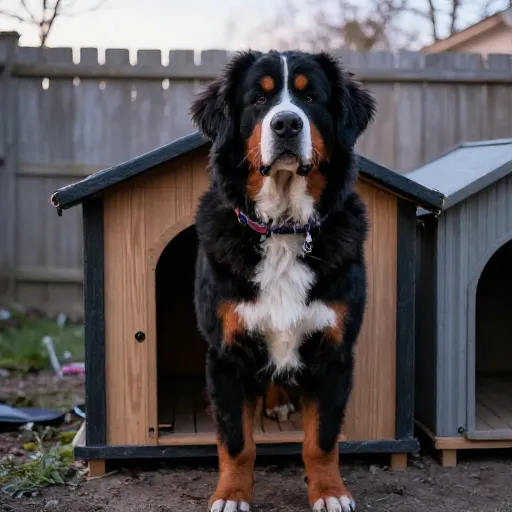
Sometimes simple is best. This design is just a basic, sturdy box with a roof that overhangs to create a small front porch. The porch is a fantastic feature—it gives your dog a dry place to sit and survey their kingdom even when it’s raining. I added a little awning that extends 12 inches past the front wall.
The construction is straightforward: four walls, a floor, and a roof. Use 3/4-inch plywood for durability. The roof overhang is supported by simple 2×4 brackets. This keeps the entrance dry and provides shade. It’s the perfect plan for a first-time builder who wants a professional-looking result.
Paint the exterior with a glossy, weatherproof paint to protect the wood. Choose a light color for the roof to reflect heat. The porch area can be a great spot for a water bowl. It’s practical, clean, and your dog will love having a little outdoor living space of their own.
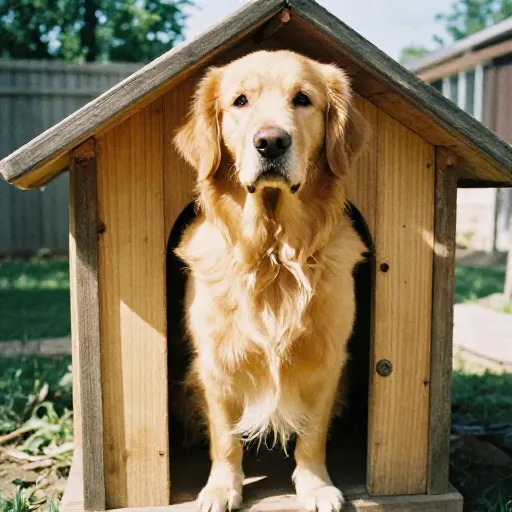
7. The Cedar Shingle Cottage
If aesthetics are a priority, cedar shingles are your best friend. This plan uses a standard plywood base but dresses it up with beautiful cedar shingle siding. It looks like a miniature version of a lake house. Cedar is naturally resistant to rot and insects, making it a long-lasting choice for your backyard.
The build process is a bit more involved because you’re adding the shingles layer by layer. Start from the bottom and overlap each row. It’s repetitive work, but it’s also oddly relaxing. The texture is gorgeous and looks fantastic in a garden setting. The natural oils in cedar also smell wonderful.
The roof can be shingled as well for a cohesive look. This house is heavier than a basic plywood one, so it’s very stable. It will weather to a nice silver-gray over time if you leave it untreated. Your dog will be the envy of the neighborhood in this little cottage.
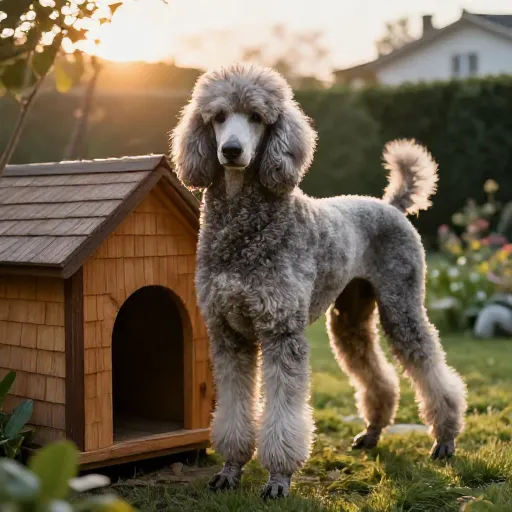
8. The Lean-To Style House
This design is perfect for placing against an existing wall or fence. The roof slopes down from the back to the front, giving it a clean, modern look. It’s incredibly easy to build because the cuts are all straight angles. No tricky angles to figure out, just simple rectangles.
The flat back wall can be attached directly to a solid surface, saving on materials. The front is open with a large entrance. This style is great for dogs that like to stick their heads out. The high back gives them plenty of headroom to stand up. I made mine 48 inches tall in the back.
Use a rubber roofing membrane or metal flashing for the sloped roof. Since the slope is gentle, make sure the waterproofing is solid. You can also hinge the roof for easy access. This is a minimalist, functional design that works perfectly in tight spaces.
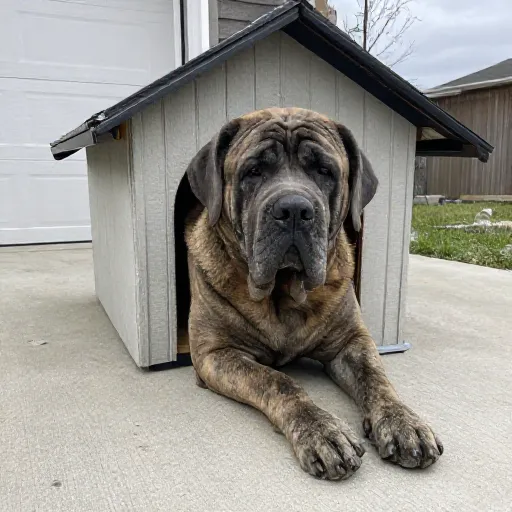
9. The Pallet and Tarp Hybrid
This is the ultimate “no-frills” plan for a temporary or super budget-friendly shelter. It uses pallets for the base and walls, but instead of a solid wood roof, it uses a heavy-duty tarp pulled taut over a simple frame. This is an incredibly fast build—I finished mine in an afternoon.
The tarp roof is easy to replace if it gets damaged. Use a tarp with grommets and bungee cords to secure it tightly. The slight slope will let rain run off easily. For winter, you can add an extra layer of tarp or a blanket inside. It’s not the prettiest option, but it’s incredibly effective.
This is a great starter plan if you’re unsure about your building skills. It’s forgiving and cheap. You can always upgrade the roof to plywood later. It’s all about giving your dog a safe, dry space without overcomplicating the process. Practicality over perfection.
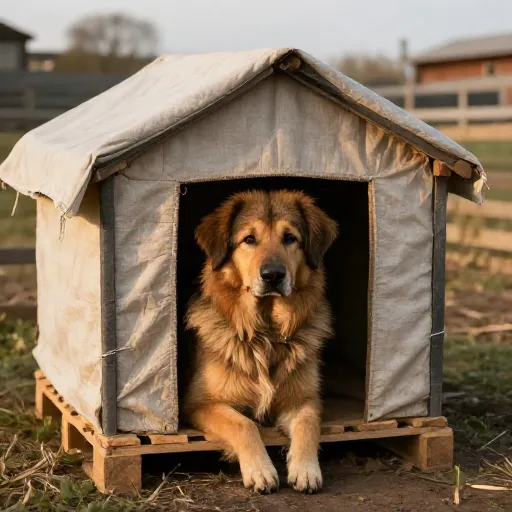
10. The Insulated Roof Panel House
The roof is where you lose the most heat in winter and gain the most in summer. This plan focuses on making the roof the star of the show. I used a sandwich of plywood, rigid foam insulation, and another layer of plywood for the roof. It’s heavy, but it works incredibly well.
The walls are standard box construction, but the thick roof sits on top like a cap. The overhang is significant, protecting the walls from rain. The interior stays remarkably temperate. In the summer, the thick roof blocks the harsh sun. In winter, it traps your dog’s body heat inside.
You can make the roof removable for cleaning. It’s a bit of a lift, but it’s manageable. This is the best upgrade you can make to any basic plan. It’s a simple modification that makes a world of difference in your dog’s comfort. It’s all about the details.
Conclusion
Building a dog house for your large pup is a rewarding project that shows them how much you care. Whether you choose the classic A-frame or the modern lean-to, the key is getting the size right and using durable materials. Your dog doesn’t care about perfect seams—they care about having a safe, dry, and cozy den to call their own.
Take your time, measure twice, and enjoy the process. There’s nothing quite like watching your best friend curl up in a house you built with your own hands. They’ll thank you with endless tail wags and loyal companionship. Happy building!
FAQ: Common Questions About Large Dog Houses
What size should a dog house be for a large dog?
The house should be about 25% larger than your dog’s body length. Measure from the tip of their nose to the base of their tail and add a few inches. They should be able to stand up, turn around, and lie down comfortably without being cramped.
Should I insulate the dog house?
Yes, if you live in an area with extreme temperatures. Insulation helps keep the house cooler in summer and warmer in winter. Foam board insulation is easy to work with and very effective. Even in mild climates, a raised floor and good ventilation are essential.
What is the best material for a dog house?
Cedar and pine are great choices because they are naturally resistant to rot and insects. Exterior-grade plywood is also excellent and easy to work with. Avoid treated lumber for the interior surfaces, as the chemicals can be harmful to pets. Always use non-toxic paints and sealants.
How do I keep my dog warm in the winter?
Add a thick, washable dog bed or cedar shavings (not pine, as it can be irritating). Make sure the door is offset to block wind. You can also add a heated pet pad designed for outdoor use. Never use space heaters or blankets that can be chewed.
How do I keep the dog house cool in the summer?
Place the house in a shaded area, ideally under a tree. Elevate the floor to allow air to circulate underneath. Ensure there is a second vent on the back or side to allow hot air to escape. A light-colored roof will also reflect the sun’s heat.