10 Things That Accidentally Make Your Dog’s Aggression Worse

I remember the first time my sweet rescue dog turned into a growling, stiff-bodied stranger. My heart sank. I thought I was doing everything right—more walks, more discipline, more love. But sometimes, the things we do to “fix” aggression actually pour fuel on the fire.
If you’re living with a reactive or aggressive dog, you’re not alone. And you’re not a bad owner. But there are a few common mistakes that can make things much worse. Let’s talk about them, so you can stop spinning your wheels and start seeing real change.
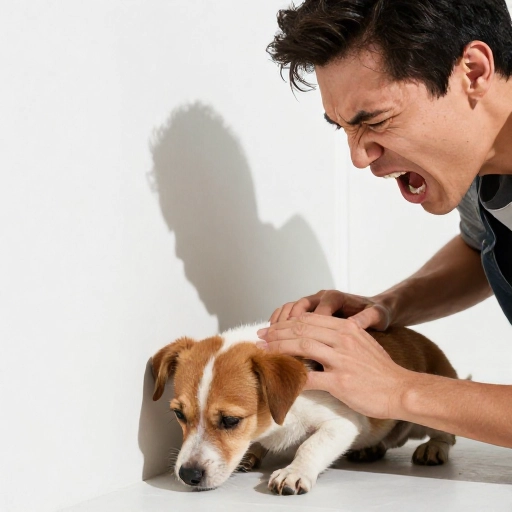
1. Yelling or Punishing the Growl
When your dog growls, your first instinct might be to shout “No!” or scold them. I get it—it’s scary. But here’s the truth: a growl is a warning. If you punish it, your dog learns to skip the warning and go straight to a bite.
- Growling means “I’m uncomfortable.” Punishing it removes your safety signal.
- Instead, calmly remove your dog from the situation and note what triggered them.
- You want your dog to keep telling you how they feel—don’t shut that down.
2. Forcing Them Into Scary Situations
I used to think I had to “socialize” my dog by throwing her into a dog park full of barking pups. Big mistake. Flooding a fearful dog with too much too fast just reinforces their terror.
- Forced exposure almost always backfires.
- Your dog needs distance and choice, not pressure.
- Work at their pace—sometimes that means watching from across the street.
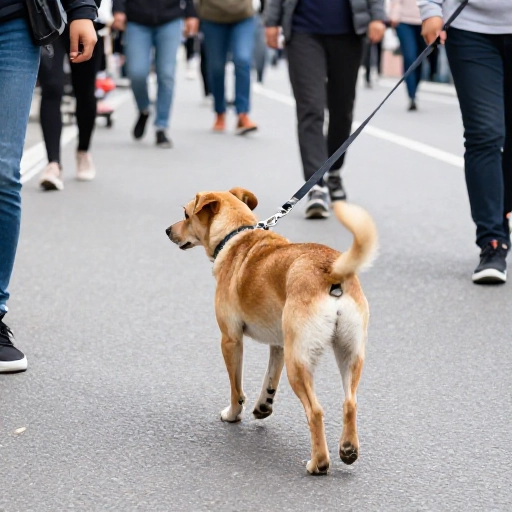
3. Inconsistent Rules and Routines
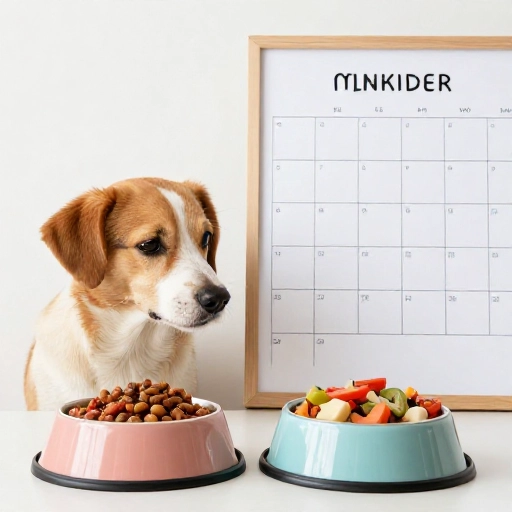
Dogs with aggression issues crave predictability. If you let them on the couch one day and yell at them the next, they get anxious. Anxiety fuels reactivity.
- Set clear, simple boundaries and stick to them.
- Feed, walk, and train at roughly the same times each day.
- A calm, predictable home is like medicine for an anxious brain.
4. Using Dominance-Based Training
Alpha rolls, scruff shakes, and staring contests? Please don’t. These old-school methods don’t teach your dog to trust you—they teach them to fear you. And fear makes aggression worse.
- Science shows that force-free methods are more effective long-term.
- If your dog feels threatened by you, they’ll act out more, not less.
- Focus on building trust, not “being the boss.”

5. Ignoring Subtle Stress Signals
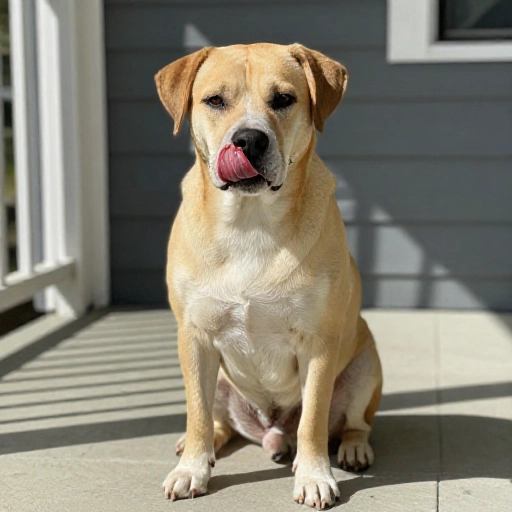
Before a growl or snap, your dog gives you little signs: lip licking, yawning, whale eye, panting. If you miss these, you miss your chance to prevent an outburst.
- Learn your dog’s early stress signals.
- When you see them, give your dog space or leave the situation.
- You’re their advocate—don’t wait for the explosion.
6. Overusing the Leash (Tightening, Yanking)
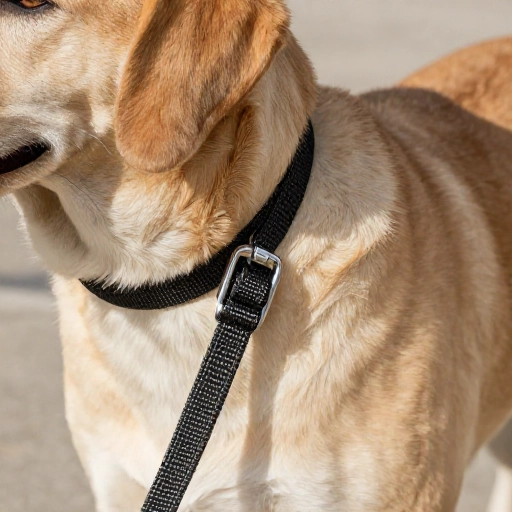
A tight leash sends a constant signal of tension to your dog. If you’re yanking or correcting every time they react, you’re adding stress on top of stress.
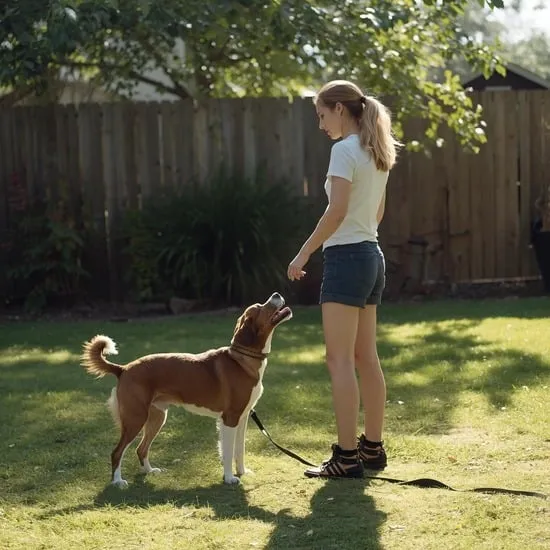
- Practice a loose leash whenever possible.
- Use a harness instead of a collar to reduce neck pressure.
- Your dog can’t learn to relax if they’re being physically pulled around.
7. Letting Strangers Reach for Your Dog
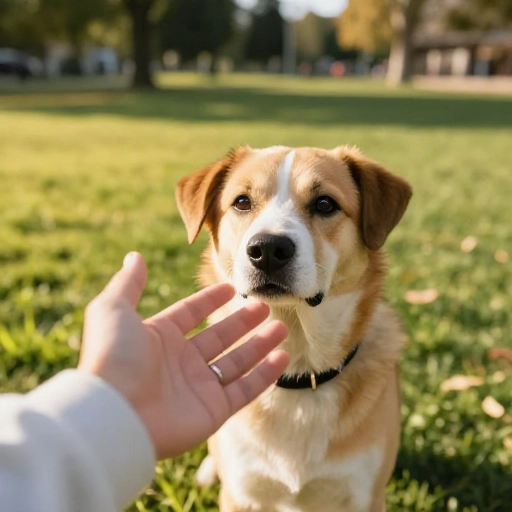
I can’t tell you how many times someone said, “Don’t worry, dogs love me!” and reached for my nervous pup. It always ended badly. Letting strangers approach without consent teaches your dog that people are unpredictable and unsafe.
- You have permission to say no to petting requests.
- Let your dog choose to approach, if they want.
- Protecting their space builds their trust in you.
8. Skipping Mental Enrichment
Aggression isn’t always about fear—sometimes it’s about pent-up energy and boredom. A dog who never gets to sniff, problem-solve, or chew is a ticking time bomb.
- Add puzzle toys, snuffle mats, or simple nose games to your day.
- Short training sessions wear them out more than a long walk.
- A tired brain is a calmer brain.

9. Reacting With Your Own Anxiety
Dogs read us like books. If you tense up, hold your breath, or grip the leash when you see another dog, your dog feels it. They think, “Uh oh, something scary is coming!”
- Practice staying calm and loose in the presence of triggers.
- Breathe deeply. Act boring. Your calmness is contagious.
- Your energy sets the tone for every walk.
10. Not Asking for Professional Help Soon Enough
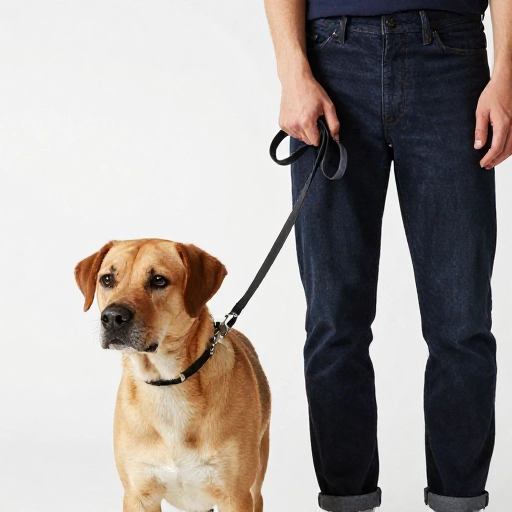
I waited too long to call a behavior consultant because I thought I could handle it myself. By then, my dog had rehearsed the aggressive behavior so many times it became a habit.
- There’s no shame in getting help early.
- A good trainer or vet behaviorist can change your dog’s life—and yours.
- Early intervention is always easier than fixing a long-standing pattern.
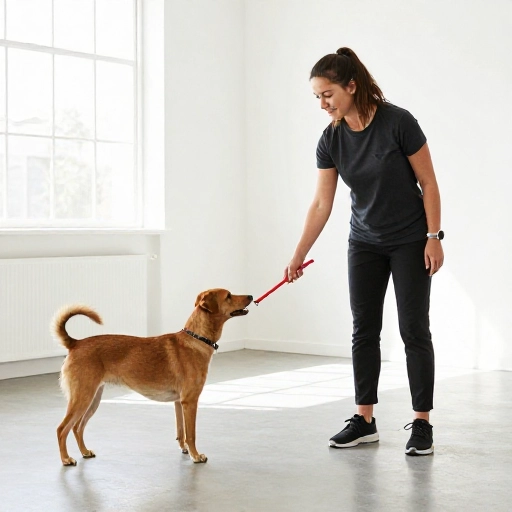
Final Thoughts: Small Changes, Big Difference
If you’ve made any of these mistakes, you’re in great company. We all want to help our dogs feel safe, and sometimes we try the wrong things out of love. The good news? Every day is a new chance to try a different approach.
Start with just one change on this list. Watch how your dog responds. You might be surprised by how much calmer and more connected your bond becomes.
[[IMG:IMG12]]
Frequently Asked Questions
Can aggression in dogs be cured?
It’s rarely “cured” like a cold, but it can be managed very well. With the right training and environment, many dogs learn to feel safe and stop reacting. It’s about progress, not perfection.
Should I use a muzzle on my aggressive dog?
Yes, absolutely. A basket muzzle is a safety tool, not a punishment. It allows your dog to pant, drink, and take treats while keeping everyone safe. I use one on walks and it takes so much pressure off both of us.
How long does it take to see improvement?
It depends on the dog and how consistent you are. Some dogs show small changes in a few days. Others take months. The key is patience and not rushing the process.
Is it safe to take an aggressive dog to a trainer?
Only if the trainer uses force-free, positive reinforcement methods. Avoid anyone who uses prong collars, shock collars, or “dominance” techniques. A good trainer will work with you and your dog in a calm, controlled way.
What if my dog bites someone?
First, separate everyone calmly. Seek medical help if needed. Then contact a certified behavior consultant or your vet. Don’t punish your dog afterward—they won’t understand. Just focus on preventing it from happening again.