How to Train Your Malamute Like a Pro
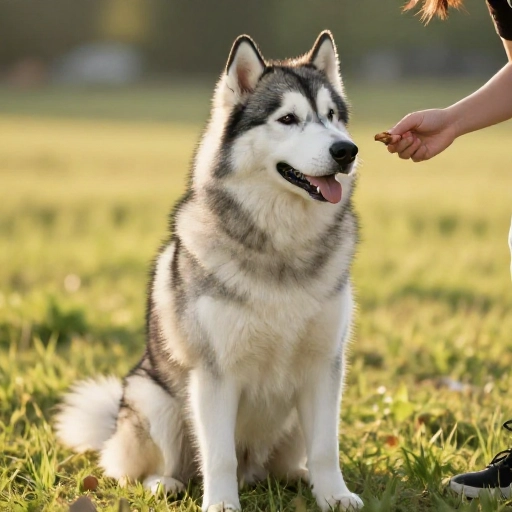
Training a Malamute is a whole different ballgame compared to training a Golden Retriever. I learned this the hard way with my first Malamute, Koda. He was smart, stubborn, and had a mind of his own. But once I figured out how to work with his independent nature, everything clicked.
Malamutes are ancient, powerful dogs bred to think for themselves. They won’t obey just because you said so. You need to earn their respect and make training worth their while. Here is exactly how I turned my headstrong pup into a reliable adventure partner.
Start with the “Nothing in Life is Free” Mindset
From day one, your Malamute needs to understand that good things come through effort. This isn’t about being mean. It’s about setting clear expectations.
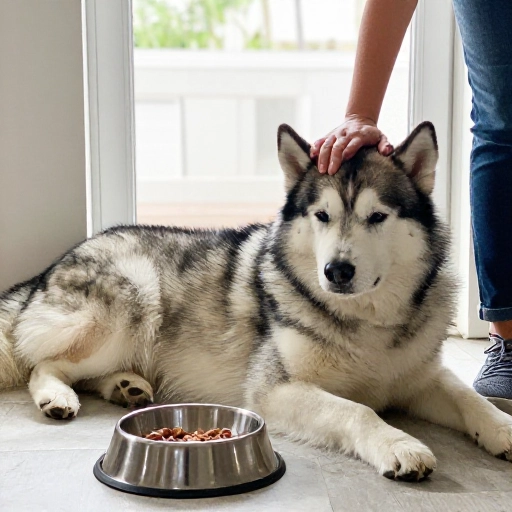
I started simple. Before Koda got his dinner, he had to sit. Before going outside, he had to wait at the door. Before getting a treat, he had to offer a paw. This teaches them patience and that you are the provider of all good things. A Malamute who respects this is much easier to train.
Master the “Leave It” Command Early
Malamutes have a high prey drive and a strong desire to pick up things in their mouths. “Leave it” might be the most important safety command you teach. I practiced this with low-value items first, like a piece of kibble on the floor.
I would cover the kibble with my hand and say “leave it.” When Koda stopped trying to get it, I marked with “yes” and gave him a better treat from my other hand. Over weeks, we progressed to uncovered kibble, then to toys, and finally to distractions on walks. This command has saved me from countless swallowed socks and dropped chicken bones on the sidewalk.
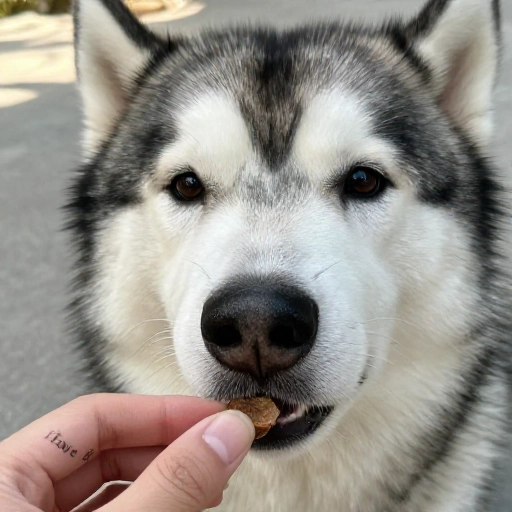
Use High-Value Rewards, Not Just Kibble
Your Malamute will not work for boring, dry kibble. Trust me, I tried. You need treats that are smelly, soft, and irresistible. Think boiled chicken, cheese cubes, or freeze-dried liver. I keep a pouch of these on me at all times during training sessions.
When I ask Koda to do something difficult, like come back from chasing a squirrel, I pull out the “jackpot” treat. He knows the difference between a regular cookie and the good stuff. You want your dog to think, “If I listen to this human, amazing things happen.” That builds a motivated, eager learner.
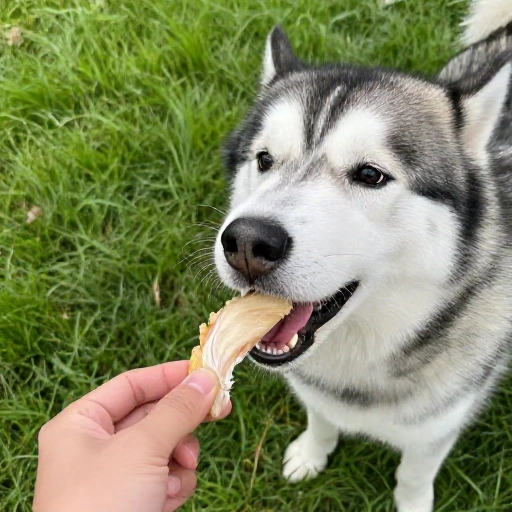
Keep Training Sessions Short and Fun
Malamutes get bored easily. A twenty-minute session of “sit, down, stay” will make them walk away and ignore you. I learned to keep my sessions to five minutes, max ten. We do two or three mini-sessions a day, usually before meals.
We always end on a high note. If Koda nails a command, I throw a small party with treats and praise, then we stop. This leaves him wanting more. If you push too long, your Malamute will decide training is boring and tune you out completely. Short, happy sessions build a strong training bond.
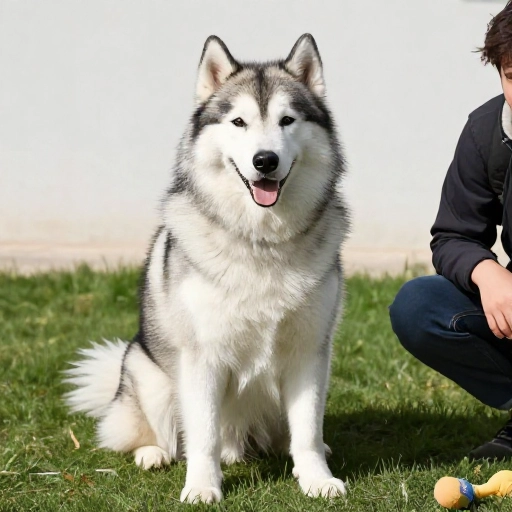
Teach a Rock-Solid “Wait” at Doors
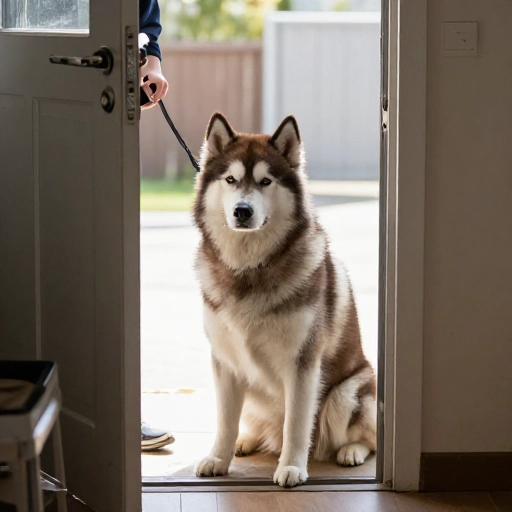
Malamutes are escape artists. They love to bolt out open doors. I spent the first month teaching Koda that doors are boundaries. I would approach the front door with him on a leash and say “wait.” If he moved forward, I closed the door and stepped back.
We practiced this until he would sit and look at me before going through any doorway. Now, I can open the front door and he stays put until I release him. This is not just polite behavior; it is a life-saving skill for a breed that loves to roam. Practice it at every door, every single time.
Leverage Their Pulling Instinct (Don’t Fight It)
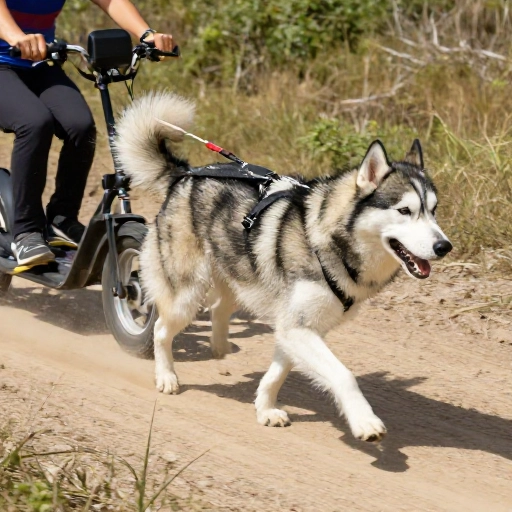
You will never win a tug-of-war with a Malamute. They are built to pull sleds. Instead of fighting their natural instinct, I channeled it. I got a proper harness and taught Koda to pull on command. We use the word “hike” for pulling and “easy” for walking loosely.
This turned our walks from a battle into a game. On a normal walk, he knows to keep the leash slack. But when I say “hike,” he can pull for a short burst. This satisfies his deep need to work and makes him more relaxed the rest of the time. Work with the breed, not against it.
Invest in Reliable Recall (The Long Line Method)
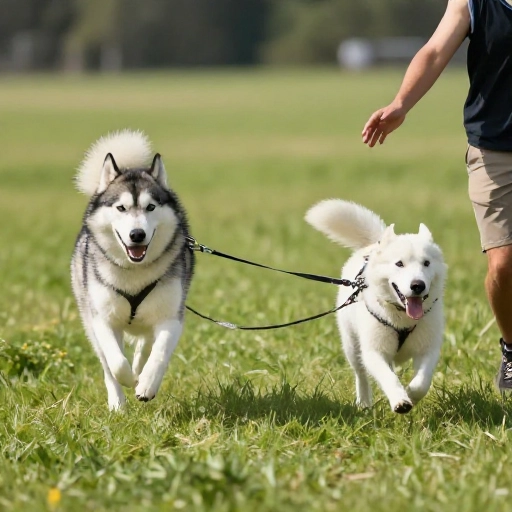
Recall is hard with Malamutes. They are independent and love to explore. I never let Koda off-leash in an unfenced area until his recall was bulletproof. I used a 50-foot long line at the park. I let him wander, then called him in a happy, high-pitched voice.
When he came back, even if it took a minute, I rewarded him with the best treat and lots of praise. I never called him to punish him. If I needed to leave, I walked to him instead. Now, his recall is about 90% solid in low-distraction areas. I still use a long line in new places. Safety first, always.
Socialize, Socialize, Socialize (But Carefully)
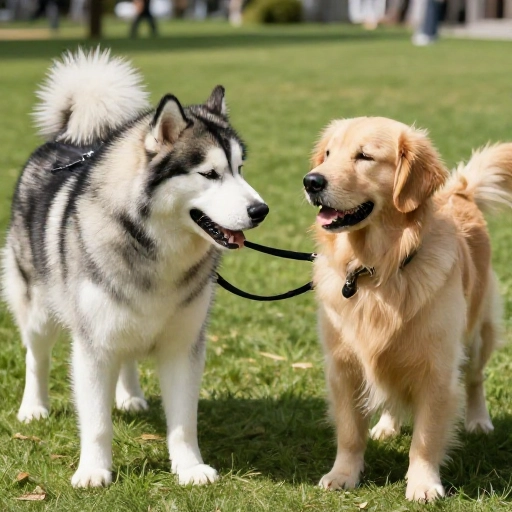
Malamutes can be dog-selective. Early socialization is crucial, but it has to be positive. I took Koda to puppy classes and set up playdates with calm, well-mannered adult dogs. I watched his body language closely. If he seemed nervous, we took a step back.
I also socialized him to different surfaces, sounds, and people. We walked on gravel, grass, and hardwood floors. We visited the pet store parking lot. The goal is a neutral, confident dog. A well-socialized Malamute is a joy to take anywhere. A poorly socialized one can become reactive and difficult to manage.
Be Consistent with Rules (Every Single Time)
Malamutes are masters of finding loopholes. If you let them on the couch “just this once,” they will assume the couch is always allowed. I learned to be consistent with every family member. If the rule is “no jumping on guests,” then it applies to everyone, every time.
I also use the same words for commands. “Down” means lie down, not get off the couch. “Off” means get off the furniture. Consistency removes confusion. Your Malamute wants clear boundaries. When they know exactly what to expect, they feel secure and are much more willing to listen.

Use Crate Training for Peace and Safety
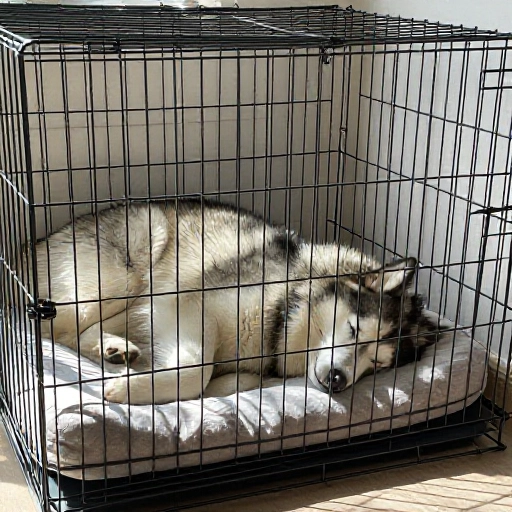
A properly introduced crate is a Malamute’s best friend. It is not a punishment; it is their den. I made Koda’s crate cozy with a soft bed and a stuffed Kong. I fed him his meals in the crate with the door open for the first week. Then I started closing the door for short periods while I was home.
Now, he goes in there on his own when he needs a nap or when I am cooking. Crates prevent destructive chewing when you cannot supervise. They also give your dog a safe space to decompress. A tired, crated Malamute is a happy Malamute. It is a cornerstone of good training.
Conclusion
Training a Malamute is a journey, not a destination. They will test your patience, but they will also reward you with incredible loyalty and a unique bond. Remember to be patient, use high-value rewards, and always work with their natural instincts. You are not trying to break their spirit; you are guiding it. With consistent effort, you will have a well-mannered, happy Malamute who is a joy to live with and explore the world alongside.
Frequently Asked Questions
Are Malamutes easy to train for first-time dog owners?
No, I would not recommend a Malamute for a first-time owner. They are stubborn, intelligent, and require a confident handler who understands dog psychology. If you are new to dogs, consider a more biddable breed first.
How long does it take to potty train a Malamute puppy?
With consistency, most Malamute puppies can be reliably potty trained within 4 to 6 months. They are smart but can be stubborn about going outside in bad weather. Stick to a strict schedule and use high-value rewards for going outside.
Why does my Malamute ignore me on walks?
Malamutes have a strong independent streak. If they are ignoring you, it is usually because the distraction is more interesting than you. Use high-value treats, practice recall on a long line, and make yourself the most exciting thing on the walk.
Can Malamutes be trusted off-leash?
It depends on the individual dog and your training. Most Malamutes have a high prey drive and love to explore. I only trust my Malamute off-leash in secure, fenced areas. In open spaces, I always use a long line for safety.
What is the biggest mistake people make when training a Malamute?
The biggest mistake is using punishment or force. Malamutes shut down or become defiant when treated harshly. Positive reinforcement, patience, and consistency are the only methods that work well with this breed. Build a partnership, not a dictatorship.