Stress-Free Double Coat Grooming: My Go-To Routine for a Happy, Healthy Dog
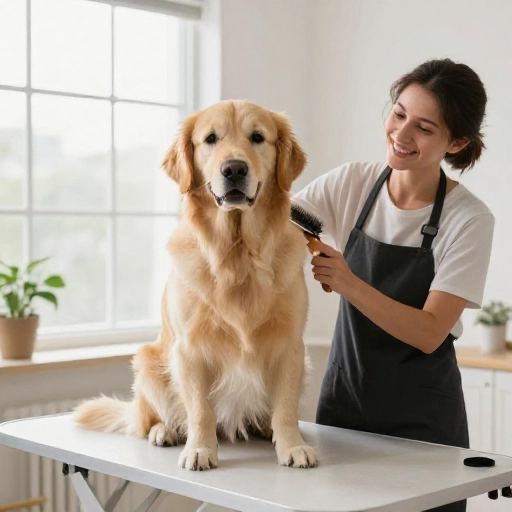
If you have a double-coated breed like a Husky, Golden Retriever, or Shiba Inu, you already know the shedding is real. For years, I thought I was doing something wrong. I tried every brush and comb, but my dog still looked like she was exploding fur. The secret? It’s not about fighting the fur. It’s about working with your dog’s natural coat cycle.
I learned this the hard way after a few stressful grooming sessions that left both me and my pup exhausted. Now, I have a routine that actually works. It’s gentle, it’s efficient, and it makes our bond stronger. Let me share exactly what I do to make double coat grooming feel less like a chore and more like a cozy spa day.
1. Understand the Undercoat vs. Guard Hairs
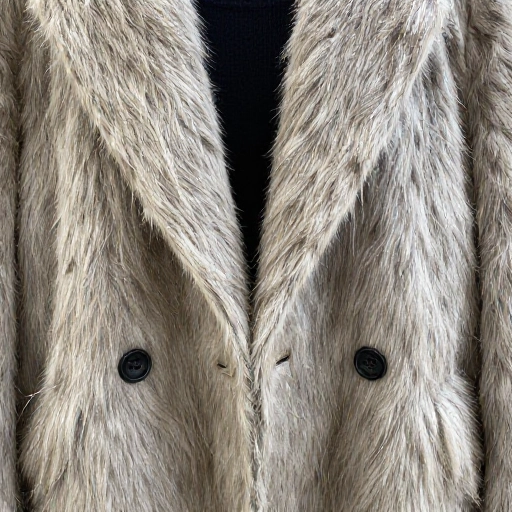
Before I touch a brush, I remind myself what I’m dealing with. A double coat has two layers: a dense, soft undercoat for insulation and a longer, coarser topcoat for protection. You don’t want to damage the topcoat.
My biggest mistake was trying to rake out everything. Now, I focus only on the loose undercoat. This keeps the guard hairs healthy and shiny. It also means less irritation for your dog’s skin.
When you see that soft, fluffy fur coming out, that’s the undercoat. The stiff, shiny hairs are keepers.
2. Start with a Good De-shedding Tool
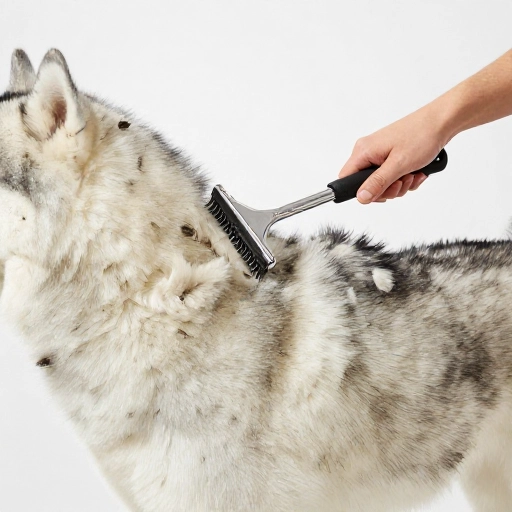
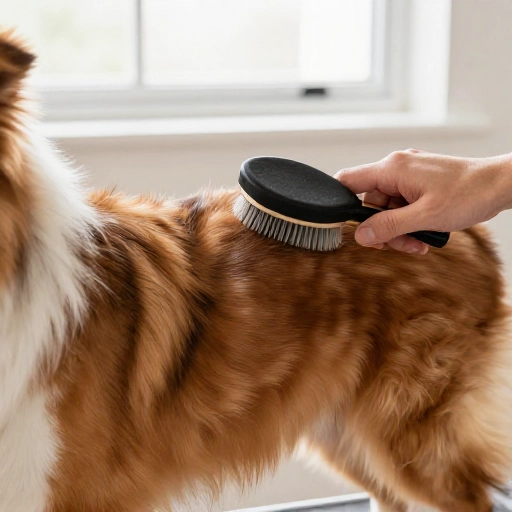
This is non-negotiable. A regular slicker brush just won’t cut it for the deep undercoat. I use a high-quality de-shedding rake or a Furminator-style tool, but only on the undercoat areas like the back, sides, and thighs.
I never use it on the face, legs, or tail where the topcoat is thinner. It’s a powerful tool, so I use gentle, short strokes. Think of it as combing, not scraping.
Going slowly helps me feel where the loose fur is. It also keeps my dog calm because she knows I’m not hurting her.
3. Brush Before the Bath, Not After
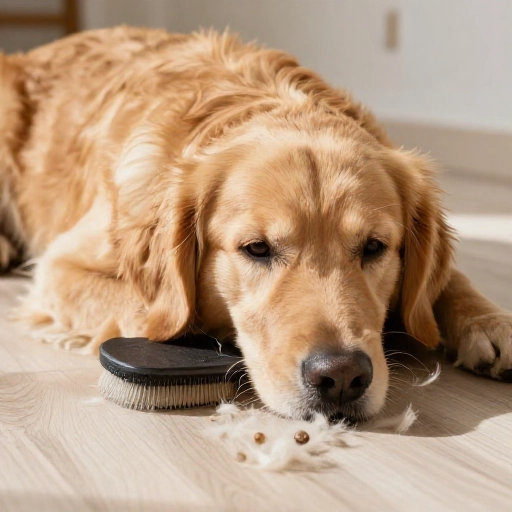
I used to think a bath would loosen all the fur. Then I learned that wet fur mats easily. Now, I always do a thorough brushing session before the bath.
Removing the loose undercoat first means less fur clogging my drain. It also makes the bath water actually reach the skin, which means a cleaner dog. Your shampoo will lather better too.
After the bath, I just do a light, gentle brush to fluff the coat while it’s still damp. The real work is done beforehand.
4. Use the Right Bath Products
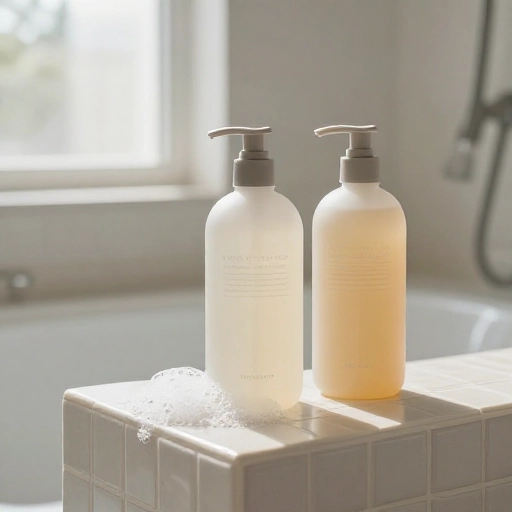
Double coats benefit from a moisturizing shampoo and conditioner. Harsh shampoos strip natural oils, making the skin dry and itchy, which leads to more shedding. I look for oatmeal-based or aloe-based shampoos.
Conditioner is a game changer. It helps loosen any remaining undercoat and makes the coat silkier. I let it sit for a few minutes while I give my dog a gentle massage. It’s relaxing for both of us.
Rinse thoroughly. Soap residue can cause dandruff and irritation, which makes grooming harder next time.
5. Drying Done Right
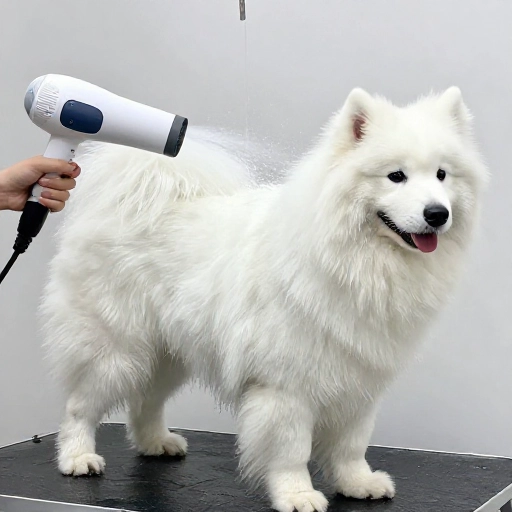
Never rub a double coat dry with a towel. That creates tangles and mats. Instead, I gently squeeze excess water out with my hands, then wrap my dog in a microfiber towel for a few minutes.
I use a high-velocity dryer on a low heat setting. The air helps lift the undercoat away from the skin. I start at the back and work forward, keeping the nozzle moving.
If your dog is scared of the dryer, start with just the sound on low while giving treats. A fully dry coat is easier to brush and less prone to matting.
6. Work in Small Sections
Grooming an entire double coat in one go can overwhelm both of you. I break it into zones: back, sides, chest, and then the fluffy areas like the tail and britches (back of the legs).
I do one zone per day if needed. For example, Monday is the back, Tuesday is the sides. This keeps sessions short, around 10 minutes, which my dog actually looks forward to.
Small sections mean I can be thorough without rushing. It also prevents my arm from getting tired.
7. Don’t Forget the Feathers and Pants
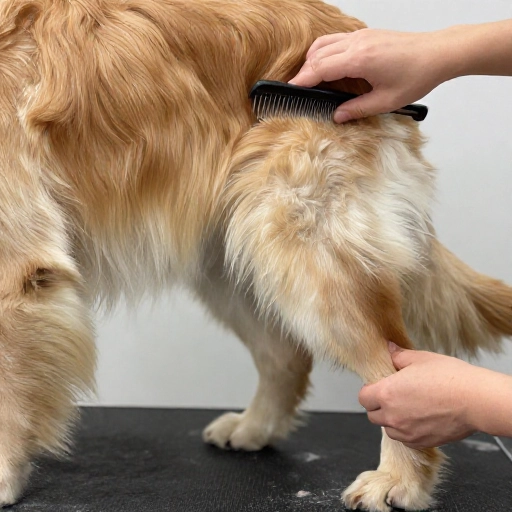
The areas behind the ears, under the tail, and on the back of the legs (often called “pants”) are mat magnets. These spots have longer, softer fur that tangles fast.
I use a slicker brush or a wide-tooth comb here. Never a de-shedding rake. I gently work out tangles from the tips inward. If I find a mat, I use a mat splitter or just carefully tease it apart with my fingers.
Keeping these areas trimmed short can also help. I ask my groomer to do a sanitary trim and tidy up the pants.
8. Make It a Positive Experience
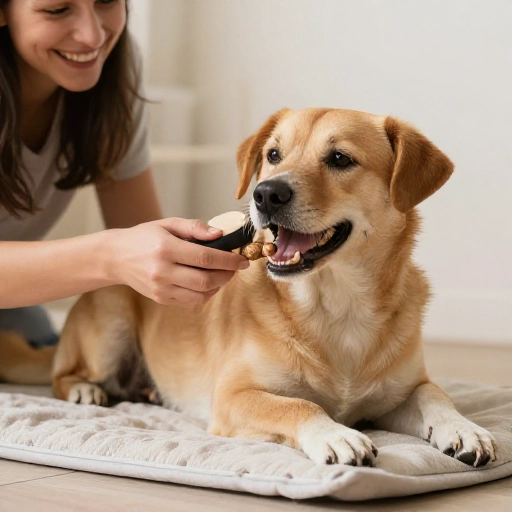
My dog used to run away when she saw the brush. Now, she comes running. How? I pair grooming with high-value treats. I give a small piece of chicken or cheese after every few strokes.
I also keep a happy, calm voice. I never force a position. If she wants to stand, we stand. If she wants to lie down, that’s fine too. The goal is a relaxed dog, not a perfectly brushed one.
When she’s had enough, we stop. Even if I’m not done. Short, positive sessions build trust over time.
9. Know When to Call a Professional
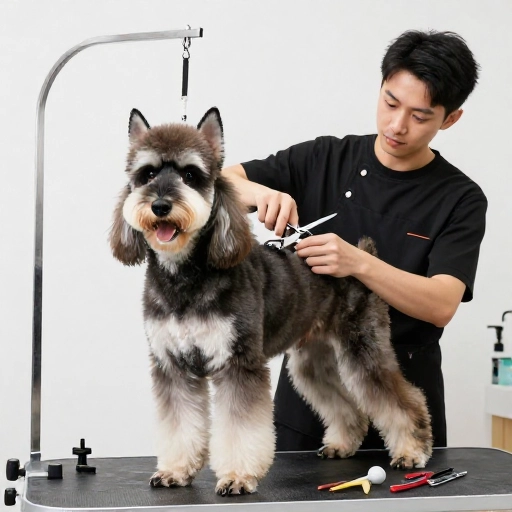
There is no shame in bringing in a pro, especially during heavy shedding seasons like spring and fall. A professional groomer has the tools and experience to handle a full deshed in an hour.
I take my dog to a groomer twice a year for a full deshed treatment. In between, I maintain at home with my weekly sessions. This combination keeps her coat healthy and my sanity intact.
If you notice mats close to the skin, don’t try to cut them out yourself. A groomer can safely remove them without hurting your dog.
10. Maintain a Healthy Diet
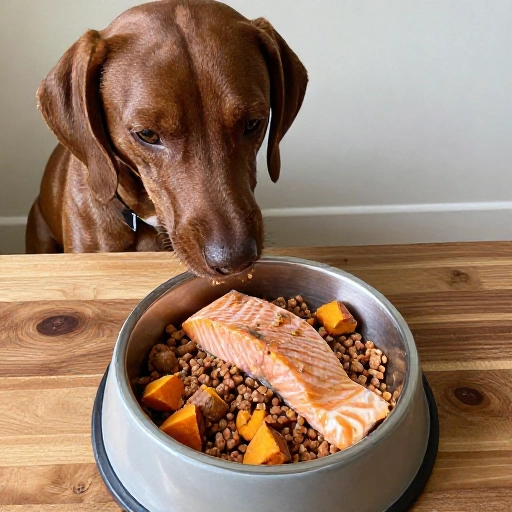
This is the part people often overlook. A shiny, healthy coat starts from the inside. I feed my dog a high-quality food with omega-3 and omega-6 fatty acids. Fish oil supplements have made a huge difference.
Healthy skin means less dandruff and less excessive shedding. It also makes the fur softer and easier to brush. A good diet won’t stop shedding, but it will make the coat more manageable.
I also make sure she stays hydrated. Fresh water all day helps keep her skin supple and her fur strong.
Conclusion
Grooming a double-coated dog doesn’t have to be a battle. Once I shifted my mindset from “fighting the fur” to “working with the coat,” everything changed. I learned to go slow, use the right tools, and prioritize my dog’s comfort. The result is a happy, healthy pup and a house with a little less fur tumbleweeds. Give these tips a try, and I promise you’ll both feel less stressed and more connected.
Frequently Asked Questions
Q: How often should I groom my double-coated dog?
A: During heavy shedding seasons (spring and fall), aim for 3-4 times a week. Off-season, once a week is usually enough. Always listen to your dog’s comfort level.
Q: Can I shave my double-coated dog in summer?
A: No, please don’t. The double coat acts as insulation against heat and cold. Shaving can damage the coat permanently and increase the risk of sunburn and overheating.
Q: What is the best brush for a double coat?
A: A combination works best: a de-shedding rake for the undercoat, a slicker brush for the topcoat and sensitive areas, and a wide-tooth comb for finishing and checking for mats.
Q: My dog hates being brushed. What should I do?
A: Start slow. Use treats and praise. Brush for just one minute a day. Let your dog sniff the brush. Never force it. If they are scared, try a softer brush or a different technique.
Q: How do I remove mats without hurting my dog?
A: Use a mat splitter or carefully tease the mat apart with your fingers. Work from the edges inward. If the mat is close to the skin, it’s best to see a professional groomer to avoid cutting the skin.