10 Weird and Wonderful Things About Cat Paws
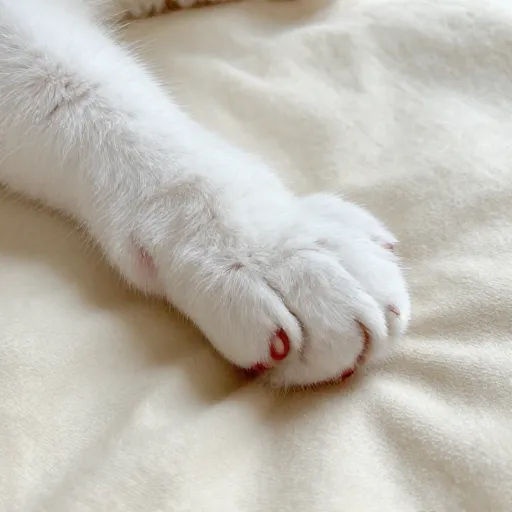
I’ve spent countless hours watching my cat knead a blanket, pounce on a toy mouse, and tiptoe across the kitchen floor. And every time, I find myself staring at those tiny, round paws. They’re cute, sure, but they’re also a little bit mysterious. Did you know your cat’s paws are packed with hidden features that help them hunt, climb, and communicate?
From sweat glands to secret scents, there’s so much going on under those toe beans. Let’s dive into ten of the weirdest and most wonderful things about cat paws that might just change how you see your furry friend.
1. Toe Beans Are Actually Called Digital Pads
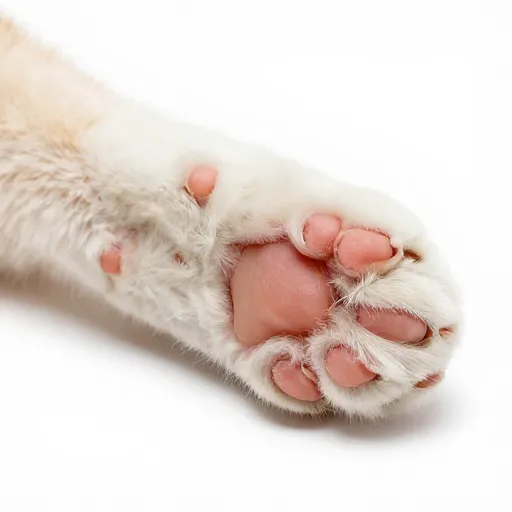
You know those squishy little pink or black pads that look like jelly beans? They have a real name: digital pads. Each toe has one, and there’s a larger pad in the middle called the metacarpal pad (front paws) or metatarsal pad (back paws).
These pads work like shock absorbers when your cat jumps down from high places. They also help with traction, so your cat can sprint across slippery floors without wiping out. Next time you give a toe bean squeeze, you’re touching a tiny piece of engineering.
2. Their Paws Have Built-in Sweat Glands
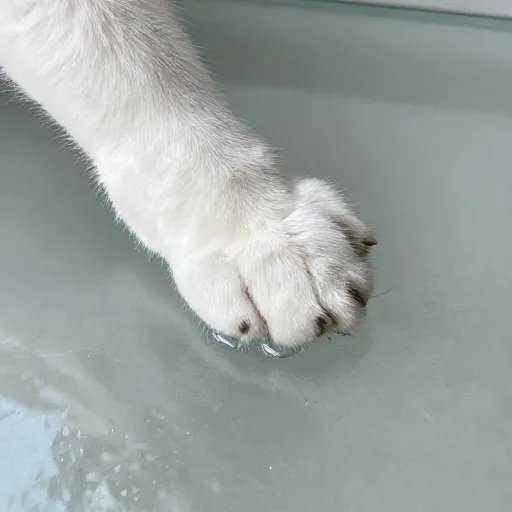
Dogs pant to cool down, but cats? They sweat through their paws. It’s not a lot, but it’s enough to leave tiny damp prints on a hot day or when they’re nervous. This is also why you might see your cat leave little wet marks on the exam table at the vet.
The sweat also helps with grip. Think of it like a little bit of natural rubber on their pads. It’s subtle, but it makes a difference when they’re climbing or making a sharp turn.
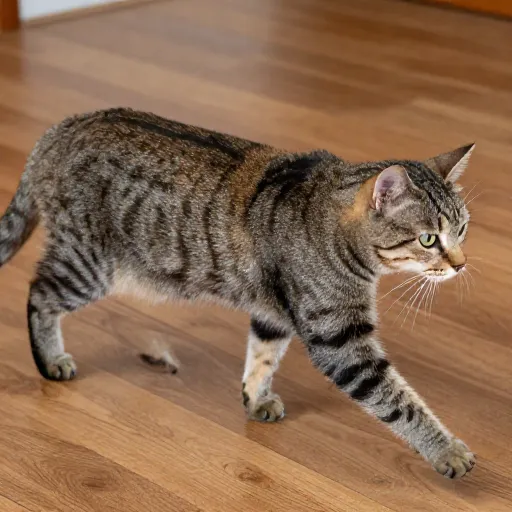
3. Cats Walk on Their Tiptoes (Digitigrade Style)
Humans walk on our whole foot, but cats walk on their toes. This is called digitigrade locomotion. It makes them stealthy hunters because they move more quietly and can spring into action faster.
Their wrist and ankle bones are actually higher up in their leg, so what looks like a knee or elbow is more like a wrist or ankle. That’s why a cat’s back legs look so long and powerful—they’re built for leaping, not strolling.
4. Each Paw Has a Unique Scent Signature
Your cat’s paws are like their personal ID card. Between their toe beans, they have scent glands that release a unique smell. When your cat kneads you, scratches furniture, or even just walks around, they’re leaving their scent everywhere.
This is how they mark territory without spraying. It’s also why your cat might rub their paws on your face or knead your lap—they’re claiming you as their own. So when you see those little claw marks on the couch, it’s not destruction, it’s decoration.
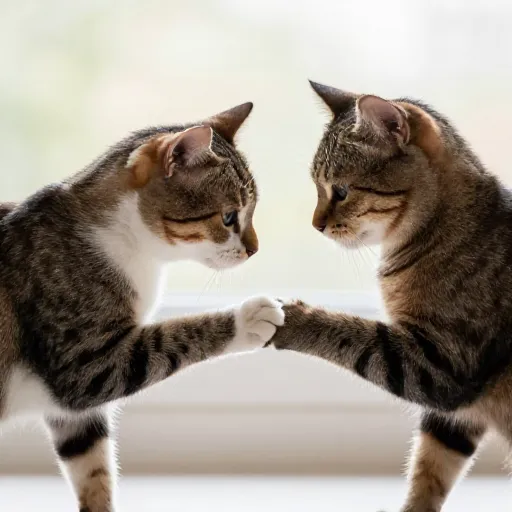
5. The “Paw Curl” Is a Sign of Trust
Have you ever noticed your cat sitting with one paw curled under their chest? That’s called the “loaf” position. But when they extend a paw toward you, or gently rest it on your hand, that’s a huge sign of trust.
Paws are vulnerable—cats use them for hunting and defense. So when your cat touches you with a soft paw, they’re saying, “I feel safe with you.” It’s a quiet gesture, but it means a lot.
6. They Have Retractable Claws for a Reason
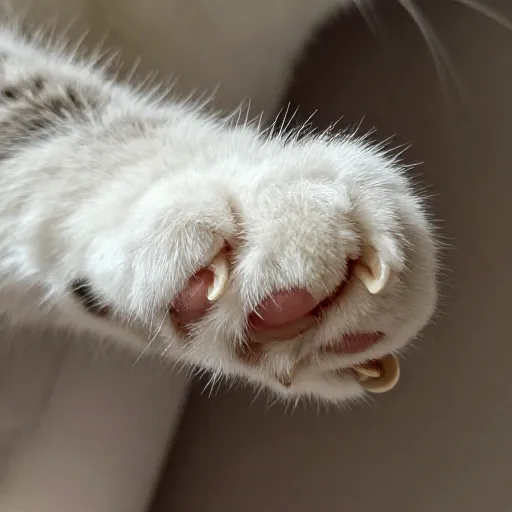
You probably know cats can retract their claws, but did you know why? It’s not just to keep them sharp—it’s also for silent movement. When claws are sheathed, they don’t click on hard floors, making it easier to sneak up on prey.
Retracting also protects the claws when running or playing. And when they need them, a quick flex extends the sharp hooks. That’s why a cat can go from purring to pouncing in a split second.
7. Paws Can Sense Vibrations
Cat paws are packed with nerve receptors that pick up vibrations. This helps them detect tiny movements in the ground, like a mouse scurrying under the floorboards. It’s almost like having ears on their feet.
This sensitivity also makes them picky about textures. Some cats hate walking on certain surfaces—like sticky tape or cold tile—because the sensation is overwhelming. If your cat refuses to step on a rug, it might not be stubbornness; it might be a sensory thing.
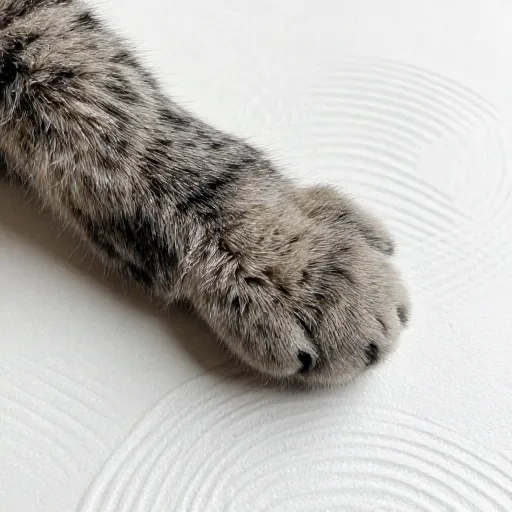
8. They Use Their Paws to “Taste” the World
Cats don’t just use their tongue and nose to explore—they use their paws too. When they dip a paw into a water bowl or pat a new object, they’re gathering information through touch and scent.
Their paw pads have scent glands, so when they touch something, they leave their smell and pick up new smells. It’s like sniffing through their feet. This is also why some cats paw at their food before eating—they’re checking it out.
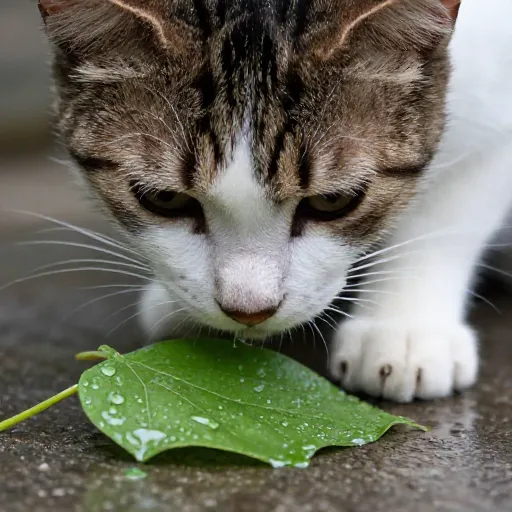
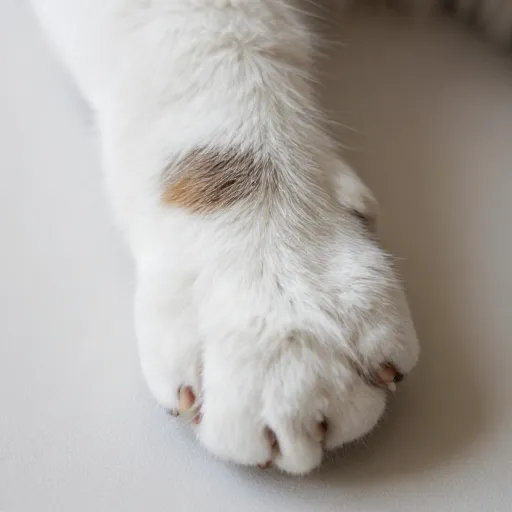
9. Double Paws (Polydactyl Cats) Are Extra Special
Some cats are born with extra toes, a condition called polydactylism. These “thumb cats” often have paws that look like mittens. The most famous polydactyl cats lived at Ernest Hemingway’s house, which is why they’re sometimes called “Hemingway cats.”
Having extra toes doesn’t usually cause problems—it can actually help with climbing and gripping. If your cat has six or seven toes on each paw, you’ve got a little mutant with extra charm.
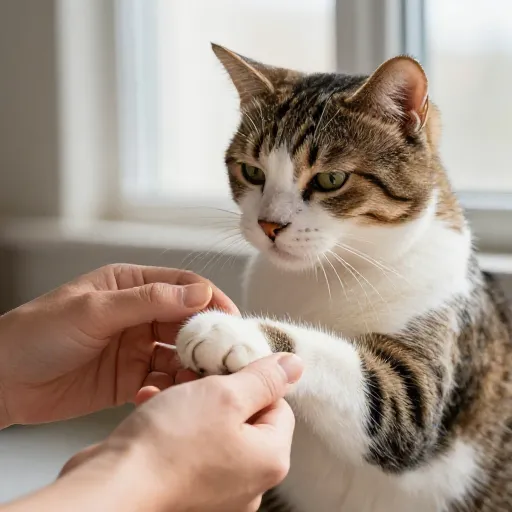
10. Paw Massages Can Calm an Anxious Cat
Just like humans, cats can benefit from gentle paw massage. Gently pressing and releasing each toe pad can help relax a nervous cat. It stimulates pressure points and releases feel-good hormones.
But not all cats enjoy it. Start slow—just a light touch while they’re purring. If they pull away, respect their space. For the ones who like it, a little paw rub can be a bonding moment that soothes both of you.
Conclusion
Cat paws are so much more than cute cushions. They’re sensory tools, communication devices, and little maps of your cat’s personality. Next time your cat kneads your lap or taps your face, take a moment to appreciate the weird and wonderful design of those tiny toes.
And yes, you’re allowed to gently boop a toe bean or two.
[[IMG:IMG12]]
Frequently Asked Questions
Why do cats knead with their paws?
Kneading is a leftover instinct from kittenhood. Kittens knead their mother’s belly to stimulate milk flow. Adult cats knead when they’re feeling safe and happy—it’s a comfort behavior.
Is it normal for cat paws to be rough or dry?
Yes, especially in older cats or during dry seasons. Paw pads can crack if they’re too dry, but a little pet-safe balm can help. If the roughness seems sudden or painful, check with your vet.
Why does my cat tap me with their paw?
It’s a gentle way to get your attention. They might want food, play, or just a pet. A soft tap is usually friendly, but if it comes with claws, they’re probably overstimulated.
Can cats sweat through their paws?
Yes! Their paw pads have sweat glands. You might notice tiny damp prints on hot days or when they’re scared. It’s nothing to worry about—it’s just their natural cooling system.
Should I trim the fur between my cat’s paw pads?
Long-haired cats can get mats or debris stuck between their pads. Trimming that fur can help with traction and hygiene, but use blunt scissors and go slow. If you’re unsure, ask a groomer.