10 Smells Cats Really Hate (And Why You Should Care)
I love my cat more than anything. She’s my little shadow, always purring and kneading. But one time, I brought home a new citrus-scented candle, and she literally fled the room like it was on fire. That’s when I realized: cats experience smells way differently than we do.
Their noses are incredibly powerful. A smell that’s just “meh” to us can be totally overwhelming for them. Some smells are harmless, but others can actually stress your cat out or make them avoid certain spots (which can be useful if you’re trying to protect your furniture!).
So, let’s talk about the top 10 smells that most cats can’t stand. I’ll share what each one is, why cats dislike it, and a practical tip for using that knowledge at home.
1. Citrus (Oranges, Lemons, Limes, Grapefruit)
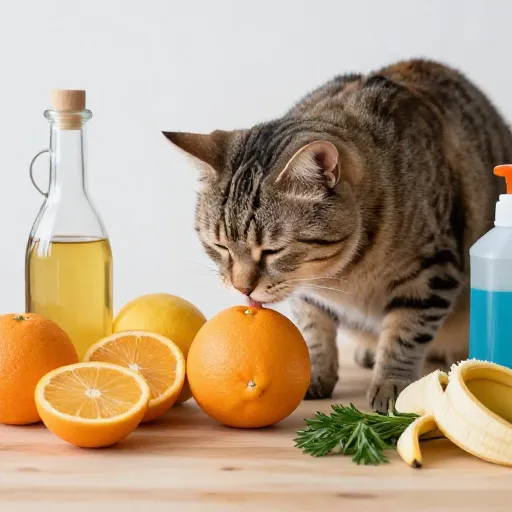
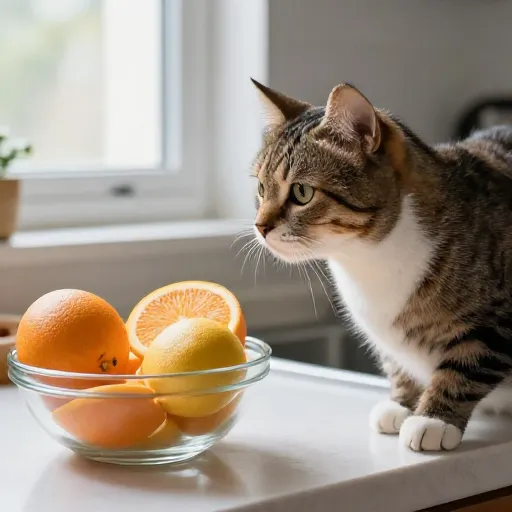
This is probably the most common one. Most cats absolutely hate the smell of citrus. It’s sharp and acidic to their sensitive noses. You’ll often see them scrunch up their face and back away.
Why do they hate it? It’s an instinct thing. Citrus smells are just too intense and often signal something sour or inedible to them.
Practical tip: If you want to keep your cat off the kitchen counter, a few citrus peels placed out of reach (but where you want them to avoid) can work like a charm. Just make sure they can’t actually eat the peels—they’re not good for their tummy.
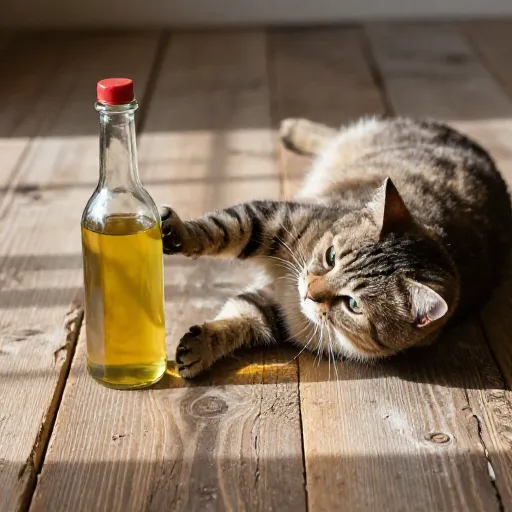
2. Vinegar
Vinegar has that sharp, sour tang that cuts right through the air. To a cat, it smells like a warning sign. They really dislike the strong acidic punch.
I use this one a lot. If your cat keeps peeing in a spot they shouldn’t, cleaning it with a diluted vinegar solution (1 part vinegar to 1 part water) can help remove the smell for them—and they’ll be less likely to return. Just let it air out completely before letting them back in the room.
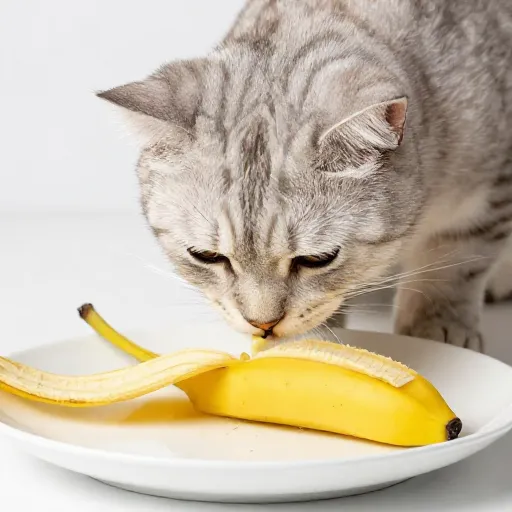
3. Bananas (Especially the Peel)
This one surprised me. Bananas might smell sweet to us, but that ripe, fruity scent releases certain compounds that cats find off-putting. The peel is especially strong.
Some cats don’t react much, but many will avoid a room where a banana is sitting out. It’s not a harmful smell, just an annoying one for them.
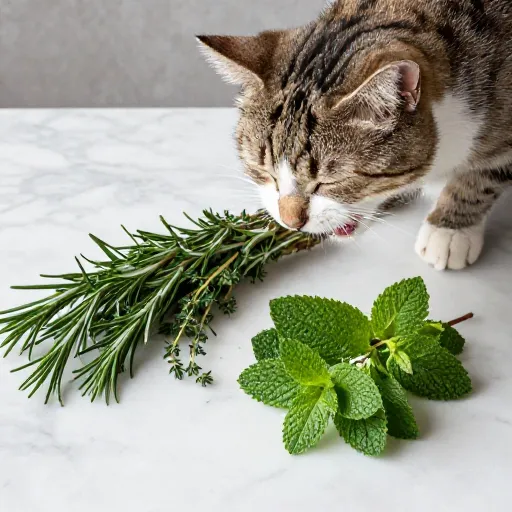
4. Strong Herbs (Rosemary, Thyme, Mint)
While we love the smell of fresh rosemary on roast chicken, cats often disagree. Strong, pungent herbs can be overwhelming. Mint is a big one—it’s very sharp to their nose.
Here’s a trick: If you have plants your cat keeps nibbling, try placing a few sprigs of rosemary near them. The smell might steer them away without any yelling or squirt bottles.
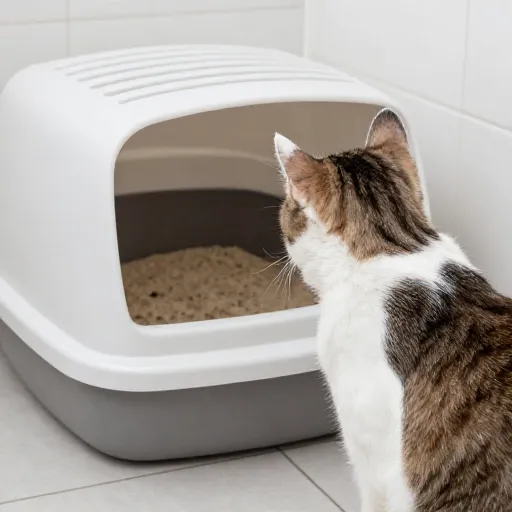
5. Dirty Litter Box (Yes, Really)
This sounds obvious, but it’s worth saying. Cats hate the smell of their own waste when it’s been sitting too long. It sounds gross, but it’s true.
If your litter box smells bad to you, imagine how much worse it is for their super-sensitive nose. A dirty box can make them avoid it entirely, leading to accidents elsewhere. Scoop daily, and do a full clean every week.
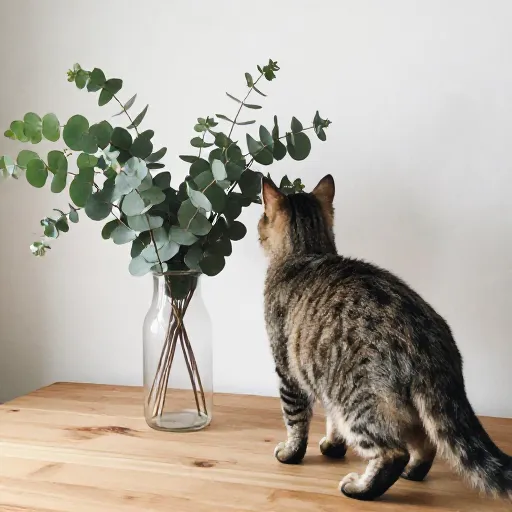
6. Eucalyptus
Eucalyptus has that menthol-like, camphor smell. It’s really strong for cats—often too strong. Many cats will sneeze or back away from anything with eucalyptus oil or even dried leaves.
Important note: Eucalyptus oil is actually toxic to cats if they ingest it or get it on their skin. So, if you use eucalyptus in a diffuser, keep your cat out of that room. It’s just not worth the risk.
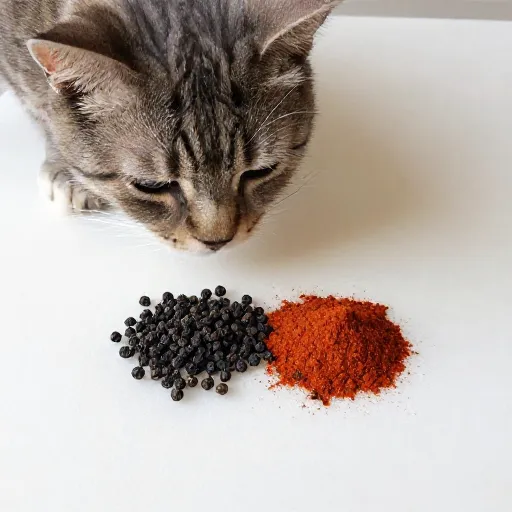
7. Pepper (Black Pepper, Chili Powder)
Spicy smells are a huge no-go for cats. Black pepper and chili powder have compounds that irritate their nasal passages. It’s not just the taste—the smell alone can make them uncomfortable.
Some people sprinkle a tiny bit of cayenne pepper in their garden to keep stray cats away. But be careful: you don’t want your own cat to walk through it and then lick their paws. Use this one sparingly outdoors.
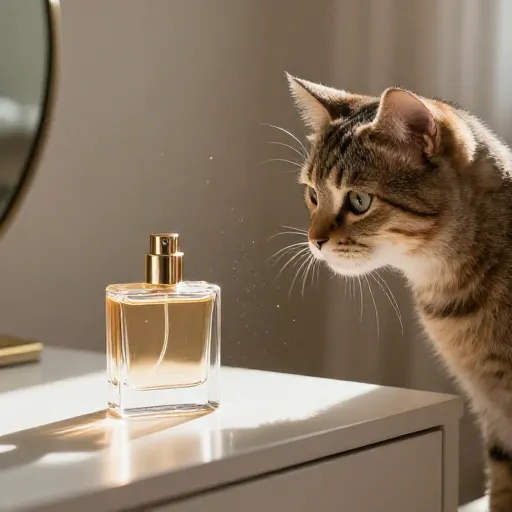
8. Perfume and Colognes
I love wearing a nice spritz of perfume, but my cat does not agree. Strong synthetic fragrances can be really jarring to a cat’s nose. They can’t process all those chemical notes like we do.
If you spray perfume on your clothes and your cat suddenly avoids you, that’s why. Try to let your perfume dry and settle before you go in for a snuggle.
9. Pine and Cedar (Especially in Cleaning Products)
Pine and cedar smells are very strong, woody, and resinous. While we associate them with clean homes or the holidays, many cats find them overwhelming. The oils in these woods are especially potent.
Be careful with pine-based cleaners or essential oils. If you use a pine-scented floor cleaner, make sure the room is well-ventilated before letting your cat back in. Their little noses will thank you.
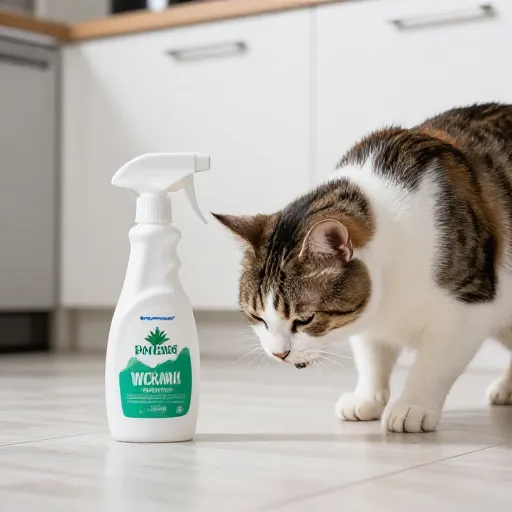
10. Household Cleaners (Bleach, Ammonia)
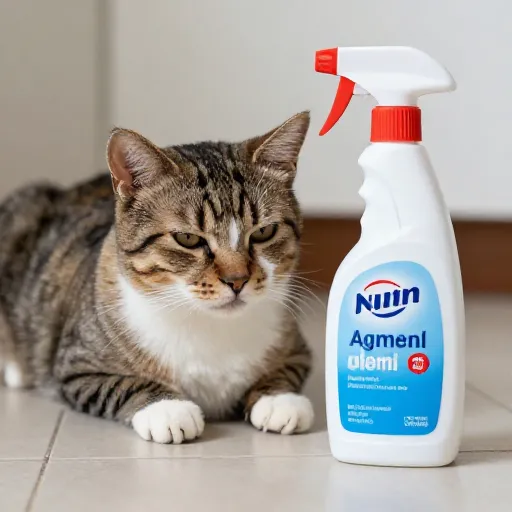
This one is huge. Bleach and ammonia-based cleaners have very sharp, chemical smells. For a cat, it’s like a siren going off in their nose. They can also confuse ammonia with urine, which might make them want to mark over it.
Always use pet-safe cleaners. If you use bleach, rinse the area thoroughly with water and let it air out completely. Your cat will be much happier without that harsh chemical smell in the air.
Conclusion: Listen to Your Cat’s Nose
Our cats live in a world of smells that we can barely imagine. Knowing what smells they hate is a simple way to make their home life less stressful. You don’t have to banish all these smells forever, but being mindful can make a huge difference.
Next time you light a candle or clean the floor, just take a second to think about how it might smell to your furry friend. A little awareness goes a long way toward a happier, more relaxed cat.
Frequently Asked Questions
Q1: Will these smells hurt my cat?
Most of these smells are just annoying, not harmful. But strong essential oils (like eucalyptus or tea tree) can be toxic. Always avoid applying them directly or using them in diffusers near your cat.
Q2: Can I use these smells to stop my cat from scratching furniture?
Yes, but carefully. Citrus peels or a light vinegar spray on protected areas can work. But never spray anything directly on your cat or on surfaces they might lick.
Q3: My cat doesn’t seem to hate citrus. Is that normal?
Absolutely. Every cat is different. Some cats have a stronger tolerance for certain smells. It’s not weird—just a unique quirk of your kitty.
Q4: What’s the safest way to use smells to keep my cat away from plants?
Place rosemary sprigs or citrus peels near the plant pot (not on the soil if your cat digs in it). The smell will often be enough to discourage them without any risk.
Q5: How do I know if a smell is bothering my cat?
Look for signs: sneezing, shaking their head, backing away, hiding, or pawing at their nose. If you see these, remove the smell from their space right away.