12 Sturdy Cat Scratching Posts You Can Build Tonight
Let’s be honest—your couch has seen better days. And your curtains? They never stood a chance. Cats scratch for so many reasons: to stretch, to mark territory, and honestly, just for the pure joy of it. Instead of fighting that natural instinct, let’s redirect it to something you built yourself.
The best part? You don’t need a workshop or fancy tools. Most of these projects use things you probably have lying around—cardboard boxes, old wood, carpet scraps, and rope. And when I say “tonight,” I mean it. These are quick, sturdy builds that will actually hold up to a determined claw. Let’s get to work.
1. The Cardboard Box Fort Scratcher
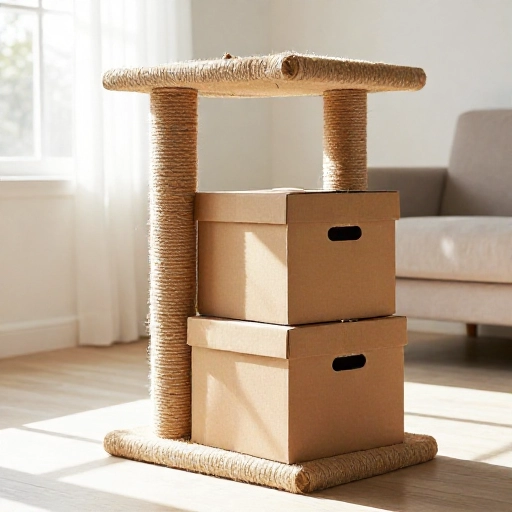
That stack of Amazon boxes in your garage? It’s not clutter anymore—it’s a cat toy waiting to happen. Cut the flaps off and stack the boxes flat, then glue or tape them together tightly. The corrugated edges become the scratching surface.
Cats love the texture of cardboard, and it’s completely biodegradable. When it gets worn out, just toss it and build another one. This is the easiest project on the list, and honestly, it takes about ten minutes.
For extra sturdiness, place a heavy book or a piece of plywood on the bottom layer. Your cat will dig into the sides and the top, so don’t worry too much about making it pretty.
2. The Two-Board Floor Post
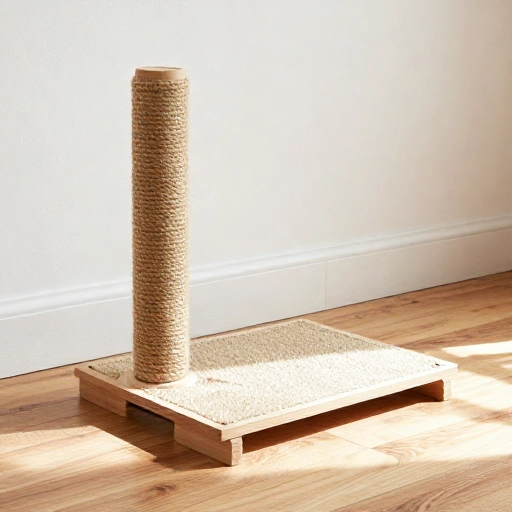
This one is for cats that like to scratch horizontally. Grab two scrap pieces of 2×4 lumber, each about 18 inches long. Screw them together in an “L” shape, then wrap one side with sisal rope using a staple gun.
Lay it flat on the floor. The weight of the wood alone keeps it stable, but you can add a rubber mat underneath to prevent sliding. The vertical side gives your cat something to stretch against, while the flat side catches those low scratches.
Use hot glue to secure the rope ends, and make sure the rope is pulled tight as you wrap. This thing will outlast any flimsy store-bought option.
3. The Corner Wall Mount Scratcher
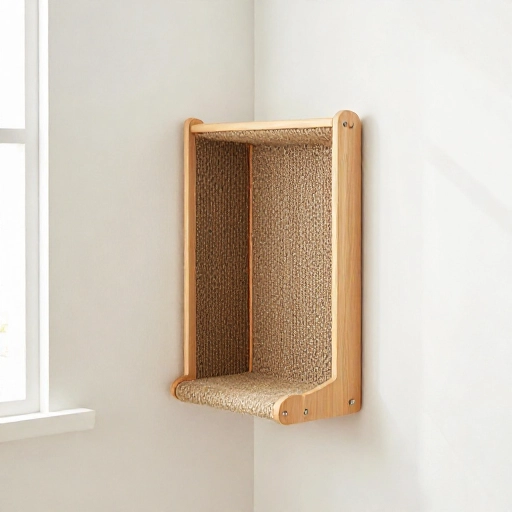
If your cat insists on scratching the corner of the hallway, give them a better corner. Cut two pieces of plywood to about 4 feet tall and 8 inches wide. Attach them together at a right angle, like a triangle corner.
Wrap both inner faces with sisal rope or carpet. Then, screw this corner post directly into the wall studs in your cat’s favorite scratching spot. It’s solid, won’t tip over, and saves your walls.
Make sure to use wall anchors if you can’t hit a stud. This takes a little more effort, but the payoff is a permanent, sturdy scratching station that looks intentional.
4. The PVC Pipe Scratching Tower
Head to the hardware store and grab a 4-inch diameter PVC pipe, about 3 feet long. You’ll also need a square piece of plywood for the base. Secure the pipe upright on the base using a pipe flange or just heavy-duty adhesive.
Wrap the entire pipe tightly with sisal rope, gluing it as you go. The smooth PVC underneath gives the rope a solid backing, so it won’t bend or flex under pressure.
This one is super lightweight but unbelievably strong. A cat can hang on it with all their weight without it wobbling. Add a fuzzy toy on top to make it even more enticing.
5. The Denim-Covered Log
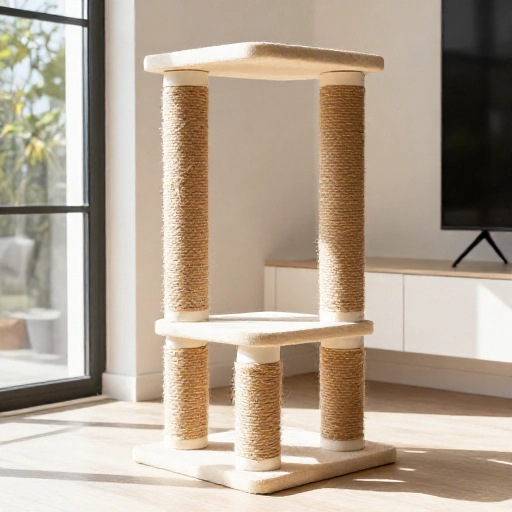
Have an old pair of jeans with a hole in the knee? Perfect. Find a sturdy log or a thick branch, about 3 to 4 feet tall. Make sure it’s dry and bark-free.
Cut the denim legs open and wrap the log, securing it with a staple gun. Denim is surprisingly durable and gives a nice, textured surface that cats love. It also looks pretty cool in a rustic decor.
Mount the log to a wide base, like a slice of tree trunk or a large piece of wood. The heavier the base, the better. This one is a conversation starter.
6. The Rope-Wrapped Step Stool
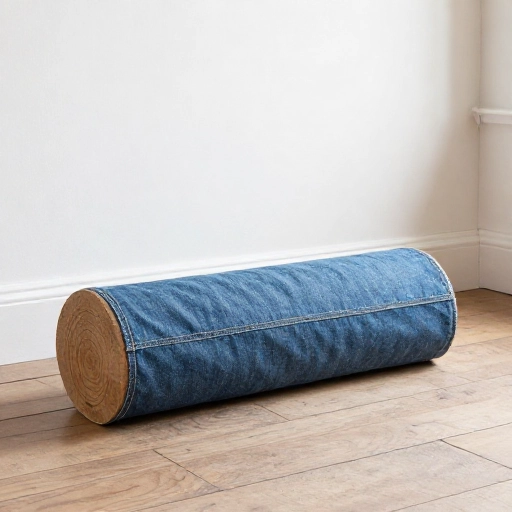
That old wooden step stool from the thrift store? It’s the perfect height for a cat to stretch and scratch. Wrap the legs and the top step with sisal rope.
Use a staple gun to secure the rope at the start, then wrap tightly around each leg. For the top, you can either wrap it or glue carpet onto it. The stool’s natural stability makes it a great choice.
Cats love scratching things that are elevated. This gives them a perch and a scratch post in one. Just make sure the stool is solid wood, not cheap particleboard.
7. The Cinder Block and Carpet Combo
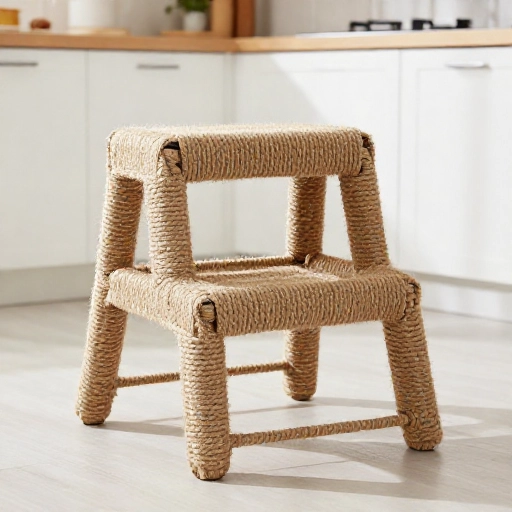
This is the most industrial option, but it works like a charm. Grab two or three cinder blocks and stack them. Cut pieces of carpet to fit around each block, and wrap them like a present, securing with duct tape or a staple gun.
Stack the wrapped blocks however you like—straight up, staggered, or in a little pyramid. The weight of the cinder blocks makes this thing impossible to tip over.
It’s not the prettiest thing, but it’s rugged. You can paint the cinder blocks first if you want to make them look nicer. This is a great option for a garage or a basement cat area.
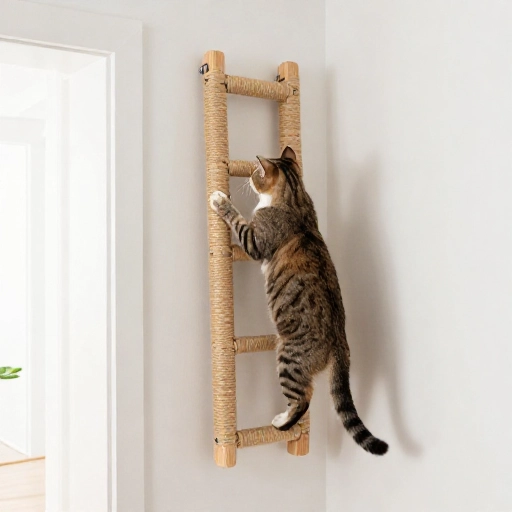
8. The Wall-Mounted Rope Ladder
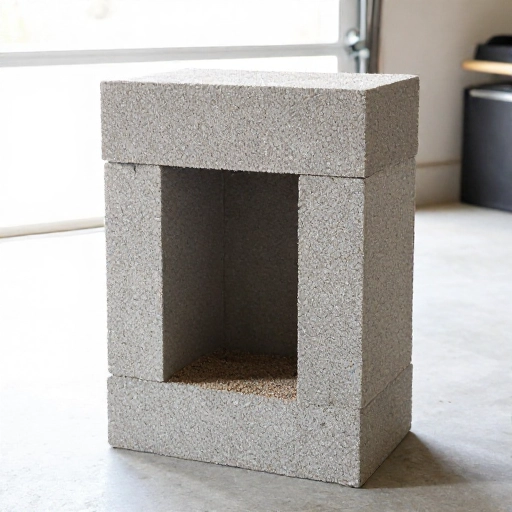
Turn a vertical space into a scratching paradise. Cut three or four pieces of plywood into 12×6 inch rectangles. Drill holes in the corners and string them together with sisal rope, leaving about a foot between each step.
Secure the top step to the wall with a strong bracket. Wrap each step with rope or carpet so your cat can scratch them as they climb. This gives them a climbing route that also serves as a scratch tool.
Make sure the wall mount is rated for at least 20 pounds. Cats love being up high, and this gives them a fun way to get there while saving your furniture.
9. The Bookshelf Cat Condo
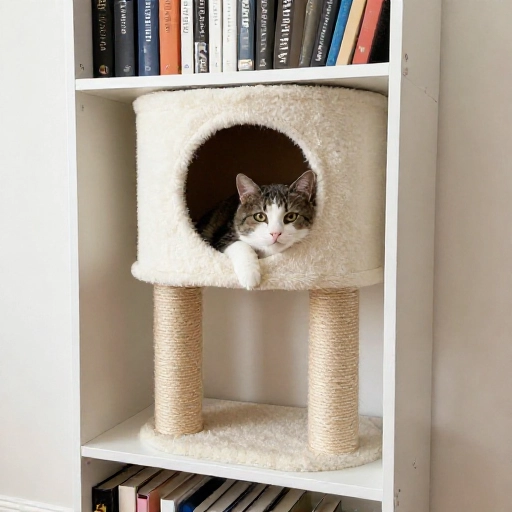
That old IKEA bookshelf that’s falling apart? Before you toss it, turn it on its side. The shelves become platforms, and the sides become scratching surfaces.
Wrap the vertical panels with sisal rope or staple carpet to the sides. Place the shelf horizontally on the floor so the compartments are like little caves. Cats love having a dark, cozy spot to hide in.
Add a blanket or a cushion to one of the compartments. This becomes a multi-level scratching and lounging station in one. It’s sturdy because it’s designed to hold books.
10. The Branch Ceiling Post
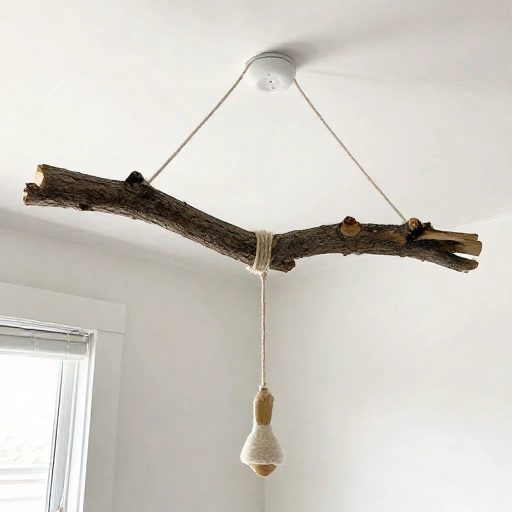
If you have a sturdy branch from a tree, you can create a floor-to-ceiling scratching post. You’ll need a branch that’s slightly longer than your floor-to-ceiling height. Use a spring-loaded tension rod mechanism or cut the branch to fit snugly.
Wrap the middle section of the branch with sisal rope. The top and bottom can stay bare wood. The tension holds it in place, making it extremely stable.
This is perfect for cats that like to scratch while standing on their hind legs. It also provides a great climbing structure. Just make sure the branch is thick enough and free of pests.
11. The Pallet Wood Scratcher
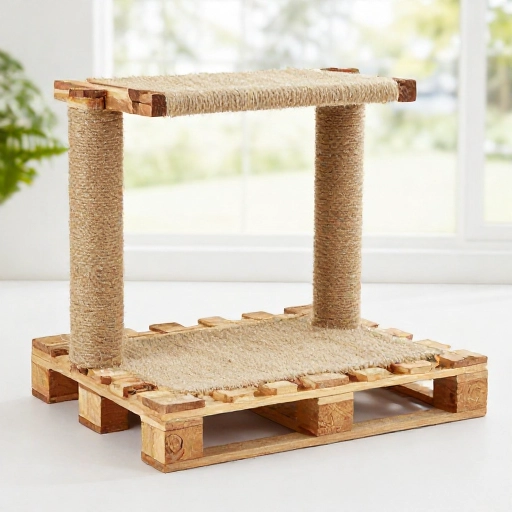
Pallets are free and full of sturdy wood. Break one down and cut the planks to the same length. Stack them horizontally and screw them together to form a solid block, like a mini log pile.
Leave the wood bare, or wrap a few planks with rope for variety. Cats love the rough texture of raw pallet wood. It’s also great for them to dig their claws into.
Sand the edges down to prevent splinters. This one is heavy and will never tip over. It’s a rustic, farmhouse-style addition to any room.
12. The Tension Rod Doorway Scratcher
Got a doorway that your cat loves to run through? Hang a tension rod in the frame, about 6 inches from the top. Then, wrap the rod with sisal rope.
Hang a few toys from it on short strings. Your cat will jump, stretch, and scratch at the rope as they play. The tension rod is adjustable and won’t damage the door frame.
This is a fun and interactive option. It gives your cat a vertical scratching surface that’s at eye level, which they’ll love. Just make sure the rod is rated for the weight.
Final Thoughts
Your cat doesn’t care if their scratching post costs fifty dollars or five dollars. They care about texture, stability, and location. These DIY projects are built to last because you made them with your own hands and real materials.
Start with the easiest one—the cardboard box fort—and see how your cat reacts. Then, work your way up to the more complex builds. Your furniture will thank you, and your cat will have a new favorite spot. Happy building!
Frequently Asked Questions
What is the best material for a DIY scratching post?
Sisal rope is the gold standard because it’s rough and satisfying for cats to dig into. Cardboard comes in second for its texture. Carpet works, but some cats get confused and scratch other carpets too.
How do I get my cat to use the new scratching post?
Place it near where they already scratch, like the corner of the couch. Rub a little catnip on it or use a toy to play with them on and around the post. Positive reinforcement goes a long way.
How tall should a scratching post be?
Ideally, it should be tall enough for your cat to fully stretch out on their hind legs. For most cats, that’s at least 3 feet. Taller is always better.
How often do I need to replace the rope?
When the rope starts to fray heavily or break, it’s time for a rewrap. This usually takes several months of daily use. Just cut the old rope off and wrap fresh rope over it.
Why does my cat scratch even if they have a post?
Cats scratch to mark their territory with scent glands in their paws. They also scratch to stretch and relieve stress. If they have a post, make sure it’s in a high-traffic area where they feel comfortable.