12 Natural Flea Treatment Tips for Cat Owners
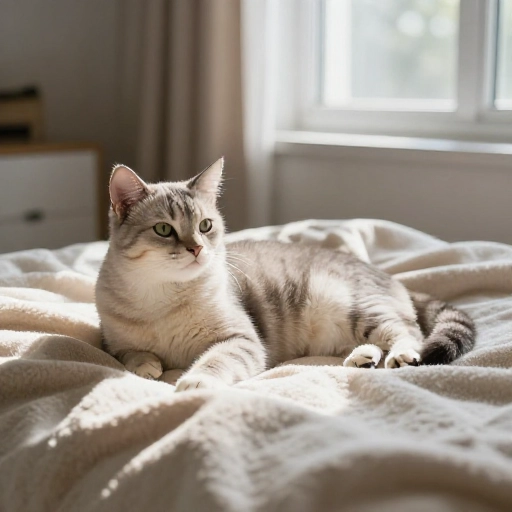
Fleas are the worst, right? One minute your cat is dozing peacefully, the next they’re scratching like crazy. I’ve been there—worrying about harsh chemicals on my cat’s sensitive skin. The good news? You don’t always need a trip to the vet for a flea fix. Over the years, I’ve gathered simple, natural ways to tackle fleas before they take over your home.
These tips are gentle enough for daily use but tough on those tiny jumpers. They won’t replace a vet’s advice for severe infestations, but they work wonders for mild cases or prevention. Let’s dive into the natural flea fighters that actually work.
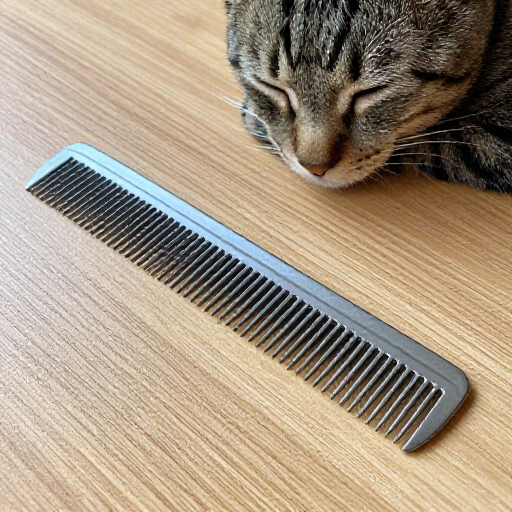
1. The Mighty Fine-Toothed Comb
This is my number one secret weapon. A flea comb is cheap, simple, and incredibly effective. Run it through your cat’s fur every day, especially around the neck and tail base.
Keep a bowl of soapy water nearby. Dip the comb after each stroke to drown any fleas you catch. It feels satisfying and stops the cycle fast. Plus, it’s a great bonding moment with your cat.
2. Lemon Spray for a Fresh Coat
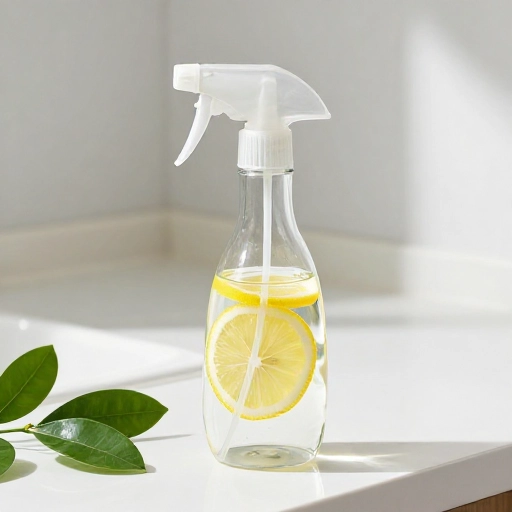
Fleas hate citrus. Steep a sliced lemon in boiling water overnight. Strain it, pour the liquid into a spray bottle, and lightly mist your cat’s fur. Avoid the eyes and nose!
This spray is super gentle and smells amazing. I use it before outdoor playtime as a protective layer. It won’t kill every flea, but it keeps them from settling in.
3. Apple Cider Vinegar Rinse
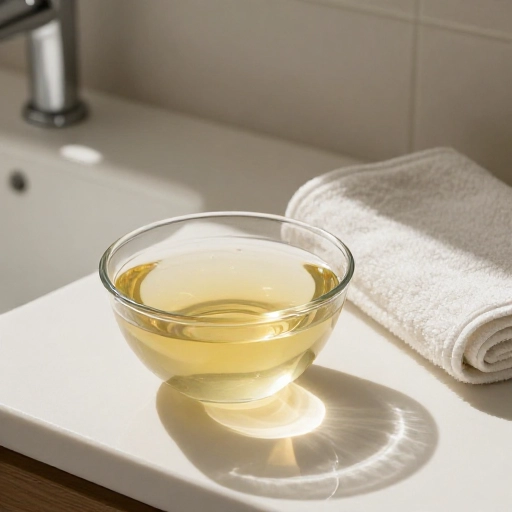
Apple cider vinegar changes the pH of your cat’s skin, making it less inviting for fleas. Mix one part vinegar with three parts water. Dip a cloth in the mix and wipe your cat’s coat gently.
Some cats hate the smell, so start slow. I dab it on a brush first. It’s not a killer, but it’s a great repellent to use during flea season.
4. Diatomaceous Earth (Food Grade Only)
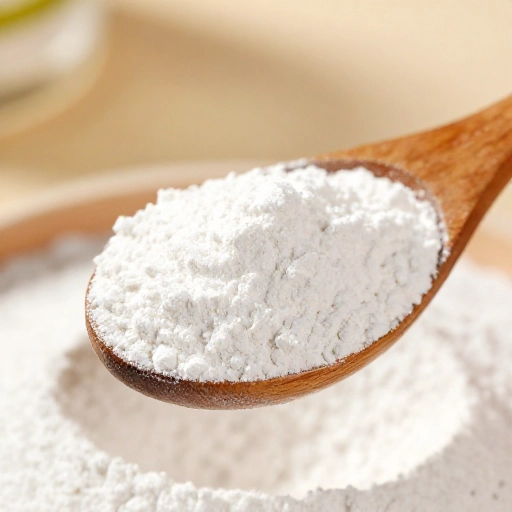
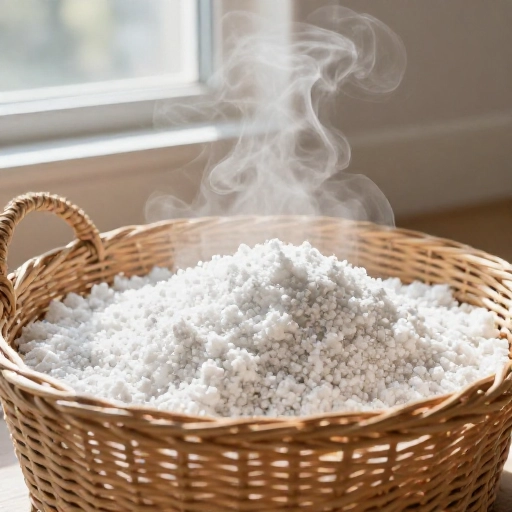
This fine powder is a miracle worker. Sprinkle food-grade diatomaceous earth on carpets, pet beds, and around baseboards. It dehydrates fleas and their larvae naturally.
Let it sit for a few hours, then vacuum thoroughly. Keep your cat away while it settles. It’s safe for pets once the dust clears, but avoid breathing it in yourself.
5. Wash Bedding in Hot Water Weekly
Fleas love cozy spots. Your cat’s bed, your blankets, and even your couch cushions are prime real estate. Wash everything in hot, soapy water at least once a week.
Tumble dry on high heat to kill eggs and adults. I keep a spare set of bedding so I can rotate easily. This simple habit broke a stubborn flea cycle for me.
6. Rosemary Flea Dip
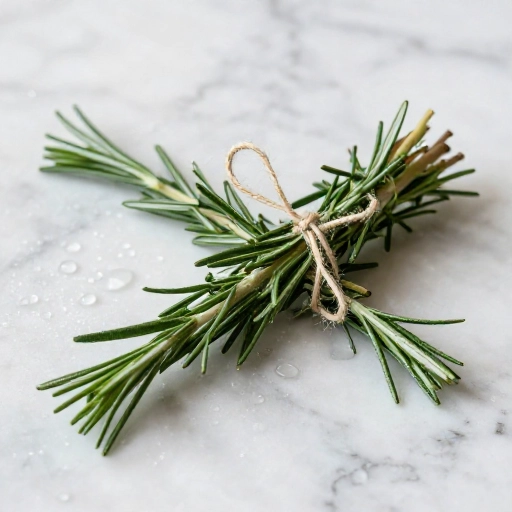
Rosemary isn’t just for cooking. Boil a handful of fresh rosemary in water for 30 minutes. Strain, cool, and pour the liquid over your cat after a bath. Rub it in gently.
The scent repels fleas naturally. It’s calming for cats too. I do this once a month during summer. Your cat will smell like a herb garden!
7. Vacuum Like a Maniac
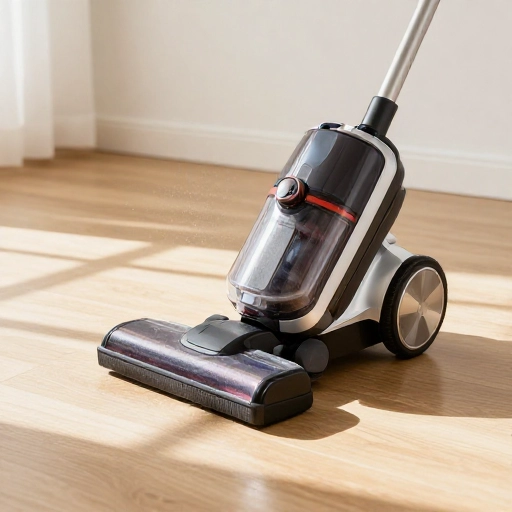
Vacuuming is your best friend. Go over carpets, rugs, and furniture daily during a flea outbreak. Pay extra attention to cracks and edges where fleas hide.
Throw the vacuum bag outside immediately after. Fleas can escape from the bin. I use a bagless vacuum and empty it into a sealed trash bag. It feels like a workout, but it works.
8. Neem Oil Spot Treatment
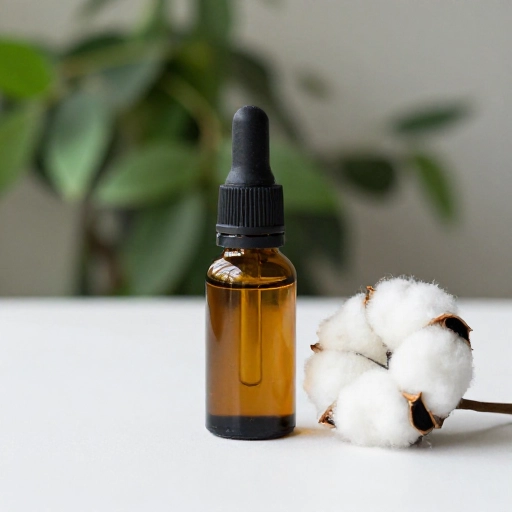
Neem oil is a powerful natural insecticide. Mix a few drops with a carrier oil like coconut or olive oil. Dab it on your cat’s neck and base of the tail.
It has a strong, earthy smell, so test a tiny spot first. Neem disrupts flea reproduction. Use it sparingly—a little goes a long way. My cat tolerated it well after a few tries.
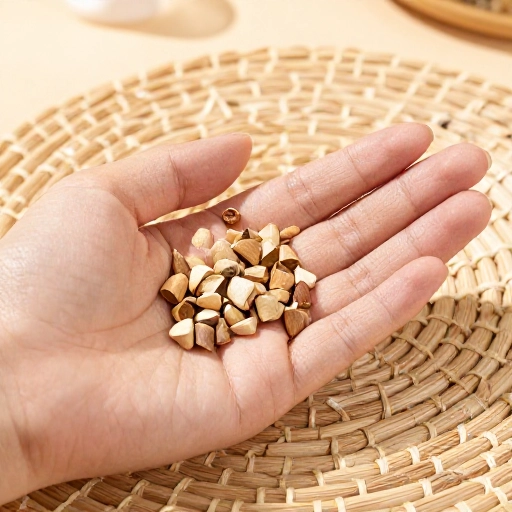
9. Cedar Chips Around the House
Cedar repels fleas naturally. Place cedar chips in small sachets or scatter them under furniture and near doorways. Avoid direct contact with your cat’s skin.
I keep a bowl of cedar chips near the cat flap. It creates a barrier fleas won’t cross. Refresh the chips monthly for best results. The scent is pleasant for us too.
10. Coconut Oil for Skin Health
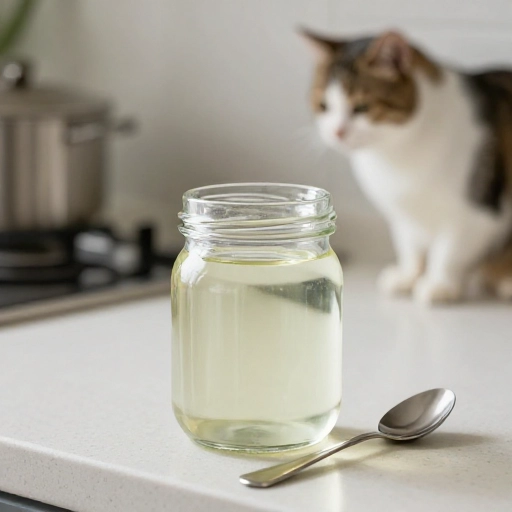
Coconut oil is a double threat. It moisturizes dry skin and contains lauric acid, which can suffocate fleas. Rub a tiny amount between your palms and stroke your cat’s coat.
Start with a pea-sized amount. Some cats love the taste, but too much can upset their stomach. I use it as a weekly grooming treat. It leaves the fur soft and shiny.
11. Keep Your Yard Clean
Fleas hitch rides from outside. Trim tall grass, remove leaf piles, and keep bushes tidy. Fleas thrive in damp, shady spots. Let sunlight into your yard.
I sprinkle food-grade diatomaceous earth around the garden edges. It’s safe for plants and pets. A tidy yard means fewer fleas sneaking indoors on your shoes or your cat.

12. Boost Your Cat’s Diet
A healthy cat fights fleas better. Add a spoonful of raw, unfiltered apple cider vinegar to their water bowl (if they tolerate it). Some cats prefer brewer’s yeast in their food.
Brewer’s yeast makes the skin less tasty to fleas. I mix a pinch into wet food daily. Check with your vet first, especially for kittens. Good nutrition builds natural resistance.
Conclusion
Natural flea control takes a bit of patience, but it’s worth it for your cat’s comfort and your peace of mind. I’ve mixed and matched these tips depending on the season and how my cat reacts. Start with the comb and vacuum—they’re the backbone of any plan. If fleas persist, don’t hesitate to consult your vet. Your cat will thank you with purrs and cuddles.
Frequently Asked Questions
Can I use essential oils on my cat for fleas?
Be careful. Many essential oils are toxic to cats, especially tea tree and peppermint. Stick to gentler options like diluted lemon or rosemary. Always ask your vet first.
How often should I flea comb my cat?
Daily during flea season is ideal. Even once a week helps if you’re consistent. The key is to drown fleas immediately in soapy water.
Are natural remedies safe for kittens?
Kittens are more sensitive. Avoid strong oils and powders. Stick to the comb and warm water baths. Talk to your vet before trying anything new with a young cat.
Why do fleas keep coming back?
Fleas lay eggs that hide in carpets and bedding. You must treat your home, not just your cat. Vacuum and wash bedding weekly to break the cycle.
How long do natural treatments take to work?
Results vary. Combing and vacuuming show immediate effects. Diatomaceous earth and sprays take a few days. Patience is key—consistent effort wins the flea fight.