12 Ways to Call Your Cat Back Home

There’s nothing scarier than realizing your cat has slipped out and hasn’t come back. I’ve been there, standing at the back door, calling their name into the dark. It’s a feeling that makes your heart sink. But here is the good news: most cats don’t wander far. They usually hunker down nearby, waiting for the right signal to come out.
Calling a cat isn’t like calling a dog. They don’t always come running when you shout. You need a strategy that speaks their language. Whether your cat is a seasoned explorer or a first-time escape artist, these 12 gentle and practical methods can help bring them back to your arms.
Remember, panicking only makes things harder. Stay calm, grab a few of their favorite things, and try these one at a time. You might be surprised how fast they reappear.
1. Shake their favorite treat bag
Cats recognize sound patterns better than you think. If you always shake the treat bag before giving them a snack, that sound is pure magic to their ears. Step outside and give the bag a good shake. Do it in short, rhythmic bursts.
Walk around your yard or the block while shaking it. Pause and listen. They might be too scared to meow back, but they might start moving toward you. If they associate that sound with positive things, they’ll follow it home.
Don’t forget to bring the actual treats. When they finally appear, you want to reward them immediately.

2. Use their favorite food’s can opener
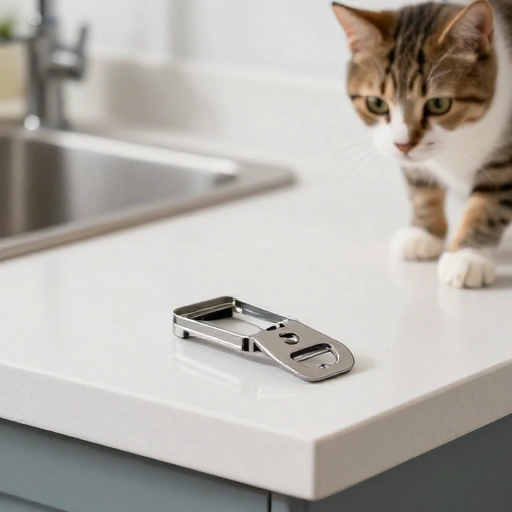
That specific metal-on-metal sound or the pop of a wet food lid is a dinner bell. Even if they’re hiding under a bush or in a neighbor’s shed, their stomach will do the talking. Take the can and opener outside.
Open it near your back door first, then walk slowly around the property. The smell of wet food travels far. Leave a small bowl of it on your porch as a scent beacon. Cats have an incredible sense of smell, and this is one of the strongest lures.
3. Call their name in a calm, happy voice
Your cat knows your voice. But if you sound frantic, they might think something is wrong and stay hidden. Take a deep breath. Use the same tone you use when you come home and greet them. Sing-songy and soft.
Call their name, then pause for 10 seconds. Repeat. Walk slowly and stop often. Cats are more likely to come to a stationary target. If you sound like you’re having a good time, they’ll be curious about what they’re missing.

4. Leave a piece of your clothing outside
Your scent is a powerful homing signal. Grab a worn t-shirt, a hoodie, or even a pair of socks and place them near your back door or where they last vanished. Don’t wash it first. Your smell will act like a trail marker.
Check the spot every few hours. Sometimes cats return and just curl up on the clothing without making a sound. It’s a low-effort method that works especially well at night.

5. Search at dawn and dusk
Cats are crepuscular, meaning they are most active during twilight hours. If your cat is lost, they are much more likely to move around at sunrise and sunset. Set an alarm and do a proper search during these windows.
Bring a flashlight, even when it’s not fully dark. The light reflects off cat eyes. Sweep it under porches, bushes, and parked cars. Move slowly and call softly. This is when your cat is most likely to hear you and respond.

6. Use a familiar toy or squeaker
Not all cats come for food sounds. Some respond to the crinkle of their favorite toy or the squeak of a mouse. If your cat has a specific toy they go crazy for, bring it outside. Give it a few squeaks or crinkles.
Do this in different spots around your home. The sound is unusual enough outdoors that it might catch their attention. It’s also less likely to attract other animals compared to food smells.

7. Check nearby hiding spots first
Most lost cats are not actually lost. They are hiding within a five-house radius. They find a cozy nook under a deck, inside a garage, or behind a dense bush. Before you go far, search your immediate surroundings thoroughly.
Get down on your hands and knees. Look under sheds, behind air conditioning units, and inside open garages. Call their name softly. If they are scared, they won’t come out, but you might hear a tiny meow or see a flick of a tail.

8. Put their litter box outside
This is a common tip, but it works. The strong, familiar smell of their own litter can guide them back from a surprising distance. Place the entire litter box near your back door, not directly on the street.
Make sure it’s a box they have used recently. The scent is unique to them. Check it often. Some cats come back and use it immediately, which is a clear sign they are back on your property.

9. Play a recording of a cat purring or meowing
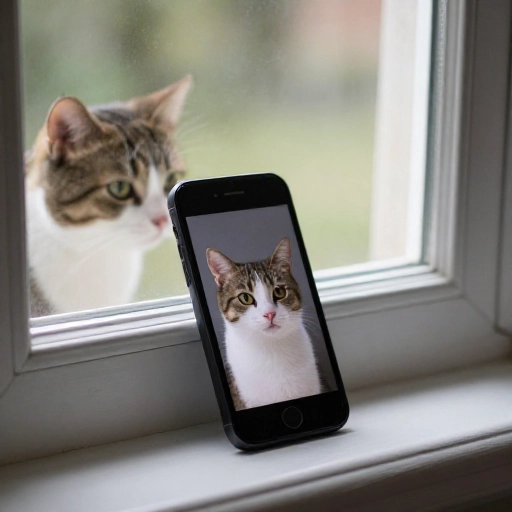
There are plenty of free apps or online audio clips of friendly cat sounds. Play a soft, gentle purring sound or a friendly meow from your phone. Put the speaker near a window or take it outside.
Keep the volume low. Loud noises scare cats. The goal is to sound like another cat is nearby and safe. This can draw a curious or lonely cat out of hiding. Play it for a few minutes, then listen in silence.
10. Search at night with a flashlight
When the sun goes down, the world gets quieter. Your cat might feel safer moving around. Grab a strong flashlight and walk your neighborhood. Shine the light slowly under cars, into bushes, and along fence lines.
Cat eyes reflect a bright green or yellow glow. You might see their eyes before you hear them. Move quietly and call their name in a low, calm voice. Night searches are often the most successful because there are fewer distractions.

11. Ask neighbors to check their sheds and garages
Cats are experts at slipping into open doors. They might have gotten trapped in a garage or shed without anyone knowing. Go door to door and ask your neighbors to check their enclosed spaces.
Give them a photo of your cat and your phone number. Ask them to look inside before they close doors or start cars. A friendly face and a simple request can save a lot of time. Most neighbors are happy to help.
12. Stay outside for a while and just sit
Sometimes the best call is silence. Take a chair, a cup of tea, and sit near your back door. Don’t call. Just be present. Your cat might be watching you from a hiding spot, waiting for things to feel normal.
When they see you relaxed, they might decide it’s safe to come out. Read a book or scroll on your phone. The less attention you pay to the search, the more likely they are to approach. Patience is a powerful tool.

Conclusion
Bringing your cat home often comes down to staying calm and being consistent. They are smart, cautious animals who usually stick close to familiar territory. Try a few of these methods at different times of the day. Combine them if you feel adventurous.
Don’t give up hope. Many cats return after a few hours or even a couple of days. Keep their food and water fresh, keep your door cracked open if it’s safe, and keep listening. Your cat knows where home is. They just need the right invitation to come back.
Frequently Asked Questions
How far do indoor cats usually wander when they get out?
Most indoor cats stay within a five-house radius. They usually find a hiding spot close to home and stay there until they feel safe enough to move.
Should I put up flyers right away?
Yes, but start with your immediate neighbors first. Flyers can help, but direct communication with people nearby is often faster. Use a clear photo and your phone number.
What if my cat is injured and hiding?
If you suspect your cat is hurt, move slowly and speak softly. Do not chase them. Call a local vet or animal rescue for advice on how to safely trap them. A carrier with a towel can help.
How long can a lost cat survive outside?
Cats are resilient. Many survive for weeks by finding food and water. But the first 24 to 48 hours are the most critical for a safe return. Keep searching and don’t lose hope.
Will my cat come back on their own?
Many do. Cats have a strong homing instinct. Sometimes they just need a little time to calm down. Leaving familiar scents and sounds outside increases the chances they will return on their own.