11 Useful Ideas Every Dog Lover Needs for a Happier, Healthier Pup
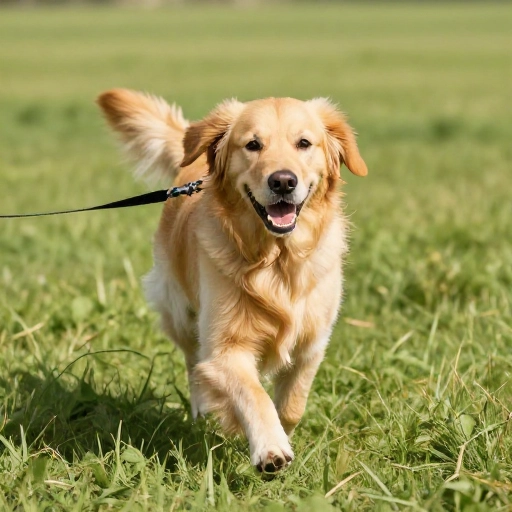
If you’re anything like me, your dog isn’t just a pet—they’re family. You want to give them the best life possible, but sometimes it’s the simple, everyday things that make the biggest difference. I’ve gathered eleven ideas that have genuinely transformed how I care for my pup, and I think they’ll do the same for yours.
These aren’t complicated training tricks or expensive gadgets. They’re small, practical shifts in routine and mindset that boost your dog’s happiness and health. From mealtime to playtime, let’s make every moment with your furry friend a little better.
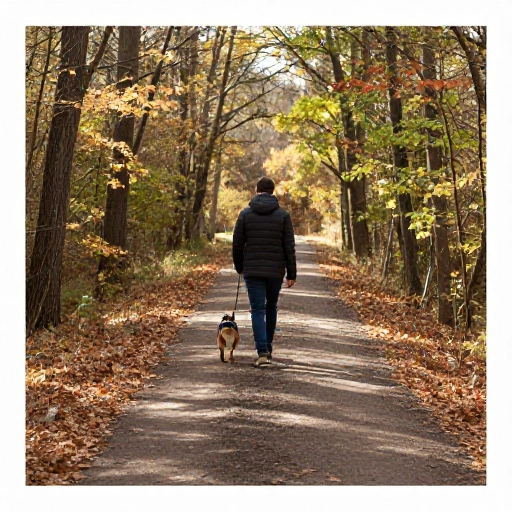
1. Switch Up the Walk Route for Mental Stimulation
Dogs thrive on new smells and sights. Walking the same block every day can get boring for both of you. I started taking my dog on a different path just twice a week, and it made a huge difference.
The mental workout from sniffing new spots is just as tiring as physical exercise. It calms their brain and keeps them curious. Try turning down a street you’ve never explored or visiting a nearby park you usually skip.
Even a small change, like walking on the other side of the road, can feel like a fresh adventure. Your pup will thank you with a relaxed, happy demeanor.
2. Use a Snuffle Mat for Slow Feeding
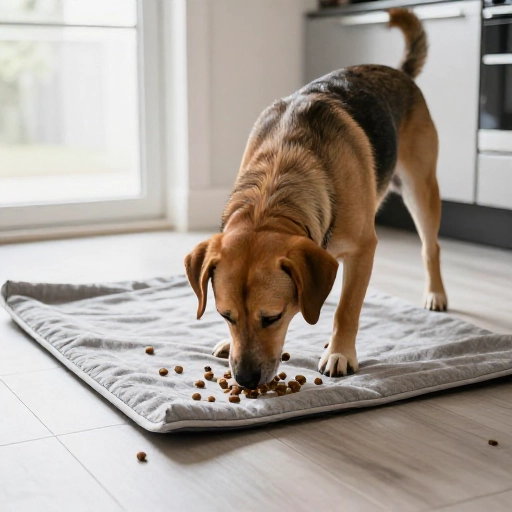
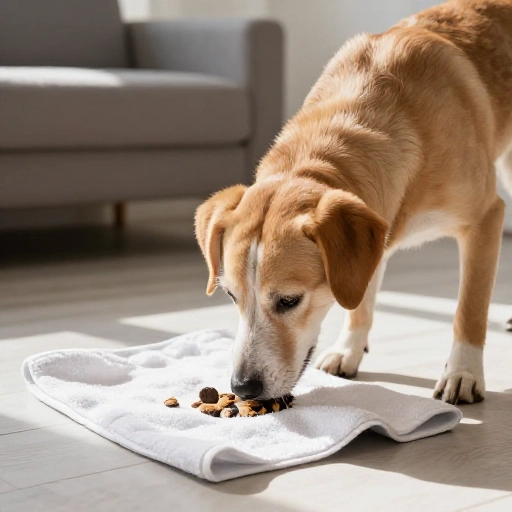
If your dog inhales their food in seconds, a snuffle mat is a game changer. It’s basically a mat with fabric strips where you hide kibble. I was shocked at how much calmer my dog became after meals.
Instead of gulping, they have to sniff and search. This slows down eating, which is great for digestion and prevents bloating. Plus, it taps into their natural foraging instincts.
You can buy one or make your own with a rubber mat and fleece strips. It turns a boring bowl of food into a fun puzzle session.
3. Add a Monthly “Pamper Day” to Your Routine
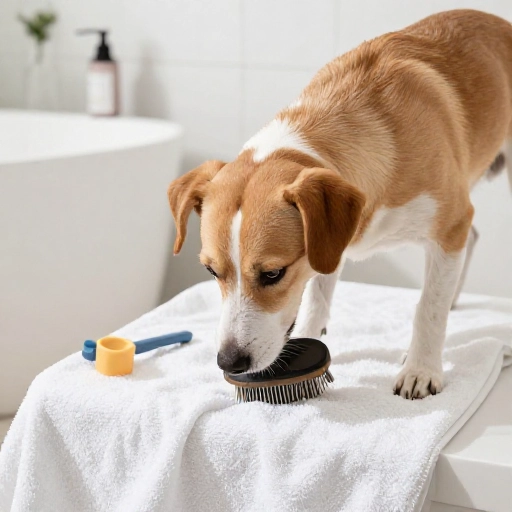
I set aside one Sunday a month as a dedicated pamper day for my pup. It’s not about fancy spa treatments—just focused care. We start with a gentle brushing session to remove loose fur and check for any lumps or ticks.
Then I trim their nails if needed, clean their ears with a vet-approved solution, and brush their teeth. It sounds like a lot, but it only takes about 20 minutes. Doing it monthly keeps health issues at bay and strengthens your bond.
Finish with a favorite treat and some extra cuddles. It feels like a ritual now, and my dog actually gets excited when I pull out the grooming kit.
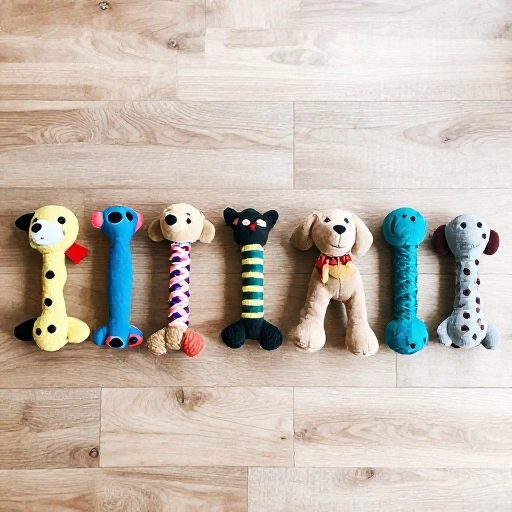
4. Rotate Toys to Keep Playtime Fresh
I used to leave all my dog’s toys out all the time. They quickly lost interest and just ignored the pile. Then I learned a simple trick: rotate them. Now I keep only three or four toys available at a time.
Every week, I swap them out for the hidden ones. The “new” toys feel exciting again, even if they’re the same old ones. It costs nothing and keeps your pup engaged without buying more stuff.
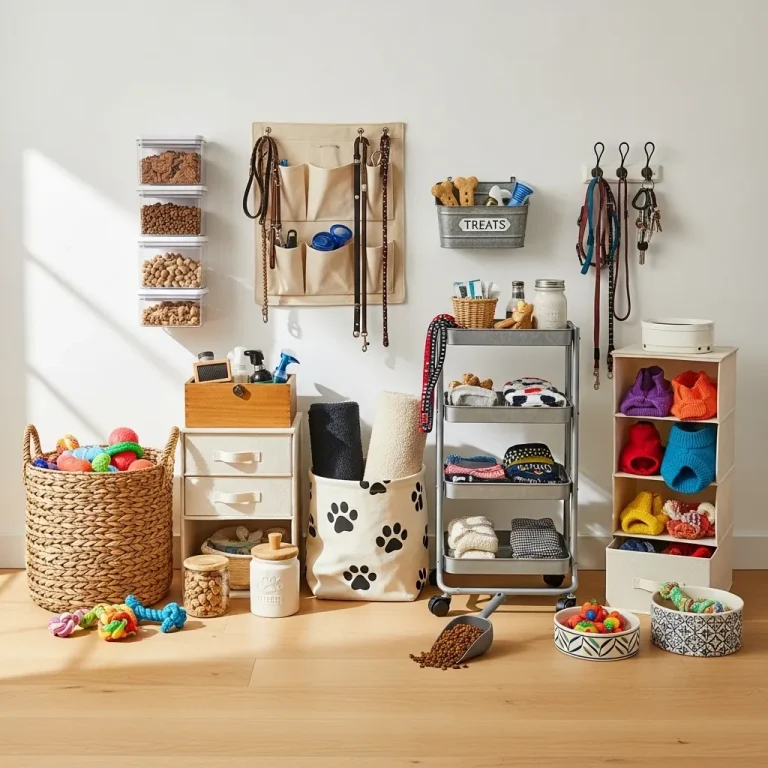
Try storing the rotation in a basket in the closet. It’s a small habit that makes playtime way more fun for both of you.
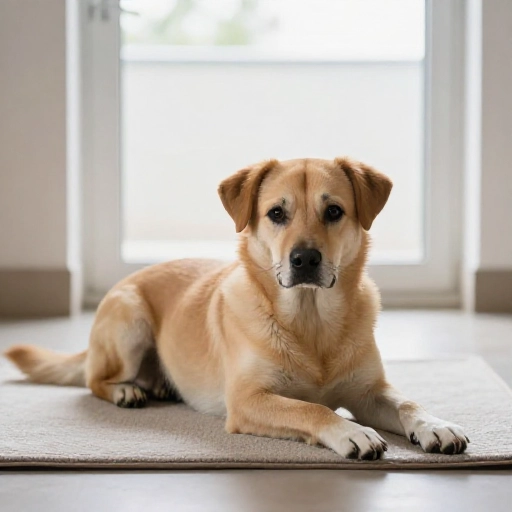
5. Practice “Settle” Training for Calmer Days
Teaching your dog to settle on a mat or bed is a lifesaver. I was skeptical at first, but it’s helped my hyper pup relax when guests come over or during dinner. It’s not about forcing them to be still—it’s about rewarding calm behavior.
Start by tossing treats onto a mat and saying “settle.” Gradually increase the time they stay. Over a few weeks, they learn that chilling out earns rewards.
Now, when I’m working from home, my dog will go to their mat and nap. It’s like having an off switch. This skill reduces their stress and yours too.
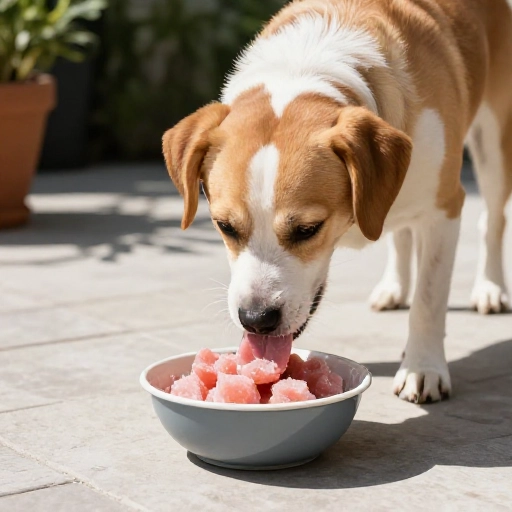
6. Offer Frozen Treats on Hot Days
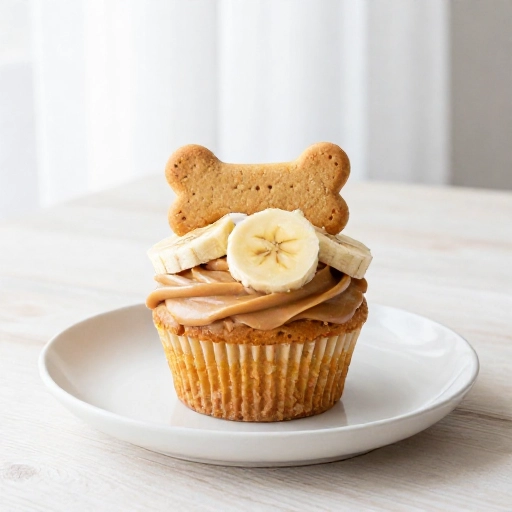
Summer heat can be tough on dogs. I make simple frozen treats that are healthy and refreshing. Fill a Kong or silicone mold with plain yogurt, mashed banana, and a few blueberries.
Freeze them overnight, and you’ve got a perfect cool-down snack. My dog goes wild for them. They also help with teething puppies or just keeping your pup occupied for a while.
You can also freeze low-sodium chicken broth in ice cube trays. Just make sure there’s no onion or garlic. It’s a cheap, easy way to beat the heat together.
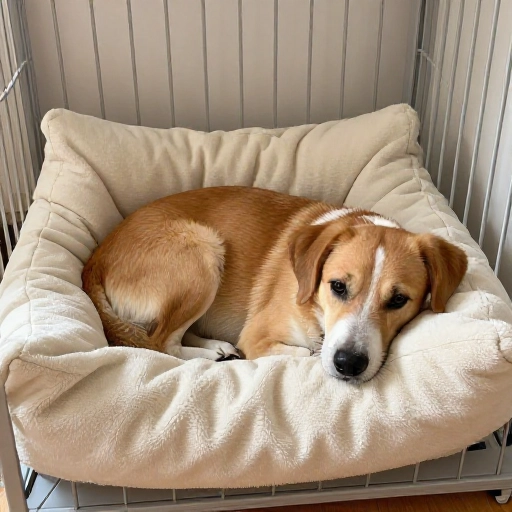
7. Create a Cozy “Den” Space
Dogs love having a safe spot to retreat to. I set up a small den in a quiet corner with a soft blanket and a few toys. It’s not their crate—it’s just a cozy nook where they can go when they feel overwhelmed.
I noticed my dog uses it during thunderstorms or when the house gets loud. It gives them a sense of security. You can use a covered bed or even a cardboard box with a blanket draped over it.
Let your dog discover it on their own. Never use it as a punishment. It should be their happy place, and it really helps with anxiety.
8. Incorporate “Scent Games” into Daily Play
Dogs experience the world through their noses. Scent games are a fantastic way to tire them out mentally. I hide small treats around the living room and say “find it.” At first, I keep them in plain sight, then gradually hide them under cushions or behind furniture.
It takes only five minutes and uses up a ton of energy. My dog’s tail wags the whole time. You can also use a towel and roll treats inside it, letting them sniff and unroll.
These games build confidence and are great for rainy days when you can’t go outside. Plus, it’s just fun to watch them work.
9. Stick to a Consistent Daily Schedule
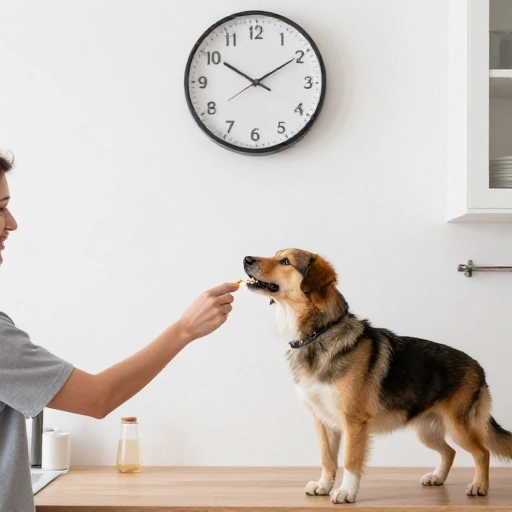
Dogs feel safer when they know what to expect. I used to feed and walk my dog at random times, and he seemed anxious. Now we have a loose routine: morning walk, breakfast, playtime, lunch walk, dinner, and evening cuddles.
It doesn’t have to be military precision. Just aim for similar times each day. This predictability reduces stress and helps with potty training too. My dog actually waits by the door at walk time now.
A consistent schedule also helps you remember to give fresh water and check their needs. It’s a simple structure that makes both your lives easier.
10. Learn to Read Your Dog’s Body Language
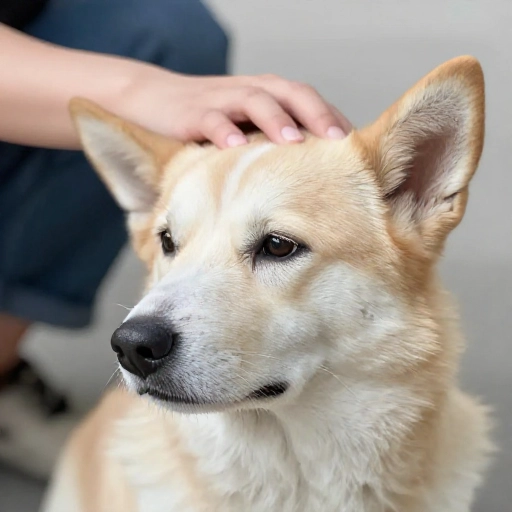
I wish I’d learned this sooner. Dogs communicate so much with their ears, tail, and posture. A tucked tail isn’t always fear—it can be stress or uncertainty. A relaxed, open mouth means they’re happy.
I spent a week just observing my dog without interacting. I noticed when he was about to get scared or overexcited. Now I can step in before he gets overwhelmed, redirecting him calmly.
Understanding your dog builds trust. You’ll know when they need space, when they want to play, and when they’re feeling off. It’s the best skill you can develop as a dog parent.
11. Prioritize Joint Health Early
Even young dogs can benefit from joint care. I started giving my pup a glucosamine supplement after my vet recommended it. It’s not just for old dogs—it helps maintain healthy cartilage as they grow.
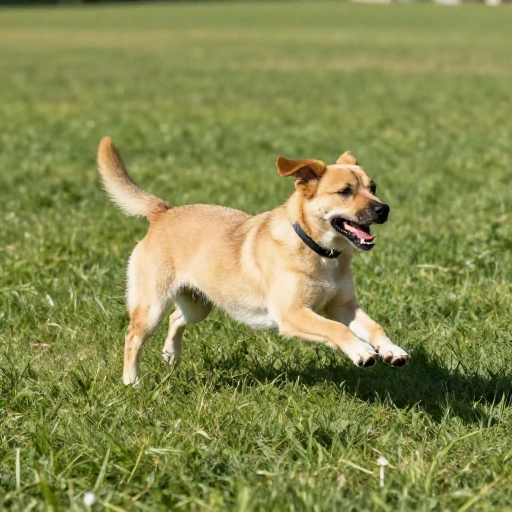
I also watch their weight closely. Extra pounds put strain on joints. Keeping walks on soft surfaces like grass or dirt trails is gentle on their body. And I avoid letting them jump off high furniture repeatedly.
Simple things like using a ramp for the car or bed can prevent injuries later. A little prevention now means a more active, pain-free life for your best friend.
Conclusion
These ideas aren’t about being a perfect dog owner. They’re about making small, intentional choices that add up to a happier, healthier pup. Start with just one or two—maybe a new walk route or a snuffle mat—and see how your dog responds.
Every dog is different, so pay attention to what works for yours. The bond you share will only grow stronger as you meet their needs in simple, loving ways. Here’s to many happy years with your furry sidekick.
Frequently Asked Questions
How often should I rotate my dog’s toys?
I switch them out every week or two. Keep a small selection available and store the rest. This keeps them interesting without overwhelming your pup.
Can I use a snuffle mat for wet food?
It’s best for dry kibble or freeze-dried treats. Wet food can get messy and hard to clean. Stick to dry options for easy use.
What frozen treats are safe for dogs?
Plain yogurt, unsalted peanut butter (no xylitol), mashed banana, and blueberries are great. Avoid grapes, raisins, and chocolate. Always check ingredients.
How do I teach my dog to settle on a mat?
Start by tossing treats onto the mat and saying “settle.” Gradually increase the time they stay. Reward calm behavior, not just lying down. Be patient—it takes a few weeks.
When should I start joint supplements for my dog?
Ask your vet, but many recommend starting around middle age or for active breeds. My vet suggested it at two years old for my high-energy dog. Early prevention helps a lot.