13 Essential Oils to Keep Cats Off Counters
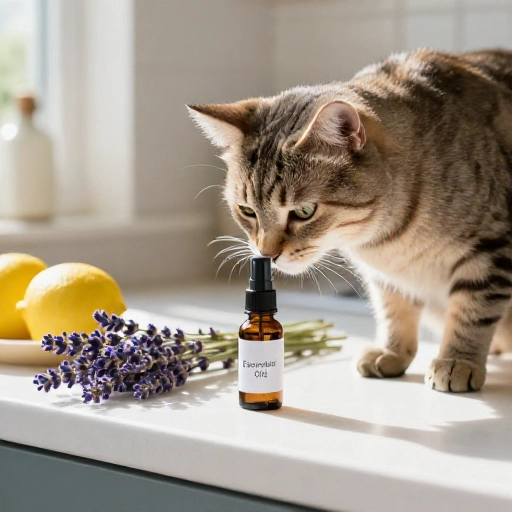
Let’s be honest—cats on counters is one of those little battles that can drive you crazy. You love your furry friend, but you don’t love finding paw prints near the coffee maker or fur on the cutting board. I’ve been there, and I’ve learned that essential oils can be a gentle, natural way to reclaim your kitchen space.
Cats have incredibly sensitive noses. What smells pleasant to us can be overwhelming or even unpleasant to them. The trick is to use oils that cats dislike but aren’t harmful when used correctly. Below are 13 essential oils that can help keep your cat off the counter—safely and naturally.
Remember: always dilute oils properly and never apply them directly to your cat. A few drops on a cotton ball or a diluted spray are your best tools.
1. Lavender
Lavender is a classic for a reason. While we love its calming scent, many cats find it too strong and will avoid areas where it lingers.
To use it, mix a few drops of lavender oil with water in a spray bottle. Lightly mist your counters (avoiding food areas) and let it dry. The scent fades quickly for us but lingers enough for your cat to notice.
- Always use pure, high-quality lavender oil.
- Test a small spot first to make sure it doesn’t stain your counter.
2. Peppermint
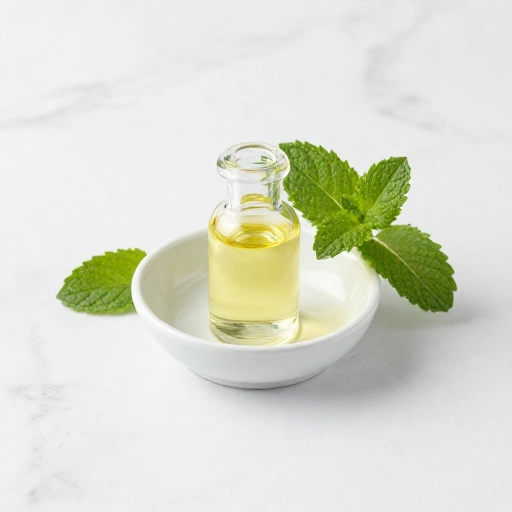
Peppermint has a sharp, minty scent that most cats dislike. It’s one of the most effective deterrents I’ve tried.
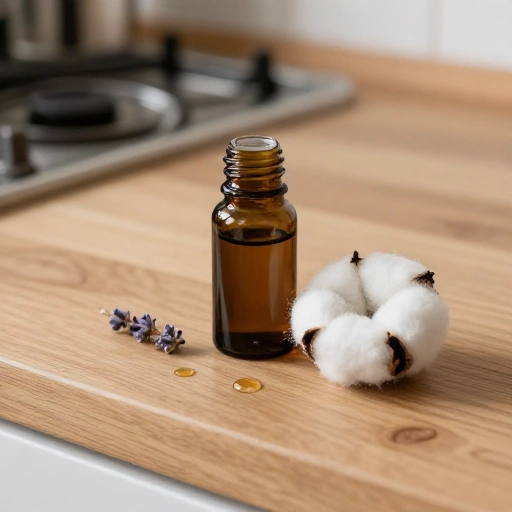
Put a drop or two of peppermint oil on a cotton ball and place it in a small dish on the counter. Replace it every few days. Your cat will likely steer clear of that spot.
- Keep peppermint away from cats with respiratory issues.
- Don’t use it near their food or water bowls.
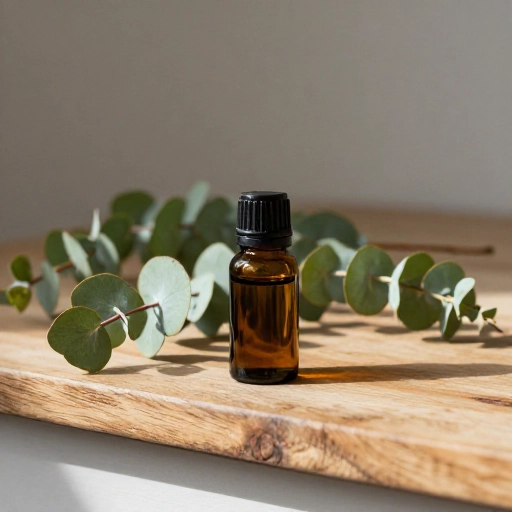
3. Eucalyptus
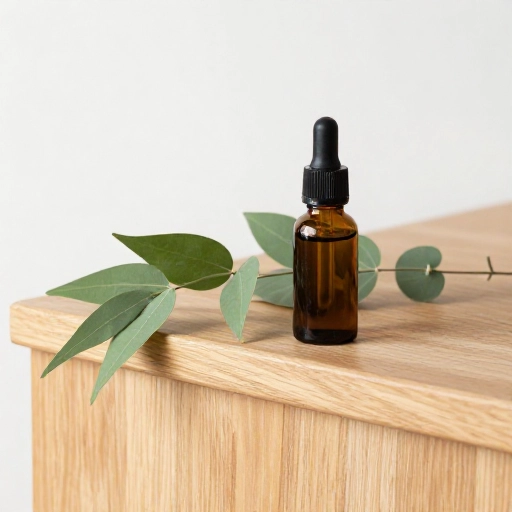
Eucalyptus has a strong, medicinal smell that cats tend to avoid. It’s especially useful if your cat likes to jump near plants or windowsills.
Add 5-6 drops of eucalyptus oil to a spray bottle filled with water. Shake well and spritz the edges of your counters. Reapply after cleaning.
- Eucalyptus can be toxic if ingested, so keep it out of reach.
- Use only in well-ventilated areas.
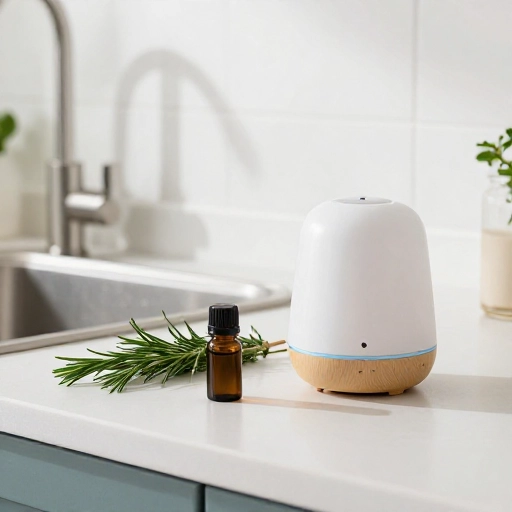
4. Rosemary
Rosemary smells wonderful to us—like a fresh herb garden—but cats often find it too pungent. It’s a natural and safe option.
You can use rosemary essential oil the same way as lavender. A few drops on a cloth placed near the counter edge works well too.
- Rosemary is generally safe for cats in small amounts.
- It also helps keep other pests away.
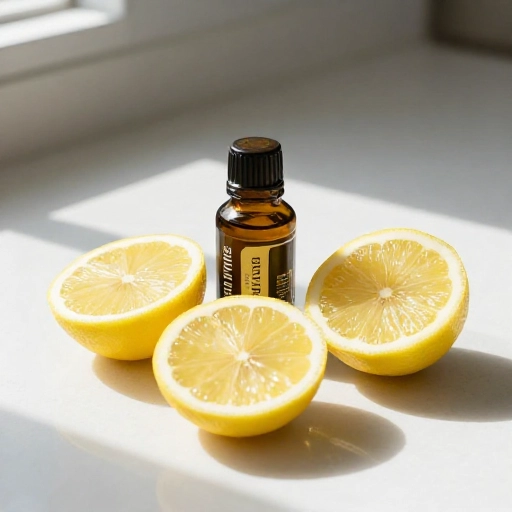
5. Lemon
Citrus scents are a big no-no for most cats. Lemon is bright and fresh to us, but your cat will likely turn up its nose.
Mix lemon essential oil with water and spray your counters lightly. The smell fades quickly, so you may need to reapply every day or two.
- Never use lemon oil near your cat’s face.
- Keep it away from wooden surfaces to avoid damage.
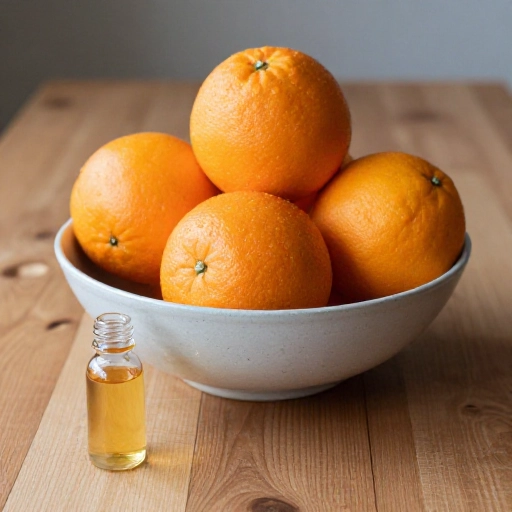
6. Orange
Like lemon, orange is a citrus that cats strongly dislike. It’s a cheerful scent for us but a deterrent for them.
Add a few drops of orange oil to a spray bottle with water. Mist the counters, especially the edges where your cat tends to jump.
- Orange oil can be phototoxic, so avoid sun exposure after use.
- Always dilute well.
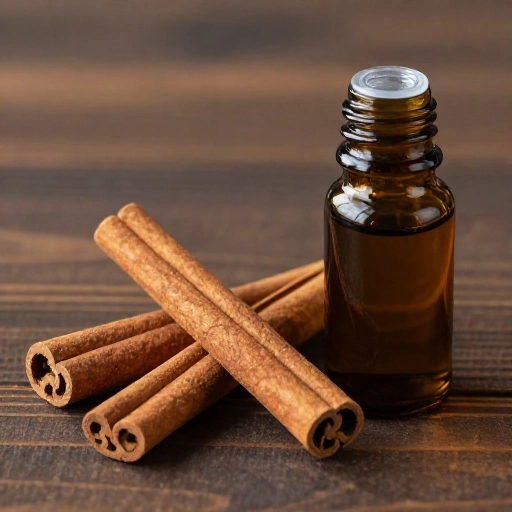
7. Cinnamon
Cinnamon has a warm, spicy scent that cats find unpleasant. It’s a cozy option for fall and winter months.
Use cinnamon oil sparingly—just a drop or two on a cotton ball placed in a small dish. The scent is strong, so a little goes a long way.
- Never apply cinnamon oil directly to your cat’s skin.
- Keep it away from their nose and mouth.
8. Lemongrass
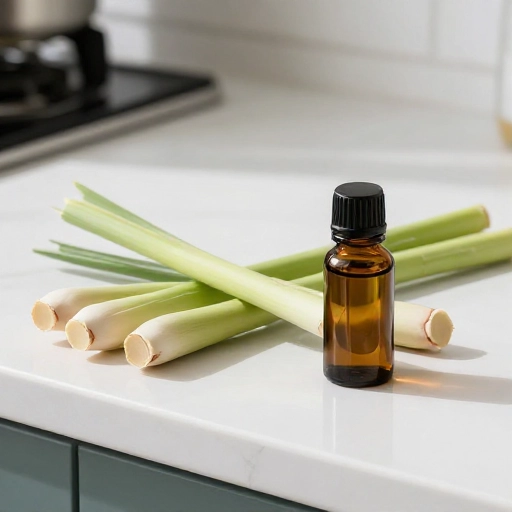
Lemongrass has a fresh, grassy scent that many cats dislike. It’s also a natural insect repellent, which is a bonus.
Mix lemongrass oil with water and spray your counters. It’s gentle enough for daily use but effective at keeping cats away.
- Lemongrass is generally safe but use in moderation.
- Test on a small area first to avoid staining.
9. Geranium
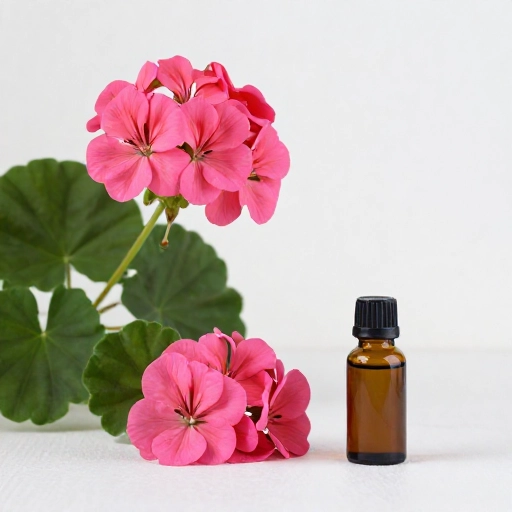
Geranium has a floral, slightly sweet scent that cats often avoid. It’s a nice alternative if you want something less intense than citrus.
Add a few drops of geranium oil to a cotton ball and place it near the counter edge. Replace every few days.
- Geranium is safe for most cats when used this way.
- It also smells lovely to humans.
10. Tea Tree
Tea tree oil has a strong, medicinal scent that cats dislike. It’s very potent, so use it with caution.
Dilute tea tree oil heavily—just one drop in a cup of water is enough. Spray lightly on counters, avoiding areas where your cat might lick.
- Tea tree can be toxic in large amounts, so use very sparingly.
- Never apply it directly to your cat.
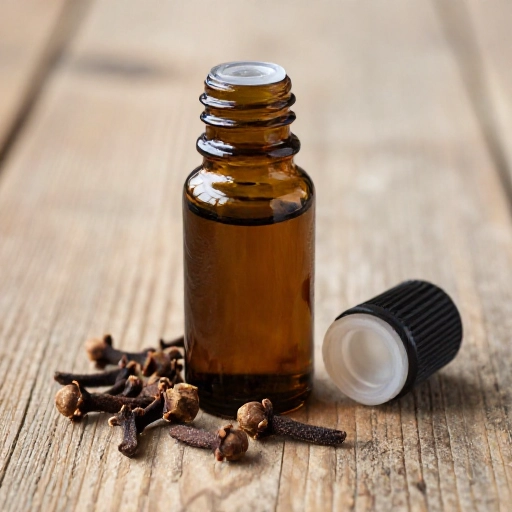
11. Clove
Clove has a spicy, warming scent that most cats find off-putting. It’s a strong deterrent but should be used carefully.
Put a drop of clove oil on a cotton ball and place it in a small dish on the counter. The scent will last for days.
- Clove oil is very strong—use only one drop at a time.
- Keep it out of reach of pets and children.
12. Wintergreen
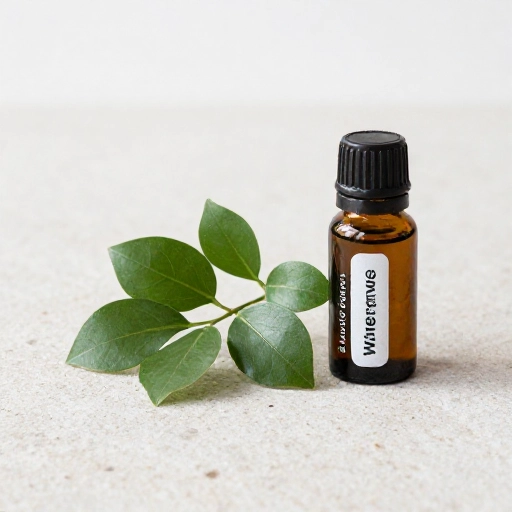
Wintergreen has a minty, almost medicinal scent that cats tend to avoid. It’s less common but very effective.
Mix a drop of wintergreen oil with water and spray your counters. Use it sparingly because it’s potent.
- Wintergreen can be toxic if ingested, so keep it away from food.
- Always dilute well.
13. Cedarwood
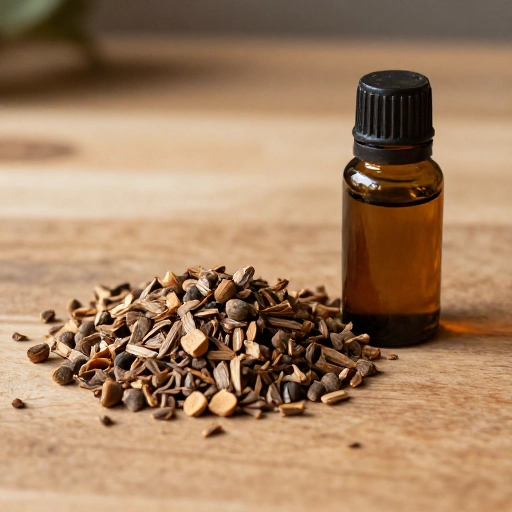
Cedarwood has a woody, earthy scent that cats often dislike. It’s a natural insect repellent too, making it a great multi-purpose oil.
Add a few drops of cedarwood oil to a spray bottle with water. Mist your counters lightly, especially in corners where your cat likes to perch.
- Cedarwood is generally safe for cats in small amounts.
- It has a pleasant, grounding smell for humans.
Final Thoughts
Using essential oils to keep cats off counters is a gentle, natural method that respects both your space and your pet. The key is consistency—reapply often and always use diluted oils. Every cat is different, so you might need to experiment with a few scents to find what works best.
Remember, your cat isn’t being naughty—they’re just being a cat. A little patience and a few drops of oil can make your kitchen a calmer, cleaner place for everyone.
Frequently Asked Questions
1. Are essential oils safe for cats?
Some essential oils can be toxic to cats if ingested or applied directly. Always dilute oils heavily, use them in well-ventilated areas, and never apply them to your cat’s skin or fur. If in doubt, consult your vet.
2. How do I apply essential oils to keep cats off counters?
The safest method is to mix a few drops of oil with water in a spray bottle and lightly mist the counters. You can also place a drop or two on a cotton ball and set it in a small dish on the counter.
3. How often should I reapply the oils?
Most oils will last a day or two before the scent fades. Reapply every 1-2 days, or after cleaning your counters. Some oils like clove or peppermint last longer.
4. What if my cat still jumps on the counter?
Be patient. It may take a few days for your cat to associate the new scent with the counter. Combine the oils with other deterrents like double-sided tape or aluminum foil for extra reinforcement.
5. Can I use these oils around other pets?
Some oils are safe for dogs but toxic for cats. Always check each oil’s safety for your specific pets. When in doubt, use lavender or rosemary, which are generally safer for both cats and dogs when used properly.