11 Amazing Ways Dogs Solve Problems Without Saying a Word

I have always been amazed by how my dog can get what she wants without barking. She never speaks, but her mind is always working. Dogs are brilliant at solving everyday problems using their bodies, eyes, and simple actions.
From nudging your hand to leading you to an empty bowl, these clever creatures have a secret language. Let me share eleven incredible ways your furry friend solves problems without uttering a single word. You might just start seeing your dog in a whole new light.
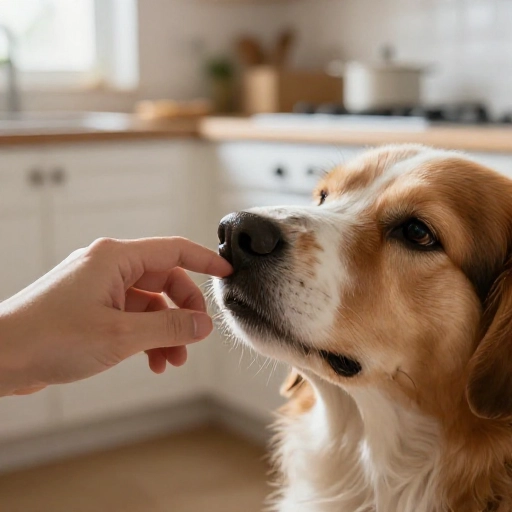
1. The Gentle Nose Nudge
When my dog wants attention, she softly pushes my hand with her wet nose. It’s not aggressive—just a polite tap. This simple act tells me she needs something, whether it’s a belly rub or a walk.
This nudge is a problem solver. Instead of barking or whining, she uses pressure to communicate. I’ve learned to look down when I feel that gentle touch. It’s her way of saying, “Hey, I’m here.”
You can use this too. If your dog nudges you, check her basic needs. Often, it’s a simple fix like water or a potty break.
2. Staring Straight Into Your Eyes
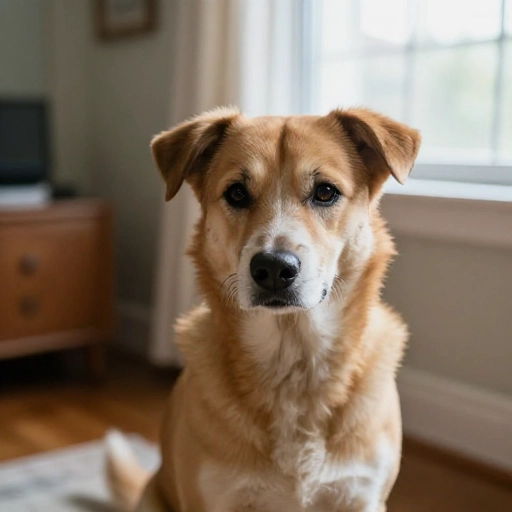
Have you ever caught your dog staring at you? It feels intense, but it’s actually a smart problem-solving trick. My dog uses a long, soft stare when she wants me to understand something important.
She might stare at me, then glance at the door. This pairing of eye contact and direction tells me exactly what she needs. It’s like she’s drawing a map with her gaze.
Dogs know eye contact releases feel-good hormones in humans. They use this to build trust and get their way. Next time your dog stares, pay attention to where she looks next.
3. Bringing You a Toy (But Not Playing)
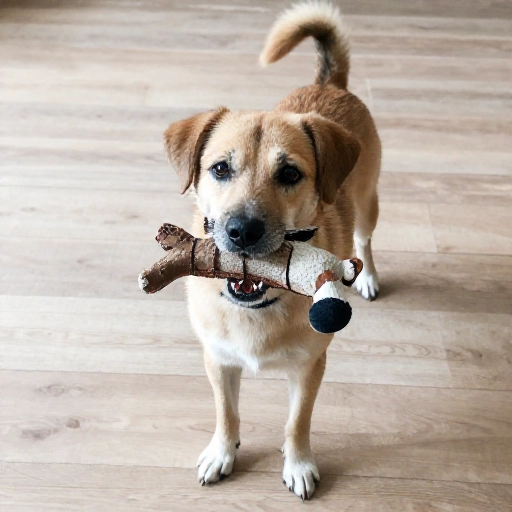
Sometimes my dog walks over with a toy in her mouth and just drops it at my feet. She doesn’t wag her tail for a game. She just stands there, looking at me, then at the toy.
This is a classic problem-solving move. She knows I respond to objects. If she’s bored, lonely, or wants a treat, the toy becomes her messenger. It’s much clearer than barking.
I’ve learned that a dropped toy often means “I need a change of scenery.” It’s her creative way of asking for engagement without a single sound.
4. The Head Tilt
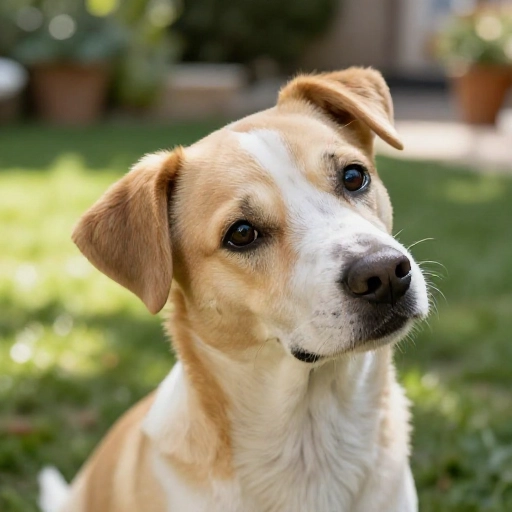
That adorable head tilt isn’t just cute—it’s a problem-solving tool. My dog tilts her head when she’s confused or trying to hear better. It helps her understand my words and tone.
She uses this tilt to solve the puzzle of human language. By adjusting her ears, she picks up on subtle sounds. It’s her way of saying, “I’m trying to figure you out.”
When I see the tilt, I slow down my speech or repeat key words. It’s a silent conversation where she shows me she’s engaged and working hard to understand.
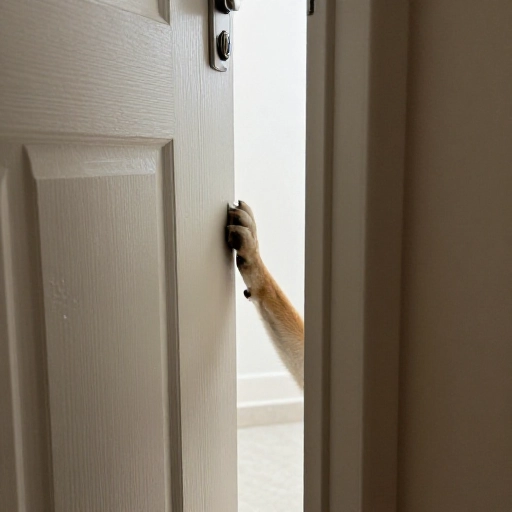
5. Pawing at the Floor or Door
My dog scratches the floor near the back door when she needs to go out. She doesn’t bark or whine. She just uses her paw to create a clear signal that’s hard to ignore.
This pawing is intentional problem-solving. She knows I associate that sound with the door opening. It’s her way of communicating a need without disrupting the house.
Some dogs paw at their bowl to show hunger. Watch where your dog paws—it’s usually a direct clue to what she wants solved.
6. Leaning Against You
When my dog leans her whole body against my legs, I know she’s seeking comfort or security. It’s a quiet, physical problem-solving move. She uses my body as a safe anchor.
This lean can mean she’s scared of a loud noise or just feeling tired. Instead of pacing or hiding, she presses into me. It’s her way of saying, “I need your calm.”
I respond by staying still and speaking softly. Her lean is a silent request for emotional support, and she knows I’ll understand.

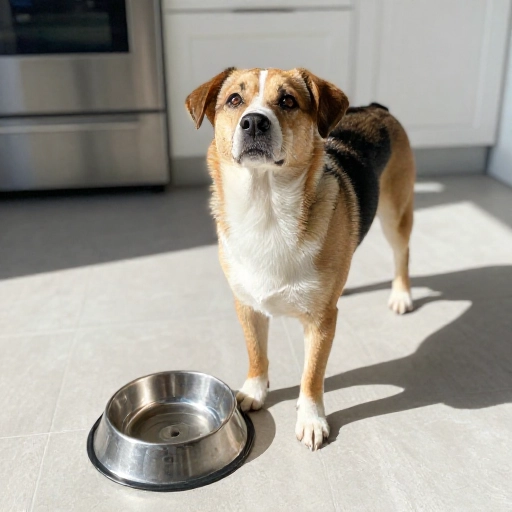
7. Showing You the Empty Bowl
My dog will stand by her food bowl and look at me, then back at the bowl. She might tap it with her paw. She never barks, but the message is crystal clear.
This is about solving the problem of hunger. She uses the bowl as a visual prop. It’s much more effective than whining because I can see exactly what she means.
Dogs learn that humans respond to objects. If your dog does this, she’s using a smart, silent strategy to get her needs met fast.
8. Yawning at the Right Moment
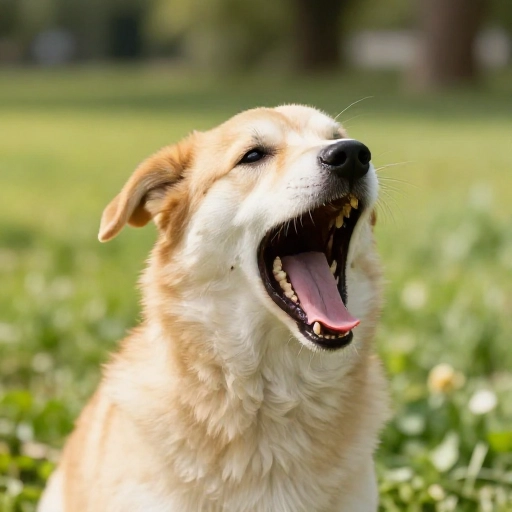
Yawning isn’t always about being tired. My dog yawns when she’s stressed or trying to calm a situation. It’s a subtle way to solve tension without confrontation.
If she sees me upset, she might yawn. This is her way of saying, “Let’s all relax.” It’s a calming signal that dogs use to diffuse problems silently.
I’ve learned to mirror her calm. When she yawns during a stressful moment, I take a deep breath too. Her silent yawn is a wise problem-solving tool.
9. Moving Your Hand with Her Head
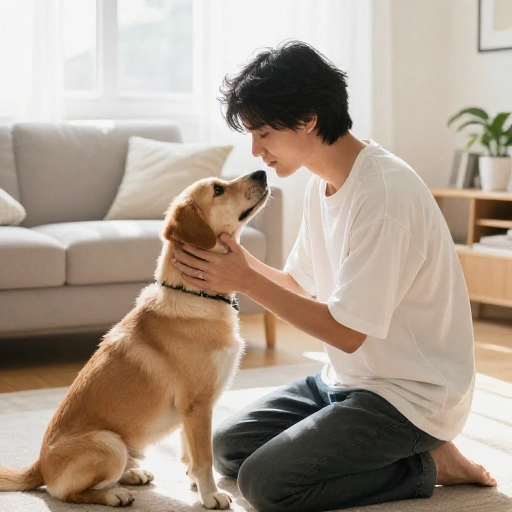
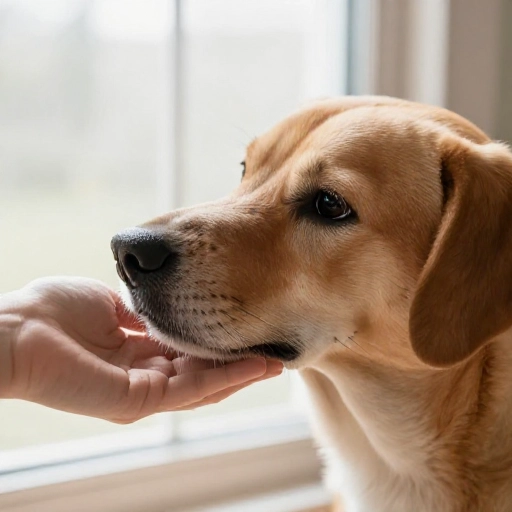
Sometimes my dog slides her head under my hand and lifts it. She’s literally moving my hand to where she wants it—usually for a scratch or pet. It’s direct and brilliant.
This action solves the problem of getting exactly the right touch. Instead of waiting for me to guess, she guides me. It’s like she’s saying, “Right here, please.”
This physical guidance shows how dogs adapt their bodies to communicate. It’s a silent, effective way to get what they want.
10. Whining Softly While Looking at Something
A quiet whine paired with a focused stare is a powerful problem-solving combination. My dog does this when she sees something she wants but can’t reach—like a toy under the couch.
The soft whine gets my attention without being loud. The look tells me where to direct my help. Together, they form a clear request for assistance.
This is a learned behavior. She knows I respond to gentle sounds. It’s her way of asking for a human solution to a dog-sized problem.
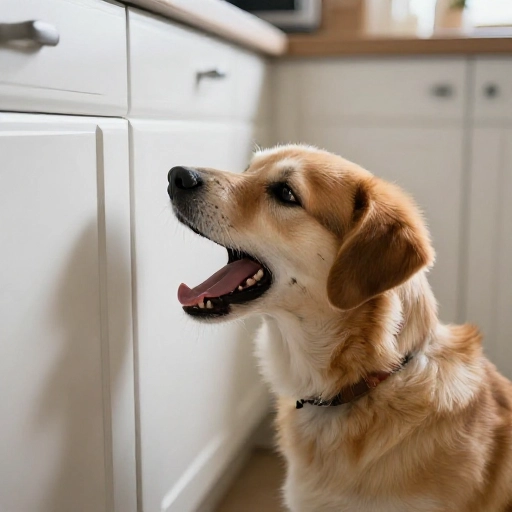
11. Licking Your Hand Then Walking Away
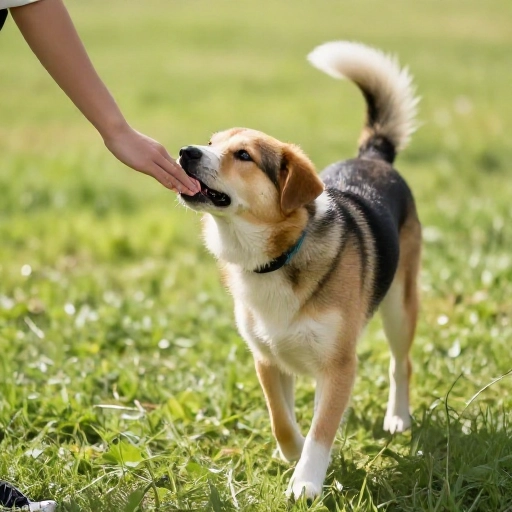
My dog sometimes licks my hand once, then walks to the door. This isn’t random affection. It’s a sequence that says, “I greeted you, now follow me.”
She uses the lick to soften the request. Then she leads me to the problem—a closed gate, an empty water bowl, or a dropped treat. It’s a polite, silent guide.
This two-step method shows how dogs combine actions to solve complex problems. They know a single gesture might not be enough, so they build a little story.
Conclusion
Dogs are silent problem solvers. Every nudge, stare, and tilt is a wordless message. They watch us, learn our habits, and find clever ways to communicate their needs.
Start paying attention to these quiet signals. Your dog is probably already talking to you—you just need to listen with your eyes. The next time you see a head tilt or a soft paw, smile. You’re having a conversation without a single word.
Frequently Asked Questions
Why does my dog stare at me without blinking?
That soft stare is often a sign of love and trust. It can also mean she’s waiting for a cue or trying to understand what you want next.
Is it bad if my dog never barks but uses body language?
Not at all. Many dogs prefer silent communication. It’s actually a sign of a calm, observant dog who has learned what works.
How can I better understand my dog’s silent signals?
Watch her eyes and body posture. Notice where she looks and what she touches. Over time, you’ll see patterns that reveal her intentions.
Should I reward my dog for nudging or pawing?
Yes, if the gesture is polite. Rewarding gentle nudges encourages clear communication. Just avoid rewarding frantic or demanding behavior.
Can I teach my dog new silent signals?
Absolutely. You can shape behaviors by rewarding small actions. For example, if she touches a bell with her nose to go outside, she learns that signal works.