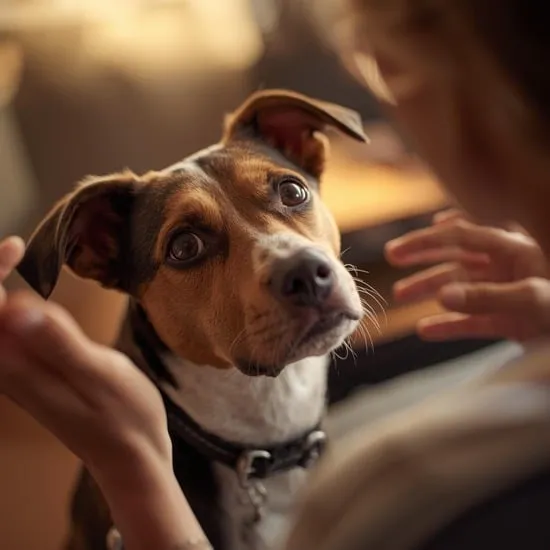
Why Dogs Tilt Their Heads: The Science Behind It

The Curious Head Tilt Behavior
Have you ever noticed your dog tilting their head when you talk to them or make a sound? It’s one of the cutest behaviors dogs display, and it often makes us smile instantly. But beyond the charm, there is a fascinating reason behind this quirky action. Dogs tilt their heads to better understand sounds, gauge our emotions, and improve their vision when focusing on objects or gestures. It’s a combination of curiosity, communication, and sensory optimization.
Scientific studies suggest that the head tilt helps dogs align their outer ears with the sound source, giving them a more accurate perception. Additionally, it may help them interpret our facial expressions and body language. Understanding this behavior can deepen the bond between you and your furry friend, as it shows how attentive and engaged they are in communicating with you.
Communication and Emotional Connection
Dogs are highly social animals, and their head tilting is often a sign of attentiveness and empathy. When your dog tilts their head while you speak, they are trying to understand the context of your words and emotions. It’s their way of showing interest and engagement, making it easier for them to respond appropriately to your commands or cues. This behavior strengthens the emotional connection between dog and owner, creating a deeper level of mutual understanding.
Moreover, many trainers note that dogs may tilt their heads to seek approval or positive reinforcement from their humans. Puppies, in particular, learn that this endearing behavior often results in smiles, petting, or treats. As a result, the head tilt becomes both a communication tool and a learned social signal. Recognizing and encouraging this behavior appropriately can enhance training sessions and improve overall communication with your dog. 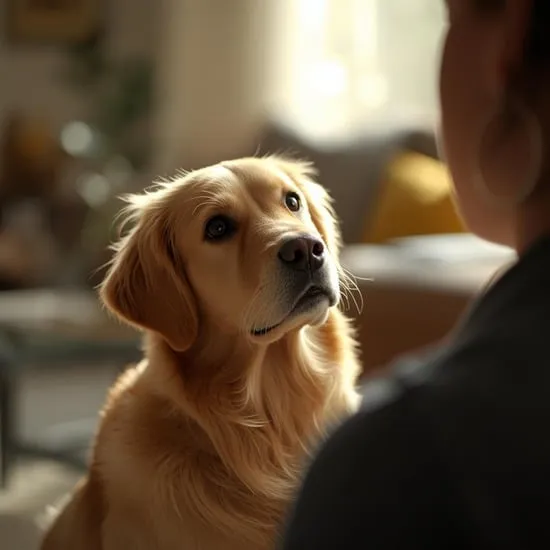
Head Tilts and Cognitive Processing
Interestingly, head tilting may also relate to how dogs process information in their brains. Research shows that dogs engage in complex cognitive functions when interpreting sounds, sights, and smells. Tilting their heads allows them to adjust their viewpoint, enabling a better focus on objects or sounds of interest. This is especially important for older dogs or dogs with certain ear shapes, where visual and auditory alignment enhances comprehension.
In essence, the head tilt is a multifaceted behavior combining sensory, emotional, and cognitive factors. By observing when and why your dog tilts their head, you can gain insights into their attention levels, mood, and even personality traits. This seemingly simple gesture is a powerful reminder of the intelligence and sensitivity of our canine companions. 
Encouraging Positive Engagement
If you want to encourage your dog’s head tilts, use clear communication, friendly tones, and engaging body language. Speaking in an inviting voice, using gestures, or holding objects of interest can prompt your dog to tilt their head naturally. Rewarding them with praise or treats when they respond reinforces the behavior, making interactions more enjoyable and interactive for both of you.
Remember, every dog is unique, and not all head tilts are the same. Some may be more pronounced, while others are subtle. Observing your dog’s unique patterns helps you better understand their needs, emotions, and ways of engaging with you. Head tilting is more than a cute gesture; it’s a window into the heart and mind of your loyal companion.