Is Your German Shepherd Mad at You? Here’s How to Tell
Understanding German Shepherd Emotions
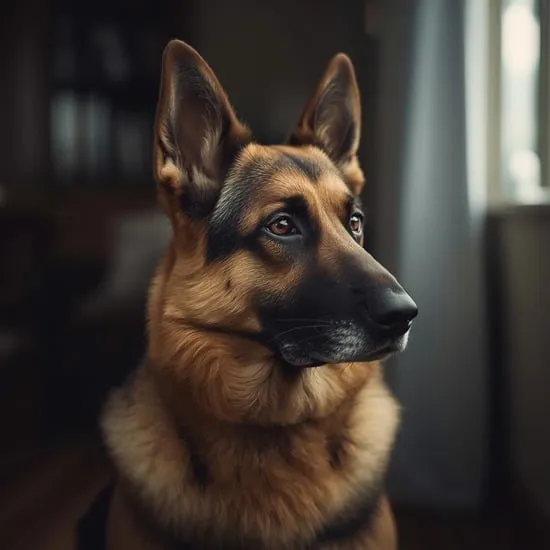
German Shepherds are highly intelligent and sensitive dogs that can form deep bonds with their owners. When they feel upset or mad, their behavior often changes subtly but noticeably. It’s important to pay attention to these emotional cues, as ignoring them can lead to stress and miscommunication in your relationship. By learning to recognize these signals, you can respond appropriately and strengthen your bond.
Common signs include changes in body language, facial expressions, and vocalizations. Unlike humans, dogs cannot verbally express frustration, so observing these nonverbal cues is crucial. A German Shepherd may not be openly aggressive but could display passive signs of displeasure, which owners often misinterpret. Understanding their language is the first step in effective communication.
Behavioral Signs of Anger or Frustration
A German Shepherd may show irritation through subtle behavioral changes. For example, they might avoid eye contact, turn their body away, or move to a different area of the house. You might notice a sudden lack of enthusiasm for activities they usually enjoy, such as walks or playtime. Recognizing these patterns helps you identify when your dog is feeling upset and requires attention or patience from you.
Other signs include growling softly, a stiff posture, or low tail wagging. These behaviors indicate discomfort or mild anger rather than full-blown aggression. Paying attention to timing and context is important. If these behaviors occur after a specific event, such as scolding or a change in routine, it can help you pinpoint what triggered your German Shepherd’s feelings.
Body Language Indicators
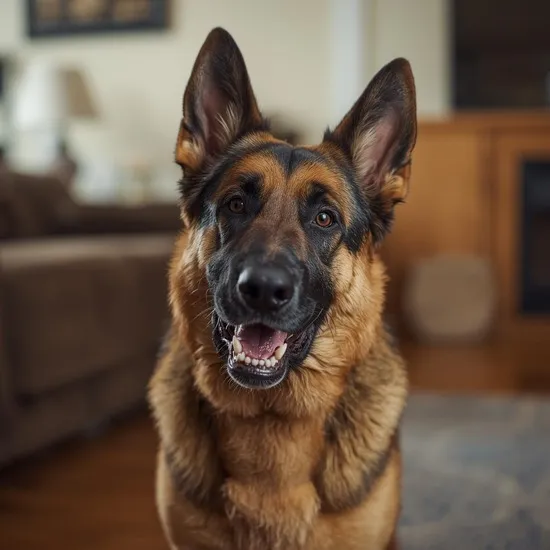
German Shepherds use body language to communicate their emotions clearly. Watch for a tucked tail, raised hackles, or flattened ears, which signal unease or frustration. They may also avoid being touched or lean away when approached. These signs are subtle, so consistent observation and familiarity with your dog’s normal behavior are key to identifying changes that indicate anger or upset feelings.
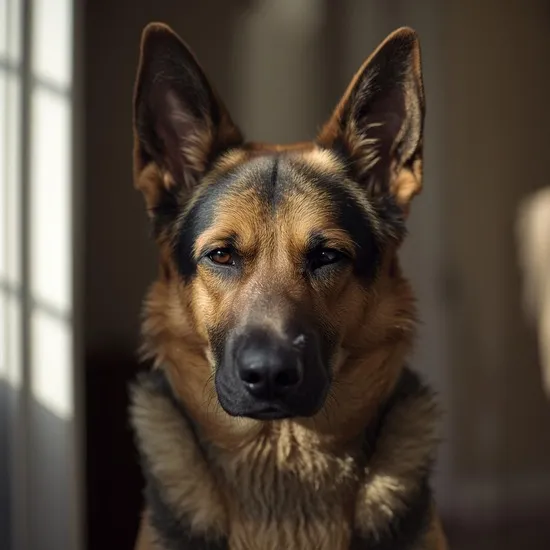
Facial expressions are equally telling. A German Shepherd may squint, frown, or show the whites of their eyes when displeased. Pawing or sudden movements away from interaction are also indicators. Learning these signals allows you to respond calmly and reassure your dog, preventing escalation and maintaining trust.
How to Respond When Your Dog is Upset
Once you’ve recognized that your German Shepherd is upset, the next step is to respond appropriately. Avoid punishing or scolding your dog, as this can heighten stress or anger. Instead, offer calm reassurance through gentle petting, soft tones, or allowing space for your dog to relax. Patience and empathy are essential to helping your dog feel safe and understood.
Regular positive interactions and clear communication can prevent misunderstandings in the future. Activities like walks, interactive play, or simple obedience training reinforce your bond and give your German Shepherd confidence in your guidance. Understanding their emotional needs and responding effectively helps maintain a healthy, trusting relationship.