Help for Rescue Dogs Who Freeze Up: 10 Gentle Ways to Get Your Scared Dog Moving Again
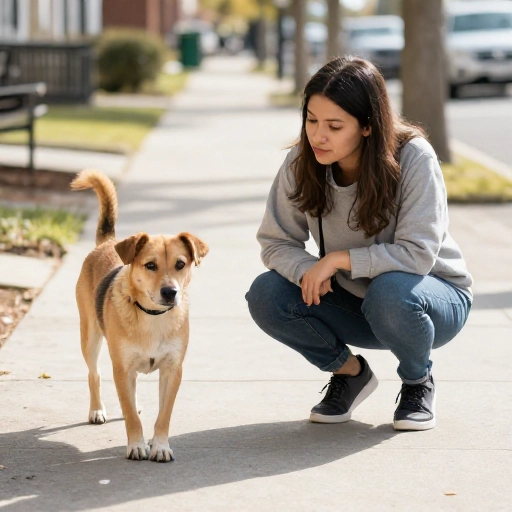
When I adopted my first rescue, I imagined long, happy walks together. Instead, she stopped at the end of our driveway and stared at me like I had asked her to climb a mountain. If your rescue dog freezes up, you are not alone. It is one of the most common and most confusing behaviors new adopters face.
Freezing is rarely stubbornness. It is usually fear, overwhelm, or a nervous system saying, “I cannot do one more thing right now.” The good news is that you do not need force or fancy equipment. You need patience, tiny steps, and a plan that helps your dog feel safe enough to move.
Below are 10 practical ideas I have used and seen work for shy, stressed, and shut-down rescue dogs. Pick one or two, keep sessions short, and celebrate every tiny thaw.
1. Decode the Freeze Before You Try to Fix It
A rescue dog who freezes might be scared, not defiant. Something in the environment may feel unsafe, or their brain may be overloaded. When I see a freeze, I ask: what changed right before it happened? That clue usually tells me more than the freeze itself.
Common freeze triggers I watch for:
- Loud trucks, barking dogs, or sudden noises
- Shiny floors, grates, or new surfaces
- Strangers, children, or someone reaching over their head
- Tight leash pressure or a collar pulling on their throat
- Too many smells, sounds, and movement at once
I also look at the whole body. Is my dog’s tail tucked? Are their ears back? Are they scanning the horizon? Once I know the trigger, I can make a plan instead of begging my dog to “just walk.”
2. Stop Pulling and Give Space
Leash pressure can lock a scared dog even more. If my dog stops, I stop too. I do not drag, jerk, or repeat “let’s go” in a louder voice. That usually adds pressure when they already feel stuck.
Instead, I stand sideways, loosen the leash, and wait. I count to 20 in my head. If my dog looks back at me or shifts a paw, that is a win. I mark it with a quiet “yes” and a treat.
Sometimes the kindest thing is to turn around and go home. A short, successful walk builds more confidence than a long, scary one. We can try again later when the world feels smaller.
3. Use Treats Like Breadcrumbs, Not Bribes
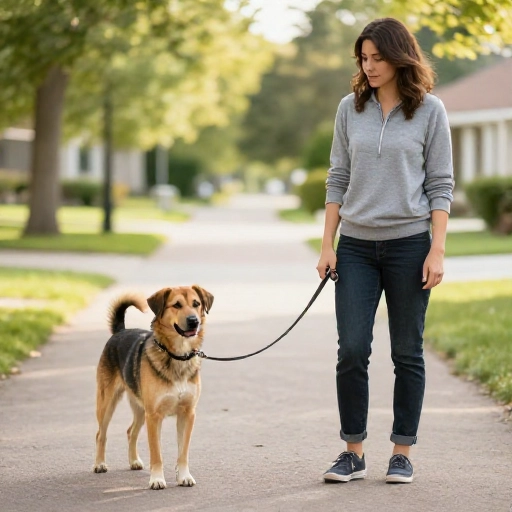
High-value treats can help a freezing dog restart their brain. I like tiny bits of chicken, cheese, or freeze-dried liver. The goal is not to bribe my dog into walking. The goal is to create a little movement and a little positive feeling.
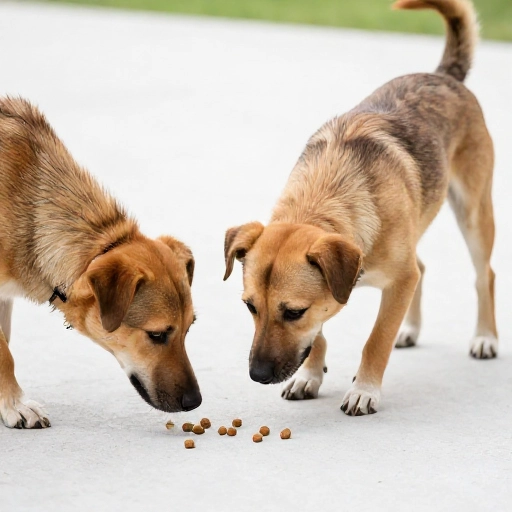
I toss a treat behind my dog or to the side. That encourages them to turn their head, sniff, and take a step. I scatter a few treats on the ground to invite sniffing. Sniffing is calming for most dogs.
I do not wave treats in their face or push them toward my dog’s nose. That can feel like pressure. A gentle toss and a quiet wait works better for most rescue dogs.
4. Take Sniff-First Walks
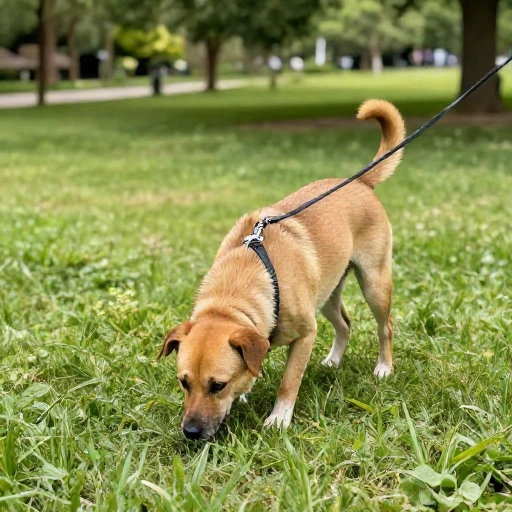
Instead of walking for distance, I walk for smells. I let my dog stop and sniff the same bush for two minutes if they want. Sniffing lowers arousal and helps a worried dog feel more grounded.
I also let my dog choose the route sometimes. If they want to turn left, we turn left. If they want to stand still and watch the world, we watch. This is not spoiling them. It is giving them a tiny bit of control.
When my rescue dog feels like they have a say, they often freeze less. We may only make it half a block, but that half block is full of good information and calm brain work.
5. Build Easy Wins at Home
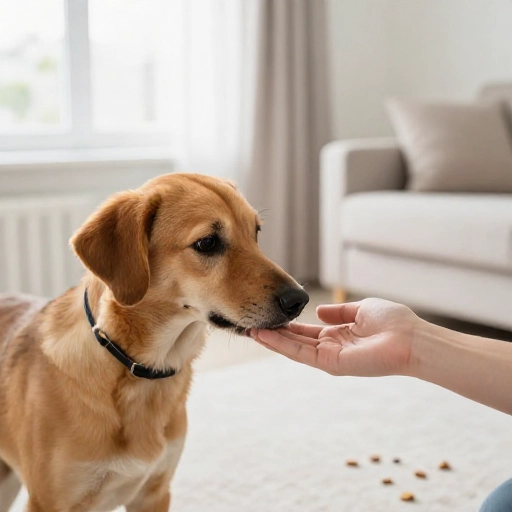
Confidence starts in the kitchen, not on the sidewalk. I practice simple games at home where my dog cannot fail. The name game, hand touches, and treat tosses are my favorites.
For the name game, I say my dog’s name, and when they look at me, I reward. For hand touches, I hold out my palm and reward any nose boop. For treat toss, I toss a treat a few feet away and cheer when they go get it.
I keep these sessions to two or three minutes. Short and happy beats long and boring. When my dog learns that moving and thinking pay off, that confidence starts to show up outside too.
6. Practice Movement Games Indoors
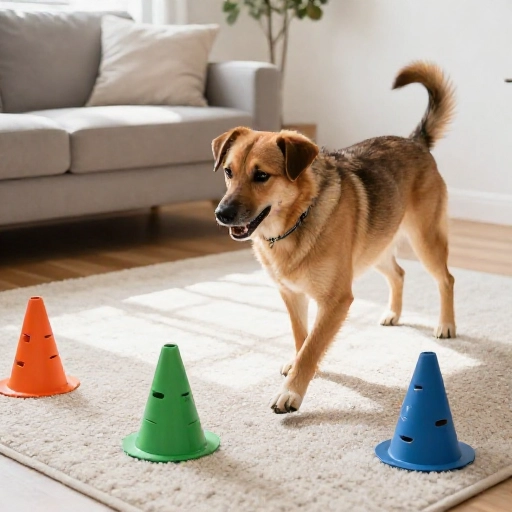
If my dog freezes on walks, I rehearse movement in a safe place. Hallway recalls are perfect. I stand a few feet away, call my dog, and throw a party when they come. Then I do it again from a different spot.
Cookie tosses are another easy win. I toss a treat across the room and let my dog race to find it. Tug is great too, if my dog likes it. These games teach a dog that moving their body can be fun.
Indoors, there are no scary trucks or strange dogs. My dog can learn the joy of movement without the pressure of the outside world. Then I take that same playful energy outside on a quiet day.
7. Change the Scenery, Not the Dog
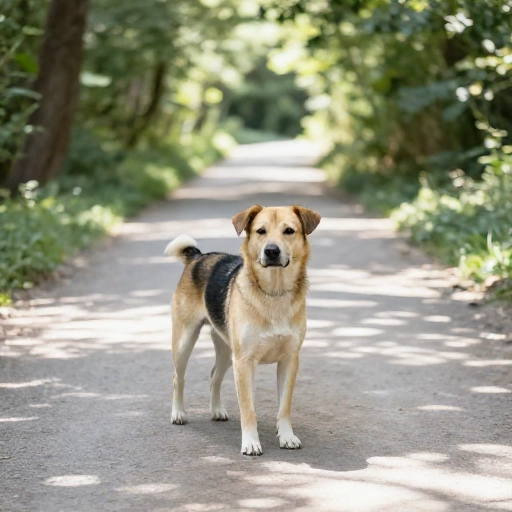
Sometimes the route is the problem, not my dog. A busy street, a loud construction site, or a house with barking dogs can be too much. I try quieter streets, early mornings, or an empty park instead.
If I can drive to a calm trail or a quiet parking lot, I do. A new place with fewer triggers can help my dog relax. I also keep notes on what went well and what did not. Patterns show up fast.
I remind myself that my dog does not need to conquer the neighborhood today. They need to feel safe on one small stretch of sidewalk. We can expand the world later.
8. Check Your Gear and Leash Skills
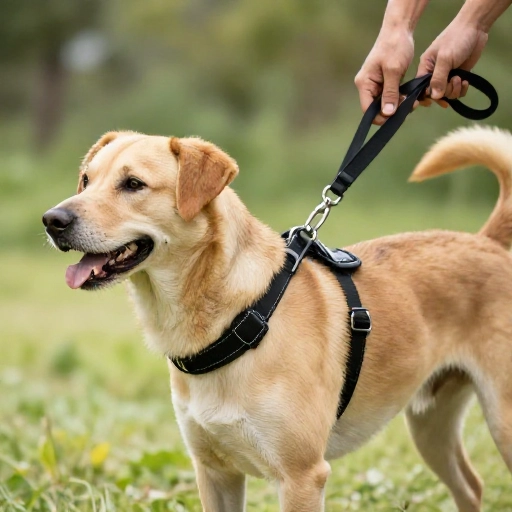
The right gear can make a big difference. I prefer a well-fitted harness for rescue dogs who freeze. A harness takes pressure off the throat and helps me guide gently without causing pain.
I also practice loose-leash skills at home. I reward my dog for walking near me with a soft, loose leash. If I feel tension, I stop and wait. I never jerk or yank. Jerking can make a scared dog freeze even harder.
In safe, enclosed areas, a long line can help. It gives my dog more freedom to sniff and move without feeling trapped. I only use it where it is legal and safe, and I always keep it from tangling around legs.
9. Add Decompression and Rest
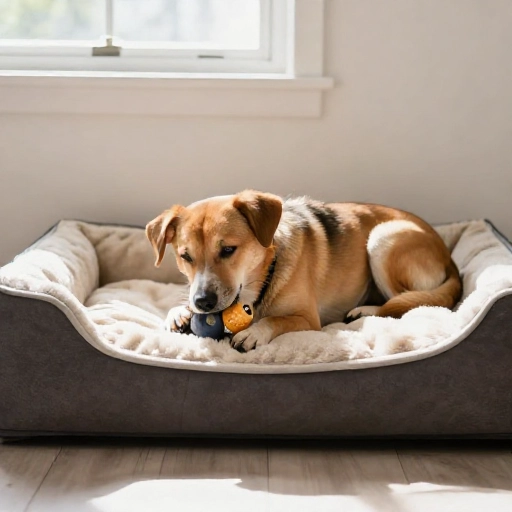
Rescue dogs often need more sleep than we think. A dog who is tired, stressed, or overstimulated is more likely to freeze. I make sure my dog has a quiet crate or bed away from the chaos.
Chews, food puzzles, and white noise can help them unwind. I also follow the 3-3-3 rule as a loose guide: three days to decompress, three weeks to learn routines, and three months to feel at home. Every dog is different, but rest is never wasted.
On busy days, I trade a long walk for a sniffy backyard session and a nap. Sometimes the best training is a boring, peaceful afternoon. A calmer dog can think, and a dog who can think can move.
10. Bring in a Professional When You Need To
Some freezing is deep fear, pain, or anxiety. If my dog freezes often, I first check with a vet. Pain in the hips, spine, or paws can make a dog stop suddenly. A vet visit rules out medical issues before we work on behavior.
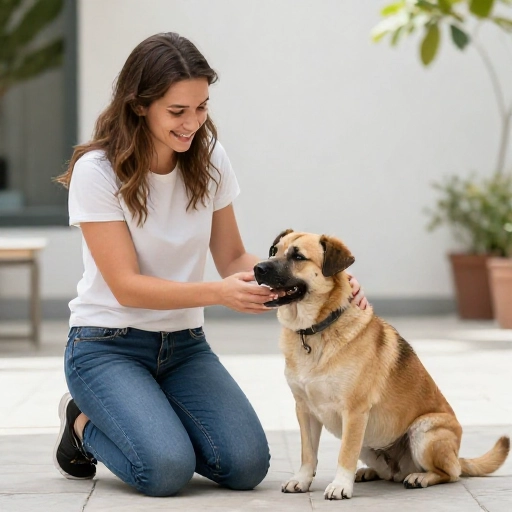
I also look for a force-free trainer or behaviorist who understands rescue dogs. They can spot triggers I miss and give me a step-by-step plan. There is no shame in asking for help. It often saves months of guessing.
For some dogs, medication can be a bridge. It is not a failure or a forever sentence. It can lower anxiety enough for training to work. A vet behaviorist can help decide if that is right for your dog.
Final Thoughts: Small Thaws Count
If your rescue dog freezes up, please do not take it personally. They are not giving you a hard time. They are having a hard time. Your calm, patient presence is already doing more than you know.
Choose one tiny thing today: a treat toss, a sniff break, a quiet route, or a nap. Then do it again tomorrow. Progress with rescue dogs is often measured in inches, not miles.
Your dog is not broken. They are learning that the world can be safe, one small step at a time. And every tiny thaw is worth celebrating.
[[IMG:IMG11]]
FAQ: Rescue Dogs Who Freeze Up
Why does my rescue dog freeze on walks?
It usually means they feel overwhelmed, scared, or unsure. Loud noises, leash pressure, new surfaces, and busy environments are common triggers. Freezing is a stress response, not stubbornness.
Should I pick up my dog when they freeze?
It depends on the dog and the situation. If they are small and in danger, yes. If they are safe, I usually wait and give them space first. Picking up a larger scared dog can add pressure and make them more worried.
How long does it take for a rescue dog to stop freezing?
There is no set timeline. Some dogs improve in a few weeks with rest and routine. Others need months of slow, positive work. The key is to go at your dog’s pace and celebrate small wins.
What treats work best for a freezing dog?
Soft, smelly, high-value treats work best. Tiny bits of chicken, cheese, hot dog, or freeze-dried liver are great. They should be easy to eat and exciting enough to break through fear.
Can a vet help with freezing behavior?
Yes. A vet can check for pain, thyroid issues, or other medical causes. If your dog is healthy, your vet may refer you to a force-free trainer or veterinary behaviorist for anxiety support.
[[IMG:IMG12]]