The First-Week Puppy Schedule That Prevents Chaos (My Hour-by-Hour Plan That Actually Worked)
I brought home my first puppy with a brand-new crate, a stack of chew toys, and zero clue what I was doing. By day three I was crying on the kitchen floor at 2 a.m. while a tiny land shark chewed my shoelace. Not exactly the welcome-home movie montage I had pictured.
What saved me was a schedule. Not a rigid military drill, just a predictable rhythm that told my puppy when food, sleep, and potty breaks were coming. Turns out puppies don’t need freedom in week one. They need consistency, and a human who knows what happens next.
So here’s the exact first-week routine I now recommend to every new puppy parent. It’s built around short wake windows, real naps, and way more potty trips than you think you need.
1. Set Up a “Puppy Zone” Before They Walk Through the Door
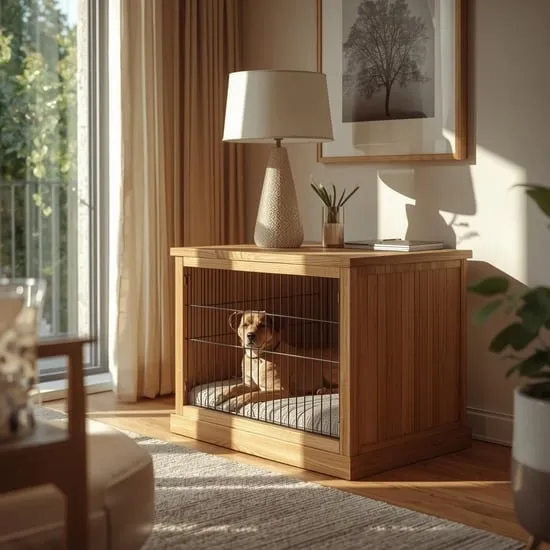
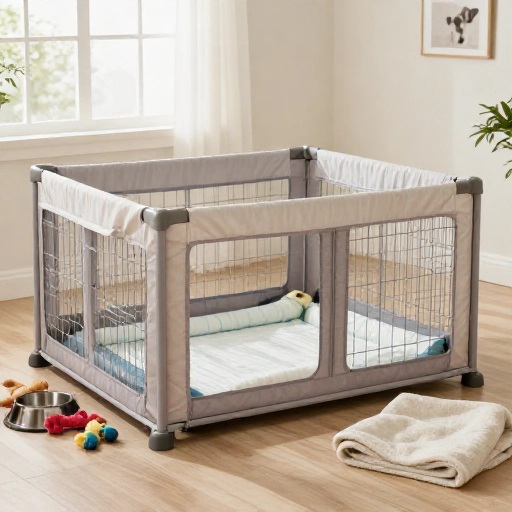
Before my puppy arrived, I gated off one corner of the kitchen with a playpen attached to the crate. That was it. Water bowl, washable pad, a couple of safe chews, and a bed. No wandering the whole house.
A brand-new puppy in a 2,000-square-foot home is like dropping a toddler in a shopping mall and saying “have fun.” They get overwhelmed, and overwhelmed puppies chew things, cry, and have accidents.
Keeping the space small for now isn’t punishment. It’s a calm, boring, safe little world where they can actually relax, and where you can supervise every second without losing your mind.
2. Treat Day One as a Landing Day, Not a Training Day
I made the mistake of inviting three friends over on day one. My puppy hid behind the couch and shook. Lesson learned.
Day one is about decompression. Let your puppy sniff the zone, take a slow potty trip outside, eat a little, and sleep. That’s the whole to-do list. No commands, no leash practice, no parade of admirers.
Chaos in week one usually isn’t a bad puppy. It’s an overstimulated one. Bring the energy down and you’ll see a totally different dog by day three.
3. Feed on a Clock, Not on Demand
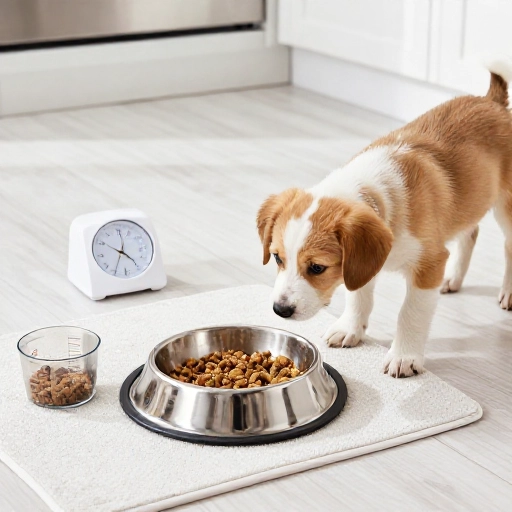
I fed my puppy at the same four times every single day: 7 a.m., 11 a.m., 3 p.m., and 6:30 p.m. Young puppies usually eat three to four small meals daily, and your vet can confirm what fits your pup’s age and breed.
Here’s the magic part. Food in on a schedule means potty out on a schedule. Once I locked in meal times, I could almost predict accidents an hour in advance, which meant I could prevent them instead of scrubbing them.
I put the bowl down for 15 minutes, then picked it up whether it was empty or not. Free-feeding hides appetite changes and makes potty timing a total mystery.
4. Potty Breaks Every 30 Minutes (Yes, Really)
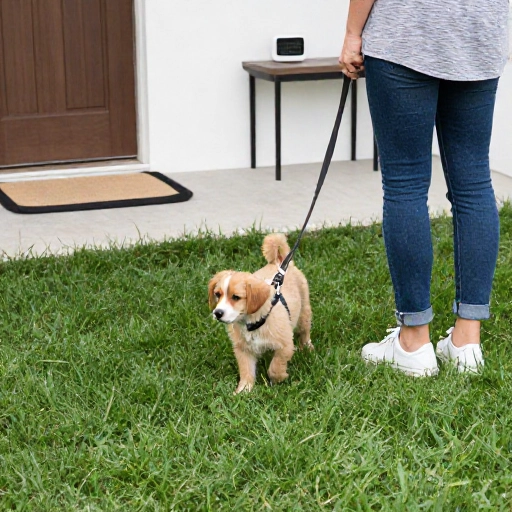
Every 30 minutes while awake. Plus immediately after waking up, eating, drinking, playing, and training. It sounds absurd until you realize it’s temporary and it’s the fastest route to a house-trained puppy.
- Same spot outside, every single time.
- Boring is good. No chatting, no playing.
- Praise like they just won a medal the second they finish.
- Accidents inside get cleaned silently. No scolding, ever.
My puppy learned in about nine days that grass was the place. That only happened because I said yes to a hundred boring trips outside instead of waiting for a convenient moment.
5. Enforce Naps Like They’re Appointments
Puppies need somewhere around 16 to 20 hours of sleep a day, and they will not put themselves down for it. An overtired puppy looks exactly like a naughty puppy: biting, zooming, nipping faces.
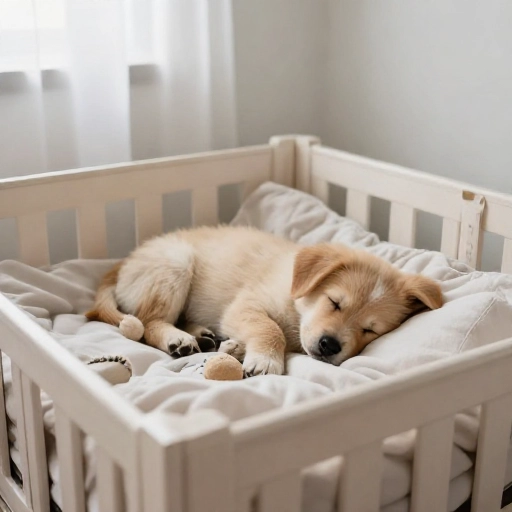
My rule was one hour awake, then one to two hours in the crate. The moment my puppy started the glassy-eyed, bitey shuffle, it was nap time, no negotiation.
Crate naps changed everything. Crying dropped, biting dropped, and I got to eat lunch like a human being.
6. Train in Three-Minute Bursts, Not Long Sessions
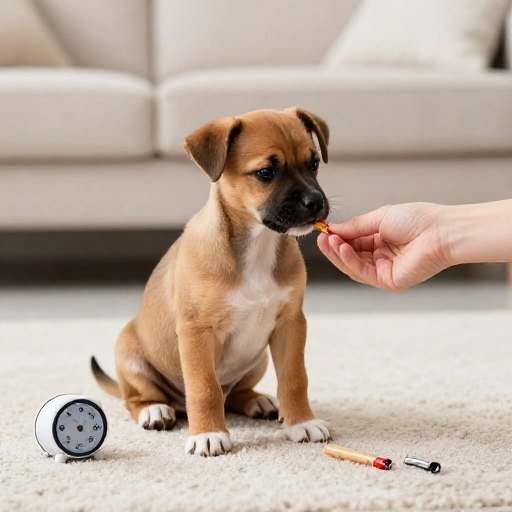
Three minutes, three times a day, right before meals. That’s it. Puppy attention spans are tiny, and short wins build a dog that loves training instead of dreading it.
Week one, I only cared about four things: name recognition, a hand-touch, sitting, and coming when I said their name in the house. Nothing fancy.
I always stopped while my puppy was still succeeding. Ending on a win is worth more than pushing for five more repetitions.
7. Socialize in Tiny, Quiet Doses
Socialization isn’t a puppy party. It’s one new gentle thing per day: a new floor texture, a lowered umbrella sound, a person in a hat, the sound of the dishwasher.
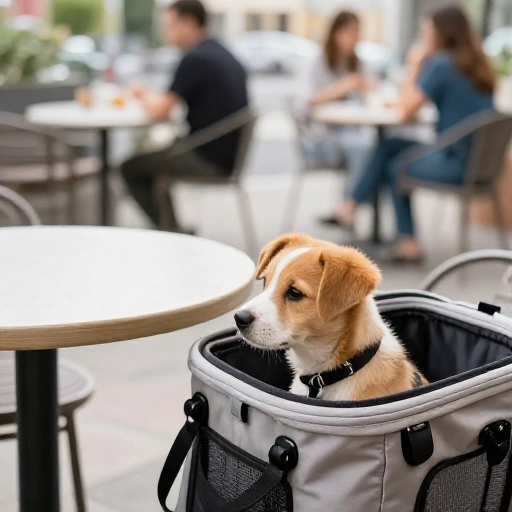
Before the vaccine series is finished, I carried my puppy around the neighborhood instead of letting them walk. New sights and sounds, safe feet. Your vet can tell you what’s realistic in your area.
I paired every new thing with treats, and if my puppy froze, we left. Forcing a scared puppy to “get over it” teaches the opposite of confidence.
8. Plan for the 7 to 9 p.m. Witching Hour
Every evening, like clockwork, my sweet puppy turned into a piranha. It’s not personal. It’s the classic evening meltdown of a tired, overstimulated baby.
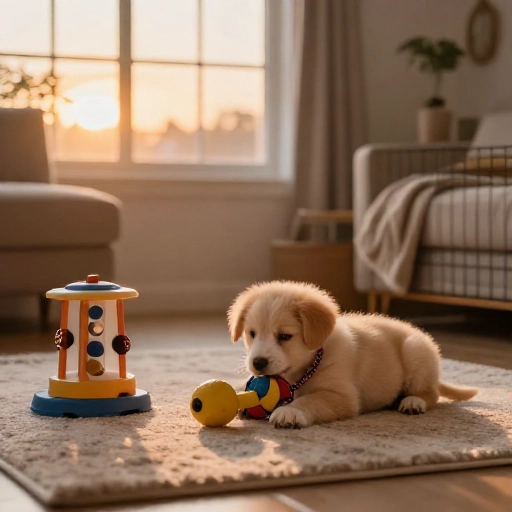
My fix was to pre-empt it instead of react. Around 6:30, we did a slow sniffy walk, then a chew toy on a mat, then lights dimmed, then crate by 8.
- Long, sniff-heavy walk earlier in the evening
- Something to chew that isn’t your hand
- Lower lights and lower voices
- Crate nap or bedtime before the tipping point
Once I started managing the witching hour proactively, our evenings went from chaos to almost peaceful. Almost.
9. Build a Nighttime Routine You Can Sleep Through
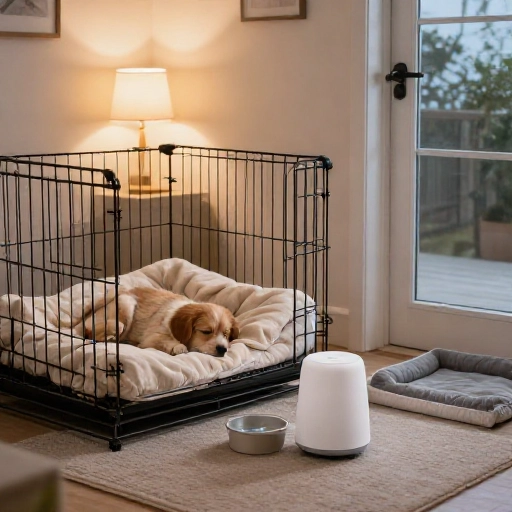
Last potty trip around 10:30 p.m., water bowl up about an hour before that, crate right next to my bed for the first week. Being able to hear my puppy breathe made a huge difference for both of us.
When they cried at 2 a.m., I took them out for a quiet potty, no lights, no talking, no play, then straight back in. A young puppy usually needs one or two night trips for a while, and that’s normal.
Within about a week, the night waking shrank on its own. The key was making nighttime so boring that daytime became the interesting part.
10. Keep a Two-Minute Puppy Log
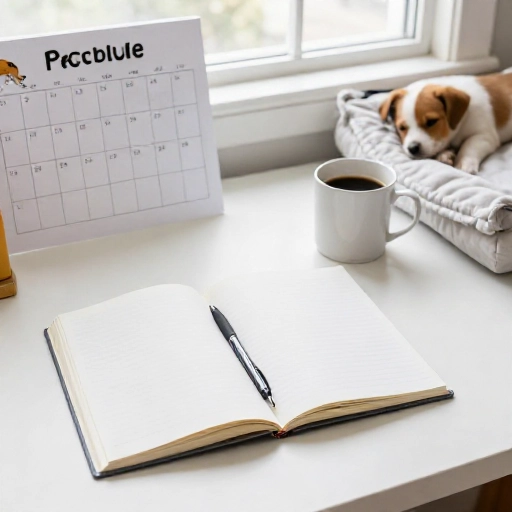
I wrote down four things: when my puppy ate, pooped, napped, and had a wild moment. That’s it. Two minutes before bed.
By day four, I could see the pattern. My puppy pooped roughly 20 minutes after every meal, and got bitey exactly 50 minutes into being awake. Predictable problems are easy problems.
You’ll also have proof of progress. On a rough afternoon, scrolling back through the log reminds you that this is working, just slowly.
Final Thoughts: Boring Is Beautiful in Week One
The first week isn’t about having a well-trained dog. It’s about building trust, protecting your sanity, and teaching your puppy that life here is predictable. Same meals, same naps, same potty spot, same calm voice.
Give it seven days of this rhythm and you’ll notice something surprising. The chaos doesn’t just shrink, it turns into a routine you actually look forward to.
FAQ
How long until the first-week schedule actually sticks?
Most puppies start settling into the rhythm within one to three weeks. Week one is the bumpy part. Expect a couple of setbacks and don’t read too much into a bad day.
Should I wake my puppy for nighttime potty breaks?
For very young puppies, yes. I set an alarm for about three hours after bedtime and took mine out quietly. If they’re already sleeping soundly, let them sleep and see what happens.
Can I leave my puppy alone during the first week?
Only for very short stretches, and only after they’re fed, pottied, and napped. Build up in tiny increments, and keep departures calm and boring.
What if I work full time?
Line up a mid-day potty break with a friend, neighbor, or walker before your puppy comes home. The schedule still works, you just need one helper in the middle of the day.
Is crate time cruel for a new puppy?
Not when it’s introduced kindly. Feed meals in the crate, toss treats in, keep sessions short, and never use it as punishment. Done well, it becomes your puppy’s favorite quiet spot.