How I Learned to Socialize an Aggressive Dog Safely
When I Realized I Needed to Socialize an Aggressive Dog
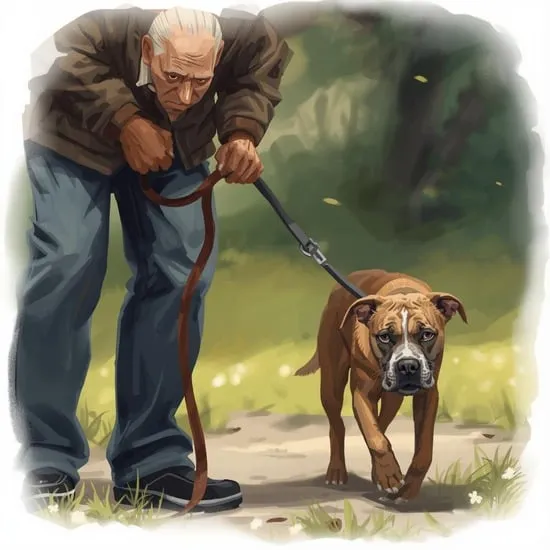
I still remember the moment it hit me that I had to learn how to socialize an aggressive dog. Walks were stressful, guests made me nervous, and my dog’s reactions felt unpredictable. It wasn’t constant aggression, but the growling, lunging, and fear-based reactions were enough to scare me.
At first, I felt embarrassed and overwhelmed. I questioned myself constantly—did I do something wrong? What helped was accepting that aggression is often fear, not bad behavior. That mindset shift was the first step in our journey.
Understanding Why Aggression Happens
Before trying to socialize an aggressive dog, I had to understand the root cause. In my case, fear and lack of early socialization played a huge role. Loud noises, unfamiliar dogs, and strangers felt like threats to my dog.
Once I stopped labeling my dog as “aggressive” and started seeing him as anxious, everything changed. Aggression became communication, not disobedience, and that changed how I responded.
Starting Small in a Safe Environment
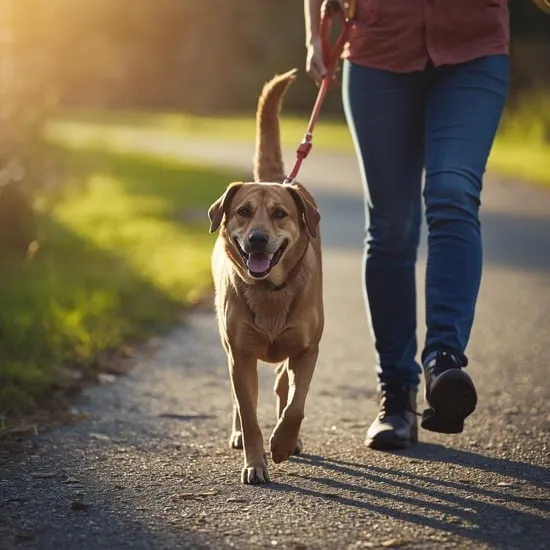
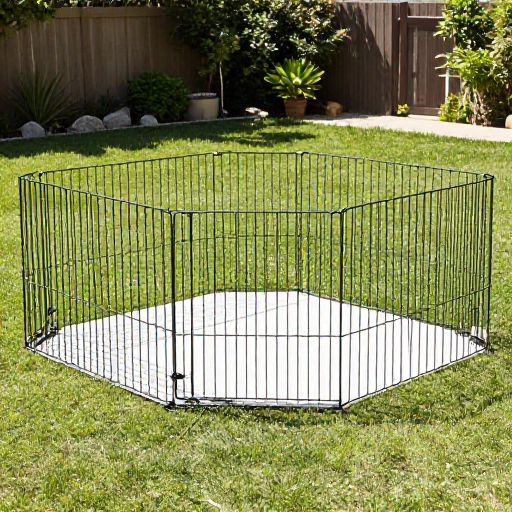
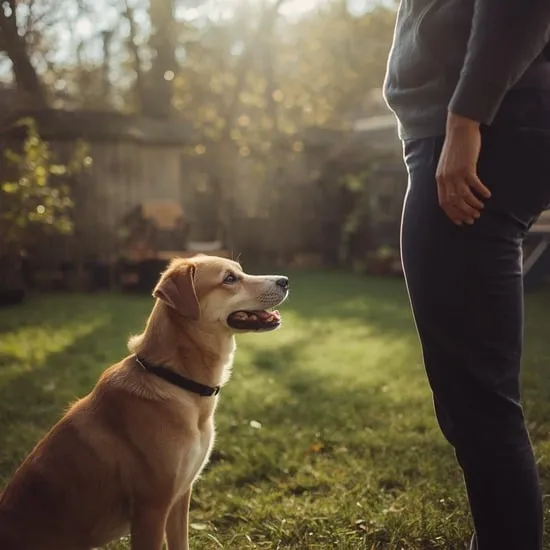
I didn’t jump straight into dog parks or crowded places. To socialize an aggressive dog, I started at home where my dog felt secure. Calm exposure to sounds, people at a distance, and controlled situations helped build confidence.
Every small win mattered. Even watching another dog from far away without reacting felt like progress. Slow steps reduced stress for both of us.
Using Positive Reinforcement Only
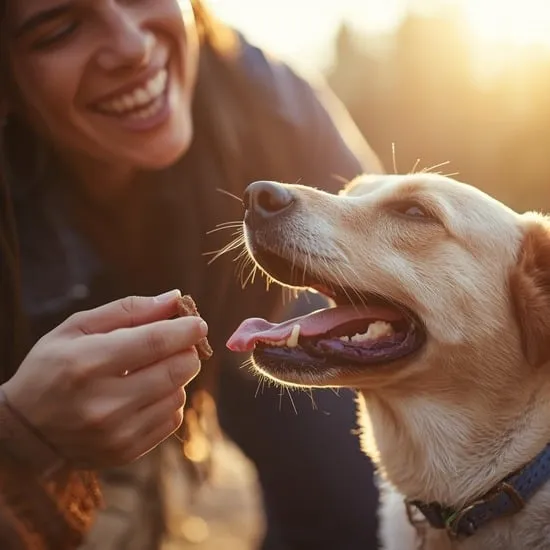
Rewards became my strongest tool. Treats, praise, and calm reassurance helped reshape my dog’s emotional response. Whenever my dog stayed calm around a trigger, I rewarded him immediately.
I avoided punishment completely. Harsh reactions only increased fear. Positive reinforcement helped my dog associate new experiences with safety instead of danger.
Managing Triggers and Reading Body Language
Learning to read my dog’s body language was critical. Stiff posture, whale eyes, or excessive yawning told me when to step back. Socializing an aggressive dog means knowing when not to push.
I also managed triggers carefully—choosing quieter walking times and avoiding overwhelming situations. This control helped rebuild trust between us.
How Consistency Changed Everything
Progress didn’t happen overnight. Some days felt like setbacks, but consistency made the difference. Short, calm training sessions every day slowly reshaped my dog’s behavior.
Today, my dog is calmer, more confident, and able to handle situations that once caused fear. Learning to socialize an aggressive dog taught me patience, empathy, and the power of trust.