7 Best Pet Steps Methods That Actually Saved My Senior Dog’s Joints
I remember the first time my little beagle, Daisy, looked up at the bed and whined. She wasn’t being dramatic—her hips just couldn’t handle the jump anymore. That’s when I realized how much I needed a smart solution, not just any old ramp. Over the years, I’ve tried almost every pet steps method out there, and I’m here to share the ones that actually worked.
Whether you have a tiny puppy with short legs or a senior cat with arthritis, finding the right steps can change your pet’s life. No more hovering, no more worrying. Let’s dive into the seven best methods I’ve tested, learned, and loved.
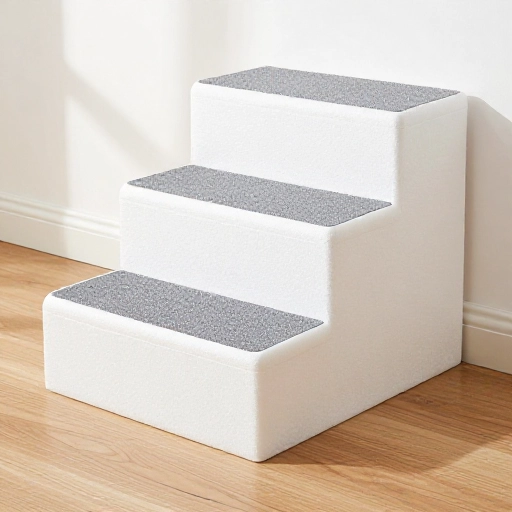
1. The Classic Foam Staircase That Won’t Slip
This is the first method I ever tried, and it’s still a favorite. Foam steps are lightweight, soft on paws, and usually have a non-slip bottom. I bought a three-step set for my bed, and Daisy took to it immediately. The key? Make sure the foam is dense enough so it doesn’t squish flat under your pet’s weight.
Place them against your furniture, and you’re done. No assembly required. I like that they’re easy to move around the house. Just keep an eye on the cover—some are removable and washable, which is a huge plus for messy pups.
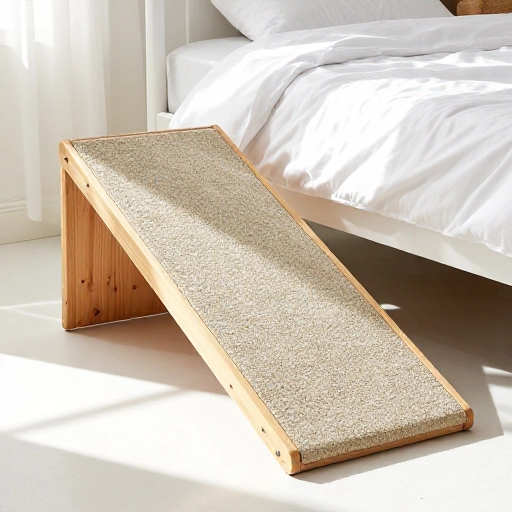
2. The Carpeted Wood Ramp for Heavy Dogs
If you have a bigger dog like a lab or a bulldog, foam steps might not cut it. That’s when I switched to a wooden ramp with carpet grip. My neighbor’s golden retriever used one for the couch, and the stability was incredible. The ramp gives a gentle incline, which is perfect for dogs with back issues.
- Look for one with a locking hinge so it doesn’t fold up while your dog is climbing.
- Measure the height of your furniture first—some ramps are too short for tall beds.
- Add a little traction tape if the carpet feels slippery.
3. The Foldable Travel Steps for Car Adventures
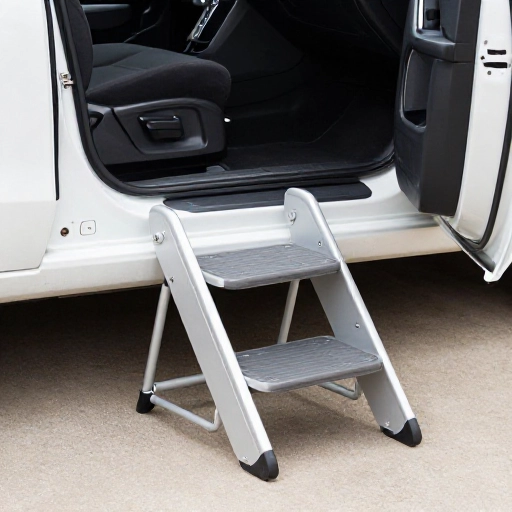
I used to dread lifting Daisy into the SUV. Then I found foldable car steps. They’re compact, sturdy, and hook right onto the door frame. The best part? They fold flat for storage. I keep one in the trunk, and it’s been a game-changer for vet visits and road trips.
Train your pet to use them with a treat at the top. It took Daisy two tries, and now she hops up like a pro. These steps usually have rubber feet to prevent sliding on pavement, which gives me peace of mind.
4. The Memory Foam Wedge for Low Furniture
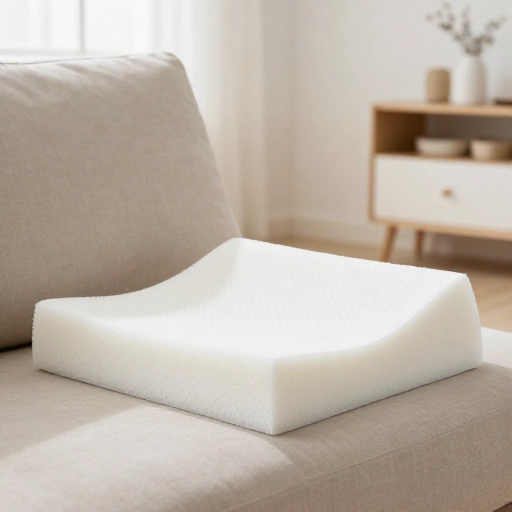
Not every piece of furniture needs a full staircase. For low couches or ottomans, a memory foam wedge works wonders. It’s basically a triangular block that sits flush against the couch. Your pet just takes one small step up instead of jumping.
I have one in the living room for my cat, Milo. He was hesitant at first, but the soft texture won him over. These wedges are also great for dogs recovering from surgery because there’s zero strain. Just make sure the foam is firm enough to hold shape over time.
5. The DIY Method With Stacked Pillows (Temporary Fix)
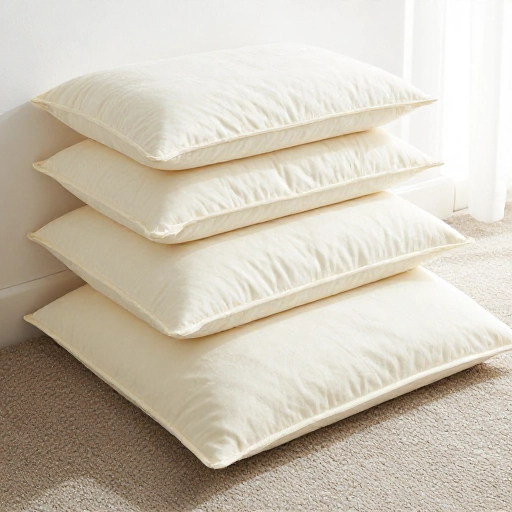
Sometimes you need a quick solution without spending money. I’ve used stacked floor pillows to create a makeshift step for the guest bed. It’s not permanent, but it works in a pinch. Use pillows that are firm and wide so they don’t topple over.
This method taught me that height and stability matter most. If your pet is nervous, try this before buying a fancy set. Just be prepared to replace them often—pillows flatten out after a few days. I only recommend this as a short-term fix.
6. The Outdoor Deck Steps for Patio Access
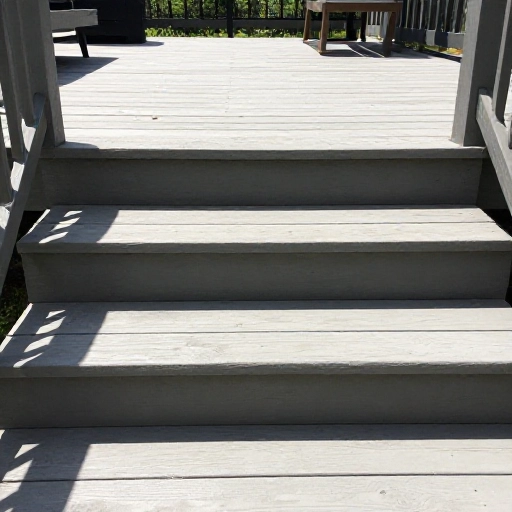
My back porch has a small step up from the grass, and Daisy struggled with it. I found outdoor pet steps made of weather-resistant material, like plastic or treated wood. They’re wider than indoor steps and have a rougher texture for grip.
Place them where your pet already tries to jump. I added a little dirt and grass on the bottom step to make it feel natural. Now Daisy uses them to go in and out on her own. These steps are also great for RVs or campers if you travel with your pet.
7. The Ramp-and-Step Hybrid for Versatility
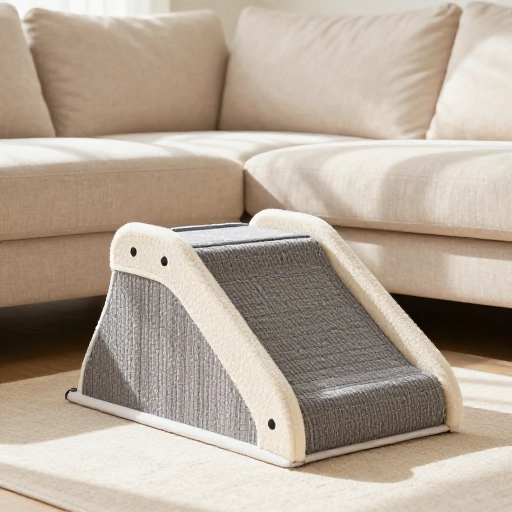
This is the method I wish I’d discovered sooner. It’s a combo unit that works as both a ramp and a set of stairs. You can adjust the angle or use it flat. For pets that are scared of ramps but need gentle incline, this is perfect.
I have one for the deck, and it’s been a lifesaver during recovery. The hybrid design means your pet can choose their preferred way up. Some models even have side rails, which give extra confidence to older animals. Worth every penny if you have multiple pets.
Conclusion
Finding the right pet steps doesn’t have to be overwhelming. Start by watching how your pet moves and what furniture they love most. For me, switching to a foam staircase for the bed and a ramp for the car made all the difference. Daisy is happier, more independent, and my back thanks me too.
Remember, the best method is the one your pet actually uses. Be patient, offer treats, and let them explore at their own pace. Your furry friend will thank you with extra cuddles and fewer aches.
Frequently Asked Questions
1. How do I get my pet to use pet steps?
Start by placing a treat on the first step. Let your pet sniff and explore. Gradually move the treat higher. Praise them every time they put a paw on the steps. Never force them—patience works best.
2. Are foam steps safe for heavy dogs?
Foam steps are best for small to medium dogs under 30 pounds. For heavier dogs, choose wood ramps or plastic stairs with a higher weight limit. Always check the product specs.
3. Can I use pet steps for cats?
Absolutely. Cats with arthritis or senior cats love low, wide steps. Some prefer ramps. Try a wedge or a short staircase near their favorite window or bed.
4. How do I clean pet steps?
Most foam steps have removable, machine-washable covers. For wood ramps, wipe with a damp cloth and mild soap. Carpeted steps can be vacuumed and spot-cleaned.
5. What if my pet is scared of the steps?
Try a different method, like a ramp or a hybrid. Some pets dislike the look of stairs. Place the steps in a familiar area and let them get used to the smell. Use high-value treats and keep sessions short.