11 Clever Ways to Create Dog Areas in Small Homes
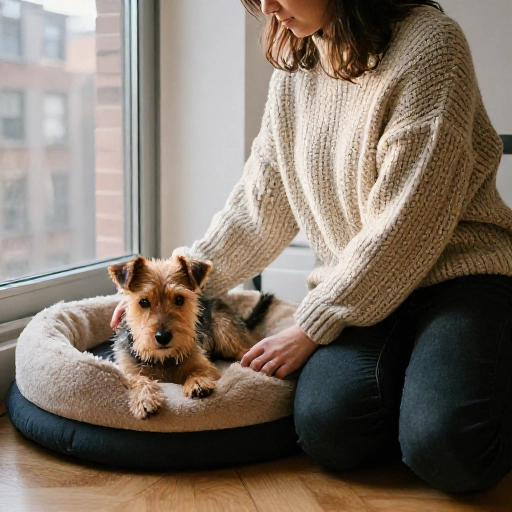
If you live in a small home, you know the struggle: you want your dog to have a cozy spot, but you also don’t want to trip over toys, bowls, and a giant bed. I’ve been there. My first apartment was barely big enough for a couch, let alone a dog crate.
The good news? Dogs don’t need a whole room to feel safe and happy. They need a consistent, comfortable area that smells like them and feels like theirs. With a little creativity, you can create dog areas in small homes that look intentional—not like pet stuff exploded everywhere.
Below are 11 clever ideas I’ve tried, seen in friends’ homes, or wish I’d thought of sooner. Pick one that fits your layout, your dog’s personality, and your budget.
1. Turn a Closet Corner into a Cozy Dog Nook
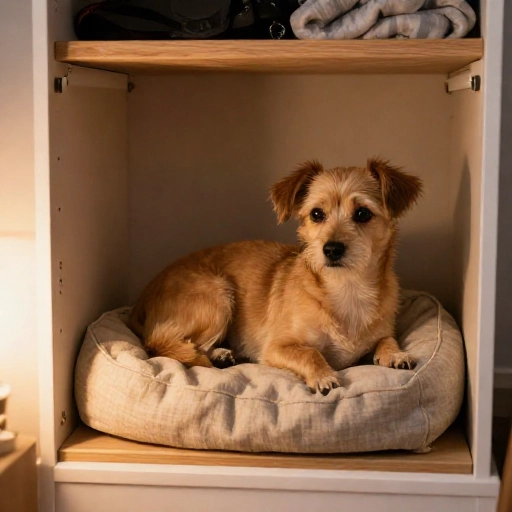
If you have a closet you barely use, that’s prime real estate for a dog zone. I removed the door from a shallow hall closet and turned it into a little den for my terrier. It became his favorite nap spot within a day.
Add a washable bed, a small basket for toys, and a clip-on light or battery puck light. If the closet is deep, keep the door on and remove it only during the day. A baby gate can keep the space open but still contained.
Measure your dog’s length when stretched out, then add a few inches. The nook should feel snug, not cramped. A crate pad or orthopedic bed works great because it’s easy to vacuum and doesn’t slide around.
2. Use a Crate as a Dual-Purpose Side Table
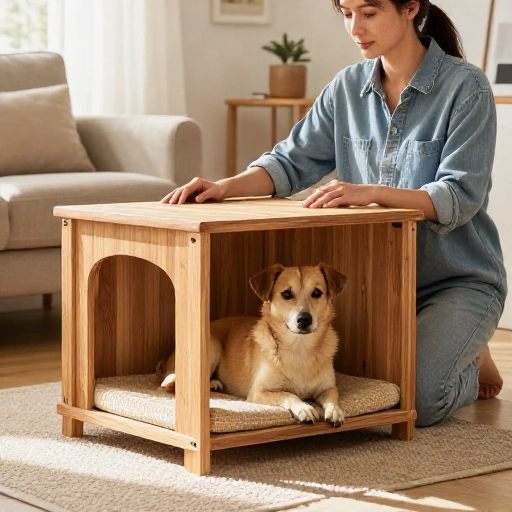
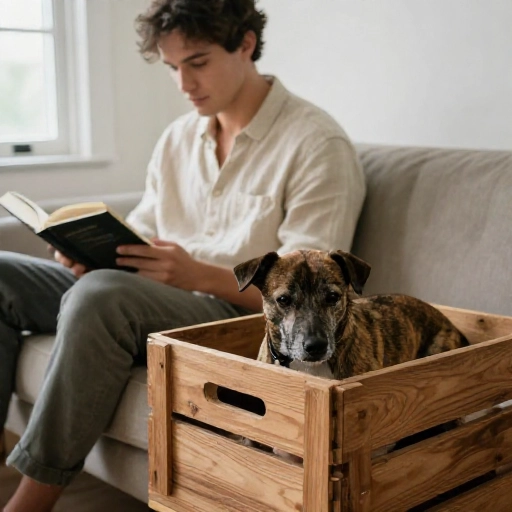
A dog crate doesn’t have to scream “pet furniture.” I set up a wire crate next to my sofa and topped it with a sturdy piece of wood cut to size. Instant side table—and my dog still had his safe space underneath.
Choose a crate that matches your dog’s full-grown size. Add a crate cover or a folded blanket over the top and sides to make it feel den-like. Just leave the front open so your dog can see out.
This trick is perfect for studio apartments or living rooms where every inch counts. You get a place for your coffee, remote, and lamp—and your dog gets a bedroom. Just make sure the top is secure and nothing heavy can slide off.
3. Create an Under-Desk Dog Den
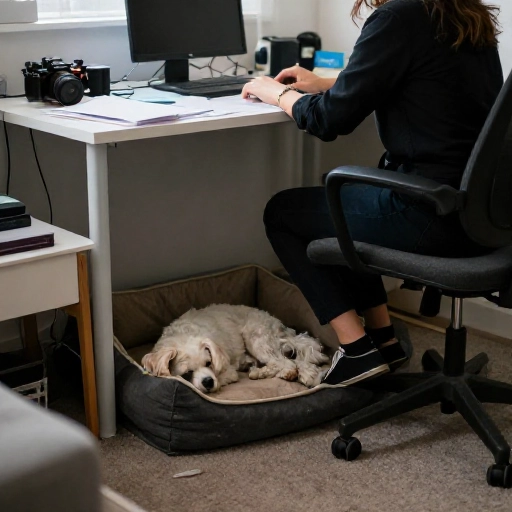
If you work from home, your desk area is probably already a command center. With a little rearranging, the space under your desk can become a dog den. My dog used to lie on my feet anyway, so I gave him a proper bed there.
Slide a flat, washable bed under the desk, away from cords and wheels. Add a small basket for a chew toy and a water bowl with a no-spill base. A blanket draped over the back of the desk can create a cave-like feel without blocking airflow.
This works best if you have a desk with open legs, not a solid panel. It keeps your dog close during meetings but out of your camera frame. Bonus: fewer surprise barks when the mail carrier arrives.
4. Build a Dog Bed Under an Entryway Bench
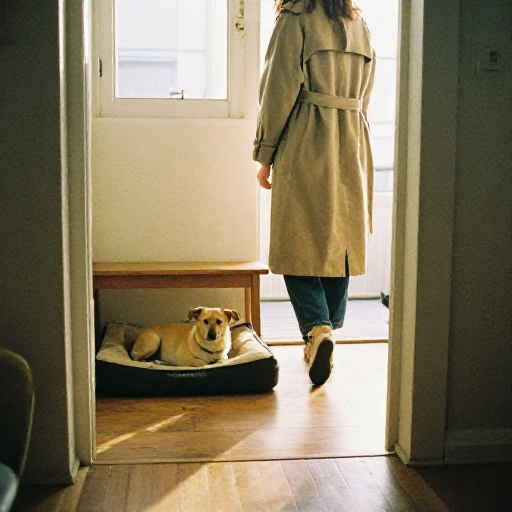
Entryways are usually a mess of shoes, bags, and leashes. But the space under a bench is often wasted. I measured the gap, slid a low-profile dog bed underneath, and suddenly my hallway had a purpose.
Use a bench with open legs or a shelf on the bottom. If the gap is short, choose a crib mattress or a thin orthopedic bed. Add a hook above for the leash and a small tray for poop bags.
This keeps dog gear by the door, which means less tracking through the house. It also gives your dog a spot to wait while you put on shoes. Train a “go to your bed” cue and the entryway becomes calm instead of chaotic.
5. Turn Under-Stair Space into a Dog Cave
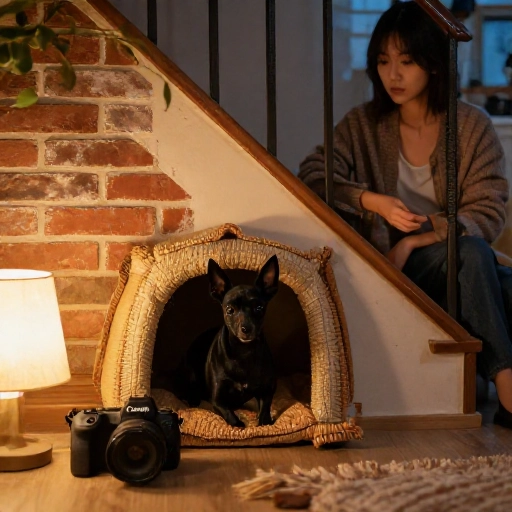
Under-stair areas are tricky. They’re often dark, awkward, and filled with junk. But for a dog, that shadowy triangle can feel like a natural cave. I’ve seen this work beautifully in small townhomes and apartments.
Clear out the clutter and add a pressure-mounted baby gate or a custom cut piece of plywood with a dog door. Inside, place a bed, a non-slip rug, and a small toy bin. Battery-operated puck lights keep it from feeling spooky.
If the space is unfinished, cover rough edges with pool noodles or foam pipe insulation. Make sure your dog can turn around comfortably. This is a great option for dogs who love to burrow or need a break from busy households.
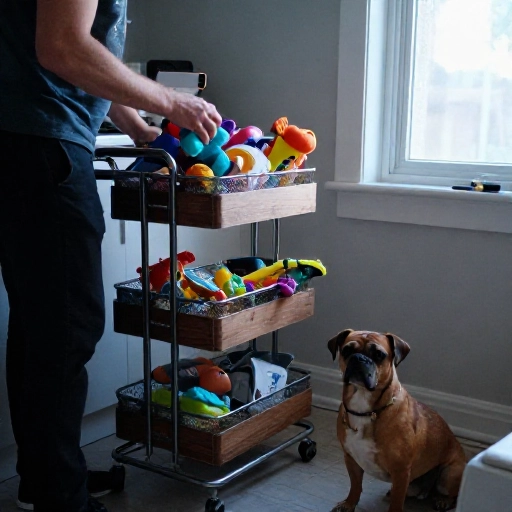
6. Set Up a Rolling Dog Supply Cart
Dog stuff multiplies. One day it’s a leash, the next it’s five toys, three treat bags, and a brush you forgot you owned. A rolling cart changed my small-space game. I keep it in a corner and wheel it out when needed.
Use the top shelf for food and water bowls, the middle for treats and meds, and the bottom for toys and grooming tools. Choose a cart with locking wheels so it doesn’t slide when your dog bumps it.
This keeps supplies together and easy to clean around. If you have a closet, roll the cart inside when guests come over. It’s like a doggy command center on wheels—practical, tidy, and surprisingly cute.
7. Use a Freestanding Pen or Baby Gate Zone
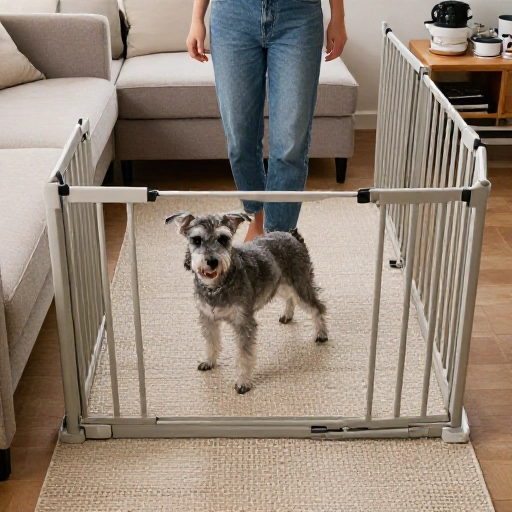
Sometimes the best dog area is a flexible one. A freestanding pen or a baby gate can section off a corner of your living room without drilling into walls. I used this when my puppy needed a safe zone but I still wanted to see him.
Set up the pen in a low-traffic corner. Add a bed, a water bowl, and a couple of sturdy chews. Use a washable mat underneath to protect floors and make cleanup easy. Fold it up when you need the space back.
For wider openings, a pressure-mounted gate is cheaper and easier than a full renovation. Look for gates with a small pet door if you have a cat. This gives your dog boundaries without making your home feel like a kennel.
8. Make a Window Seat Dog Lounge
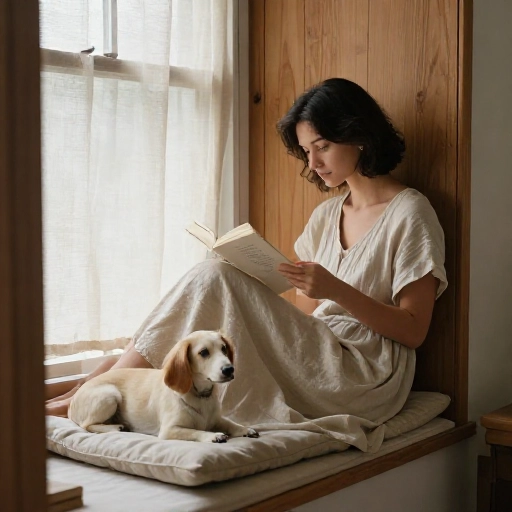
Dogs love a good view. If you have a window seat, bay window, or even a wide sill, turn it into a dog lounge. My dog spends hours watching squirrels from his window perch, and it keeps him entertained while I work.
Add a waterproof cushion or a crib mattress cut to fit. Top it with a washable cover and a blanket that smells like you. If the sill is narrow, build or buy a small platform that attaches to the wall or sits on sturdy legs.
Make sure the window is secure and doesn’t get too hot in direct sun. In winter, a draft blocker can keep the spot cozy. This is a dream for apartment dogs who don’t get a backyard view.
9. Try an Under-Bed Dog Den
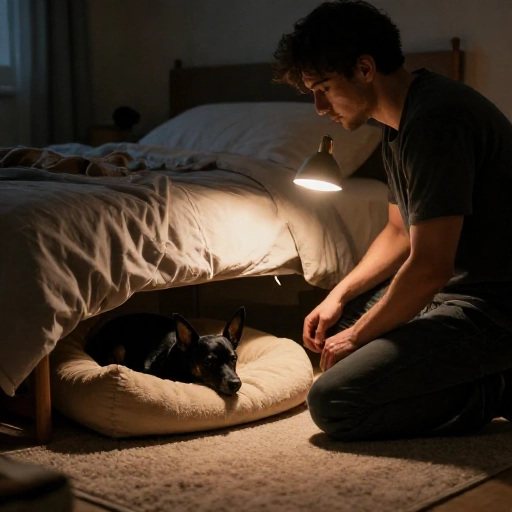
If your bed has enough clearance, the space underneath can become a secret dog den. I’ve done this with a high platform bed and a low-profile dog bed. My dog loved having a dark, quiet spot away from foot traffic.
Measure the height first. Your dog should be able to stand up and turn around without crouching. Use a bed that’s easy to pull out for washing. Add a nightlight or a small motion light so you don’t step on toys in the dark.
This is ideal for anxious dogs who like to hide, or for homes where floor space is tight. Just avoid storing dusty boxes or shoes under there. Keep it clean, dry, and clearly “theirs.”
10. Carve Out a Corner with a Room Divider
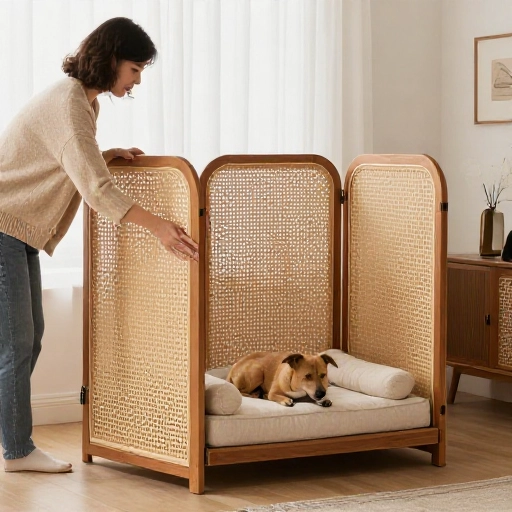
If you live in a studio or open-plan apartment, a room divider can create a visual dog zone without walls. I used a low bookshelf to separate my dog’s corner from the rest of the living room. It looked intentional and gave him a sense of place.
Choose a divider that’s stable and won’t tip if your dog leans on it. A cubby shelf works well—you can store dog supplies on the lower shelves and display plants on top. Leave one side open so your dog doesn’t feel trapped.
Add a rug, a bed, and a toy basket inside the zone. The divider doesn’t have to be tall or expensive. Even a folding screen can do the trick. It’s all about creating a boundary that says “this is your spot.”
11. Create a Small Potty or Wash Station
For apartment dogs, potty breaks can be a trek. If you have a balcony, a small patch of artificial grass in a tray can work as an emergency potty spot. I used one during a rainy week and it saved my sanity.
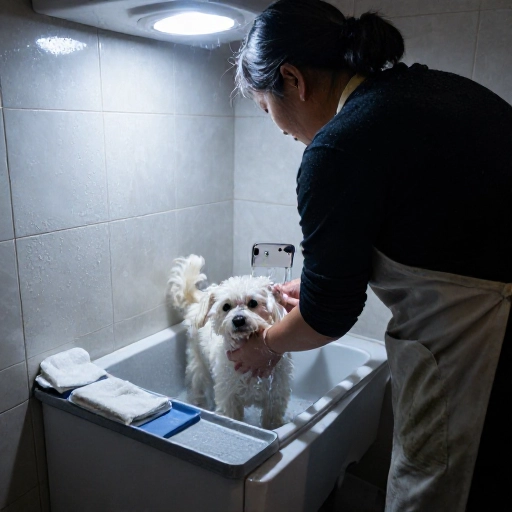
If you don’t have a balcony, set up a wash station in a laundry room or bathroom corner. Keep a towel, pet-safe wipes, and a small basin for muddy paws. A shallow boot tray works as a mini mudroom for dogs.
Clean potty patches daily and rinse the tray with pet-safe cleaner. For wash stations, a non-slip mat keeps your dog from sliding. This isn’t a replacement for real walks, but it’s a helpful backup in small homes.
Final Thoughts: Small Space, Big Dog Love
Creating dog areas in small homes isn’t about having more square footage. It’s about using the square footage you have with intention. A closet, a corner, a crate, or even under a desk can become a spot your dog claims as their own.
Start with one idea that fits your layout. Watch how your dog uses the space, then adjust. Add washable covers, keep the area clean, and make it feel like part of your home—not an afterthought. Your dog doesn’t need a mansion. They need a safe, cozy place that smells like you and feels like theirs.
Frequently Asked Questions
How do I create a dog area in a tiny apartment?
Pick a low-traffic corner or a piece of furniture that does double duty, like a crate side table or an entryway bench with a bed underneath. Keep it consistent so your dog learns that spot is theirs.
What flooring is best for a dog zone in a small home?
Washable rugs, vinyl, tile, or cork are great. Avoid wall-to-wall carpet if you can, or use a waterproof mat under beds and bowls. Easy cleanup matters more than fancy materials.
How can I stop dog stuff from taking over my small space?
Use a rolling cart, wall hooks, and baskets with lids. Give every item a home. Rotate toys instead of keeping them all out. A five-minute tidy each night keeps the dog zone from spreading.
Do dogs like having their own small space?
Yes, many dogs feel safer with a den-like area. It gives them a place to retreat when the house is busy. Just make sure they can choose to leave whenever they want.
How do I potty train a dog in an apartment without a yard?
Use a consistent schedule, take frequent walks, and consider a porch potty or grass tray for emergencies. Reward outside potties right away. Clean indoor accidents with an enzymatic cleaner so the spot doesn’t smell like a bathroom.