15 Tactical Gear Items for Adventure Dogs: The Ultimate Trail-Ready Packing List
I used to think a leash and a bag of kibble were all my dog needed for a hike. Then we hit a trail with sharp rocks, a sudden rainstorm, and a very muddy creek crossing. My poor pup was miserable, and I was unprepared. That day changed everything.
Now I’m a bit of a gear nerd. Not because I want my dog to look like a military operative, but because tactical gear is built to last. It’s functional, adjustable, and designed for real adventures. If you and your dog love exploring, these 15 items will make your trips safer, smoother, and way more fun.
1. Tactical Dog Harness with a Handle
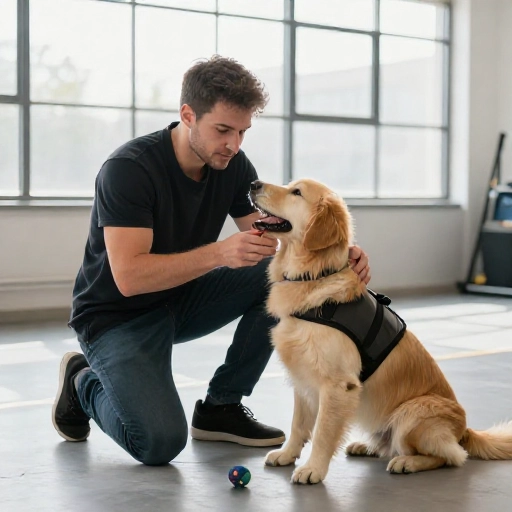
A good harness is the foundation of any adventure dog’s kit. I look for one with padded straps, metal D-rings, and a sturdy top handle. That handle is a lifesaver when I need to lift my dog over a fallen log or help them up a steep ledge.
Fit matters more than brand. I measure my dog’s chest and neck, then adjust every strap so I can fit two fingers underneath. A loose harness rubs and chafes; a tight one restricts movement.
I also love harnesses with MOLLE webbing. It lets me attach small pouches or a light without buying a separate vest.
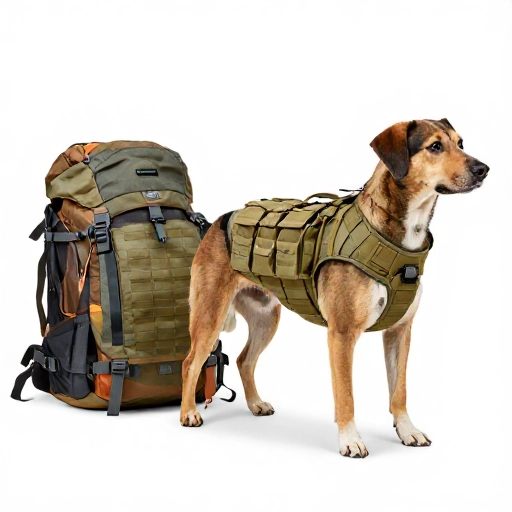
2. MOLLE Dog Vest for Extra Storage
If your dog is strong and healthy, a MOLLE vest lets them carry a bit of their own gear. I’m talking a collapsible bowl, a small water bottle, or a few treats. It distributes weight evenly across their back and chest.
Start with an empty vest and let your dog wear it around the house for a few days. Then add one lightweight item at a time. I never load more than 10% of my dog’s body weight.
The MOLLE loops are also great for clipping on a GPS tracker or a small LED light. Just make sure nothing dangles or rattles too much.
3. Bungee Leash for Shock Absorption
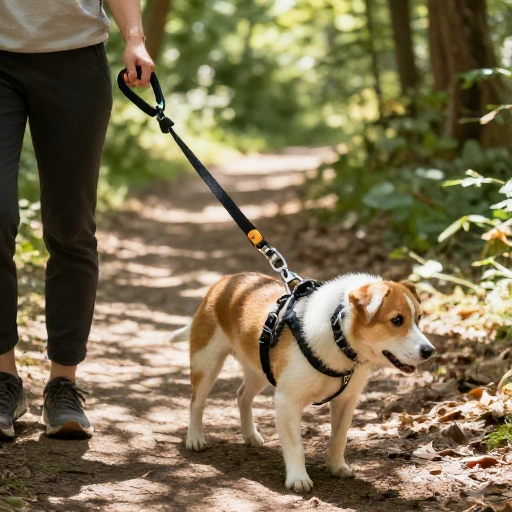
A standard leash can yank your arm and your dog’s neck when they lunge or trip. A bungee leash has a stretchy section that absorbs the shock. It’s a game-changer for trail running or hiking on uneven ground.
I use a hands-free bungee leash that clips around my waist. It keeps my hands free for trekking poles or a water bottle. My dog can pull slightly without jerking me off balance.
Look for one with a traffic handle near the collar. That gives you quick control when you need your dog close.
4. Dog Backpack Saddlebags
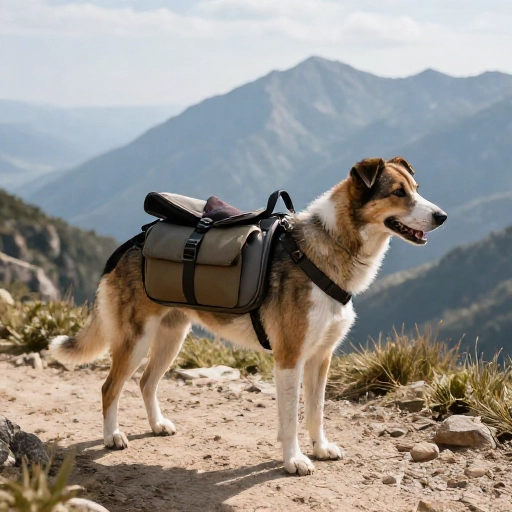
Saddlebags are different from a MOLLE vest. They’re larger, with two panniers on either side. I use them for longer day hikes when my dog can carry their own water and snacks.
Balance is key. I weigh both sides to make sure they’re even. An uneven pack can cause sore muscles and weird walking habits.
I also check the fit every hour. Straps can loosen as your dog moves, and a shifting pack is uncomfortable. Start with short walks and gradually add weight.
5. Paw Protection Boots
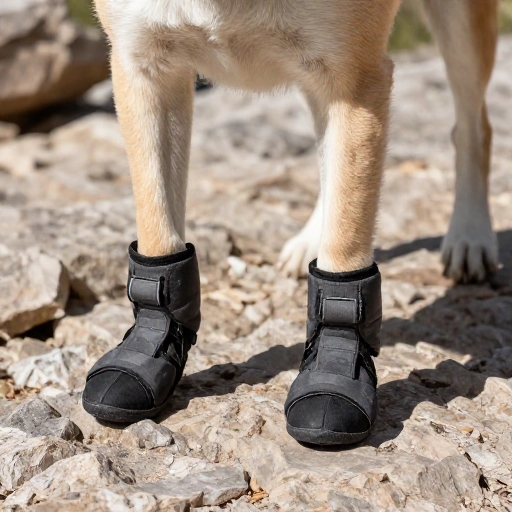
Hot pavement, sharp granite, icy crust, and salted sidewalks can all hurt your dog’s paws. I learned this the hard way after a summer hike left my dog limping. Now I always pack boots.
Measuring is crucial. I trace my dog’s paw on paper, then measure the widest part and the length. Every brand fits differently, so I check the size chart carefully.
Break them in slowly. I put them on for five minutes at a time, then give treats. Soon my dog associates boots with fun adventures, not weird foot prisons.
6. Cooling Vest for Hot Days
Dogs overheat faster than we do. A cooling vest works by soaking it in water, wringing it out, and putting it on your dog. As the water evaporates, it pulls heat away from their body.
I use one on summer hikes, especially in direct sun. It’s not a magic fix—I still avoid the hottest part of the day and take plenty of shade breaks.
Always watch for signs of heatstroke: heavy panting, drooling, wobbling, or bright red gums. If you see them, stop, cool your dog with water, and get to a vet.
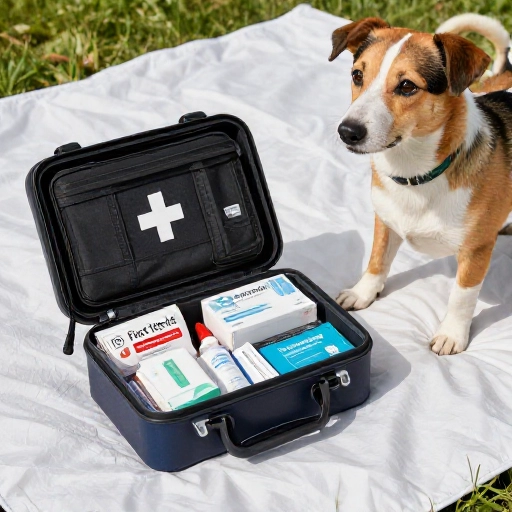
7. Dog-Specific First Aid Kit
I used to carry a human first aid kit and hope for the best. Then my dog cut a paw pad on a piece of glass. I had no vet wrap, no antiseptic, no tweezers. Never again.
My dog’s kit includes:
- Self-adhesive vet wrap
- Sterile gauze pads
- Antiseptic wipes
- Tick remover tool
- Small scissors
- Diphenhydramine (check dosage with your vet first)
- Emergency foil blanket
I also take a pet first aid course online. Knowing how to use the gear is more important than having it.
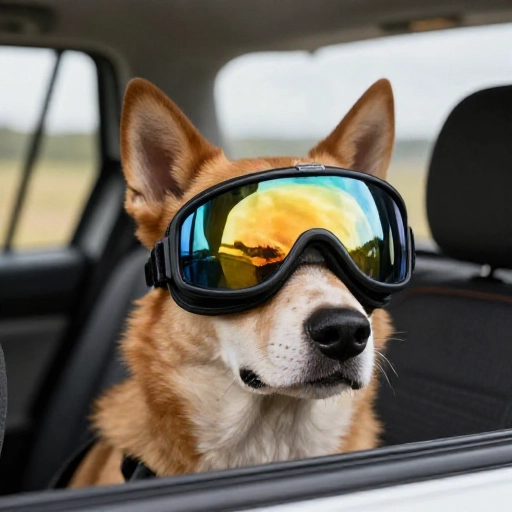
8. Dog Goggles for Eye Protection
This one sounds extra, but hear me out. If you hike in dusty deserts, ride bikes with your dog, or go anywhere with low branches, goggles protect their eyes from debris and wind.
Not every dog tolerates them. I introduced goggles with treats and short sessions. My dog now wears them happily on dusty trails. The key is a snug but not tight fit.
Look for shatterproof lenses and adjustable straps. Dog goggles are also great for dogs who stick their heads out of car windows.
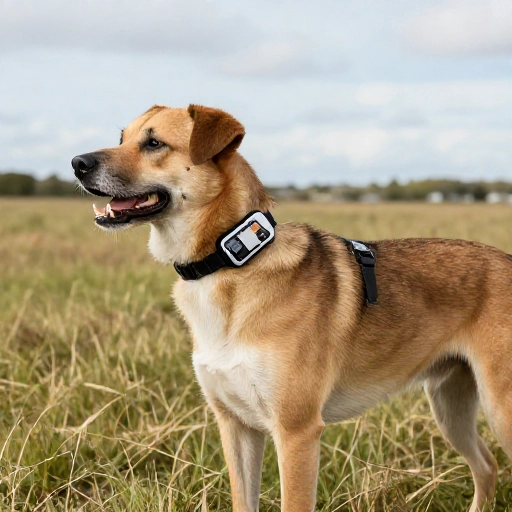
9. GPS Tracker Collar
My dog has a solid recall, but accidents happen. A GPS tracker gives me real-time location updates on my phone. It’s like insurance for off-leash adventures.
I use one that clips onto the collar and has a long battery life. Some trackers also monitor activity and sleep, which is fun data to look at after a big hike.
Test the tracker in a safe area before you rely on it. Make sure you know how to use the app and that the battery is charged before every trip.
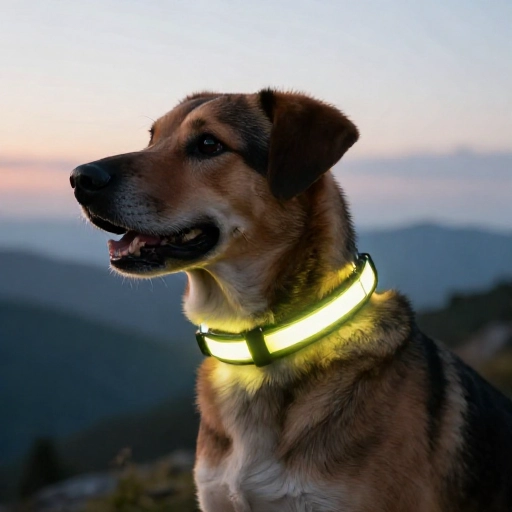
10. LED Lighted Collar
Early morning hikes or dusk walks mean low visibility. A lighted collar makes your dog easy to spot. I use a rechargeable one that glows bright green or red.
It’s not just for you—it helps drivers, cyclists, and other trail users see your dog from a distance. I also clip a small light to my own jacket so we’re both visible.
Check the charge before you leave. There’s nothing worse than a dead collar in the dark.
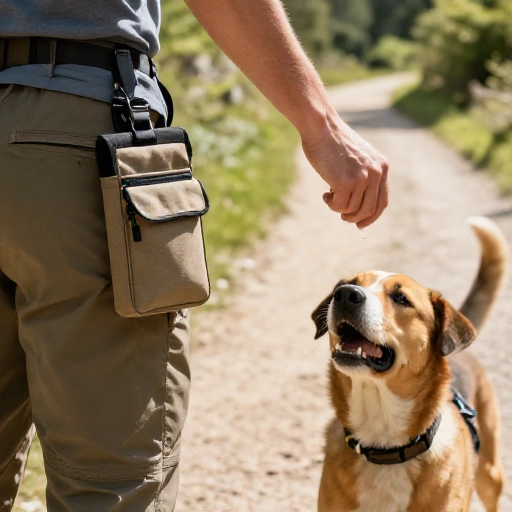
11. Treat Pouch That Clips to Your Belt
Training doesn’t stop on the trail. A treat pouch keeps rewards within reach. I use one with a magnetic closure so I can grab a treat without looking down.
I fill mine with high-value treats—freeze-dried liver or small pieces of chicken. They’re smelly, which is exactly what you want for quick attention.
Clip the pouch to your belt or waist pack. It should be comfortable and not bounce around when you walk.
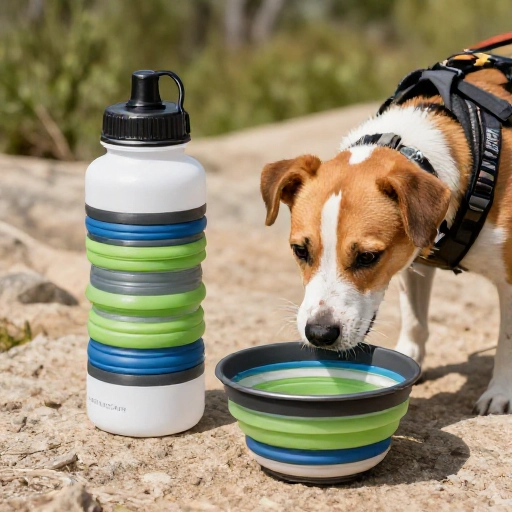
12. Collapsible Water Bottle with Built-In Bowl
Hydration is non-negotiable. I carry a collapsible water bottle that has a silicone bowl attached to the lid. It’s lightweight and leak-proof.
I offer my dog water every 15 to 20 minutes on a hike. I also bring extra in case we’re out longer than planned. Never let your dog drink from stagnant ponds or puddles—they can carry parasites.
When we’re done, I rinse the bowl and bottle and let them air dry. No funky smells.
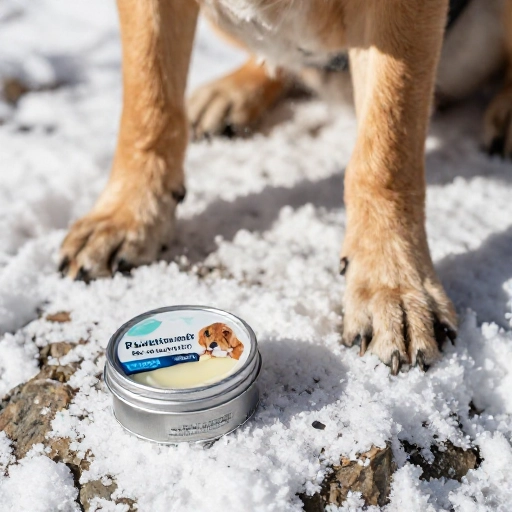
13. Paw Wax for Extreme Conditions
Paw wax creates a protective barrier against snow, ice, salt, and hot sand. I apply it before we head out and reapply every hour or so.
It’s not a substitute for boots in extreme heat or on rough terrain, but it’s great for cold winter walks and mild trails. I rub it in gently and give my dog a treat.
Look for a pet-safe wax with natural ingredients like beeswax and shea butter. Avoid anything with harsh chemicals.
14. Emergency Foil Blanket
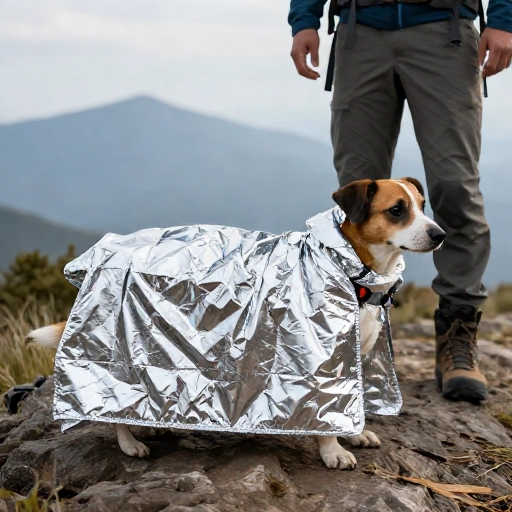
This tiny, lightweight blanket reflects body heat. I keep one in my dog’s first aid kit and one in my own pack. If my dog gets wet and cold, I wrap them up and hold them close.
It’s also useful if we’re waiting for help after an injury. Hypothermia can happen even in mild weather if a dog is wet and exhausted.
Foil blankets are cheap and pack down to the size of a deck of cards. There’s no reason not to carry one.
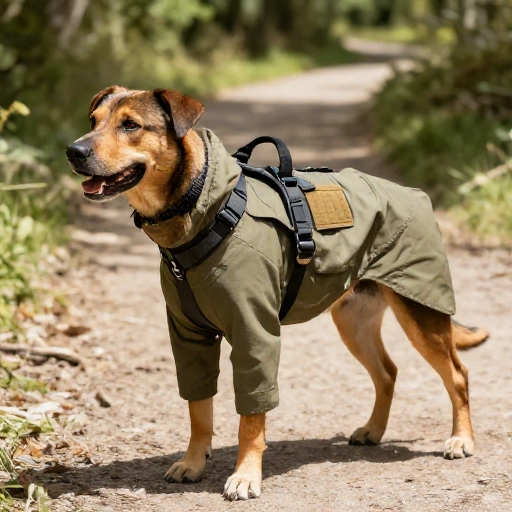
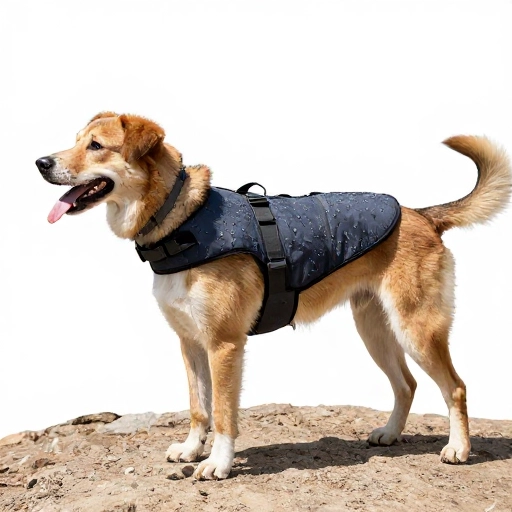
15. Tactical Dog Raincoat
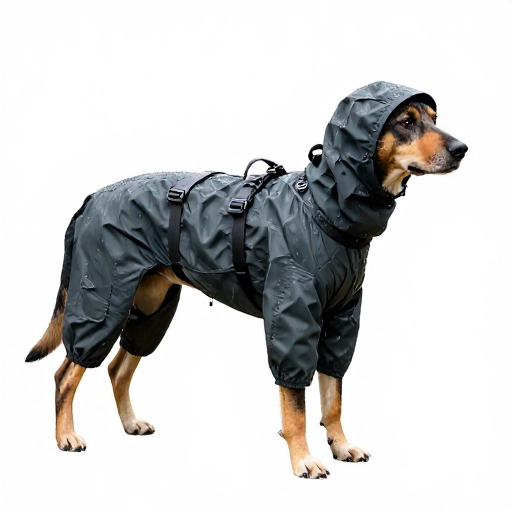
A wet dog gets cold fast. A raincoat keeps their core dry and makes them easier to spot with reflective strips. I use one with adjustable straps and a leash opening.
I look for a coat that covers the belly and chest, not just the back. That’s where dogs lose heat. A good raincoat also has a high collar to keep water off the neck.
After the hike, I rinse the coat and hang it to dry. Proper care makes it last for years.
Final Thoughts on Tactical Gear for Adventure Dogs
You don’t need every single item on this list to have a great adventure. Start with a well-fitted harness, a reliable leash, and a first aid kit. Then add gear as your adventures grow.
The best tactical gear is the gear that fits your dog, your activity, and your budget. Test everything at home before you hit the trail. And always listen to your dog—if they’re uncomfortable, adjust or leave it behind.
Now get outside. Your dog is waiting.
FAQ: Tactical Gear for Adventure Dogs
Q: Do I really need tactical gear for a casual walk around the block?
A: No. A simple collar, leash, and poop bags are fine. Tactical gear shines when you’re hiking, running, camping, or exploring rough terrain.
Q: What’s the single most important item to buy first?
A: A well-fitted harness with a top handle. It gives you control, reduces neck strain, and helps you lift your dog out of tricky spots.
Q: Can my dog wear a backpack all day?
A: Start with short trips and light weight—no more than 10% of your dog’s body weight. Build up gradually. If your dog seems tired or sore, take it off.
Q: How do I get my dog used to boots or goggles?
A: Positive reinforcement and patience. Put them on for a few seconds, give treats, take them off. Repeat over several days. Never force it.
Q: Is a GPS tracker worth the money?
A: If you let your dog off-leash in new or wooded areas, yes. It gives peace of mind and helps you find your dog fast if they bolt or get lost.