10 Must-Try Dog Room Ideas For Your Furry Friend
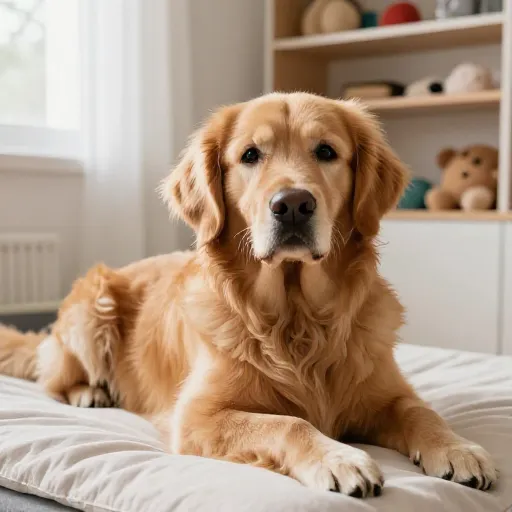
Let’s be honest—our dogs aren’t just pets, they’re family. And just like every other family member, they deserve a cozy little corner (or room) that’s all theirs. I’ve spent way too many weekends rearranging my living room to accommodate my pup’s bed, toys, and never-ending stash of bones. So I decided it was time to create a dedicated dog room that actually works for both of us.
Whether you have a spare bedroom, a corner of the laundry room, or just a nook under the stairs, these 10 dog room ideas are practical, cute, and totally doable. No fancy carpentry skills required—promise.
Let’s dive into the spaces that’ll make your pup’s tail wag nonstop.
1. Built-In Bunk Bed For Multi-Dog Homes
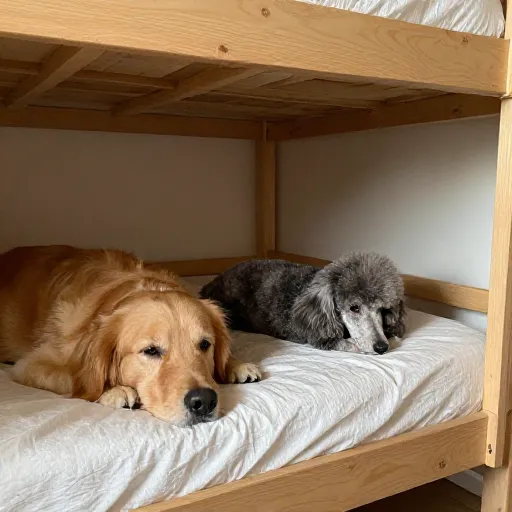
If you’ve got more than one dog, you know the struggle of finding space for separate beds. A built-in bunk bed is a genius solution. It uses vertical space, keeps the floor clear, and gives each dog their own little “floor” to claim.
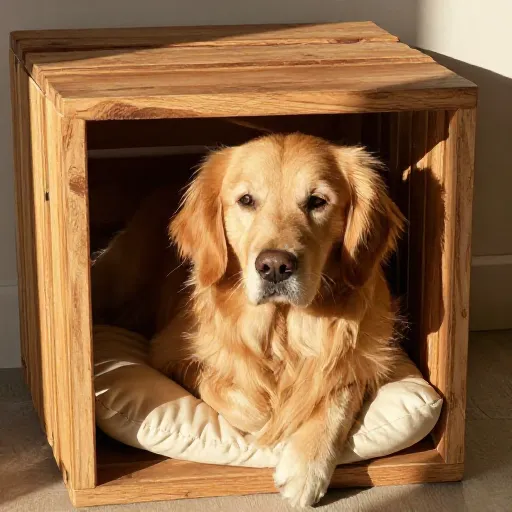
I used simple wooden crates stacked and secured together, with a soft cushion on each level. My golden retriever took the top bunk (she’s a climber), and the little guy stayed below. It also doubles as a cozy den for them to retreat to when guests come over.
- Use sturdy wood or pre-made crate cubes
- Add washable, thick mats on each level
- Paint or stain to match your home decor
2. The Mudroom Dog Wash Station
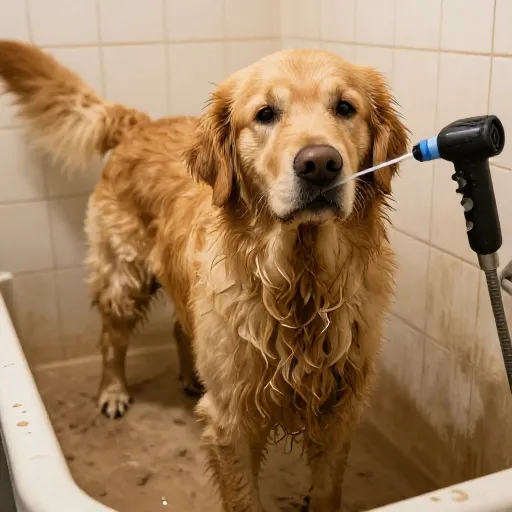
After a rainy walk, nothing is worse than muddy paw prints across your white floors. A dog wash station in the mudroom or garage is a lifesaver. It doesn’t have to be fancy—a raised platform with a handheld sprayer and a drain works perfectly.
I installed a simple utility sink with a low faucet and a non-slip mat inside. A hook for the towel and a basket for dog shampoo keeps everything organized. Now, bath time takes five minutes instead of a full bathroom cleanup.
- Use a raised dog tub or a deep utility sink
- Add a detachable spray nozzle
- Keep towels and shampoo within arm’s reach
3. A Built-In Feeding Station
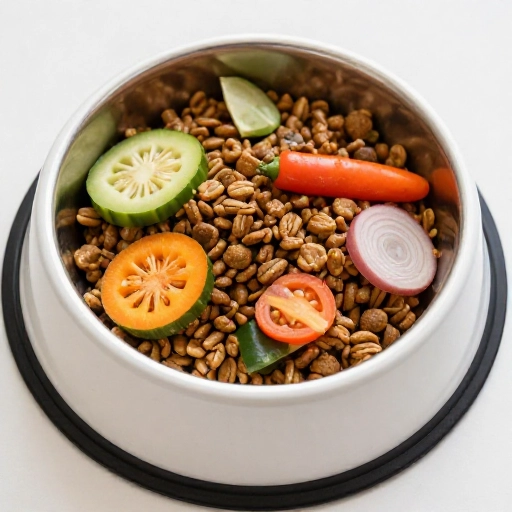
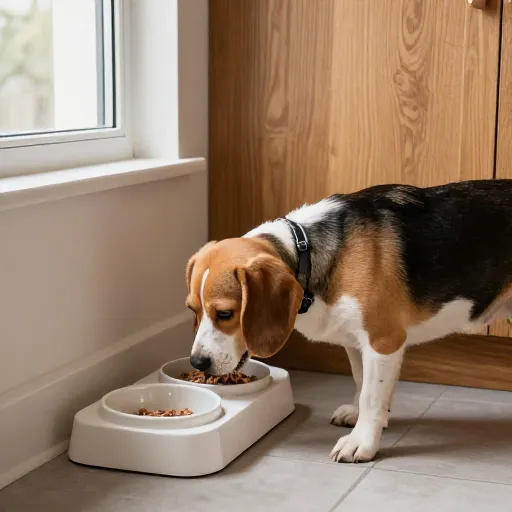
Elevated feeding stations are trendy, but a built-in one takes it to the next level. I carved out a cubby under my kitchen counter (right at dog height) and installed two stainless steel bowls that slide out for easy cleaning. No more tripping over bowls in the middle of the kitchen.
It also keeps the food area contained—less mess, less splashing. A small shelf above holds the treat jar and a hook for the leash. It’s functional and looks like it was always meant to be there.
- Measure your dog’s height for the perfect bowl elevation
- Use removable bowls for easy washing
- Add a splash mat underneath
4. The Cozy Reading Nook For Cuddles
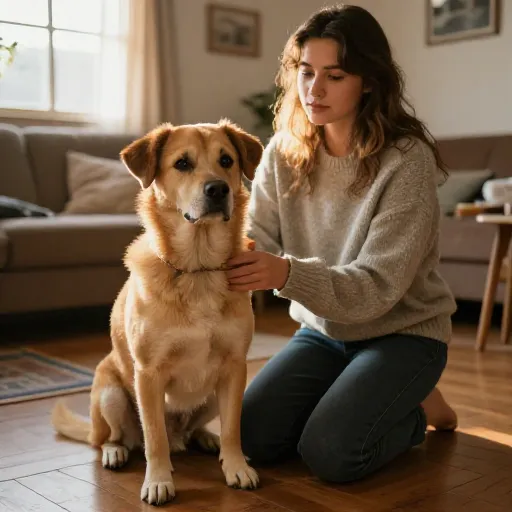
Dogs love to be near you, even when you’re reading. I turned an unused corner of my living room into a cushioned dog nook with a big floor pillow, a soft blanket, and a few of her favorite toys. It’s technically her space, but I end up sitting there too.
Add a low-hanging shelf with a few books (for you) and maybe a small plant. Keep the area clutter-free so your pup can sprawl out. It’s the perfect spot for afternoon naps together.
- Use a large, washable floor cushion
- Layer with soft throws
- Keep toys in a small bin nearby

5. A Window Perch For The Watchful Pup
Some dogs just love to watch the world go by. A window perch gives them a front-row seat. I installed a low, wide shelf right under a big window in my home office. I added a thick cushion and a safety railing (just in case).
Now, my pup spends hours watching squirrels, mail carriers, and passing dogs. It keeps her entertained and reduces her need to bark at the front door. Plus, it’s a great way to use that awkward space under a window.
- Make sure the perch is sturdy and secure
- Add a non-slip mat or cushion
- Keep it away from direct drafts

6. A Toy Storage Wall
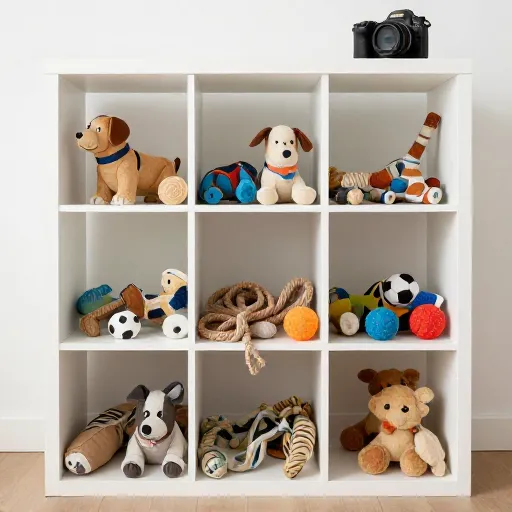
Dog toys multiply like rabbits, don’t they? I used a pegboard on the wall of my laundry room to hang all her toys. It keeps them off the floor, visible, and easy to grab. No more digging through a bin to find the squeaky bone.
I added small baskets for balls and ropes, and hooks for plush toys. It’s also a cute way to display her collection. When she wants a specific toy, she just looks up and points with her nose.
- Use a pegboard or a slatwall system
- Add hooks, baskets, and small shelves
- Label bins for different toy types
7. A Soundproofed Quiet Zone
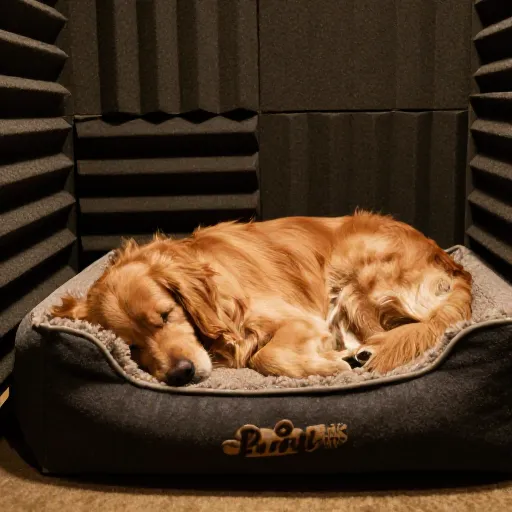
Not all dogs love noise. My rescue pup gets anxious during thunderstorms or fireworks. I created a small, soundproofed corner in my bedroom closet. I lined the walls with thick moving blankets and added a soft bed and a white noise machine.
It’s her safe space. When she feels scared, she goes in there on her own. I keep the door slightly ajar so she can come and go. It’s simple but has made a huge difference in her anxiety.
- Use heavy blankets or acoustic panels
- Add a calming bed with high sides
- Keep a white noise machine or fan running
8. A Dog-Friendly Indoor Garden
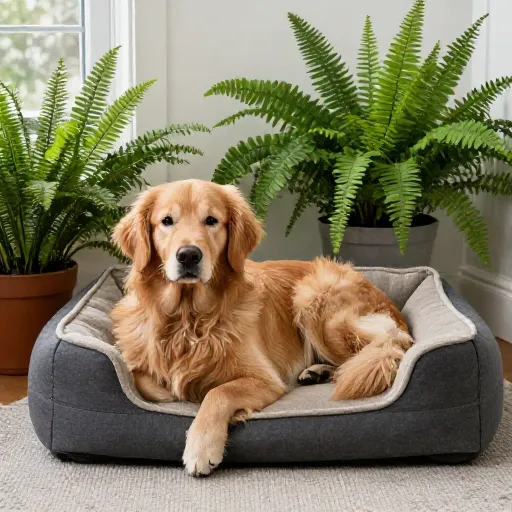
Dogs love to sniff and explore. I turned a sunny corner of my living room into a mini indoor garden—with only dog-safe plants. Spider plants, Boston ferns, and wheatgrass are all safe. I added a small patch of artificial grass for her to lie on.
It’s like bringing a little piece of the outdoors inside. She loves to nibble on the wheatgrass (good for digestion), and I love that it’s completely safe. Just be sure to avoid toxic plants like lilies or aloe.
- Choose only non-toxic plants
- Use raised planters to prevent digging
- Include a soft mat for lounging
9. A Crate That Blends With Decor
Dog crates are practical, but they can be an eyesore. I turned my dog’s crate into a stylish piece of furniture. I placed it inside a wooden console table, with the crate door facing out. The top of the console holds a lamp and a stack of books.
Now, the crate looks like a built-in piece. She has her den, and I have a functional side table. You can also use a crate cover in a neutral fabric or add a cushion on top for extra seating.
- Choose a crate that fits inside an existing cabinet
- Use a crate cover or a piece of furniture
- Add a small lamp or plant on top
10. A Play Zone With A Dig Box
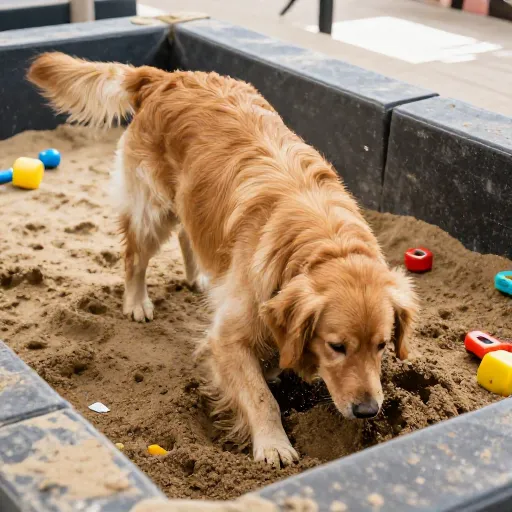
Dogs love to dig—it’s in their DNA. Instead of fighting it, I made a designated dig box in my backyard. I filled a shallow kiddie pool with sand and buried a few toys and treats inside. My dog goes crazy for it, and my flower beds stay untouched.
If you don’t have a yard, a large plastic bin with shredded paper or fabric strips works indoors. Just put a tarp underneath for easy cleanup. It’s a fantastic way to burn energy and keep your pup entertained.
- Use a shallow container or kiddie pool
- Fill with sand, shredded paper, or fabric
- Bury toys and treats for extra fun
Conclusion
Creating a dog room doesn’t have to be a huge renovation project. Small, thoughtful changes—like a built-in feeding station or a cozy window perch—can make your home feel more like your dog’s home too. I’ve seen my pup’s happiness levels go up just by giving her a few dedicated spaces.
Start with one idea that fits your space and your dog’s personality. Whether it’s a quiet corner for anxious days or a play zone for endless fun, your furry friend will thank you with extra tail wags and cuddles. Happy decorating!
FAQ
1. What size should a dog room be?
It doesn’t need to be a full room. Even a 4×4 foot corner or a nook under the stairs works perfectly. The key is to make it feel like their own safe space.
2. How do I keep a dog room clean?
Use washable bedding, non-slip mats, and easy-to-clean floors like tile or vinyl. Keep a small vacuum or lint roller handy for fur.
3. Can I make a dog room on a budget?
Absolutely. Repurpose old furniture, use DIY crates, and shop at thrift stores for baskets and cushions. The most important thing is comfort, not cost.
4. Should the dog room be indoors or outdoors?
Most dogs prefer an indoor space because it’s climate-controlled and close to the family. But a covered outdoor area can work in mild weather.
5. How do I get my dog to use their new room?
Start with treats, toys, and positive reinforcement. Spend time with them in the space so they associate it with good things. Be patient—it might take a few days.