First Steps After a Dog Is Injured: What to Do in the First 10 Minutes (A Dog Mom’s Honest Guide)
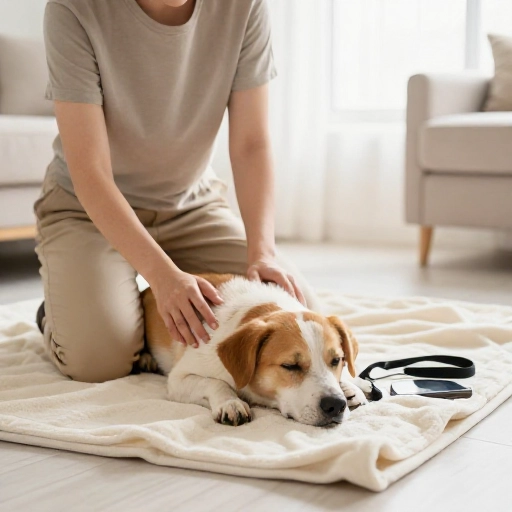
There’s a specific kind of silence that fills the room when your dog yelps and doesn’t get up. I’ve been there twice — once with a torn paw pad on a hot trail, once with a bad landing off the couch. Both times my heart went faster than my brain, and both times I wished I’d already known what to do.
If you’re reading this while something is happening right now, take one breath. The first few minutes after an injury matter more than you think, and most of what helps is simple, quiet, and steady.
This is the practical checklist I keep in my head now. No panic, no guessing — just the steps I take in order when a dog I love is hurt.
Step 1: Stay Calm and Read the Room Before You Touch
My first instinct is always to scoop my dog up. My vet’s first piece of advice was the opposite: pause for five seconds and look.
Your dog is reading your energy harder than you realize. If I rush in shouting, a scared dog may snap at the person trying to help — me. A low, slow voice does more good in that moment than any first aid supply.
While you’re standing still, scan for the big picture: Are they standing, lying down, or dragging a leg? Is there blood, a weird angle, or a swollen area? Is the danger still nearby, like traffic or a broken fence?
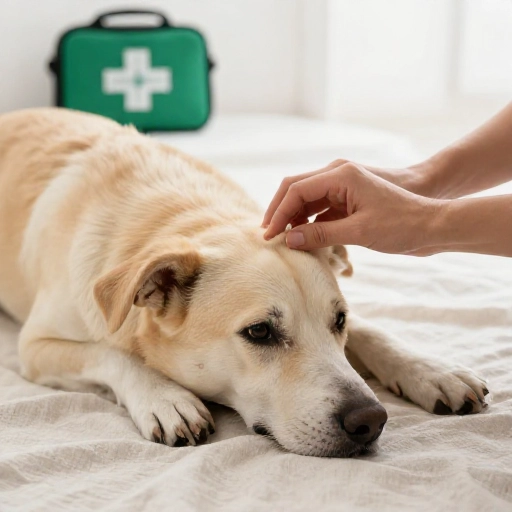
Step 2: Do a Gentle Nose-to-Tail Check
Once I’m calm, I move slowly and check my dog where they are — I don’t reposition them yet. Starting at the head keeps things predictable, which most dogs find less scary.
- Eyes: cloudy, bloodshot, or uneven pupils?
- Mouth and gums: bright pink is normal. Pale, white, or bluish gums need a vet fast.
- Breathing: fast panting after a scare is normal. Labored, raspy, or gasping is not.
- Paws and legs: look for cuts, thorns, gravel, or swelling.
- Belly and sides: any area that feels hot, tight, or makes them flinch.
I note what I find out loud or in my phone. When I call the vet, being able to say “right hind leg, no weight-bearing, small cut on the pad” gets us seen faster than “he’s hurt.”
Step 3: Muzzle Your Dog — Even If They’ve Never Bitten
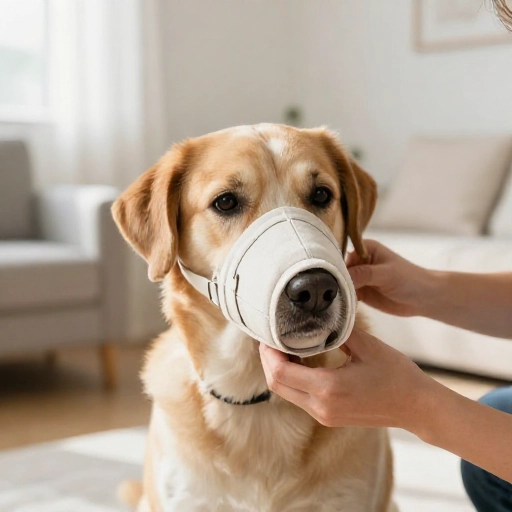
This one feels wrong, I know. But a dog in pain is not the dog you live with. Pain overrides personality, and even the sweetest senior can bite when something hurts.
If your dog is vomiting, having trouble breathing, or unresponsive, skip the muzzle and get moving instead. Otherwise, a simple muzzle gives everyone a safer ride.
No muzzle? A strip of soft cloth, a leash, or a rolled gauze band can work as a temporary snout wrap. Loop it gently around the muzzle, cross under the chin, and tie behind the ears — snug, never tight. Never leave it on unwatched, and never cover a dog who’s struggling to breathe.
Step 4: Control Bleeding and Cover Open Wounds
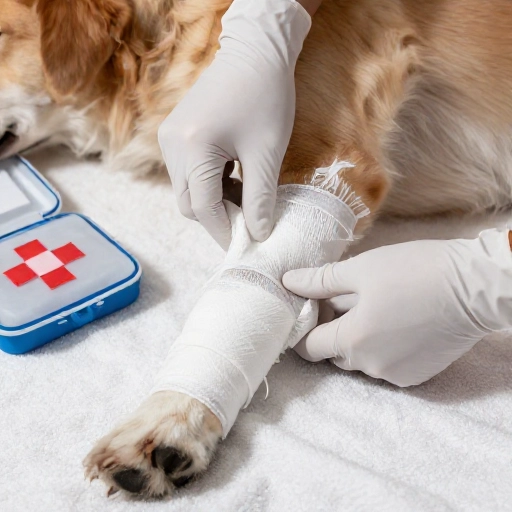
Bright red blood that spurts is an emergency — that’s a pressure job, not a wait-and-see job. I press firmly with the cleanest cloth I have and keep pressing.
The mistake I made the first time was lifting the cloth every few seconds to check. Don’t. Pressure needs time. If blood soaks through, add another layer on top instead of removing the first one.
For smaller cuts, a clean gauze pad plus gentle pressure is usually enough. I don’t pour anything on the wound and I don’t pull out embedded objects — I pad around them and let the vet handle it.
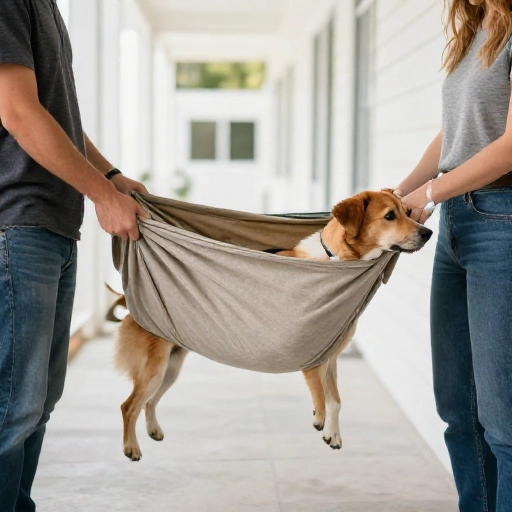
Step 5: Move Your Dog Safely — Support, Don’t Lift
Unless there’s immediate danger, like a busy road, I try not to move a dog who might have a spinal or back injury. But sometimes you have no choice.
For small dogs, I slide one hand under the chest and one under the hips so the spine stays level — no scooping under the belly like a baby. For big dogs, a blanket, towel, or sturdy board used as a stretcher works far better than my back does.
The rule I follow: keep the body as flat and straight as possible, and let three people help if there are three people available. Nobody’s pride is worth a worse injury.
Step 6: Watch for Shock — The Quiet Emergency
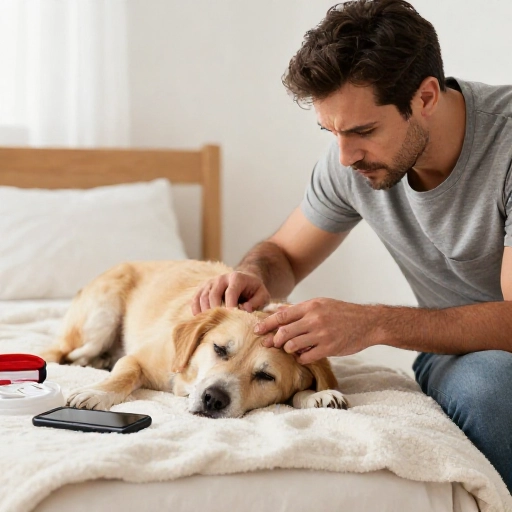
Shock is sneaky because it looks like calm. A dog in shock may go quiet, wobbly, or glassy-eyed, and their gums turn pale.
- Pale, grey, or white gums
- Cool ears and paws
- Rapid, weak pulse
- Shivering, confusion, or a blank stare
If I see those signs, I keep my dog warm with a jacket or blanket and call the vet on the way, not after. Shock is one of those things where minutes really do count.
Step 7: Call the Vet Before You Drive
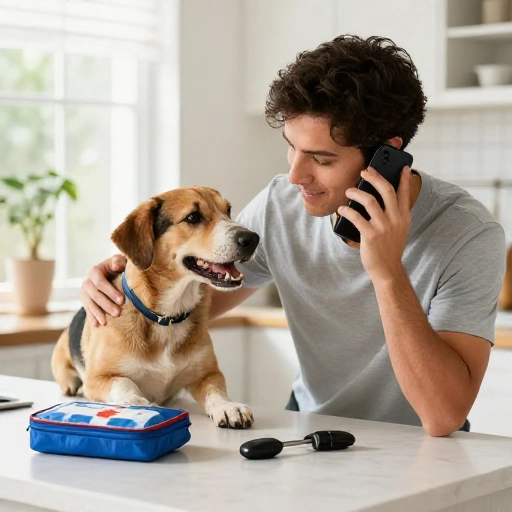
I used to just show up. Calling first has been better every single time — the team can tell me whether to come in, which location to go to, and what to do in the car.
Have these ready before you dial: what happened, roughly when, what you’ve already done, your dog’s age and weight, any medications they take, and whether they’re conscious and breathing normally.
If it’s after hours, know your emergency clinic’s address before you need it. I now keep mine saved in my phone as “DOG ER” so it shows up in two seconds.
Step 8: Keep the Car Ride Warm, Quiet, and Secure
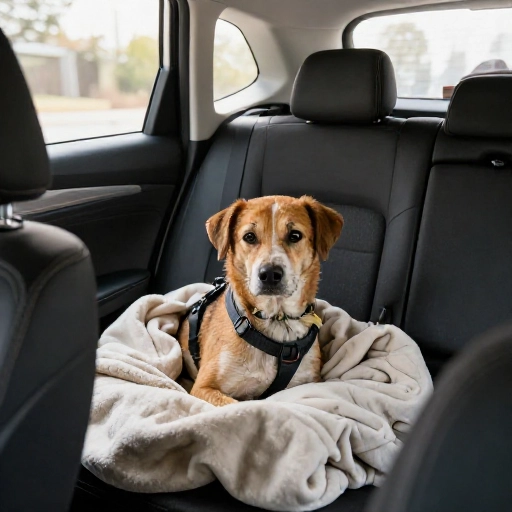
The ride is often the hardest part. My dog paces, whines, and tries to climb into my lap, which isn’t safe for either of us.
A crate or a seatbelt harness is the safest option. If neither is available, a second person in the back seat keeping the dog low and still beats letting them roam.
I keep the cabin warm, the radio off, and my voice low. No “you’re okay, buddy!” in a high squeaky tone — that amps them up. Calm and boring is the goal.
Step 9: Don’t Play Vet — What NOT to Do
I’ve had to talk myself out of doing helpful things. Here’s my personal do-not list.
- Don’t give human pain meds. Ibuprofen and acetaminophen are toxic to dogs.
- Don’t pull out sticks, glass, or anything embedded. You could trigger more bleeding.
- Don’t apply ice directly to skin or hold it there for long stretches.
- Don’t offer food or water if surgery might be needed.
- Don’t wait to “see how they are in the morning.”
Sticking to the basics — pressure, warmth, stillness, and a phone call — has never let me down.
Step 10: After the Emergency — Records, Rest, and Prevention
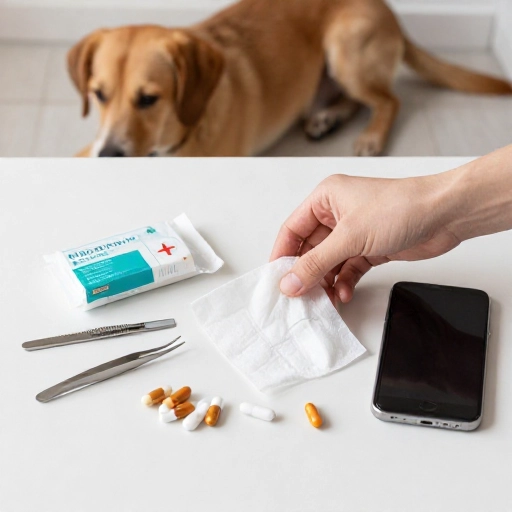
Once my dog is stable and home, the work shifts. I ask for a written summary of the diagnosis, meds, dosages, and any follow-up dates, and I keep it in one folder on my phone.
Restrictions matter more than I once believed. If the vet says no stairs, no jumping, and short leash walks only for two weeks, that’s exactly what happens. I’ve seen a healed leg re-injure because someone felt sorry and let the dog run.
Then I look at prevention. Boots for hot pavement, a ramp instead of couch leaps, a harness that fits properly, and a pet first aid kit in the car. Small changes, big payoff.
Final Thoughts From One Dog Parent to Another
The truth is, you don’t need to be a medical expert to help your dog in the first few minutes. You need to be calm, careful, and quick to call for backup.
Pressure on bleeding. Warmth for shock. Stillness for injuries. A phone call before the drive. That’s the whole game.
Save this post for the day you hope never comes — and if it already came, I hope your pup is home, warm, and snoring on the couch by now.
Frequently Asked Questions
Q: Should I move my injured dog right away?
A: Only if leaving them where they are puts them in more danger, like traffic or a falling object. Otherwise, keep them still and get help to you or move them with support under the chest and hips.
Q: Can I give my dog human pain reliever?
A: No. Common human pain meds like ibuprofen and acetaminophen can be seriously toxic to dogs. Call your vet or a pet poison hotline instead.
Q: What if my dog won’t let me near them?
A: That’s normal after an injury. Don’t force it. Keep other people and animals back, speak calmly, and call your vet for guidance on getting them in safely.
Q: How do I know if it’s an emergency or not?
A: Go now for pale gums, labored breathing, heavy bleeding, collapse, suspected broken bones, bloated abdomen, or a hit-by-car — even if your dog seems fine at first.
Q: Should I bring anything to the vet?
A: Yes — your dog’s medication list, a photo of the wound or injury scene if useful, and a leash and muzzle. A blanket from home also helps keep them calm and warm.