Stop Your Dog Barking at Dogs on Walks: 10 Calm-Walk Tricks That Actually Work
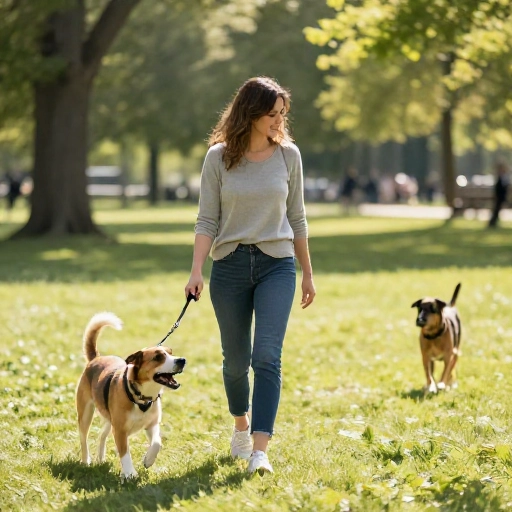
There was a time when I dreaded turning the corner of my own street. My dog would spot another dog three blocks away, his whole body would go stiff, and then the barking would start — loud, frantic, and impossible to talk him out of. I’d smile awkwardly at the other owner, drag him home, and feel like I’d failed him.
If that sounds familiar, take a breath. Your dog isn’t mean, and you’re not a bad owner. Barking at other dogs on walks is one of the most common things I hear about, and it’s usually rooted in fear, frustration, or excitement — not aggression.
What changed things for me wasn’t a magic command. It was a handful of small habits, repeated patiently, until walks stopped feeling like a battle. Here’s exactly what worked.
1. Figure Out What’s Really Behind the Barking
Before I changed a single thing about our walks, I spent a week just watching. Not correcting, not pulling — watching. When did my dog bark? How far away was the other dog? Was his tail high and stiff, tucked low, or wagging in a wild circle?
That week taught me more than any video ever did. His barking wasn’t random. It happened at a very specific distance — about half a block. Closer than that, and he was too far gone to think.
Three common drivers show up again and again:
- Fear or nerves — the dog wants the other one to go away.
- Frustration — your dog wants to say hi but the leash won’t let him.
- Over-excitement — the leash turns normal curiosity into a firework.
Once I knew which one I was dealing with, my training finally made sense instead of feeling like guesswork.
2. Distance Is Your Best Friend (and It’s Free)
Here’s the biggest shift I made: I stopped trying to walk past other dogs. Instead, I started keeping my dog far enough away that he could still notice a dog and stay calm.
That distance has a name — it’s often called the “threshold,” the line where your dog goes from thinking to reacting. My job was to stay on the calm side of that line. If I crossed it, no amount of treats or commands would work.
Practically, that meant crossing the street, walking on the other side of a parked car, or turning into a driveway and waiting. It looked a little odd at first. It also worked.
Over weeks, I noticed the distance shrinking on its own. He could handle forty feet, then thirty, then twenty. I never pushed it. I let him tell me he was ready.
3. Teach a “Look at Me” Cue Before You Need It
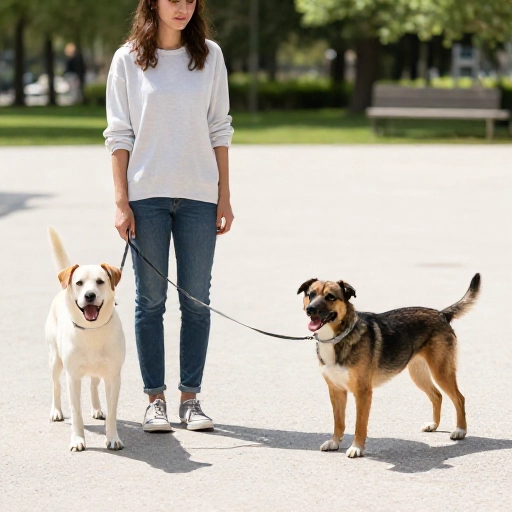
A dog who’s staring at another dog can’t hear you. So I taught mine to look at me instead, and I taught it at home, in the kitchen, with zero distractions.
I’d say his name in a cheerful voice and the second his eyes met mine, treat. That’s it. Ten reps, three times a day, in a boring room. No other dogs, no park, no pressure.
Then I practiced in the backyard. Then on a quiet street. Then on a slightly busier one. By the time a real dog appeared, the habit was already built — and it gave him something to do with his eyes besides staring.
Now when I see a dog coming, I say his name, he checks in, and I pay him like he just won the lottery. That little glance breaks the whole barking chain before it starts.
4. Learn the “Let’s Go” U-Turn
Sometimes you just need to leave. Not in a panic — calmly, cheerfully, like it was the plan all along.
I trained a simple U-turn at home. I’d say “let’s go,” turn, and reward my dog for following. We did it in hallways, doorways, and around the living room sofa until it felt like a game.
Then on walks, when I spotted a dog that was too close or my dog was already stiffening, I’d chirp “let’s go!” and we’d simply walk the other way. No yanking, no scolding, no drama.
The first few times, he was confused. After a couple of weeks, it became our reset button. Turning away is not quitting — it’s protecting your dog’s ability to stay calm, which is the whole goal.
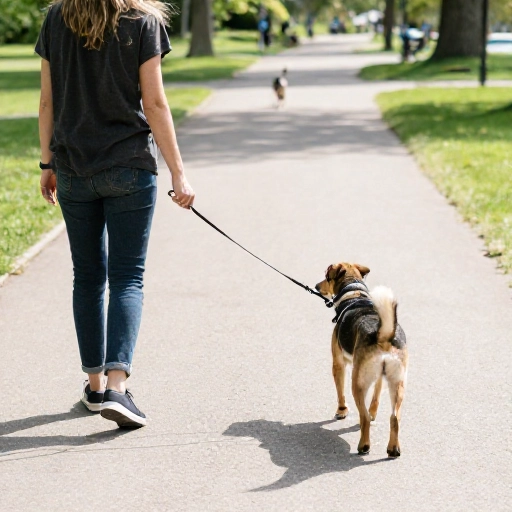
5. Don’t Walk Straight at Other Dogs — Curve Instead
This one felt like a secret when I learned it. Dogs find head-on approaches intense. Walking directly toward another dog is basically a staring contest with a stranger.
So instead of a straight line, I started walking gentle arcs. If I couldn’t cross the street, I’d drift slightly to the side, keep my body relaxed, and give us both some breathing room.
Curving also means you’re moving away rather than closing in, which lowers the pressure for both dogs. I noticed my dog stayed looser, and so did the other dog, which meant fewer reactions all around.
Small geometry change, big difference. Try it on your next walk and watch your dog’s body language.
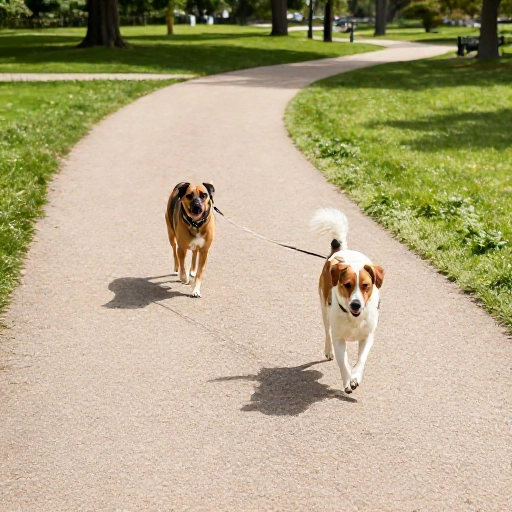
6. Get Your Treat Timing (and Value) Right
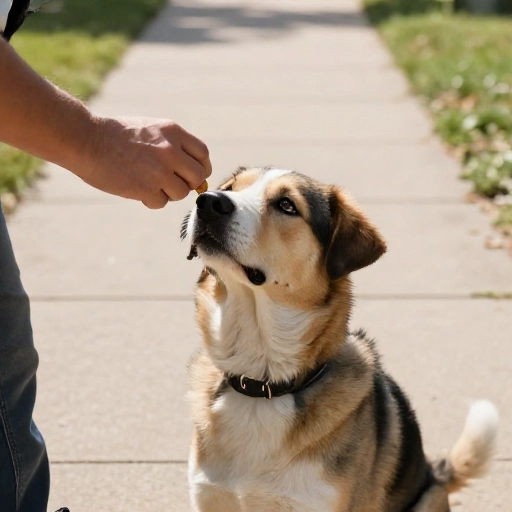
For months I was rewarding too late. I’d wait until my dog was quiet after barking, hand over a biscuit, and wonder why nothing changed. The problem was that I was paying him for the wrong moment.
The treat needs to land while your dog is still calm and looking at the other dog without reacting. That’s the instant you’re buying.
Also, boring kibble won’t cut it outside. I switched to real, smelly stuff — tiny bits of chicken, cheese, or freeze-dried liver. Something he’d never get on a normal Tuesday.
- Treat the calm glance, not the silence after a bark.
- Keep pieces pea-sized so you can reward often.
- Use the good stuff only for walks — it stays special.
I also learned to feed treats facing away from the other dog, so my dog turned his head and broke his stare naturally.
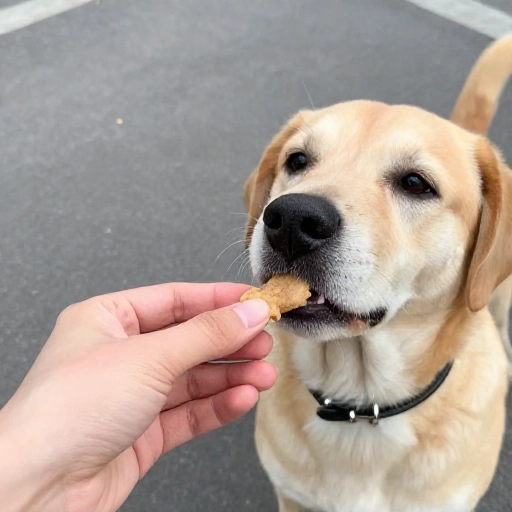
7. Practice With a Calm, Patient Decoy Dog
Real walks are chaotic. That’s why I set up easy practice sessions with a friend who had a bombproof, friendly dog.
We’d start far apart — way farther than felt necessary — on a quiet street or in a park at a slow hour. My friend would walk her dog back and forth while I rewarded mine for looking, then checking in with me.
If my dog stayed relaxed, we’d shorten the distance a few steps. If he got tense, we’d add it back. No egos, no rushing. Her dog didn’t care one bit, which made it the perfect setup.
Two or three of these sessions a week moved us forward faster than months of accidental encounters on regular walks.
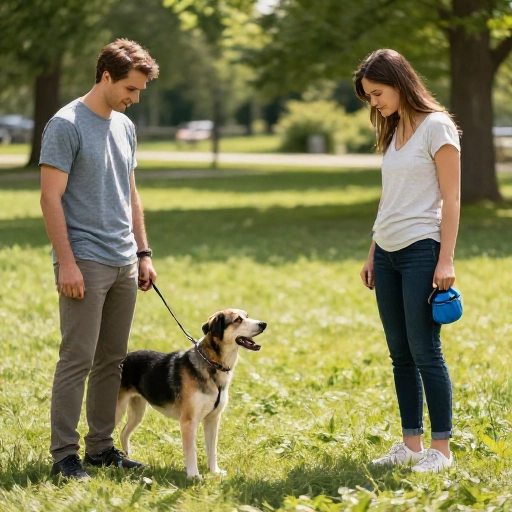
8. Loosen the Leash and Relax Your Own Body
I had no idea how much I was contributing until a trainer pointed it out. I was gripping the leash tight, holding my breath, and stiffening every time I saw a dog in the distance. My dog read that as “danger ahead.”
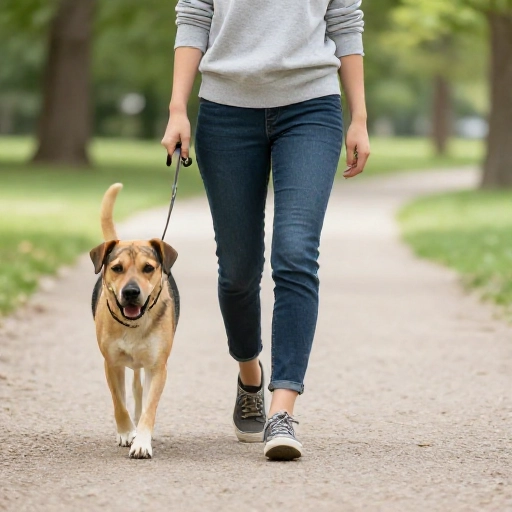
So I started practicing what I call the loose-leash breath. Long exhale, soft hands, relaxed shoulders, normal pace. I even started chatting to him in a light, casual voice about nothing at all.
A tight leash pulls a dog forward and up, which makes reacting easier. A slack leash gives him room to make better choices.
It sounds too simple, but when I relaxed, he relaxed. Our walks still surprise me with how much calmer they feel.
9. Have a Plan for Bad Days (and Use Them)
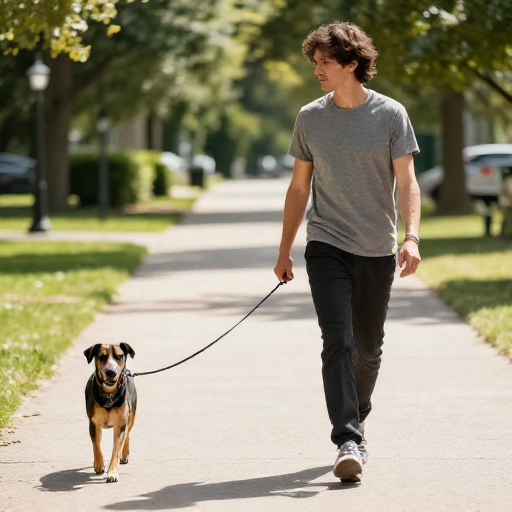
Not every walk will be a win, and that’s fine. On rough days, I shortened our route, walked at quieter times, and used visual blockers like parked cars, hedges, and the far side of the street.
Early mornings and late evenings became our golden hours. Fewer dogs, less noise, and way more chances for my dog to practice being calm instead of getting flooded.
If I saw two or three dogs in a row and my dog was already over threshold, I’d end the training part and just get us home. There’s no point drilling a skill when your dog’s brain has clocked out.
Managing the environment isn’t cheating. It’s how you build the calm behavior in the first place.
10. Track Tiny Wins and Stay Consistent
The change didn’t happen in a week. It happened in a slow, satisfying trickle of small moments — a dog passing on the other side of the street and my dog looking at me instead of lunging.
I started keeping a mental note of every calm pass. Three in one walk felt huge. I also stopped measuring progress by “did he bark?” and started measuring it by “how quickly did he recover?”
Consistency beat intensity, every time. Five calm minutes a day did more than one heroic hour-long walk on the weekend.
If you take one thing from this, let it be that: short, easy, repeated wins are what rewire the habit.
Final Thoughts
Your dog isn’t broken and neither are you. Barking at other dogs on walks is a skill problem, and skills can be taught — usually with distance, treats, and a lot more patience than you expected.
Start with the easy stuff. Watch your dog. Keep your distance. Reward the glance. Turn away when you need to. Then let time do its quiet work.
One day you’ll notice you walked past another dog without either of you making a sound. That moment is worth every awkward driveway wait.
Frequently Asked Questions
How long does it take to stop a dog barking at other dogs on walks?
It depends on how long the habit has been running, but most people notice real improvement in four to eight weeks of consistent daily practice. Dogs who are very fearful can take longer. The key is short, calm sessions rather than one long walk.
Should I punish my dog for barking at other dogs?
No. Scolding or leash jerks usually add stress to an already stressful moment, which can make the barking worse. Rewarding calm behavior and creating distance works far better.
What if my dog is fine with some dogs but loses it at others?
That’s really common. Certain sizes, coats, or bouncy energy can be more triggering. Treat each dog as its own puzzle and keep more distance from the ones that set your dog off.
Can I still take my dog on normal walks while training?
Yes — but plan them. Pick quieter routes and times, and stay far enough away that your dog can stay calm. Every relaxed pass is a training rep, even if you didn’t plan it.
Is it ever okay to just avoid other dogs completely?
On hard days, absolutely. Avoiding a reaction isn’t failure — it’s protecting the progress you’ve built. Just balance it with deliberate, controlled practice when your dog is fresh and ready.