The Complete Preventive Care Checklist for Adult Dogs: 10 Must-Do Steps for a Longer, Happier Life

I used to be that dog mom who only called the vet when something was wrong. Then my 6-year-old lab mix, Cooper, started slowing down on our walks. A simple blood test caught an early thyroid issue—and that changed everything. Preventive care isn’t just about avoiding emergencies. It’s how I keep Cooper playful, comfortable, and by my side for as long as possible.
If you’re like me, you want a clear plan, not a guilt trip. So I put together the exact checklist I use every year for my adult dogs. It’s simple, doable, and covers everything from teeth to tail. Save this to your dog board, print it out, and bring it to your next vet visit.
Here are the 10 steps I never skip. Your dog doesn’t need a perfect owner—just a consistent one.
1. Book That Annual Wellness Exam (Even If Your Dog Seems Fine)
Dogs are masters at hiding discomfort. A yearly exam gives your vet a baseline—weight, heart rate, temperature, and a full nose-to-tail check. I schedule Cooper’s visit around his birthday so I never forget.
During the exam, I ask about any tiny changes: slower on stairs, louder breathing, new lumps. Those small notes often turn into early answers.
For adult dogs (1–7 years), one visit a year is usually enough. Seniors or dogs with chronic issues may need twice-yearly checks.
2. Stay on Top of Vaccines and Titers
Core vaccines like rabies, distemper, and parvovirus are non-negotiable. But I also talk to my vet about titer tests—blood tests that show if my dog still has immunity. Sometimes we skip a booster because the titer says he’s covered.
Lifestyle matters too. If your dog goes to daycare, the dog park, or hiking trails, you might need extra vaccines like bordetella or leptospirosis.
I keep a simple vaccination record in my phone. It makes boarding and travel so much easier.

3. Never Skip Parasite Prevention
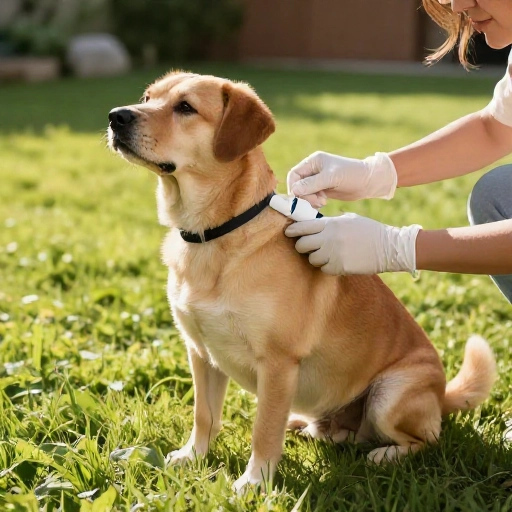
Fleas, ticks, heartworms, and intestinal worms don’t take a season off. I use year-round prevention because my vet explained that mosquitoes (heartworm carriers) can survive indoors in winter.
I rotate products based on my dog’s risk: a chewable for heartworms, a topical for ticks, and a fecal test once a year. Yes, it adds up—but treating heartworm disease costs thousands and puts my dog through hell.
Quick tip: mark your calendar for the same day each month. I use a phone reminder so I never miss a dose.
4. Brush Those Teeth (Yes, Really)
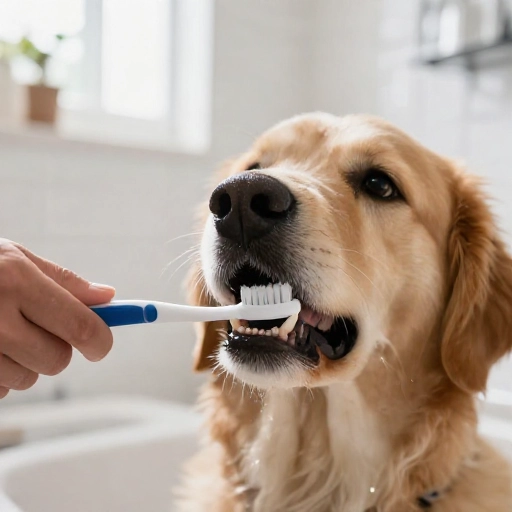
By age three, most dogs have some periodontal disease. I know—it sounds gross. But bad teeth lead to pain, infections, and even heart issues. I brush Cooper’s teeth three times a week with dog-safe toothpaste.
If brushing is a battle, try dental wipes or a water additive. Dental chews help too, but they’re not a substitute for real cleaning.
Your vet should check for tartar and gum redness at every exam. A professional cleaning under anesthesia might be needed every 1–3 years.
5. Do the Rib Check (and Track Your Dog’s Weight)
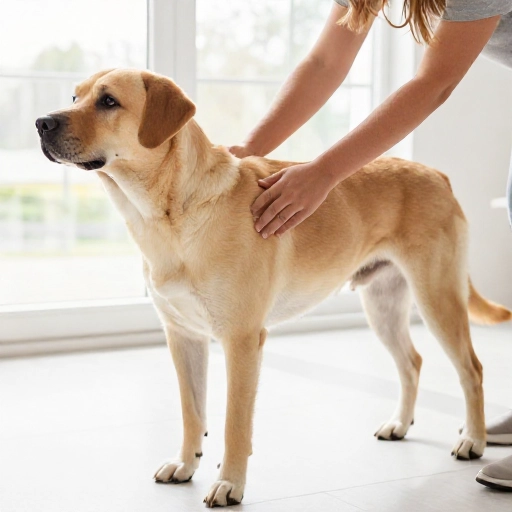
Obesity is the most common preventable health problem in adult dogs. I do a simple rib check every two weeks: I should feel his ribs easily, with a thin layer of fat. If I have to press hard, he’s carrying extra weight.
I also weigh him on the same scale at the vet or a pet store. Even a 2-pound gain on a 20-pound dog is like 10 pounds on a human.
If the number creeps up, I cut treats by half and add an extra 10 minutes to our walk. Small changes add up.
6. Feed a Balanced Diet and Watch Hydration
I used to free-feed, but now I measure meals with a real measuring cup. Portion control is everything. I look for a food that meets AAFCO standards and lists a named meat first.
Treats should be no more than 10% of daily calories. I use green beans, carrots, or a single piece of kibble as rewards.
Fresh water should always be available. I wash the bowl daily—slime happens fast. If your dog drinks a lot more or less than usual, call your vet.

7. Exercise Their Body and Their Brain
Adult dogs need physical activity and mental work. A bored dog chews furniture, digs, or barks. I aim for at least 30–60 minutes of walking or play daily, depending on breed and age.
Mental stimulation is just as important. I use puzzle feeders, snuffle mats, and short training sessions. Five minutes of “find it” games tires Cooper out more than a mile run.
Adjust for weather and your dog’s joints. If it’s hot, walk early. If it’s icy, booties help. Consistency beats intensity.

8. Groom and Check Their Skin Weekly
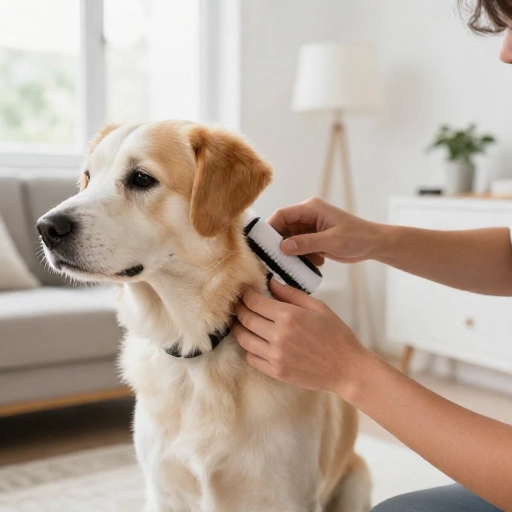
Grooming isn’t just about looks. I run my hands over Cooper’s whole body every week—especially ears, paws, and belly. I’m looking for lumps, bumps, redness, fleas, or ticks.
I clean his ears with a vet-approved solution if they look dirty. Never stick cotton swabs deep into the ear canal. For nails, I trim every 3–4 weeks. Long nails change how they walk and hurt their joints.
Bathing every 4–8 weeks (or as needed) keeps skin healthy. Use a dog-specific shampoo, not human shampoo.
9. Protect Those Joints Before They Hurt
Large breeds and active dogs are prone to arthritis. I keep Cooper lean, avoid high-impact jumps on hard floors, and give joint supplements with glucosamine and omega-3s (after asking my vet).
Watch for subtle signs: reluctance to go up stairs, lagging on walks, or licking a specific joint. Early intervention can mean years of comfortable movement.
I also add non-slip rugs on hardwood and a ramp for the car. Small home changes make a big difference.
10. Get Baseline Bloodwork and Senior Screening
Starting around age 7 (or 5 for giant breeds), I ask for annual bloodwork. It checks liver, kidney, thyroid, and blood sugar. Catching a problem early is cheaper and kinder than waiting for symptoms.
A urinalysis and fecal test are part of the package. I also ask my vet to check blood pressure if my dog is anxious or older.
These tests give me peace of mind. Even if everything is normal, I have a baseline for next year.

Final Thoughts: Consistency Over Perfection
Preventive care for adult dogs isn’t about doing everything perfectly. It’s about showing up—year after year—with a simple plan. I keep this checklist on my fridge and check off each item as I go.
Your dog doesn’t need a fancy life. They need you to notice the small stuff, ask questions, and act early. That’s how you get more good years together.
Frequently Asked Questions About Dog Preventive Care
Q: How often should an adult dog see the vet?
A: For healthy adult dogs, once a year is standard. Seniors or dogs with health issues may need every 6 months.
Q: Is brushing my dog’s teeth really necessary?
A: Yes. Dental disease is one of the most common issues in adult dogs. Brushing a few times a week prevents pain and expensive cleanings.
Q: What if I miss a month of flea and tick prevention?
A: Don’t panic—just restart right away. But try not to skip, because parasites can sneak in fast, especially in warm months.
Q: How do I know if my dog is at a healthy weight?
A: You should feel their ribs easily without pressing hard. From above, you should see a waist. From the side, their belly should tuck up.
Q: When should I start senior bloodwork?
A: Around age 7 for most dogs, or age 5 for giant breeds. Your vet can recommend the best timing based on your dog’s breed and health.