Interior Dog Door: Room-to-Room Freedom for a Happier Home
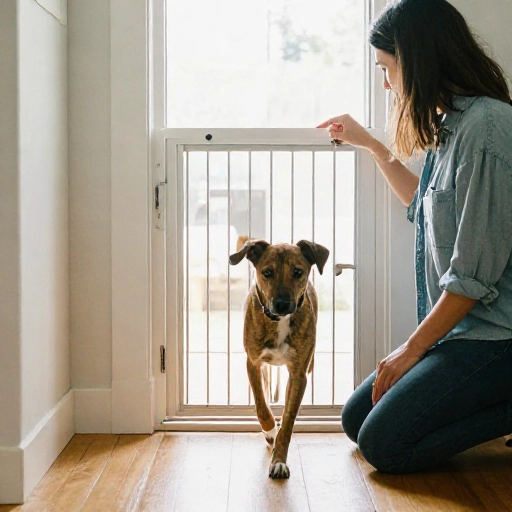
I used to play doorman for my dog twenty times a day. He wanted in the living room, then out to the kitchen, then back to the bedroom—all within five minutes. It was cute for about a week. Then it got old.
An interior dog door changed everything. Instead of me jumping up every time he wanted a change of scenery, he now has room-to-room freedom. He naps where the sun is, checks on me while I cook, and settles in his favorite spot without waiting for me to open a door.
If you’re tired of being a full-time door attendant, an interior dog door might be your new best friend. Here’s how to choose, install, and enjoy one—without turning your home into a construction zone.
1. Why Room-to-Room Freedom Matters for Dogs
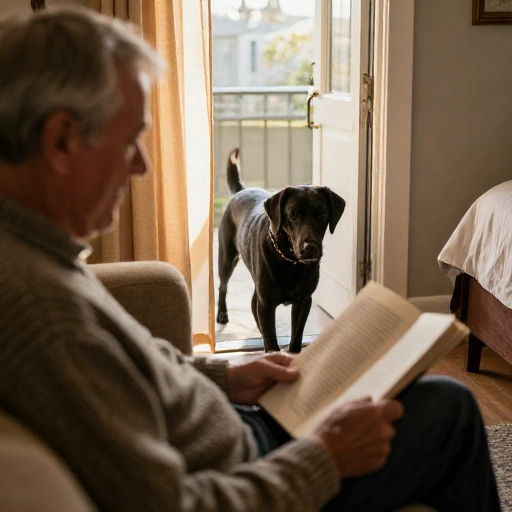
Dogs are social creatures, but they also love choices. When they can move between rooms on their own, they feel more in control of their little world. That independence can reduce whining, pacing, and that sad stare at the closed door.
For me, the biggest win was less interrupted work. My dog stopped scratching at the office door because he could come and go as he pleased. He’d curl up under my desk, then wander to the couch for a nap.
It also helps with energy management. A dog that can check out different rooms is often calmer than one stuck in a single space all day.
2. Pick the Right Spot for Your Interior Dog Door
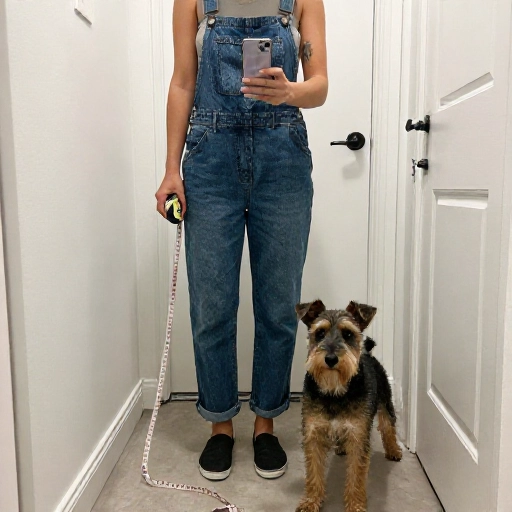
Location is everything. You want a spot that fits your dog’s favorite routes—like between the kitchen and living room, or the bedroom and hallway. Watch your dog for a day and note where they ask to go most.
Think about traffic flow, too. A door in the middle of a busy walkway will get bumped and scratched. A corner or less-used wall often works better.
Also check what’s on the other side. Is there a stairway right behind the door? A heating vent? A piece of furniture? You don’t want your dog popping through and landing in a hazard.
3. Types of Interior Dog Doors to Consider
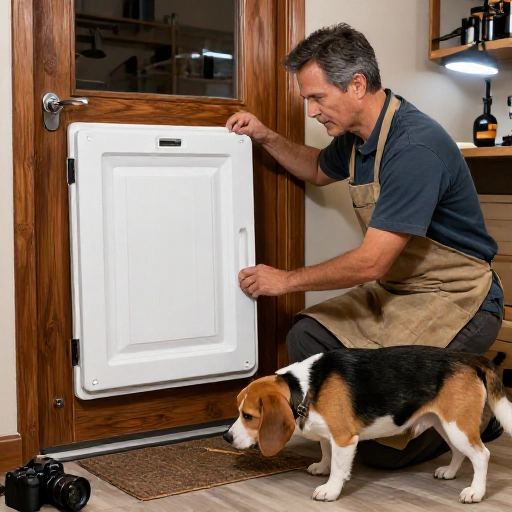
There are more options than you might think. The classic flap door is simple, affordable, and easy to install in a wall or door. It’s a great starter choice for most homes.
Sliding glass door inserts work well if you rent or don’t want to cut into a wall. Electronic doors are pricier but can be programmed to open only for your dog’s collar tag—handy if you have cats or want extra security.
For a polished look, wall-mounted doors with frames and weatherstripping can blend right in. Just measure twice and choose a size that fits your dog comfortably.
4. Measure Your Dog (Not Just the Breed)
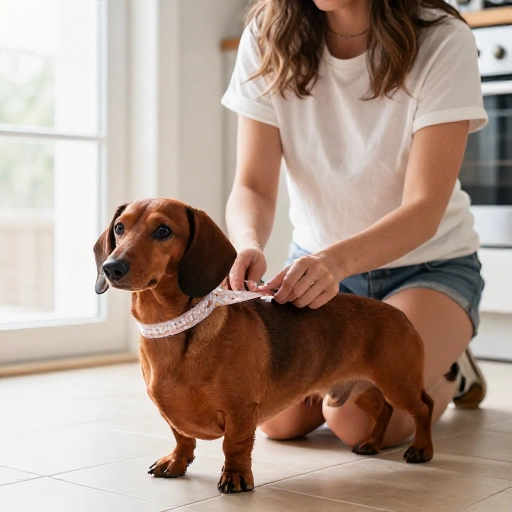
Breed labels lie. Two labs can be very different sizes. The best way to pick a door is to measure your dog’s height and width at the widest point—usually the chest or shoulders.
Add a couple of inches of wiggle room so they can pass through without scraping. The door opening should be tall enough for them to walk through without ducking, and wide enough for their body.
If you have a puppy, remember they’ll grow. It’s usually better to size up than to install a door they’ll outgrow in six months.
5. Renting? Try Reversible and No-Damage Options
I rented for years, so I know the pain of wanting a pet door without losing a deposit. Luckily, there are renter-friendly solutions. A sliding door insert is one of my favorites because you can remove it when you move.
There are also interior dog doors that fit into a door panel rather than the wall. You can swap the door back or take the insert with you. Some tension-mounted gates and freestanding panels create a temporary passage, too.
Always check your lease first. A quick chat with your landlord can save you a headache later.
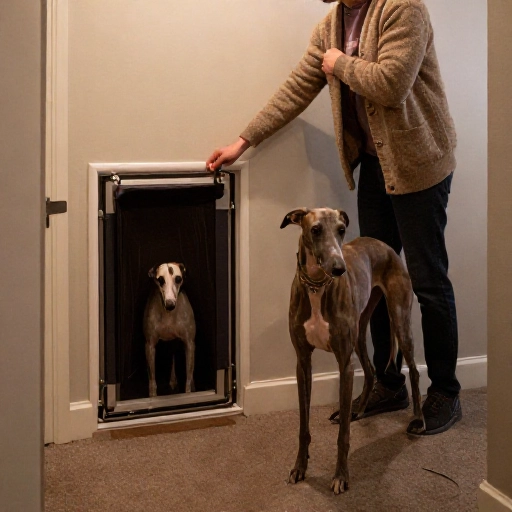
6. Training Your Dog to Use an Interior Door
Most dogs catch on fast, especially if treats are involved. Start by propping the flap open so your dog can see and walk through without resistance. Toss a treat to the other side and cheer when they go for it.
Once they’re comfortable, lower the flap a little at a time. Let them push through with their nose or paw. Keep sessions short and happy—five minutes is plenty.
Never force or scare your dog through the door. If they’re hesitant, go back a step and use higher-value treats. Patience wins every time.
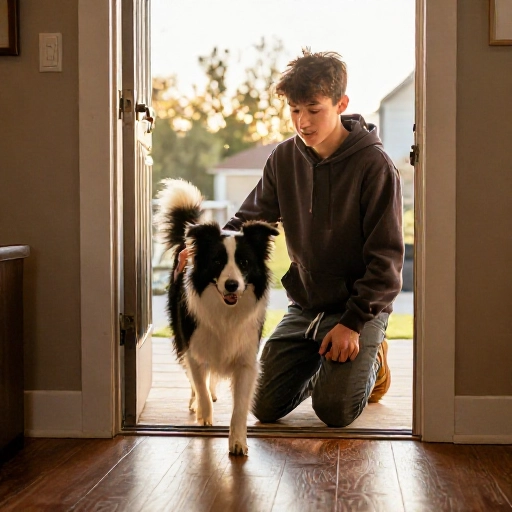
7. Safety First: Stairs, Other Pets, and Kids
An interior dog door gives freedom, but it also gives access. Before you install one, think about what’s on the other side. If there’s a staircase, a pool, or an outside door, you may need a gate or a locking door.
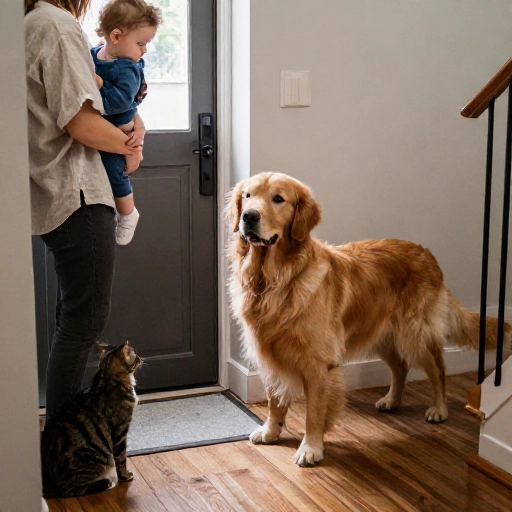
Multi-pet homes need a plan, too. A small dog might not want the big dog following them into the laundry room. Electronic doors with collar tags can let one pet through while keeping others out.
Kids are another consideration. Curious toddlers can fit through pet doors, so choose a location that keeps everyone safe.
8. Style, Noise, and Comfort
I didn’t want my home to look like a kennel. Fortunately, interior dog doors come in colors and finishes that match trim, doors, and walls. You can even paint some models to blend in.
Noise matters more than you’d think. A cheap plastic flap can clack all night. Look for soft, flexible flaps and magnetic closures that seal quietly. Some doors have silent hinges, too.
If your dog is a light sleeper—or you are—a quiet door is worth the upgrade.
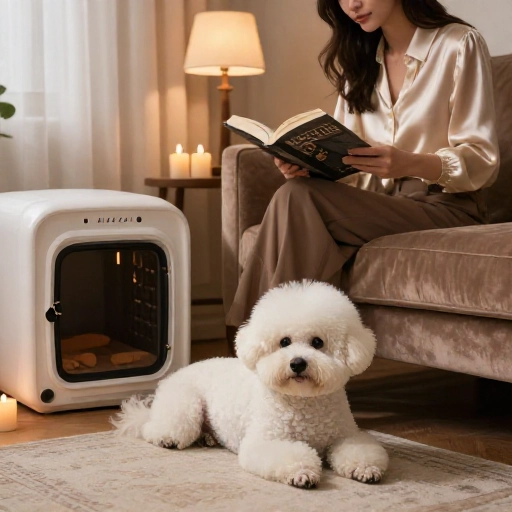
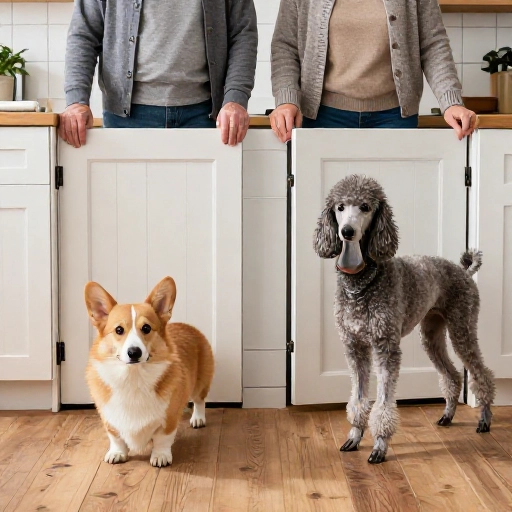
9. Managing Multi-Pet and Multi-Room Homes
With more pets, an interior dog door can be a blessing or a chaos portal. The key is setting boundaries. Maybe the cat’s food lives in a room only the cat can access. Maybe the senior dog gets a quiet retreat.
You can use a mix of regular pet doors, electronic doors, and baby gates to create zones. I like to map out who needs to go where before I buy anything.
Rotate access if needed. A door that’s open during the day can be closed at night to keep everyone calm.
10. Maintenance and Cleaning Tips
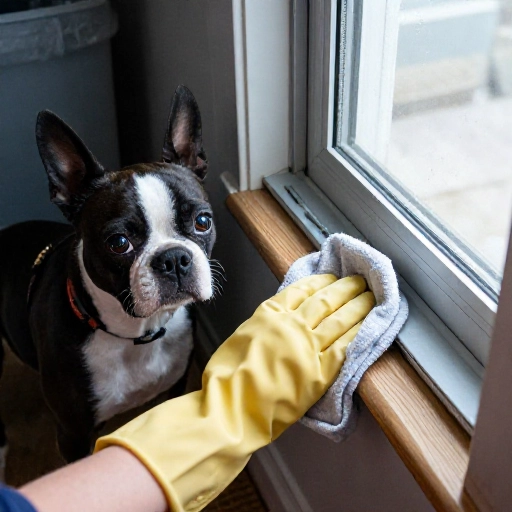
Pet doors collect hair, dust, and nose prints. I keep a microfiber cloth and pet-safe cleaner nearby, and I wipe the flap once a week. It takes thirty seconds and keeps things looking fresh.
Check the hinges and screws monthly. Dogs can be surprisingly strong, and a loose door can become a rattle or a safety issue. Tighten what needs tightening.
If you notice odors, clean the frame and the surrounding wall. A little baking soda or enzyme cleaner can work wonders. Regular maintenance keeps your interior dog door working smoothly for years.
Final Thoughts
An interior dog door is one of those small home upgrades that makes a big difference. It gives your dog room-to-room freedom, cuts down on door drama, and lets you get on with your day.
Start by watching your dog’s routines, choose a safe location, and pick a door that fits your space and budget. With a little training and maintenance, you’ll wonder how you ever lived without it.
FAQ
Q: Will my dog actually use an interior dog door?
A: Most dogs love them once they understand. Start with the flap propped open and reward every step. If your dog is shy, give it a few days.
Q: Can I install an interior dog door in a rental?
A: Yes, look for sliding door inserts or door-mounted models that don’t damage walls. Always check your lease and get permission if needed.
Q: How do I stop one pet from using it?
A: An electronic door with a collar tag is your best bet. You can also use gates and separate zones to control access.
Q: Do interior dog doors make a lot of noise?
A: Some do, but you can choose soft flaps and magnetic closures. A little felt padding on the frame can also quiet a rattling door.
Q: What size door does my dog need?
A: Measure your dog’s height and widest body point, then add two inches. When in doubt, size up—especially for puppies.