10 Must-Try Meals for a Stronger, Healthier Dog (Easy & Vet-Approved!)
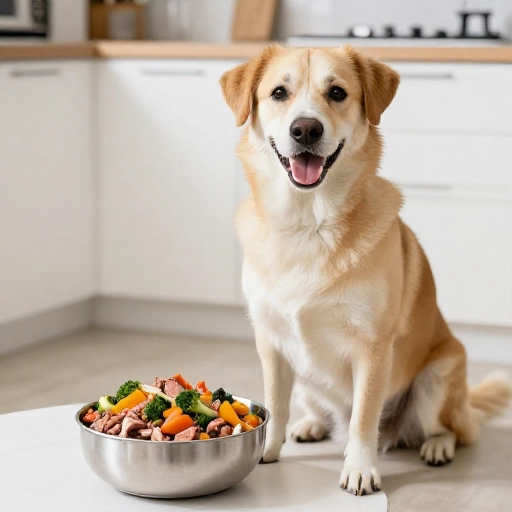
Let’s be honest—our dogs are family. And just like the rest of the family, they deserve food that fuels them from the inside out. But with so many commercial kibble options out there, it’s easy to wonder: Am I really giving my pup the best?
The good news? You don’t need to be a gourmet chef to whip up meals that make your dog’s tail wag with pure joy. I’m talking simple, wholesome ingredients that support shiny coats, strong muscles, and endless energy. These 10 recipes are my absolute go-tos, and I’m so excited to share them with you today.
From protein-packed bowls to veggie-loaded stews, each one is designed to be as delicious as it is nutritious. Grab your apron (and maybe a drooling buddy), and let’s get cooking!
Why Homemade Meals? The Health & Nutritional Benefits for Dogs
Making your dog’s food at home puts you in total control. You know exactly what’s going into their bowl—no mystery fillers, artificial preservatives, or excessive salt. This is huge for pups with sensitive stomachs or allergies.
Plus, fresh ingredients retain more nutrients. When you gently cook lean proteins and vibrant veggies, you’re delivering a powerhouse of vitamins and minerals that support everything from joint health to a stronger immune system. I’ve seen my own dog’s energy skyrocket and his coat get impossibly shiny since we made the switch to fresh meals.
It’s not about being perfect; it’s about giving them the good stuff. Every single one of these meals is packed with high-quality protein for muscle maintenance and healthy carbs for lasting energy, making them perfect for active pups and senior dogs alike.
Kitchen Equipment & Tools You’ll Need
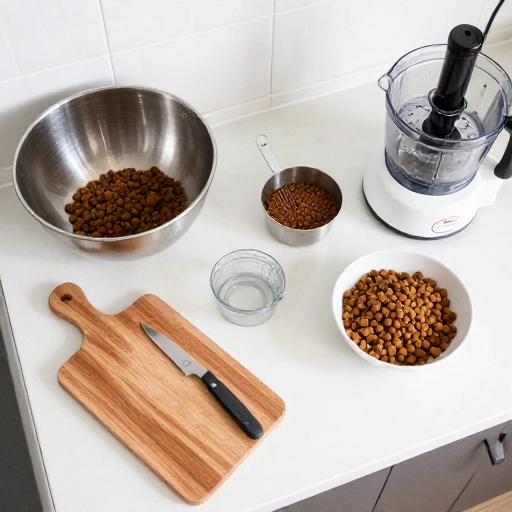
Before you start, let’s make sure you’ve got the right tools. You don’t need anything fancy—just the basics that make prepping these meals a breeze. I promise, this is a low-fuss process.
- A large stockpot or Dutch oven: Perfect for stews and big-batch cooking.
- A non-stick skillet: Great for browning ground meats and sautéing veggies.
- A sharp chef’s knife and cutting board: For safe and easy veggie prep.
- A food processor or blender: Super helpful for pureeing veggies for picky eaters (or for smaller dogs that need softer food).
- Measuring cups and spoons: To keep the nutrient ratios balanced.
- An instant-read meat thermometer: Ensures proteins are cooked to a safe internal temperature.
- Airtight glass containers: For storing portions in the fridge or freezer.
Having these on hand makes the whole process feel effortless. Once you’re set, the fun part begins!
Ingredients List & Safe Substitutions
Here’s the beautiful thing about these recipes—they’re flexible! I’ll give you the core ingredients, but you can absolutely swap things based on what your dog loves and what you have on hand. Always introduce new foods slowly.
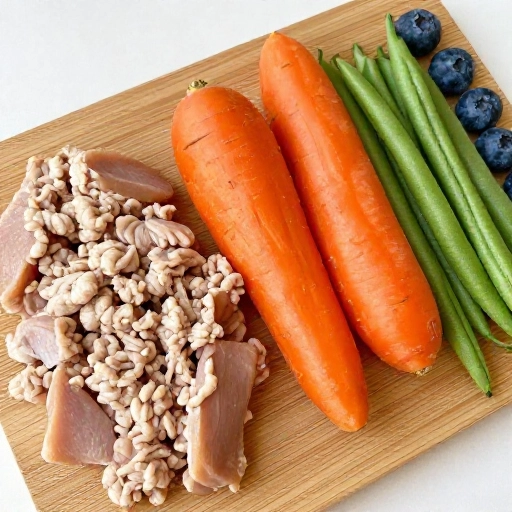
Core Protein Sources: Lean ground turkey, chicken breast, beef, or salmon are all excellent choices. Substitution: If your dog is sensitive to poultry, try lean pork or white fish like cod.
Healthy Carbs: Cooked sweet potatoes, brown rice, or quinoa provide amazing fiber and energy. Substitution: Pumpkin or butternut squash are great alternatives that also help with digestion.
Veggie Power: Carrots, green beans, spinach, and peas are my go-to picks. They’re packed with vitamins. Substitution: Zucchini or broccoli (steamed) work beautifully, too.
Healthy Fats: A splash of fish oil or a spoonful of plain canned pumpkin adds omega-3s for a glossy coat. Substitution: Flaxseed oil is a great plant-based alternative.
⚠️ Important: Absolutely NO onions, garlic, grapes, raisins, or xylitol (artificial sweetener). These are toxic to dogs. Stick to the safe list!
Step-by-Step Instructions & Preparation Guide
Alright, let’s get to the good stuff! Here’s how to make a basic batch of the “Power-Packed Turkey & Veggie Bowl”—it’s the recipe I make the most. It’s simple, quick, and my dog goes absolutely crazy for it.
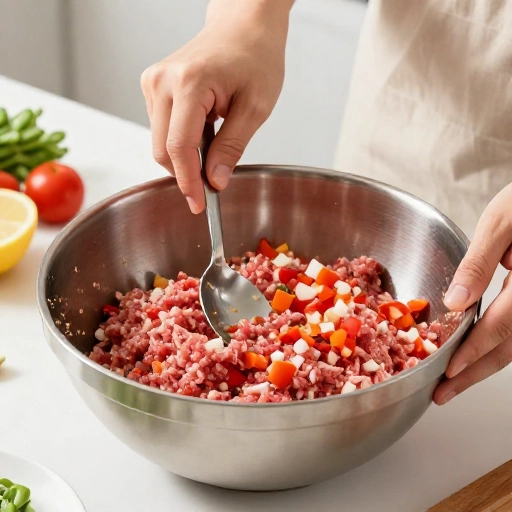
- Cook the protein: In your large skillet over medium heat, cook 1 lb of lean ground turkey until it’s fully browned and no longer pink. Break it up with a spatula as it cooks. Let it cool slightly.
- Steam the veggies: While the meat cooks, steam or boil 1 cup of chopped carrots and 1 cup of green beans until they’re tender but still have a little crunch. Drain them well.
- Mix it all together: In your big stockpot, combine the cooked turkey, steamed veggies, and 2 cups of cooked brown rice. Stir everything together gently.
- Add the good fats: Drizzle in 1 tablespoon of fish oil (or olive oil) and stir to coat everything evenly. This is where the magic happens for their skin and coat!
- Cool completely: This is crucial! Let the mixture cool to room temperature before serving. You don’t want to burn your pup’s mouth.
That’s it! You’ve just made a week’s worth of healthy, delicious food. You can easily swap the turkey for salmon or beef and change up the veggies for variety. Making a big batch on the weekend saves me so much time during the busy week.
Storage & Serving: Feeding Guidelines & Tips
Proper storage is key to keeping these fresh meals safe and tasty for your dog. Trust me, a little planning goes a long way here!
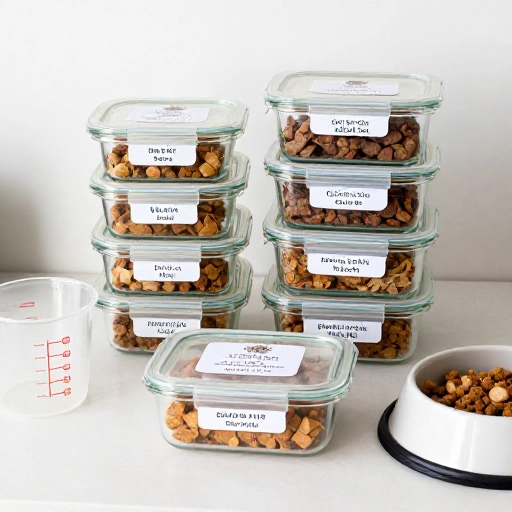
Refrigerator: Store your prepared meals in airtight glass containers in the fridge. They’ll stay fresh for up to 3-4 days. I like to portion them out into daily containers so meal time is a grab-and-go situation.
Freezer: You can freeze portions for up to 3 months. Freeze in single-serving silicone molds or freezer bags. Just thaw overnight in the fridge before serving.
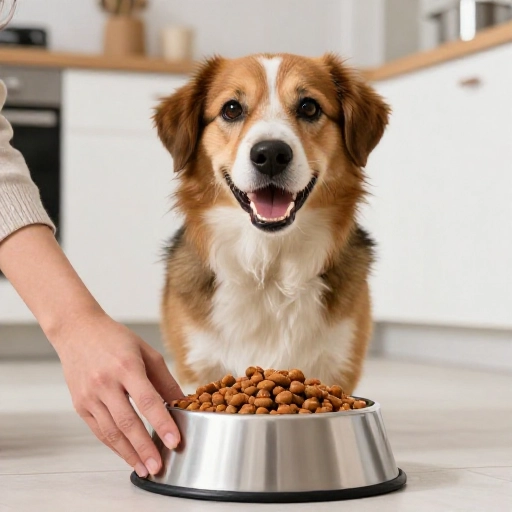
How much to serve? A good rule of thumb is to feed about 2-3% of your dog’s ideal body weight per day, divided into two meals. For example, a 50 lb dog would get about 1 to 1.5 lbs of food total daily. But every dog is different! Always start with less and adjust based on their energy levels and body condition.
Check with your vet if you’re unsure about portion sizes, especially for puppies or dogs with specific health conditions. And remember, these meals are meant to be a complete and balanced diet when using a variety of proteins and veggies, but it’s always a good idea to have a vet review your homemade recipe plan.
Final Verdict & Summary
Making the switch to homemade dog food has been one of the most rewarding things I’ve done for my furry best friend. The difference in his energy, his happy belly, and that undeniable sparkle in his eyes is all the proof I need.
These 10 meals are more than just food—they’re a love language. They’re a way to say “I care about you” in the most delicious way possible. You don’t have to be a chef to do this, and you don’t have to be perfect. Just start with one simple recipe, like the turkey bowl, and see the joy it brings.
Your dog doesn’t care if the carrots are chopped perfectly or if the rice is a little sticky. They just care that you made it with love. And that’s the best ingredient of all. Give one of these a try this week—I promise your good boy or girl will thank you with extra tail wags and sloppy kisses.
Frequently Asked Questions
Can I feed my dog these homemade meals every day?
Yes! These recipes are designed to be nutritionally balanced for everyday feeding. However, it’s crucial to rotate proteins and veggies to ensure they get a wide range of nutrients. Always consult with your vet to confirm the plan is right for your dog’s specific breed, age, and health needs.
How do I know if I’m feeding the right portion size?
Start with the 2-3% of body weight guideline and monitor your dog’s weight over a few weeks. You want to see a defined waist and be able to feel their ribs easily. If they’re gaining weight, cut back a bit; if they’re losing weight, add a little more.
My dog is a picky eater. What should I do?
Try mixing a small amount of the new homemade food with their current kibble and gradually increase the ratio over a week. The smell of fresh, real food is usually irresistible! You can also try warming the food slightly to release the aromas.
Can I use raw ingredients instead of cooked?
These specific recipes are for cooked meals. Gentle cooking makes nutrients easier to digest and eliminates bacteria risk. If you’re interested in a raw diet, it’s a completely different approach—please do a lot of research and talk to your vet first.
What if my dog has allergies?
That’s a great reason to cook at home! You have total control. Try a novel protein like salmon or duck, and stick to simple carbs like sweet potato. Keep a food diary to track which ingredients agree with them, and always introduce new foods one at a time.