How to Train a Siberian Husky: A Real Owner’s Guide
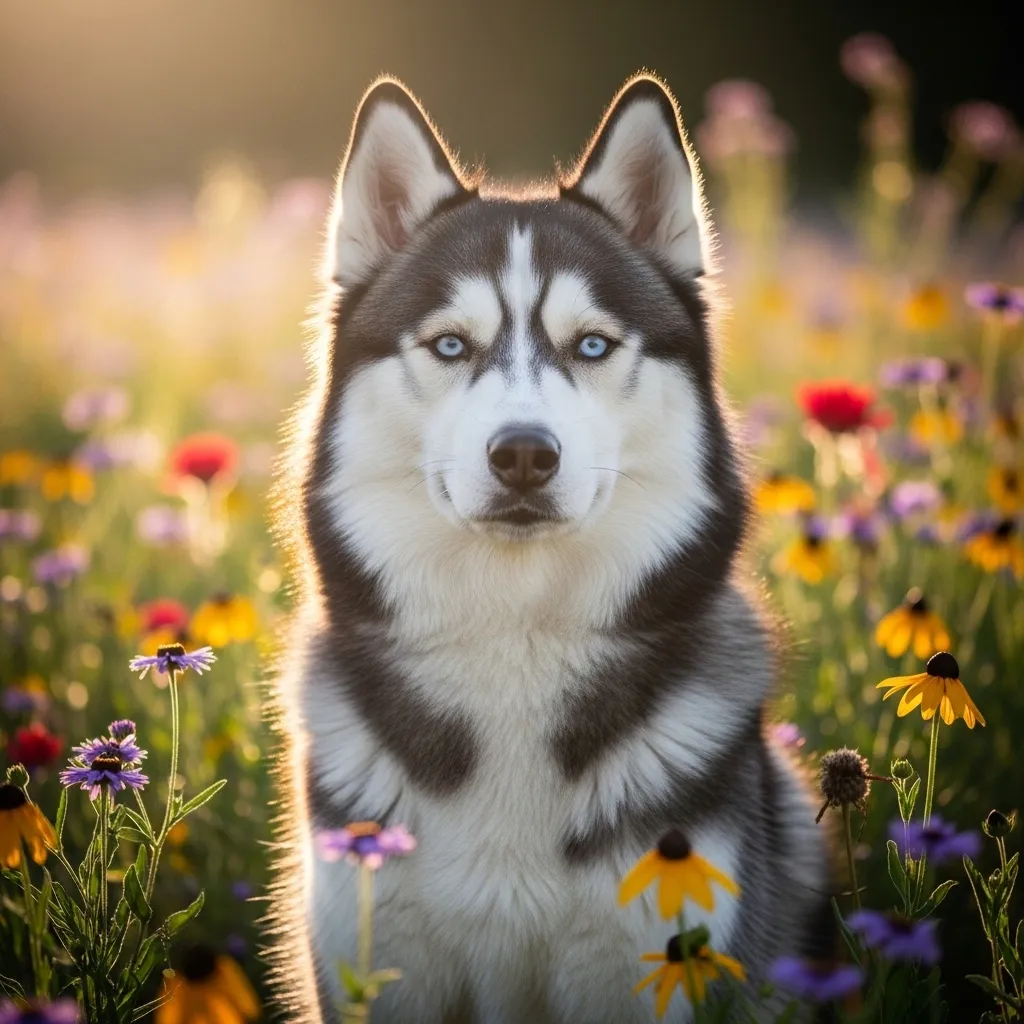
Bringing a Siberian Husky into your life is like inviting a whirlwind of energy, intelligence, and stubborn charm into your home. I remember the first day my Husky, Luna, bounded through the door—full of curiosity and a complete disregard for the word “no.” I quickly learned that traditional training methods often fall flat with this breed.
Huskies are independent thinkers, bred to make decisions on long Arctic runs. They’re not eager-to-please like a Golden Retriever. Your success hinges on understanding their unique mindset. This guide is built from my own trials, errors, and triumphs, offering a practical path to a well-mannered, happy companion.
1. Master the Art of Patience First
If you take away one thing, let it be this: patience is your most important tool. Huskies test boundaries relentlessly. They’ll look you right in the eye while doing the thing you just told them not to. Getting frustrated only shuts them down.
I had to reframe my thinking. Every “failure” is a learning moment for both of you. Celebrate the small wins. Did they sit for two seconds before bolting? That’s a victory! Consistent, calm repetition over weeks and months builds the foundation. Rushing the process only leads to confusion and a strained relationship.
2. Harness the Power of Positive Reinforcement
Forget harsh corrections. Huskies respond brilliantly to rewards. Find what motivates your dog—it might be tiny training treats, a favorite toy, or even their kibble. The moment they perform the desired behavior, mark it with a “Yes!” or a clicker and give the reward.
This method builds enthusiasm for training. They start to see listening to you as the best game in town. I keep a pouch of treats on me during the day for impromptu training sessions. It turns everyday moments into opportunities for bonding and learning.

3. Make Exercise Non-Negotiable
A tired Husky is a trainable Husky. This breed has incredible stamina. A simple walk around the block won’t cut it. We’re talking long runs, hikes, bike rides, or intense play sessions. I aim for at least 90 minutes of vigorous activity daily.
Without this outlet, all that pent-up energy turns into destructive chewing, digging, or endless howling. Exercise is not a luxury; it’s a critical part of their training regimen. It calms their mind and makes them more receptive to focusing on you.
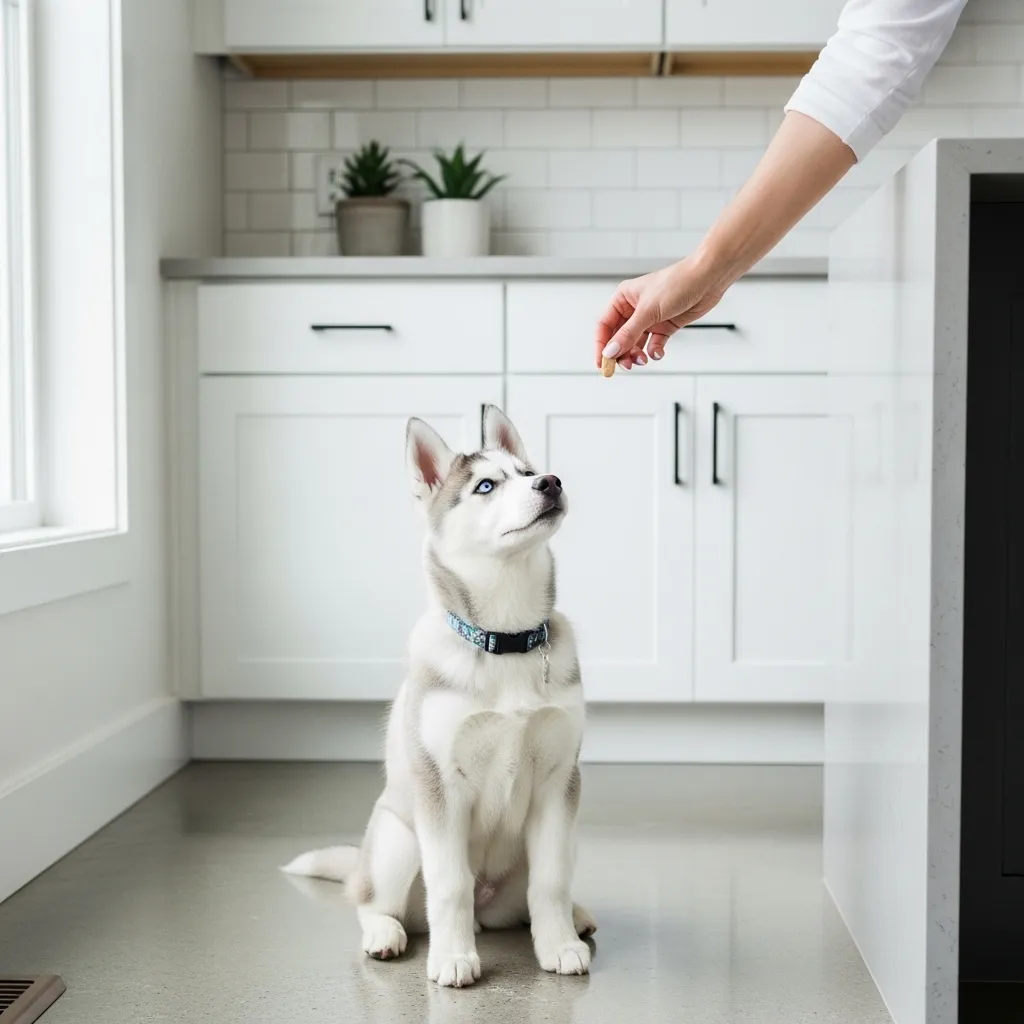
4. Teach “Come” Like Your Life Depends On It
The recall command is the most crucial one you’ll ever teach. Huskies have a high prey drive and a love for running. Start in a distraction-free environment. Use a long leash for safety and an incredibly high-value reward (like real chicken).
Practice multiple times a day, always making coming to you the most fantastic thing that happens. Never, ever call them to you for something negative (like a bath or to end playtime). You want them to associate “come” with pure joy and safety.
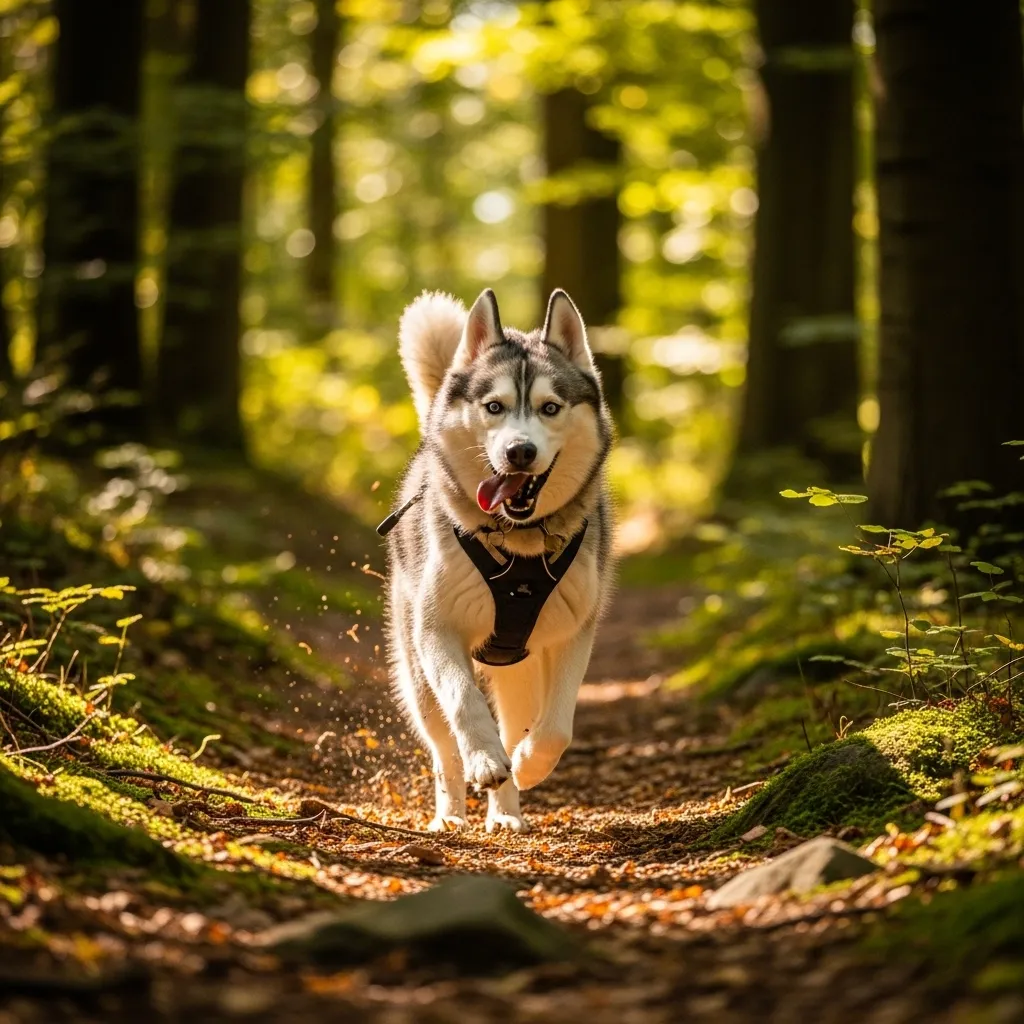
5. Socialize Early and Often
Introduce your Husky puppy to the world in a positive, controlled way. This means meeting different people, dogs, hearing various sounds, and experiencing new surfaces and environments. Well-socialized Huskies are more confident and less likely to develop fear-based behaviors.
Keep experiences positive. Go at their pace. A puppy class is a fantastic start. For my Luna, regular trips to outdoor cafes (where she could watch the world go by) and playdates with calm adult dogs were invaluable.
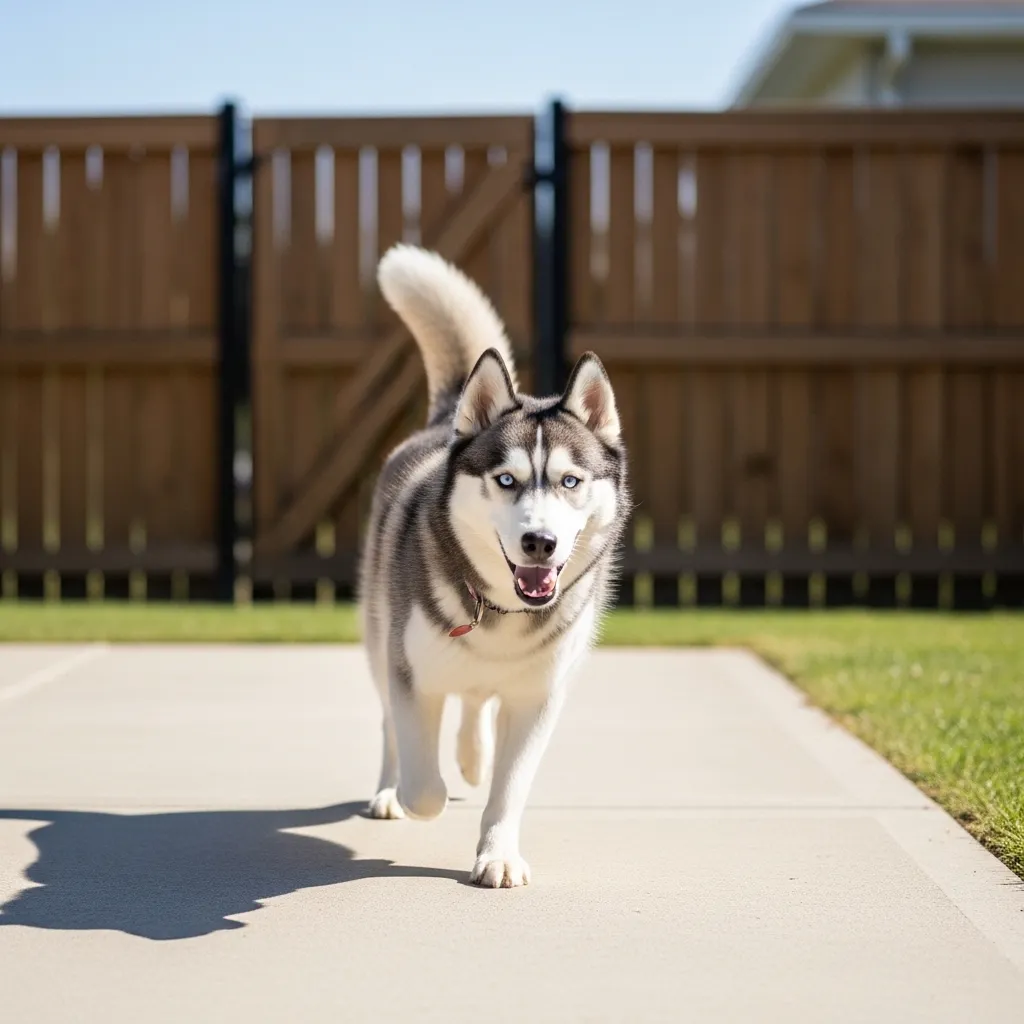
6. Channel Their Intelligence with Mental Games
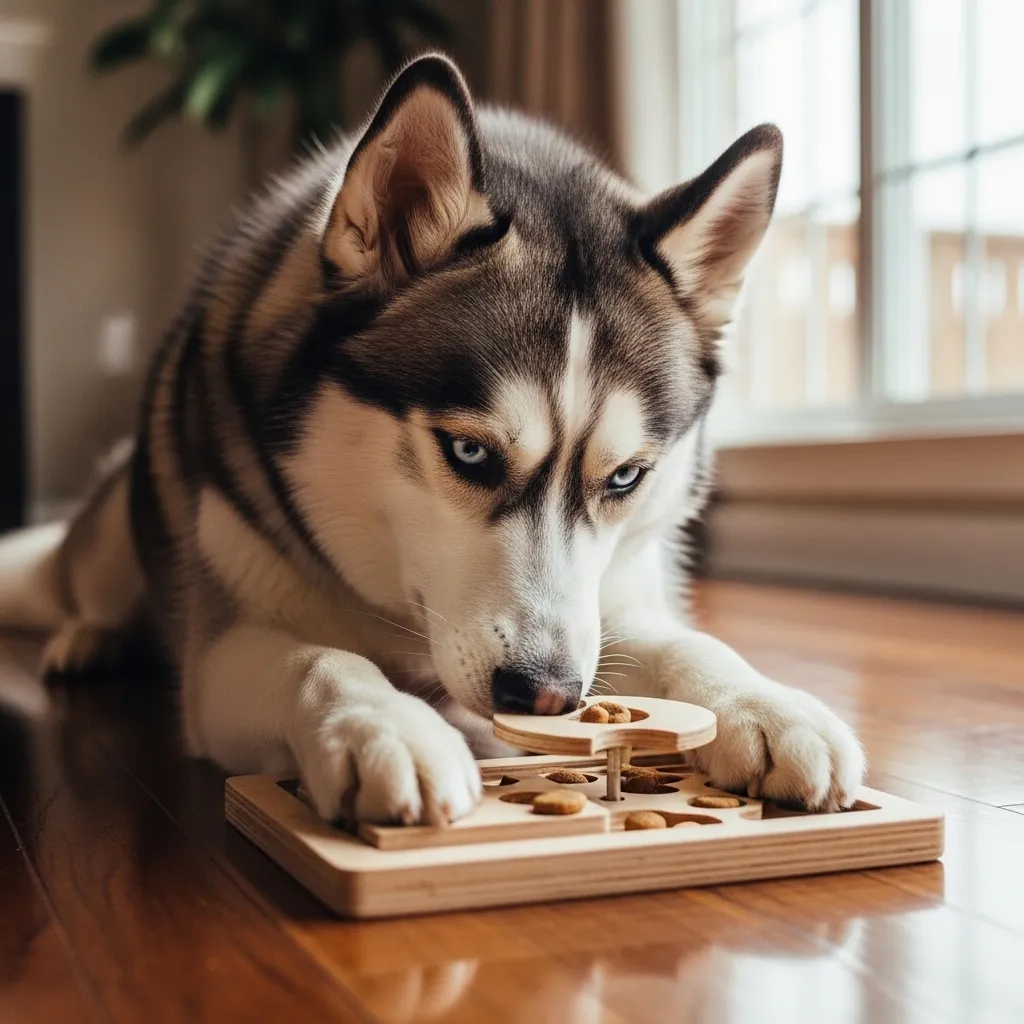
Physical exercise is half the battle. A bored Husky is a master escape artist. Challenge their brilliant minds with puzzle toys, scent work games, or short, engaging training sessions for new tricks.
I hide treats around the house for her to find, and we practice “find it” with her toys. Teaching fun tricks like “spin” or “play dead” also provides mental stimulation. It strengthens your bond and gives them a job to do.
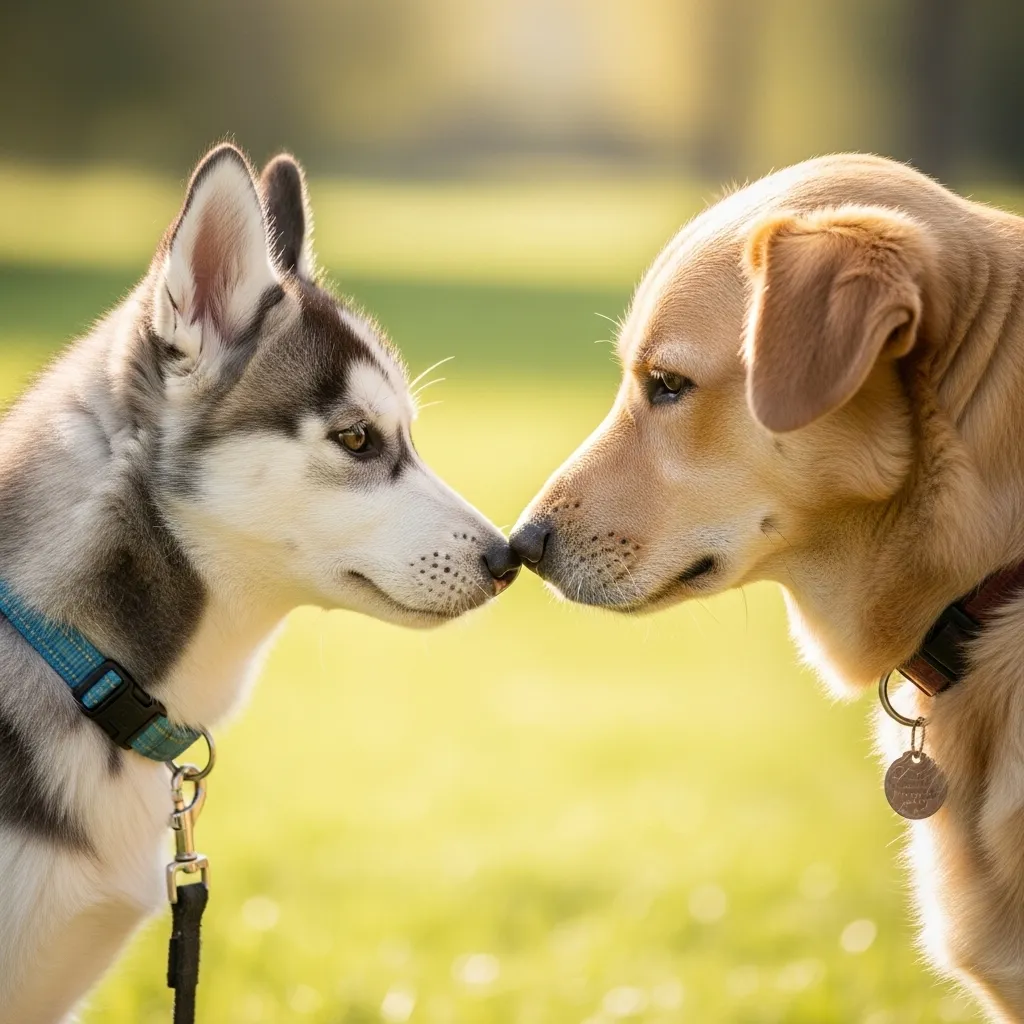
7. Be the Consistent Leader of Your Pack
Huskies respect clear, confident leadership. This doesn’t mean being domineering. It means setting predictable rules and sticking to them. If the couch is off-limits, it’s off-limits every single day, from every person in the house.
Inconsistency confuses them and invites them to push boundaries. Decide on your house rules, your command words, and your routines. Your calm, unwavering consistency provides the security they need to thrive.
8. Manage the Famous Husky “Talk Back”
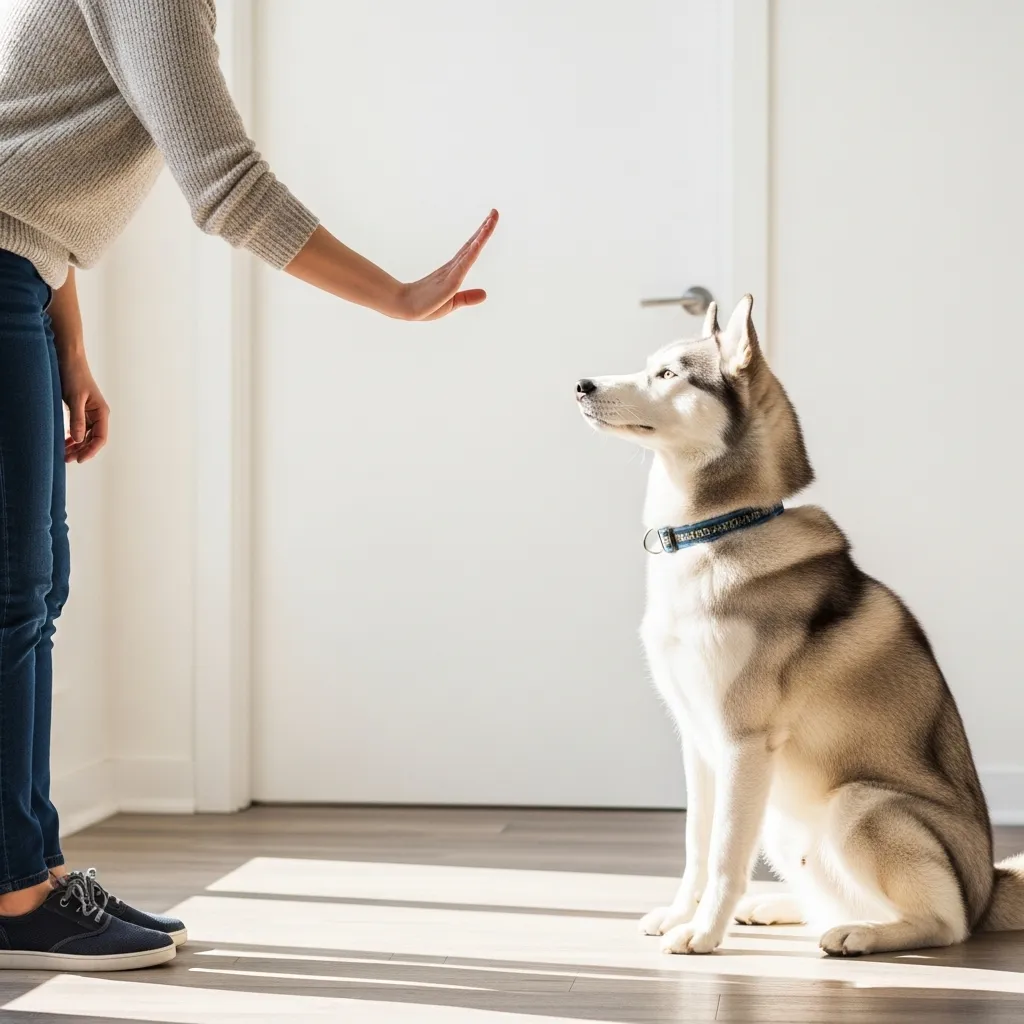
They howl, they woo, they grumble. It’s part of their charm, but it can be managed. Ignore demand barking or howling (turning away completely). Reward quiet, calm behavior with attention and treats.
I taught Luna a “quiet” command by catching a moment of silence, saying “quiet,” and immediately rewarding. It takes time, but it helps. Remember, some vocalization is just them communicating—learn to differentiate between a demand and a happy greeting.
9. Leash Train with Purpose and Persistence
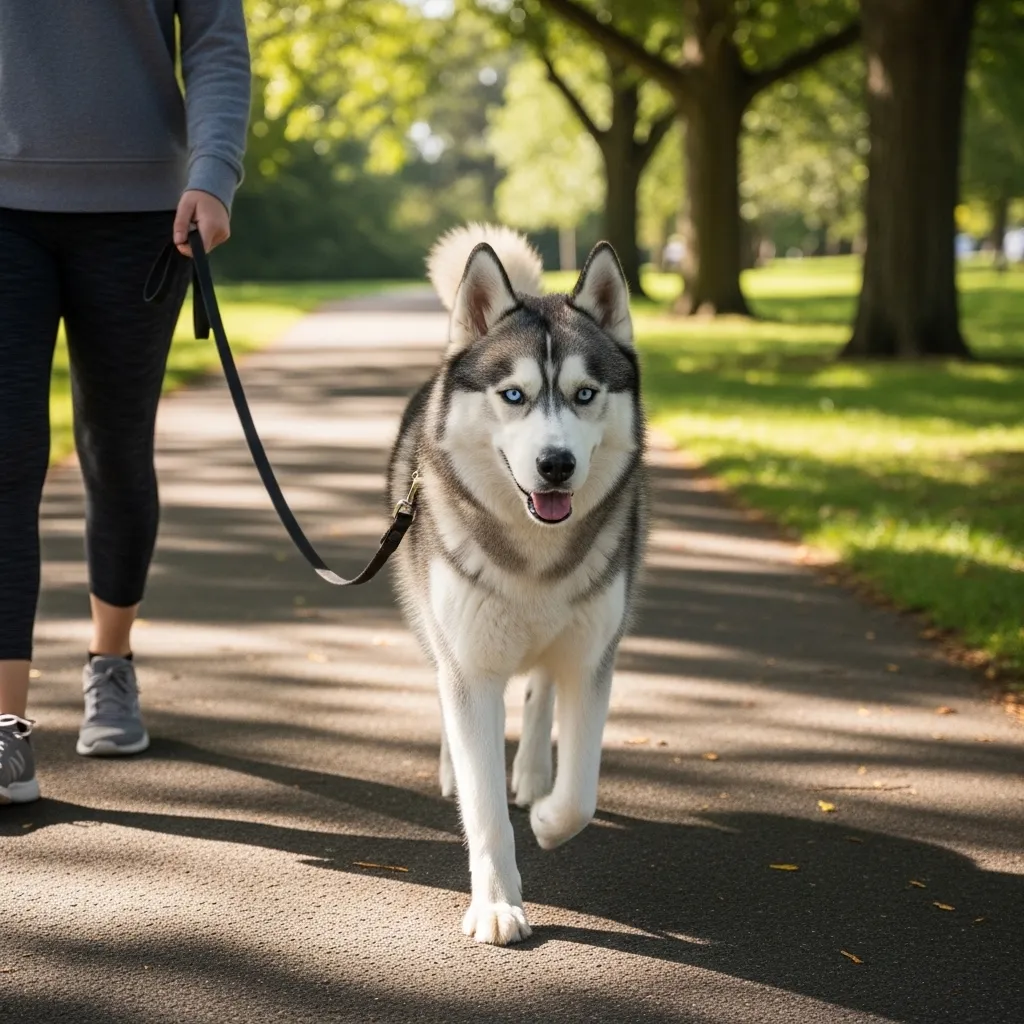
Huskies are natural pullers. A standard collar can hurt them. Invest in a no-pull harness. Start leash training indoors with no distractions. The goal is to teach that walking near you is rewarding.
The moment they pull, stop walking. Stand still like a tree. Only move forward when there is slack in the leash. It’s tedious at first, but it teaches them that pulling gets them nowhere, while loose-leash walking gets them to the park.

10. Embrace Their Unique Spirit
Finally, don’t try to turn your Husky into a different breed. They will be stubborn, dramatic, and occasionally aloof. They will shed clouds of fur and have a sense of humor all their own. Training is about guiding that incredible spirit, not breaking it.
The dog that learns to channel its energy and intelligence with you becomes the most loyal, funny, and adventurous partner you could ask for. The journey is challenging, but the bond you build is absolutely worth it.
Conclusion: Your Adventure Awaits
Training a Siberian Husky is a marathon, not a sprint. It requires a blend of patience, consistency, and a good sense of humor. There will be days you feel defeated, and days of breathtaking breakthrough. Stay positive, focus on your connection, and remember why you fell in love with this magnificent breed in the first place. The well-trained Husky by your side is the ultimate reward.
Quick Husky Training FAQ
Q: At what age should I start training my Husky puppy?
A: Start the very first day you bring them home! Basic socialization, house rules, and simple cues like their name and “come” can begin immediately. Keep sessions very short (2-5 minutes) and fun.
Q: Are Huskies hard to potty train?
A>They can be. Consistency is key. Take them out constantly—after waking, playing, eating, and every 1-2 hours. Praise heavily for success outside. Crate training is a huge help in preventing indoor accidents.
Q: My Husky listens at home but ignores me outside. Why?
A>This is completely normal. The outside world is full of exciting distractions. Practice commands in your yard first, then in quiet parks, gradually increasing the distraction level. Always use high-value treats outdoors.
Q: Should I use a crate for training?
A>Yes, absolutely. When introduced positively, a crate becomes your Husky’s safe den and prevents destructive behavior when unsupervised. It’s a vital tool for house training and managing their environment.
Q: Can an older Husky be trained?
A>100% yes. While it’s ideal to start young, adult Huskies are perfectly capable of learning. You may need to unlearn some old habits, but the principles of patience and positive reinforcement work at any age.