3 Soothing Anti-Itch Hypoallergenic Dog Food Recipes That Actually Work (Vet-Approved & Easy)

Watching your dog scratch, lick, and bite their skin is heartbreaking. You’ve tried everything—special shampoos, expensive vet visits, and countless store-bought bags labeled “sensitive skin.” But what if the answer is right in your own kitchen?
I’ve been there with my own pup, and after months of trial and error (and a lot of research), I found that homemade hypoallergenic dog food can be a total game-changer. These recipes are simple, gentle on sensitive stomachs, and packed with whole ingredients that calm inflammation from the inside out. No weird fillers, no mystery meats—just real food that helps your dog feel better. Let’s get cooking.
Why Make These Anti-Itch Recipes for Your Dog
Store-bought dog food often contains common allergens like chicken, beef, corn, wheat, or soy. These ingredients can trigger chronic itching, ear infections, and hot spots. By making your own food, you control exactly what goes in the bowl.
These recipes focus on novel proteins (like turkey, fish, or venison) and easy-to-digest carbs (like sweet potatoes or pumpkin). They’re rich in omega-3 fatty acids from fish oil or flaxseed, which naturally reduce skin inflammation. Many pet parents see a noticeable difference in their dog’s coat and scratching within just two weeks.
Plus, homemade food is often more nutrient-dense than processed kibble. Your dog gets real vitamins and minerals from whole foods, not synthetic additives. It’s a win for their skin, their digestion, and their overall happiness.
Kitchen Equipment & Tools You’ll Need
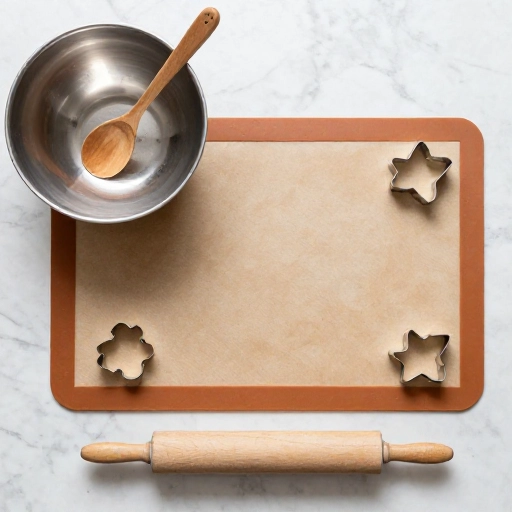
You don’t need a fancy setup—just basic kitchen tools you probably already own. Here’s what makes the process smooth and easy:
- Large pot or Dutch oven (for simmering meats and veggies)
- Cutting board and sharp knife
- Measuring cups and spoons
- Mixing spoon or spatula
- Food processor or blender (for pureeing veggies if your dog is picky)
- Storage containers (glass or BPA-free plastic, airtight)
- Ice cube trays or silicone molds (for portioning small servings)
That’s it. No dehydrators, no special grinders. Just simple tools for simple, wholesome meals.
Ingredients List & Safe Substitutions
Here are the core ingredients I use in my anti-itch recipes. Feel free to swap based on your dog’s preferences and what you have on hand.
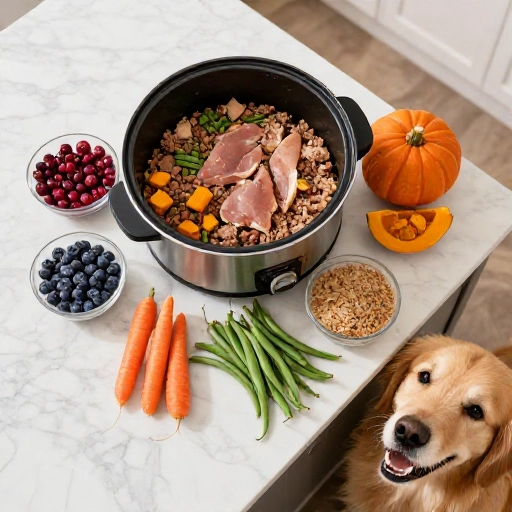
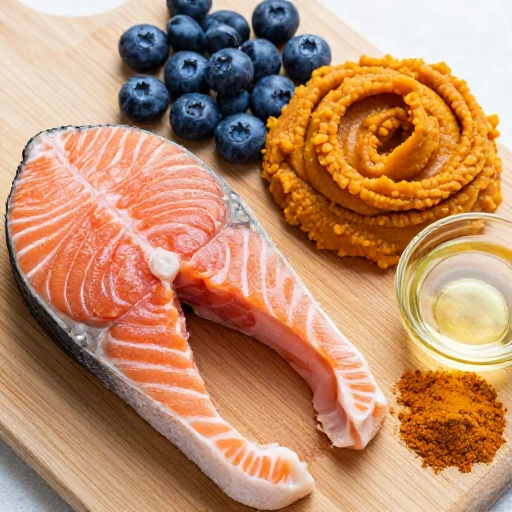
- Novel Protein: Ground turkey, lean ground pork, venison, or fish (salmon, whitefish). Avoid chicken and beef if your dog is allergic.
- Hypoallergenic Carb: Cooked sweet potatoes, pumpkin puree (unsweetened), or cooked quinoa. Pumpkin is especially soothing for upset tummies.
- Healthy Fat: Fish oil (liquid or capsules), flaxseed oil, or coconut oil (start with small amounts).
- Fiber & Vitamins: Cooked carrots, green beans, spinach, or zucchini. These add antioxidants that support skin health.
- Optional Supplements (after vet approval): Probiotic powder, vitamin E oil, or a canine multivitamin.
Safety note: Never use onions, garlic, grapes, raisins, chocolate, or xylitol. These are toxic to dogs. Always introduce new foods slowly over a week.
Step-by-Step Instructions: 3 Easy Anti-Itch Recipes
I’m sharing three of my go-to recipes. Each makes about 5–7 days of food for a medium-sized dog (adjust portions based on your dog’s weight).
Recipe 1: Turkey & Sweet Potato Soother
- In a large pot, cook 1 lb ground turkey over medium heat until fully browned. Drain any excess fat.
- Add 2 cups peeled and cubed sweet potatoes and 1 cup chopped carrots. Cover with water (about 4 cups) and bring to a boil.
- Reduce heat, cover, and simmer for 20–25 minutes until veggies are tender.
- Stir in 1 tablespoon fish oil and ½ cup cooked quinoa (optional). Let cool completely.
- Mash or lightly blend for a smoother texture if your dog prefers it.
Recipe 2: Salmon & Pumpkin Skin Saver
- Bake or poach 1 lb fresh salmon fillet until flaky (about 15 minutes at 350°F). Remove any bones.
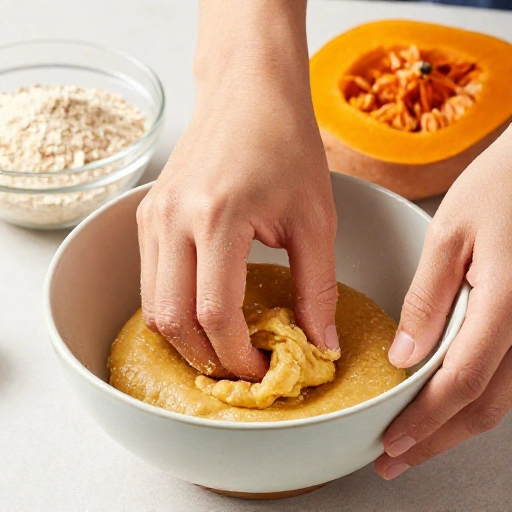
- In a bowl, flake the salmon and mix with 1 cup canned pumpkin (unsweetened) and 1 cup cooked green beans (chopped).
- Add 1 tablespoon flaxseed oil and ½ teaspoon turmeric (optional, anti-inflammatory). Mix well.
- Portion into containers and refrigerate.
Recipe 3: Venison & Quinoa Comfort Bowl
- Brown 1 lb ground venison (or lean pork) in a skillet. Drain fat.
- Cook 1 cup quinoa according to package directions in a separate pot.
- Combine the meat, cooked quinoa, 1 cup steamed zucchini (diced), and 1 tablespoon coconut oil.
- Stir in 1 teaspoon probiotic powder (optional) after cooling.
Each recipe is complete as a meal, but always check with your vet for your dog’s specific needs.
Feeding Guidelines, Serving Size & Storage Tips
Portion sizes depend on your dog’s weight, age, and activity level. As a general rule, feed about 2–3% of your dog’s ideal body weight per day, split into two meals. For a 30-lb dog, that’s roughly 1 to 1.5 cups of food total daily.
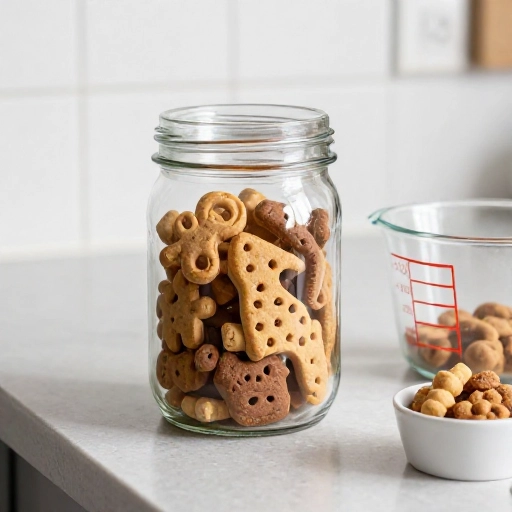
Storage: Keep homemade food in airtight containers in the fridge for up to 5 days. For longer storage, freeze individual portions in silicone molds or freezer bags for up to 3 months. Thaw in the fridge overnight before serving.
Serving tips: Serve food at room temperature (not straight from the fridge). Add a splash of warm water if your dog is a picky eater. Always provide fresh water alongside meals.
Monitor your dog’s weight and adjust portions as needed. You should see improvements in coat shine and less scratching within 1–3 weeks.
Final Verdict & Summary
These anti-itch hypoallergenic dog food recipes are a simple, affordable way to support your dog’s skin health from the inside out. By swapping common allergens for gentle, whole ingredients, you’re giving your pup a real chance at relief without the side effects of medications.
I’ve seen my own dog’s hot spots heal and her constant licking stop. It takes a little prep work, but the peace of mind—and a happier, comfier dog—is absolutely worth it. Start with one recipe, watch your dog’s reaction, and adjust from there. Your kitchen might just become their favorite place.

FAQ: Your Questions Answered
Can I switch my dog to homemade food all at once?
No, it’s best to transition slowly over 7–10 days. Start by mixing 25% homemade with 75% current food, then gradually increase the homemade portion. This helps avoid digestive upset.
How do I know if my dog is allergic to an ingredient?
Watch for signs like increased scratching, red skin, ear infections, or loose stools within 24–48 hours of eating a new food. If you see these, stop that ingredient and consult your vet. An elimination diet can help pinpoint the culprit.
Do I need to add supplements to homemade dog food?
It’s wise to ask your vet. Many homemade diets benefit from a balanced canine multivitamin, omega-3s, or probiotics. Without them, your dog may miss key nutrients over time. I add fish oil and a vet-recommended probiotic to my recipes.
Can puppies eat these anti-itch recipes?
Puppies have different nutritional needs (more calcium, protein, and calories). These recipes are designed for adult dogs. For puppies, work with your vet to create a balanced homemade plan that supports growth.
How long will it take to see results in my dog’s itching?
Most dogs show improvement within 1–3 weeks of eating a hypoallergenic diet. You’ll notice less scratching, a shinier coat, and calmer skin. Some dogs with severe allergies may take up to 6 weeks to see full benefits.