11 Cat Stress Signs You Should Know
I’ve learned the hard way that cats are masters at hiding how they feel. One day they’re purring in your lap, the next they’re hiding under the bed. It’s easy to think they’re just being moody, but often, it’s stress.
Our feline friends can’t tell us when they’re overwhelmed. Instead, they show us through small, quiet changes in behavior. Catching these early can prevent bigger health problems and help your cat feel safe again.
Here are 11 cat stress signs I’ve noticed over the years. Watch for these, and you’ll be able to help your kitty before things get worse.
1. Hiding More Than Usual
My cat once vanished for an entire day. I found her squeezed behind a heavy dresser. That was her way of saying, “I need a break.”
A stressed cat will seek out small, dark spaces. Think under the sofa, inside a closet, or behind the washing machine. If your social butterfly suddenly becomes a recluse, stress is likely the reason.
Pay attention to new hiding spots. It’s not always about being shy—sometimes it’s about feeling unsafe in their own home.
2. Over-Grooming or Licking
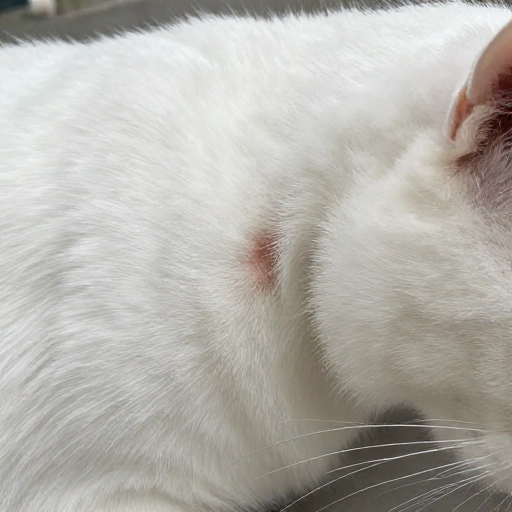
I noticed my tabby had a bald patch on his belly. At first, I thought it was allergies. But the vet said it was stress licking.
When cats feel anxious, they groom to comfort themselves. It’s like a nervous habit. But too much licking can cause sore spots, hair loss, or even skin infections.
Look for thin fur on the belly, inner thighs, or the base of the tail. If they’re licking themselves raw, something in their environment is bothering them.
3. Sudden Aggression
One of my cats started hissing at me when I walked past. It broke my heart. She had never been mean before.
Stress can turn a sweet cat into a defensive one. They might swat, bite, or growl over small things like being petted or seeing another cat.
This isn’t about them being “bad.” It’s their way of saying, “I’m scared, please back off.” If your cat suddenly lashes out, check for stressors first.
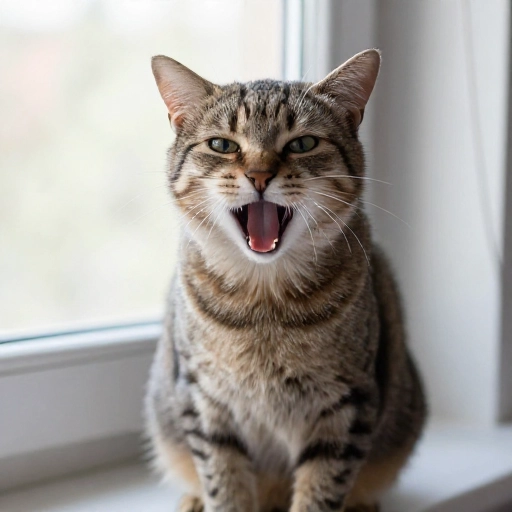
4. Changes in Appetite
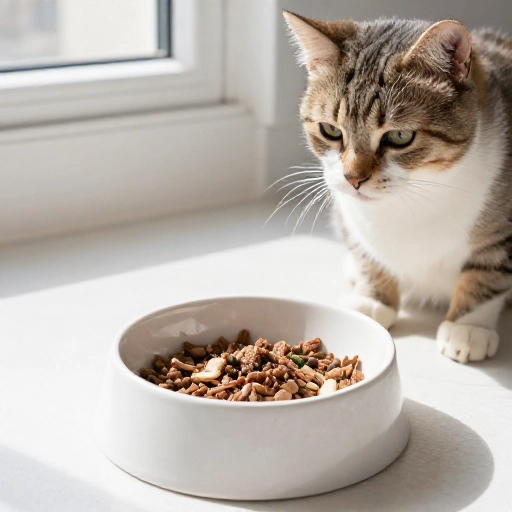
My neighbor’s cat stopped eating completely when they moved to a new house. It took three days before she touched her food bowl.
Stress can make a cat lose interest in food. Some cats will eat less, while others might overeat to cope. Both are red flags.
If your cat suddenly leaves meals unfinished or begs for food constantly, it’s worth noting. Especially if the change matches a big life event like a move or new pet.
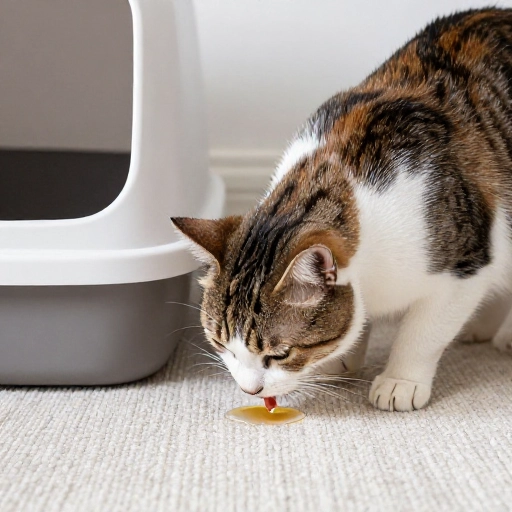
5. Peeing Outside the Litter Box
This was my biggest clue. My cat started peeing on my rug, right next to her clean box. It wasn’t a medical problem—it was stress.
Cats are clean animals. When they start going outside the box, they’re often protesting something. It could be a dirty box, a new cat outside, or a change in routine.
Never punish them for this. Instead, figure out what’s making them uncomfortable. A stressed cat is telling you something isn’t right.
6. Excessive Vocalization
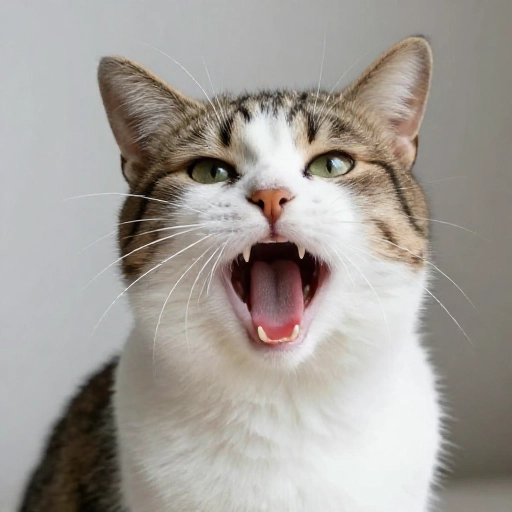
I had a quiet cat who suddenly started meowing loudly at night. It wasn’t just attention—it was pure anxiety.
Stress can make cats more vocal. They might yowl, meow constantly, or make sounds you’ve never heard before. It’s their way of saying, “Something is wrong.”
If your cat is suddenly chatty, especially at odd hours, look for triggers. It could be a noise, a stray cat outside, or even boredom.
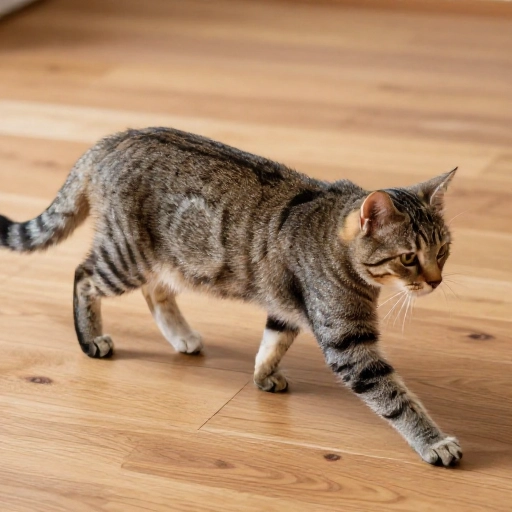
7. Pacing or Restlessness
I once watched a friend’s cat pace back and forth for an hour. He couldn’t settle anywhere. He looked like he was searching for an exit.
Pacing is common in stressed cats. They might walk in circles, follow you everywhere, or seem unable to relax. It’s like they’re stuck in a loop of worry.
If your cat can’t find a comfortable spot to nap, stress might be keeping them on edge.
8. Changes in Body Language
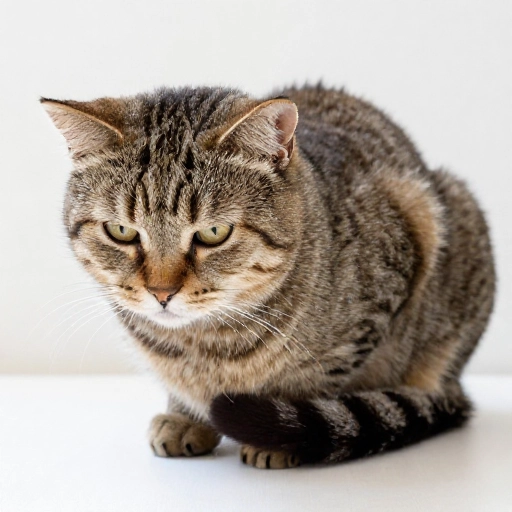
My cat’s tail used to be a great mood ring. When stressed, it would puff up or tuck between her legs.
Look for flattened ears, dilated pupils, or a tense, crouched body. A twitching tail or a low growl can also mean they’re overwhelmed.
These signals are easy to miss if you’re not paying attention. But once you learn them, you’ll see stress written all over their posture.
9. Scratching Furniture or Walls
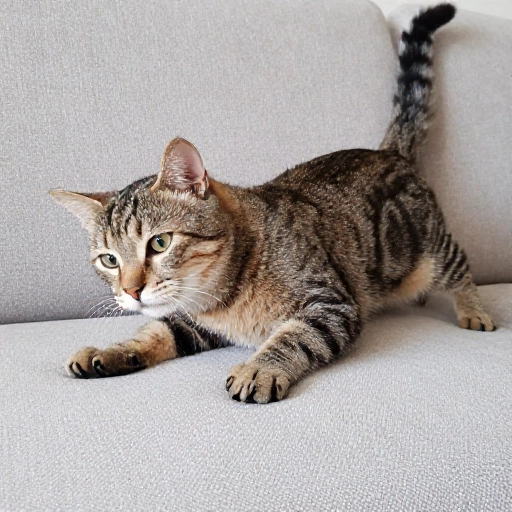
I came home to shredded curtains. My cat had never done that before. She was marking her territory because she felt insecure.
Stressed cats scratch more. It’s a way to release frustration and leave their scent. If your cat suddenly attacks the couch or door frames, it’s a cry for help.
Give them a scratching post, but also ask yourself what changed at home. They need to feel safe, not just have an outlet.
10. Sleeping More or Less
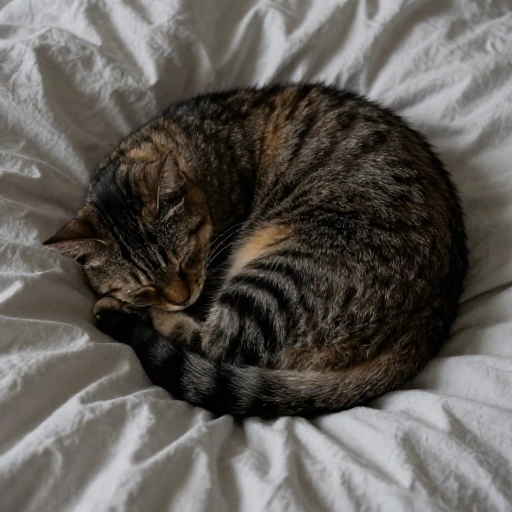
My cat started sleeping 18 hours a day. At first, I thought she was just lazy. But it was stress making her hide in sleep.
Some stressed cats sleep too much to escape. Others sleep too little because they’re on high alert. Either way, a major shift in sleep patterns is a sign.
Watch for changes in where they sleep too. If they avoid their usual sunny spot, something might be off.
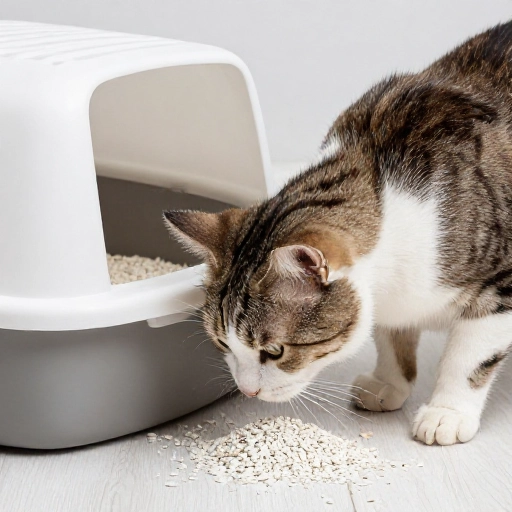
11. Sudden Litter Box Issues
One of my cats started pooping right outside the box. The box was clean, but she was stressed by a new roommate’s cat.
It’s not just about peeing. Stressed cats may have diarrhea, constipation, or strain to go. They might also kick litter everywhere or refuse to cover their waste.
Any change in bathroom habits that isn’t medical is likely stress. Your cat is trying to control something in their world.
Final Thoughts
Recognizing stress in your cat is the first step to helping them. You don’t need to be a vet—just a careful observer. Small changes matter.
If you spot these signs, try to reduce stress slowly. Give them a quiet room, stick to routines, or add more playtime. Most cats bounce back with a little patience.
And if the signs don’t go away, a vet visit is always a good idea. Your cat depends on you to notice when something’s wrong.
Frequently Asked Questions
Can stress make my cat sick?
Yes, long-term stress can weaken their immune system. It can lead to urinary issues, skin problems, and digestive trouble. Always take stress signs seriously.
How can I calm a stressed cat fast?
Give them a safe, quiet space. Use pheromone diffusers like Feliway, play soft music, and keep your own voice calm. Routine helps a lot.
Is it normal for cats to hide when stressed?
Very normal. Hiding is their way of feeling safe. Don’t force them out. Instead, make sure they have good hiding spots and leave them alone to decompress.
Should I punish my cat for stress behavior?
Never. Punishment only makes stress worse. They aren’t being defiant—they’re struggling. Be patient and find the root cause.
When should I take my cat to the vet?
If stress signs last more than a few days, or if you see symptoms like vomiting, diarrhea, or not eating, see a vet. They can rule out medical issues first.