British Shorthair Cat Care & Grooming: Your Complete Guide
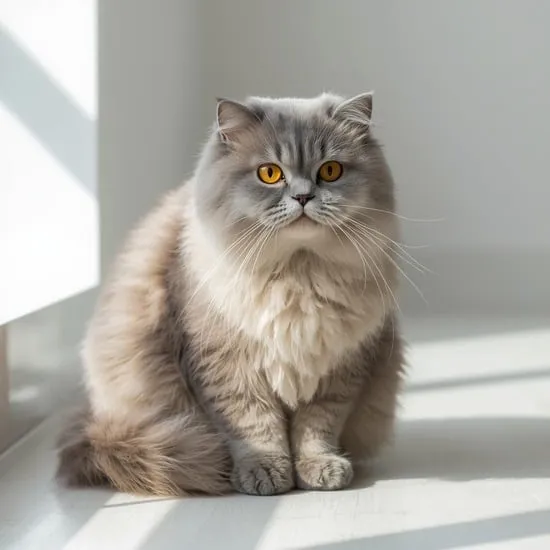
As a British Shorthair owner, I’ve fallen completely for their teddy bear looks and wonderfully calm personalities. These cats are the sturdy, charming couch potatoes of the feline world, famous for their dense, plush coats and round, copper eyes. They bring a quiet, dignified presence to any home.
But that gorgeous, thick coat doesn’t maintain itself! Their easygoing nature means they rely on us to keep them in top shape. Proper care is simple, but it’s specific to their unique needs. From managing their luxurious fur to supporting their laid-back lifestyle, a little know-how goes a long way.
Let’s walk through the essential tips I’ve learned to keep a British Shorthair healthy, happy, and looking utterly magnificent. It’s all about working with their natural traits to create a perfect, low-stress routine for both of you.
1. Master the Weekly Brush-Out
That famously dense coat is a double-layered masterpiece, with a thick undercoat. It’s prone to matting if left alone. I make a weekly brushing session our non-negotiable cozy ritual.
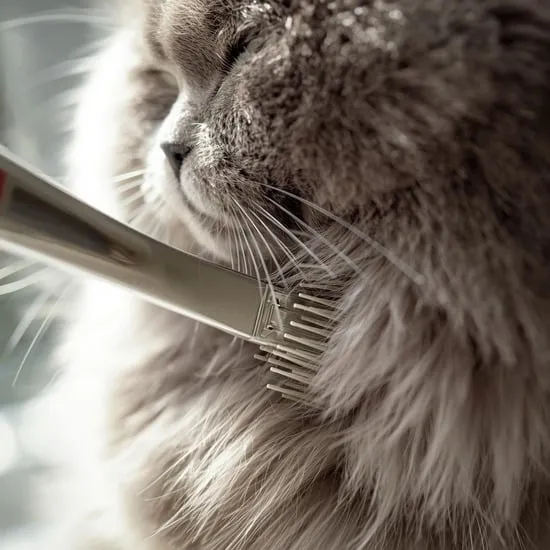
I use a stainless steel comb to get through the undercoat and a soft bristle brush to polish the topcoat. It removes loose hair, spreads natural skin oils, and gives me a chance to check for any little bumps or issues. My cat usually purrs through the whole thing—it’s like a spa treatment!
2. Be Seasonally Smart About Shedding
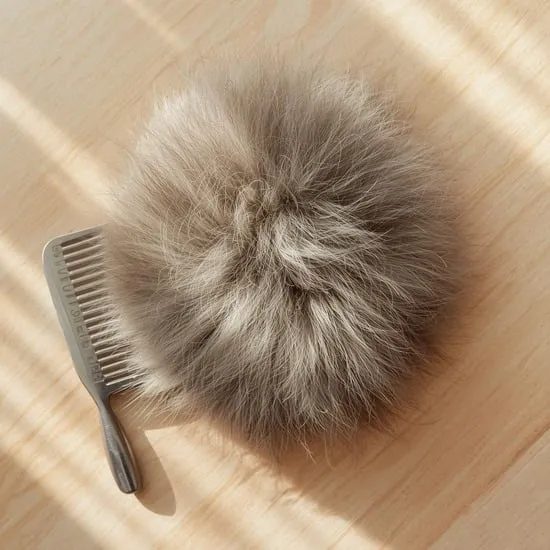
Twice a year, usually in spring and fall, get ready for the “fluff explosion.” Their shedding increases noticeably as they change coats. During these times, I bump up brushing to 2-3 times a week.
This proactive approach is a game-changer. It captures most of the loose hair in the brush, not on your sofa or clothes. A quick daily wipe-down with a damp rubber grooming glove can also work wonders in between sessions.
3. Keep Nail Trims Calm & Consistent
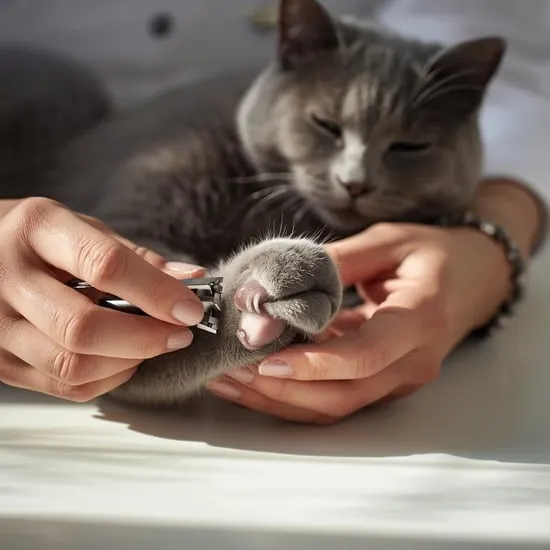
Those sturdy paws hide sharp claws! Regular trims every 2-3 weeks protect your furniture and prevent their nails from growing into the paw pads. The key is making it stress-free.
I do it when my cat is super relaxed, often after a meal. I gently press the paw to extend the claw and only snip the very clear, sharp tip, avoiding the pink quick inside. A few treats before, during, and after make it a positive experience for everyone.
4. Make Dental Health a Daily Habit
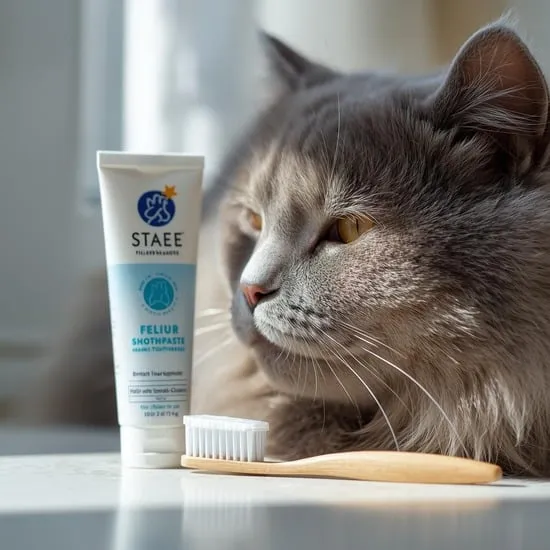
British Shorthairs can be prone to dental issues. I learned that brushing their teeth is the gold standard, and starting slowly is okay. I began by just letting my cat taste the pet-safe toothpaste, then progressed to rubbing it on their teeth with my finger.
- Now, we use a soft finger brush a few times a week.
- Dental treats and approved dental toys also help with plaque.
- Regular vet check-ups include a peek at those pearly whites.
5. The Gentle Art of Ear & Eye Cleaning
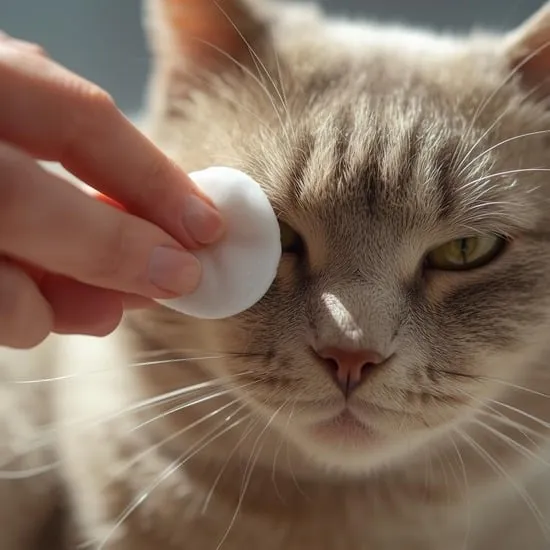
Those cute, round faces need minor upkeep. For ears, I check weekly for any waxy buildup or dirt. I use a vet-recommended ear cleaner on a cotton pad—never a cotton swab deep in the ear canal—and just wipe the parts I can easily see.
For their beautiful eyes, a little bit of clear discharge can be normal. I gently wipe the corner of their eyes with a soft, damp cloth (a different one for each eye) to keep them clean and clear.
6. Baths? Rarely, But Be Prepared
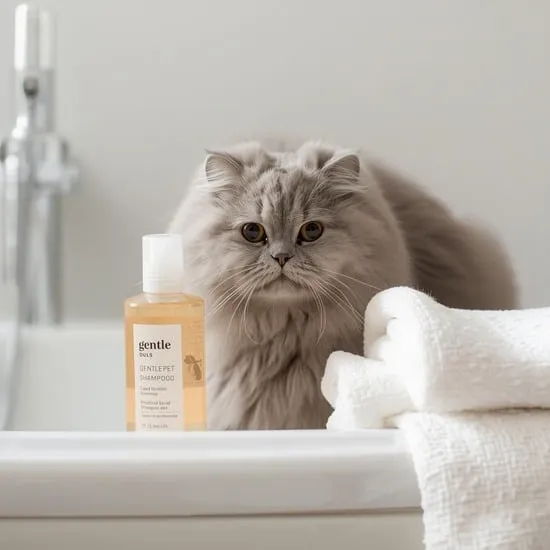
Thankfully, British Shorthairs are fastidious self-cleaners and rarely need baths. The exception might be if they get into something sticky or dirty. If a bath is necessary, preparation is everything.
I use a gentle, cat-specific shampoo, lots of non-slip mats in the sink, and lukewarm water. I keep it quick, calm, and thorough with rinsing. The post-bath drill? A warm towel burrito and a quiet, draft-free room to dry completely.
7. Nutrition Fuels That Glorious Coat
You literally are what you eat, and a shiny, healthy coat starts from within. I feed a high-quality diet rich in animal proteins. Omega-3 and Omega-6 fatty acids are superstars for skin and coat health.
I always provide fresh water and monitor portions closely. British Shorthairs have a tendency to gain weight, which can make grooming harder and impact their health. A healthy weight keeps them agile and comfortable.

8. Encourage Exercise Through Play
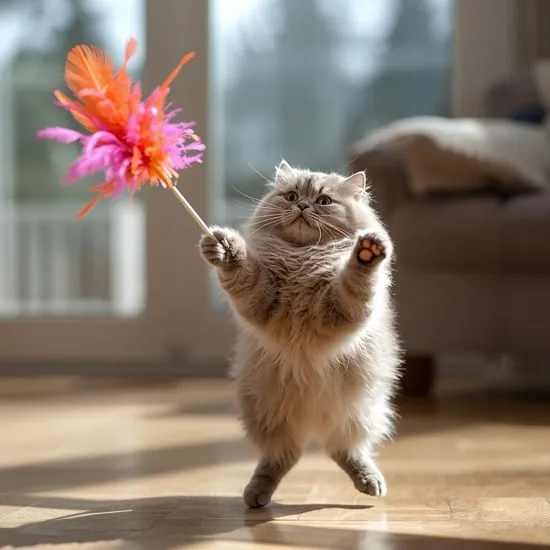
Their calm demeanor can slip into a sedentary lifestyle. Daily play is crucial for physical and mental health. I use interactive wand toys, motorized mice, or puzzle feeders to get my cat moving.
Even 10-15 minutes of chasing and pouncing twice a day helps maintain a healthy weight, prevents boredom, and strengthens our bond. It’s our fun time that keeps him in shape.
9. Create a Low-Stress Grooming Environment
Rushing or forcing grooming creates anxiety for next time. I always choose a quiet time, speak softly, and keep sessions short and positive if my cat seems unsure. Treats and praise are my best tools.
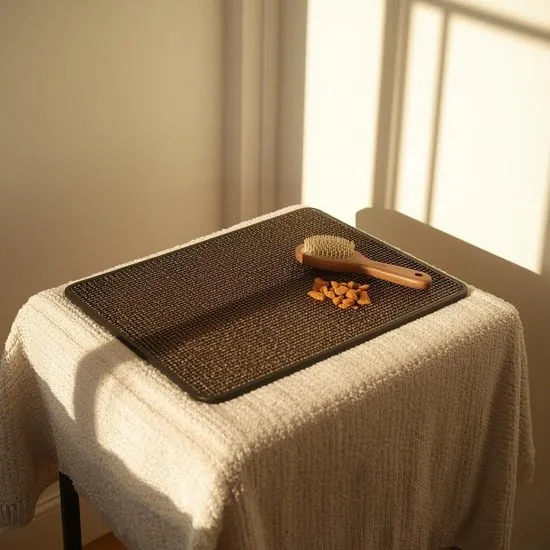
Having all my tools (brush, comb, nail clippers) ready in one spot means I’m not scrambling and causing stress. It becomes a predictable, calm part of our week.
10. Know When to Call the Professional
Despite our best efforts, sometimes you need a pro. If I find severe mats I can’t gently work out, it’s time for a groomer. Never cut them out yourself—it’s easy to cut the skin.
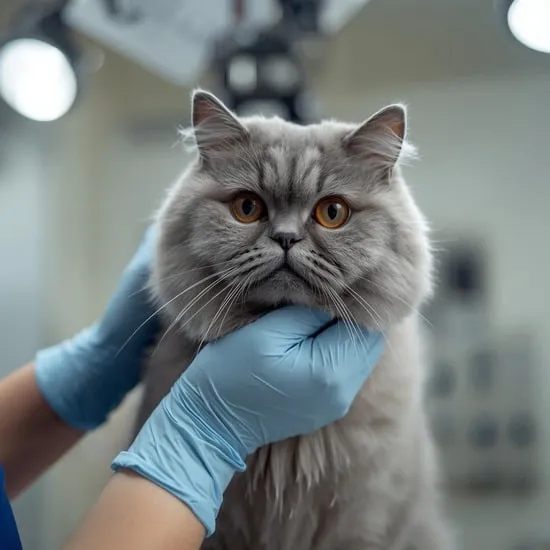
Regular vet visits are part of grooming care, too. They can spot skin conditions, ear infections, or dental problems early. I see my vet as my partner in keeping my British Shorthair looking and feeling his best.
Conclusion
Caring for a British Shorthair is a truly rewarding experience. Their grooming needs are straightforward but essential. By incorporating these simple tips into a regular routine, you’re doing so much more than just keeping their coat beautiful. You’re monitoring their health, preventing problems, and sharing quiet moments of connection.
That plush, velvety coat and contented purr are the best rewards for a little consistent care. Here’s to many happy, healthy years with your charming feline companion.
British Shorthair Care FAQ
Q: How often should I really brush my British Shorthair?
A: Once a week is perfect for maintenance. During heavy shedding seasons (spring/fall), increase to 2-3 times a week to manage the extra loose fur.
Q: Do British Shorthairs like water or need frequent baths?
A: Most do not like water and rarely need baths. Their self-grooming is excellent. Only bathe if they get into something messy that they can’t clean off themselves.
Q: Are they prone to any specific health issues I should watch for?
A: They can be prone to weight gain and related issues, plus certain genetic conditions like hypertrophic cardiomyopathy (a heart condition). Regular vet check-ups and weight management are key.
Q: My cat hates nail trims. Any advice?
A> Go slow and pair it with high-value treats. Try trimming just one or two claws at a time while they’re sleepy. If it’s truly a battle, ask your vet or groomer to show you or do it for you.
Q: What’s the best brush for their thick coat?
A: A two-tool combo works best: a stainless steel comb to reach the dense undercoat and prevent mats, followed by a soft bristle or rubber brush to smooth the topcoat and remove leftover hair.