A Calm Evening Routine That Helps Puppies Sleep (10 Gentle Steps for Peaceful Nights)
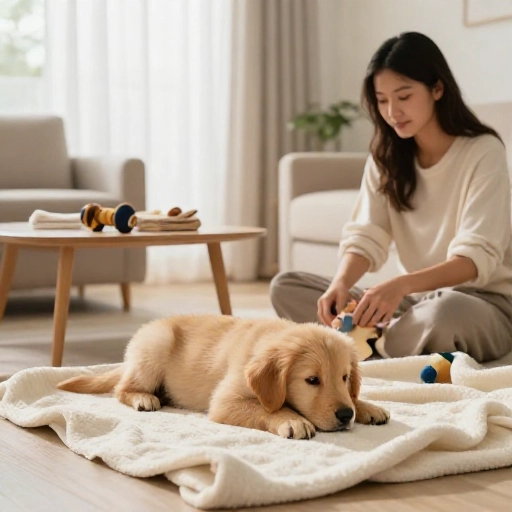
When I first brought my puppy home, bedtime felt like a tiny tornado. One minute he was yawning, and the next he was zooming around the living room like he had just discovered coffee. I quickly learned that puppies don’t just “switch off” at night. They need help slowing down.
A calm evening routine changed everything for us. It didn’t make every night perfect, but it made most nights softer, quieter, and a lot more sleep-friendly. If you’re searching for a puppy bedtime routine that actually works, these 10 steps are a great place to start.
The goal isn’t a military-style schedule. It’s a predictable, low-key wind-down that tells your puppy, “The day is done. You’re safe. It’s time to rest.”
1. Start the Wind-Down Before Your Puppy Gets Overtired
Puppies often get the zoomies when they’re actually exhausted. I used to wait until my puppy looked wild and bitey, thinking he needed more play. That was my mistake. By then, he was already overtired.
Now I start the calm routine about 60 to 90 minutes before bed. I watch for early sleepy signals: slower blinking, yawning, licking his lips, or flopping down for a second. Those little hints are my cue to begin winding things down.
If I miss the window, I don’t panic. I just make the evening calmer and quieter. The more I practice, the easier it is to catch that sweet spot.
2. Lower the Lights and Soften the Noise
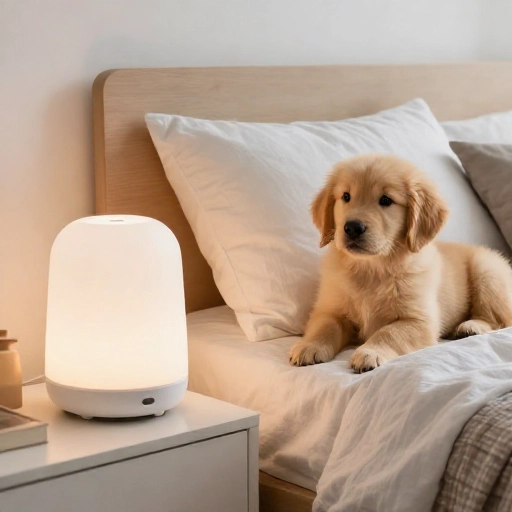
Light and sound tell your puppy a lot about what’s coming next. In the evening, I turn off bright overhead lights and switch to warm lamps. I close the curtains, lower the TV volume, and keep my voice slow and soft.
I also like gentle background noise, like a fan or a white noise machine. Total silence can make every tiny sound seem exciting or scary. A soft hum helps mask the outside world.
- Dim the main lights.
- Turn off loud TV or music.
- Use a fan or white noise on low.
- Keep voices calm, not high-pitched.
This simple shift helps my puppy’s body understand that the busy part of the day is over.
3. Take a Quiet Potty Break Right Before Bed
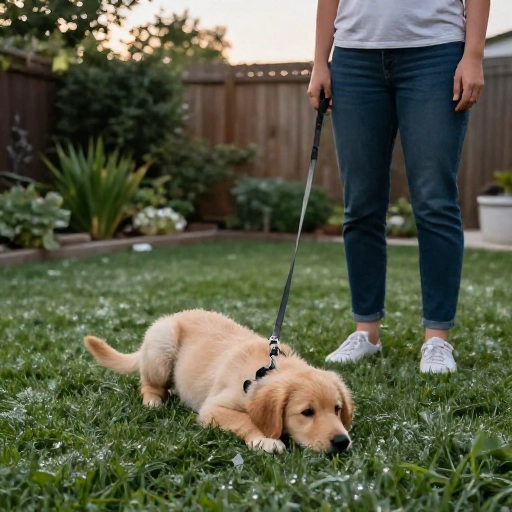
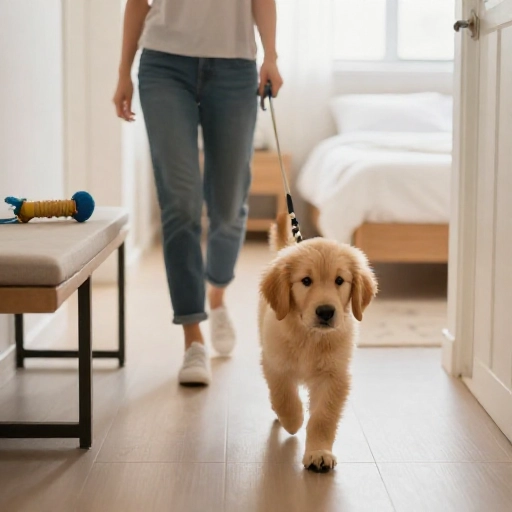
A boring potty break is one of the most underrated parts of a puppy evening routine. I take my puppy out on a leash, go to the same spot, and wait. No chatting, no playing, no exciting smells to chase.
When he goes, I praise him quietly and bring him straight back inside. This helps prevent middle-of-the-night whining and accidents. For very young puppies, I still expect one nighttime potty break. I keep it dark, calm, and all business.
The key is making it feel different from daytime play. Nighttime potty breaks are quick, quiet, and back to bed.
4. Swap Wild Play for Sniffing or Chewing
Fetch, tug, and chase games are wonderful during the day, but they can wake up a puppy’s brain right before bed. I learned to move energetic play earlier in the evening and save the last hour for gentler activities.
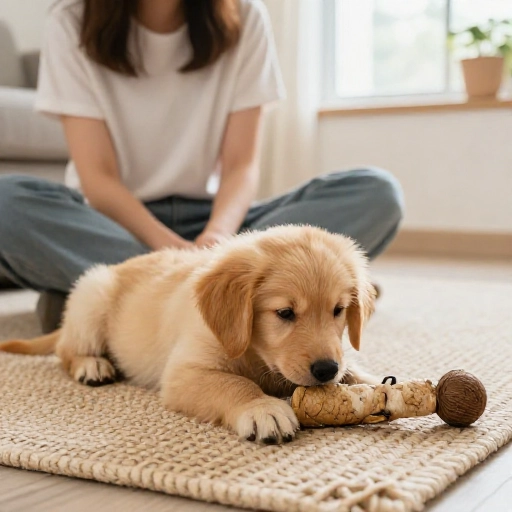
Instead, I use sniffing games or a stuffed chew toy. I scatter a few treats on a towel and let my puppy sniff them out. I also give him a frozen Kong or a safe chew. Chewing is naturally soothing for puppies.
Five to ten minutes of sniffing or chewing can tire out a puppy’s mind without hyping up his body. That mental tiredness often leads to deeper sleep.
5. Serve Dinner Early and Manage Water Before Bed
I feed my puppy dinner about two to three hours before bedtime. This gives his body time to digest and makes a pre-bed potty break more effective. If I feed him too late, I’m more likely to hear him whining at 2 a.m.
Water is a little trickier. I don’t want him thirsty, but I also don’t want a full bladder at midnight. I usually pick up the water bowl about one to one and a half hours before bed, unless it’s very hot or my vet has told me otherwise.
Every puppy is different. Young puppies and active puppies may need more water. When in doubt, ask your vet for guidance based on your puppy’s age and health.

6. Make the Sleep Spot Feel Safe and Cozy
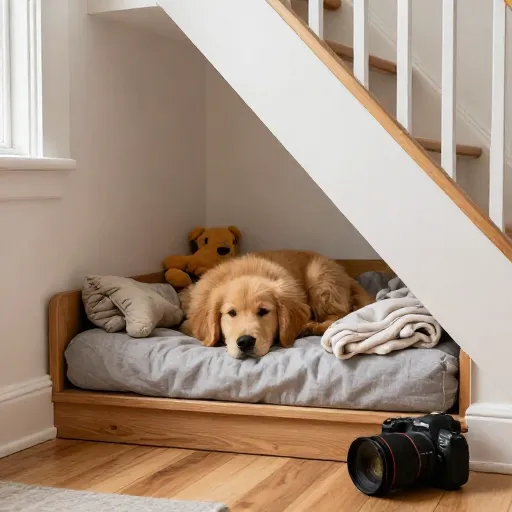
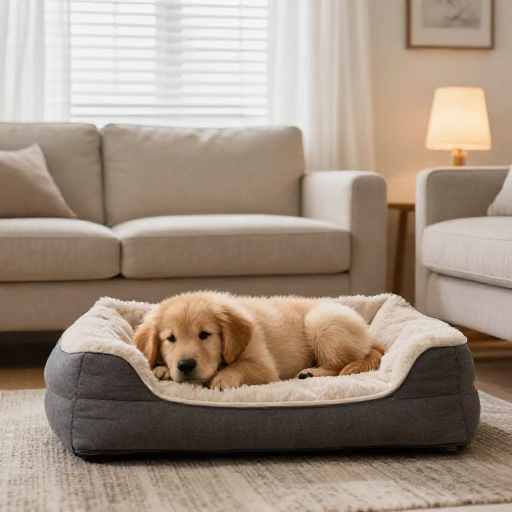
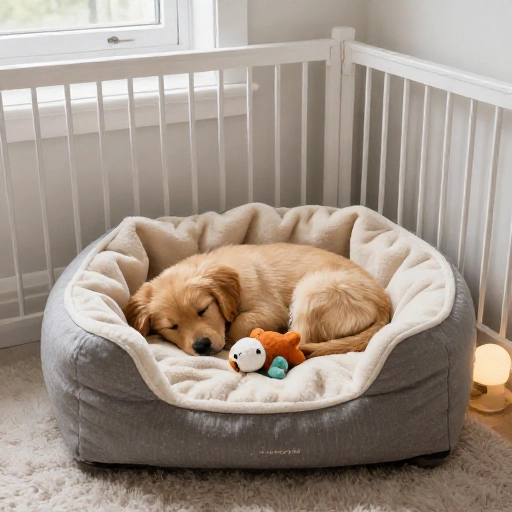
A puppy sleeps better when his bed feels like a safe little cave. I keep my puppy’s crate or bed in a quiet corner, away from busy doorways and loud appliances. I add a soft blanket and sometimes drape a cover over the crate to make it feel more snug.
I never use the sleep spot for time-outs. It should always mean calm, rest, and good things. I toss a treat inside during the day so he chooses to go in on his own.
I also check the temperature. Puppies can get too warm under thick blankets. A cozy spot should feel comfortable, not stuffy. A safe chew toy nearby can help him settle if he wakes up briefly.
7. Follow the Same Bedtime Order Every Night
Puppies thrive on patterns. I use the same bedtime order every night, almost like a little ritual. For us, it looks like this: potty, quiet chew, gentle cuddle, lights out, white noise on.
The order doesn’t have to be fancy. The magic is in the repetition. After a week or two, my puppy started to relax as soon as we reached the cuddle part. He knew what was coming next.
I keep the whole routine short, around 20 to 30 minutes. If it drags on too long, my puppy gets a second wind. Simple and steady works better than long and complicated.
8. Add Gentle Touch or a Calm Massage
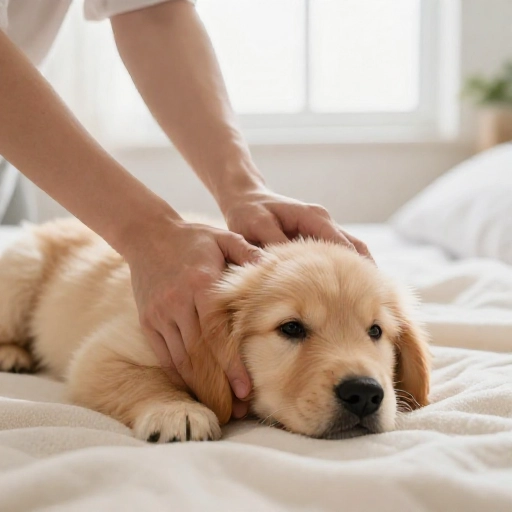
Gentle touch can be a beautiful way to help a puppy relax. I use slow, soft strokes along his back, around his ears, and on his paws. I keep my movements predictable and my voice quiet.
This isn’t the time for rough petting or exciting belly rubs. If my puppy starts to nibble or wiggle, I stop. The goal is calm connection, not play.
Sometimes I use a soft brush instead. Many puppies find brushing soothing, especially if I’ve paired it with treats during the day. This little moment of touch helps both of us slow down.
9. Use a Sleep Cue Like White Noise or a Soft Word
A sleep cue is a signal that tells your puppy, “Bedtime is here.” I use a quiet phrase like “night night” and turn on white noise at the same time. I only use that phrase at bedtime, so it stays special.
White noise helps block out household sounds that might wake a light sleeper. I keep the volume low and the machine in a safe spot away from the crate. It becomes part of the background, not a distraction.
Over time, the cue starts to do the work for me. When my puppy hears “night night” and the soft hum, his body begins to shift into sleep mode.
10. Be Patient and Consistent for the First Few Weeks
No puppy sleep routine works overnight. I had to remind myself that my puppy was still learning how to sleep in a new world. His bladder was tiny, his brain was busy, and everything was new.
Some nights were great. Some nights were messy. I focused on consistency instead of perfection. I kept the evening calm, repeated the same steps, and celebrated small wins, like one extra hour of sleep or a quiet settle in the crate.
Most puppies need a few weeks to adjust. If your puppy cries, check for real needs first: potty, thirst, too hot, too cold, or discomfort. Then guide him back to calm. With time and patience, the routine becomes second nature.
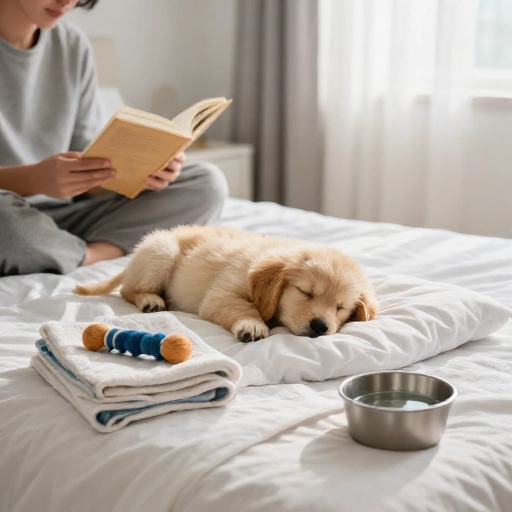
Conclusion: A Calm Evening Makes Better Puppy Sleep
A peaceful puppy bedtime routine isn’t about being strict. It’s about helping your puppy transition from a busy day to a restful night. By lowering the energy, meeting his needs, and creating a safe sleep spot, you give him the best chance to snooze deeply.
Start with a few steps that feel easy for you. Then build from there. The calmer and more predictable your evenings become, the more your puppy will learn that nighttime is safe, quiet, and made for sleep.
FAQ: Puppy Sleep and Evening Routines
How long should a puppy evening routine be?
A good wind-down usually takes 20 to 60 minutes. I keep the active part short and the calm part steady. The goal is to lower energy, not drag things out until your puppy gets restless again.
What time should I put my puppy to bed?
Most puppies do well with a consistent bedtime between 8 p.m. and 10 p.m. The exact time matters less than keeping it similar each night. Very young puppies may need an earlier bedtime and a nighttime potty break.
Should I ignore my puppy crying at night?
I don’t ignore it completely at first. I check for potty needs, thirst, temperature, or discomfort. If everything is fine, I keep the response calm and boring. Young puppies may genuinely need a midnight potty break.
Can I play with my puppy before bed?
Gentle, low-arousal play is fine. I avoid fetch, tug, and chase right before bed. Sniffing games, gentle chewing, and calm cuddles are better choices for the last hour of the evening.
How many hours should a puppy sleep?
Puppies usually need 16 to 20 hours of sleep in a 24-hour period. That includes naps and nighttime sleep. A calm evening routine helps them get more of that rest in a peaceful, predictable way.