10 Habits of a Truly Well-Trained Dog (That Make Life So Much Easier)
I used to think a well-trained dog was all about sit, stay, and come. But after living with a few dogs and fostering many, I realized something important: the best-trained dogs aren’t just obedient. They have habits that make them easy to live with.
These habits aren’t about being robot-like. They’re about your dog choosing to work with you because they trust you. And the good news? You can build these habits at any age.
Below are 10 habits I’ve noticed in truly well-trained dogs. If you’re working on your own dog’s training, use these as your checklist.
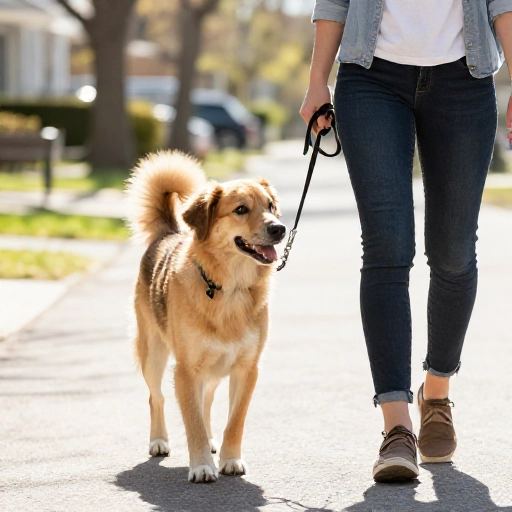
1. They Check In With You on Walks
A well-trained dog doesn’t just drag you down the street. They look back at you. They notice where you are. It’s like they’re saying, “Hey, are we still together?”
This habit comes from rewarding your dog for paying attention to you. I started by treating my dog every time he looked at me during walks. Now he does it automatically.
If your dog pulls, try changing direction often. Reward any glance back. Soon, checking in becomes their default.
2. They Can Settle Anywhere
A truly well-trained dog knows how to be bored. They can lie down under a cafe table, in a vet waiting room, or while you chat with a neighbor.
This isn’t about tiring them out first. It’s about teaching a “settle” cue. I use a mat and reward calm behavior. Now my dog naps while I work.
Start small: 5 minutes of calm, then reward. Build up slowly. A dog who can settle is a dog you can take anywhere.

3. They Wait at Doors and Thresholds
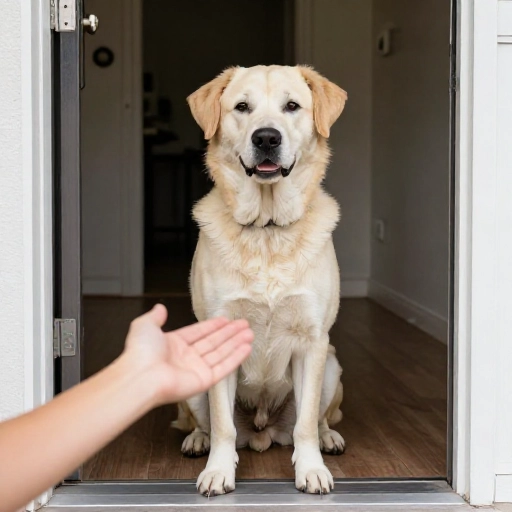
Bolting out the front door is dangerous. A well-trained dog waits for permission before going through any doorway.
My approach was simple: I asked my dog to sit before I opened the door. If he got up, I closed the door. It took a week, but now he waits even if I forget to ask.
This simple habit prevents so many accidents. Plus, it teaches impulse control.
4. They Come When Called, Every Time
Recall is the ultimate safety net. A well-trained dog comes running when you call, even with squirrels around.
I never punish my dog for coming to me, even if he was doing something naughty. Instead, I reward big—cheese, chicken, praise. Coming to me is always the best choice.
Practice in easy places first. Then add distractions. Keep it fun. Your dog should think “Come” means “jackpot!”
5. They Have a Solid “Leave It”
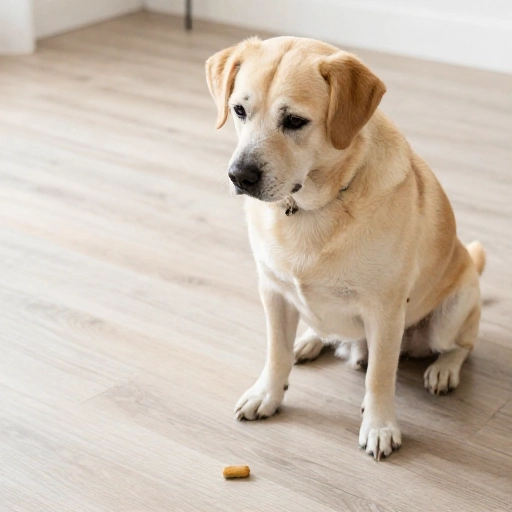
“Leave it” means your dog ignores that chicken bone on the sidewalk or the dead squirrel. It’s a lifesaver.
I taught this by holding a treat in my fist. My dog sniffed, licked, then gave up. The moment he looked away, I said “yes” and gave him a different treat.
Now he’ll leave anything when I ask. This habit keeps him safe and keeps my stress low.
6. They Walk on a Loose Leash Naturally
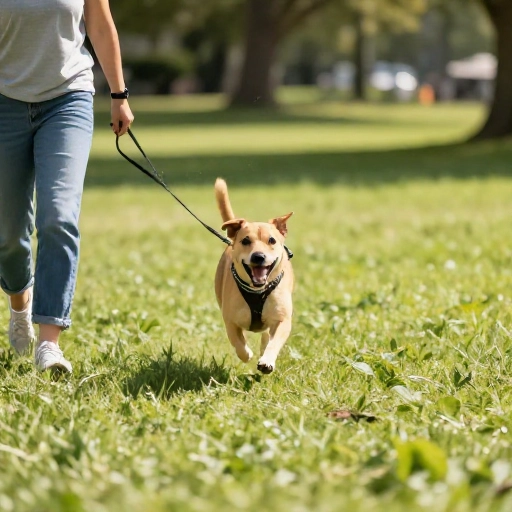
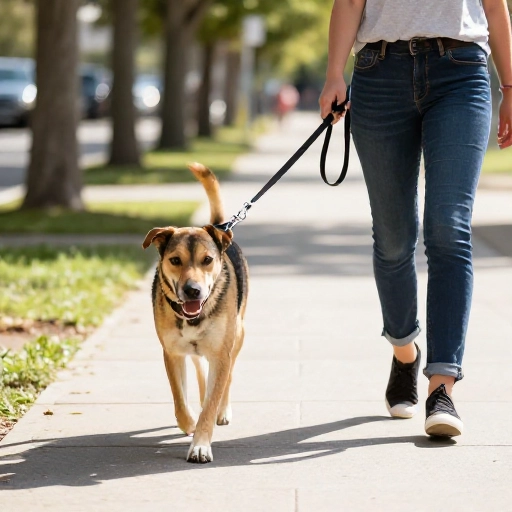
A loose leash walk isn’t about heel work. It’s about your dog not choking themselves. They can sniff, but they don’t pull.
I used to get dragged everywhere. Then I stopped moving when the leash got tight. I only walked forward when it was slack. My dog learned fast: pulling = no forward motion.
Now walks are peaceful. He checks in, I speed up or slow down. We move as a team.
7. They Greet People and Dogs Politely
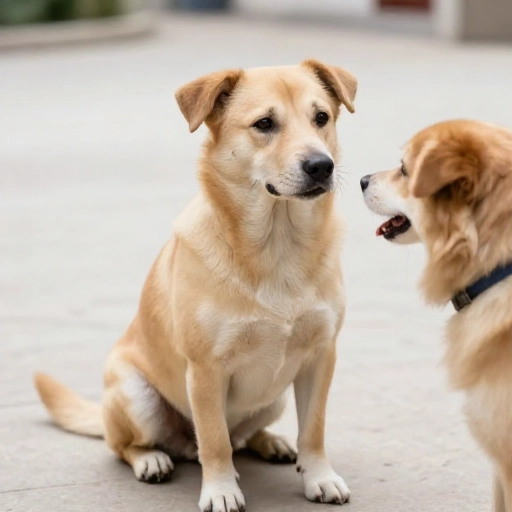
A well-trained dog doesn’t jump on guests or lunge at other dogs. They can say hello without chaos.
I trained this by asking my dog to sit when someone approaches. If he stays seated, he gets attention. If he jumps, the person turns away.
For dog greetings, I watch body language. If both dogs are relaxed, I allow a brief sniff. Then we move on. This habit makes dog parks and parties enjoyable.
8. They Are Comfortable Being Alone
A truly well-trained dog can relax when you leave. No barking, no destruction, no panic.
I started with tiny absences—just 30 seconds. Then 5 minutes. I gave my dog a frozen Kong. Now he barely notices when I grab my keys.
This habit takes time, especially for rescues. But it’s worth it. A dog who can be alone is a dog who isn’t stressed when you have to go to work.

9. They Listen Even When Distracted
Any dog can sit in your living room. A well-trained dog sits when a cat walks by or a kid screams.
I call this “proofing.” I practice cues in new places: the park, the pet store, a friend’s house. I start easy and add distractions slowly.
Each success builds confidence. Now my dog responds to “sit” even when he’d rather chase a ball.
10. They Have a Go-To “Place” Cue
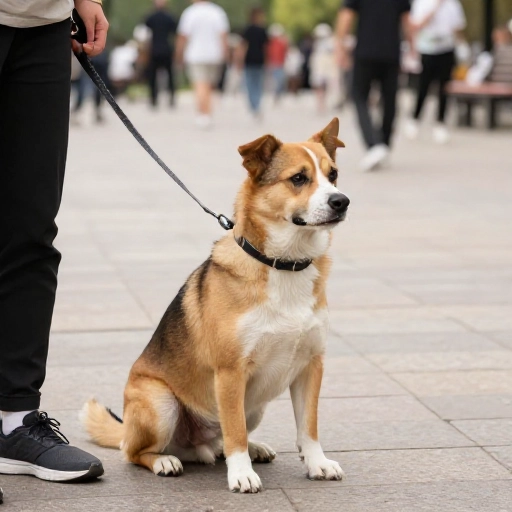
A “place” or “bed” cue sends your dog to a specific spot and keeps them there until released. It’s magic for dinner time or when guests arrive.
I taught my dog to go to his bed by tossing a treat onto it and saying “place.” Then I rewarded him for staying. Now he runs to his bed when the doorbell rings.
This habit gives your dog a job and gives you peace. It’s one of the most useful things I’ve ever taught.
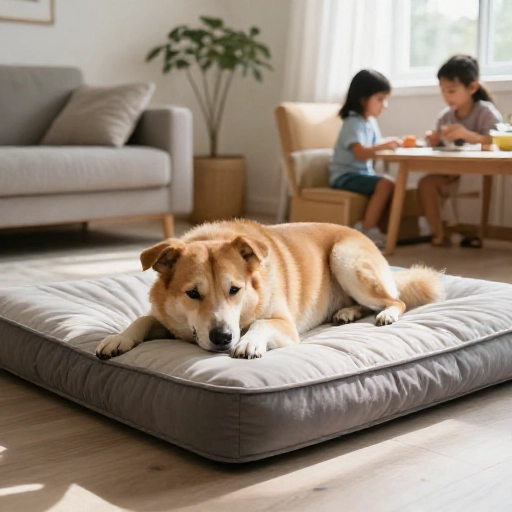
Final Thoughts on Raising a Well-Trained Dog
These 10 habits don’t happen overnight. They come from daily, small choices. A treat here, a pause there. Consistency matters more than perfect technique.
I still have bad days with my dog. But when I look at this list, I see how far we’ve come. And you can get there too.
Pick one habit this week. Work on it for five minutes a day. Then add another. Before you know it, you’ll have a dog who turns heads—for all the right reasons.
Frequently Asked Questions About Well-Trained Dogs
How long does it take to build these habits?
It depends on the dog and the habit. Some take a few days, others a few months. I always say: think in weeks, not days. Consistency beats speed.
Can I train an older dog to have these habits?
Absolutely. Old dogs can learn new habits. It might take a bit longer, but their focus and maturity often help. I’ve seen 10-year-olds learn “place” in a weekend.
Do I need treats forever?
No. Treats are training wheels. Once a habit is solid, you can phase them out. But I still reward randomly with praise, play, or a special snack. It keeps the habit strong.
What if my dog ignores me around distractions?
That means the distraction is too big. Go back to an easier spot and practice there. Then slowly add difficulty. Don’t get frustrated—just make it easier to win.
Is it ever too late to start training?
Never. Every interaction is training. Even a 15-year-old dog can learn to wait at doors or settle on a mat. Start where you are, with what you have.